
Production technologies
Plastics injection moulding
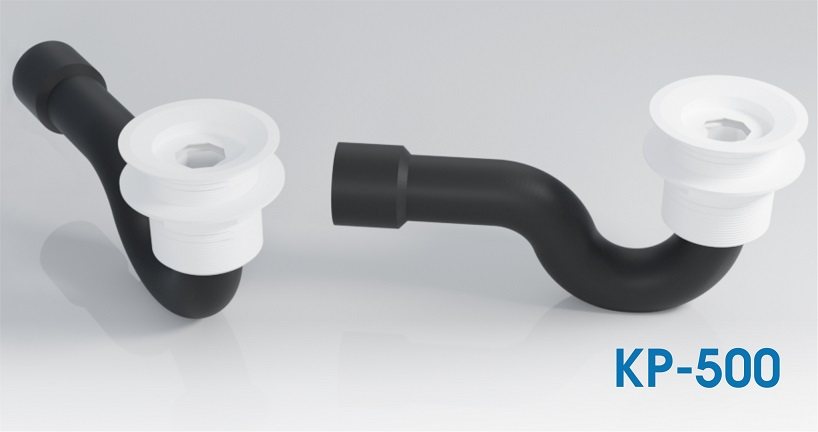
We injection-mould parts with complex geometry – handles, feet, drains, funnels and traps for refrigeration equipment and catering furniture. From the mould design to series production. A technology of RefPlast, a brand of the AiFO Group.
Why injection moulding
A complicated shape in a repeatable series
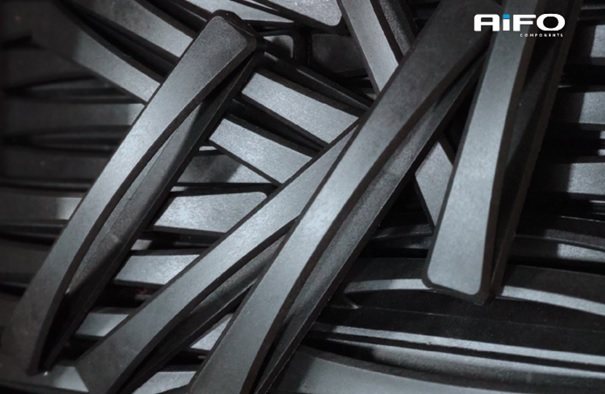
Injection moulding produces parts with irregular shapes, grooves, recesses and fine details that cannot be achieved by extrusion or thermoforming.
The process is cyclical and automated, so every following part looks the same – and on larger runs the unit cost drops quickly.
What we make
Moulded parts for refrigeration and HoReCa
Flush handles
Handles for refrigeration equipment made of durable plastics – modern, in various shapes and sizes.
Adhesive handles
Handles with 3M adhesive tape, in many colours and sizes, fitted without drilling into the appliance body.
Adjustable feet
Feet for refrigeration equipment and catering furniture that make levelling and everyday use easier.
Drains, funnels and traps
Components for building the condensate drainage system and installing catering fittings.
What you gain
Why mould with us
Complex shapes
Injection moulding handles geometry that other plastics processing technologies cannot reach.
A range of plastics
We work with granulates of different properties – matched to the loads and the location of the part.
Accurate detail
Even filling of the closed mould gives sharp edges, grooves and small markings.
Full repeatability
Every cycle runs identically, so parts from the start and the end of the run are the same.
Automated production
Part ejection, mould closing and the next cycle run without operator involvement.
Low unit cost
A short cycle and limited manual work lower the cost per part on larger runs.
Technical parameters
Materials and tooling
- Technology
- Injection moulding of thermoplastics
- Materials
- Thermoplastic granulates selected for the application
- Tooling
- Injection moulds – ours or supplied by the customer
- Machining
- CNC machining and flash removal
- Cycle
- From a few seconds, depending on the size of the part
- Batches
- From short runs to high-volume production
Production process
From the part design to a finished product
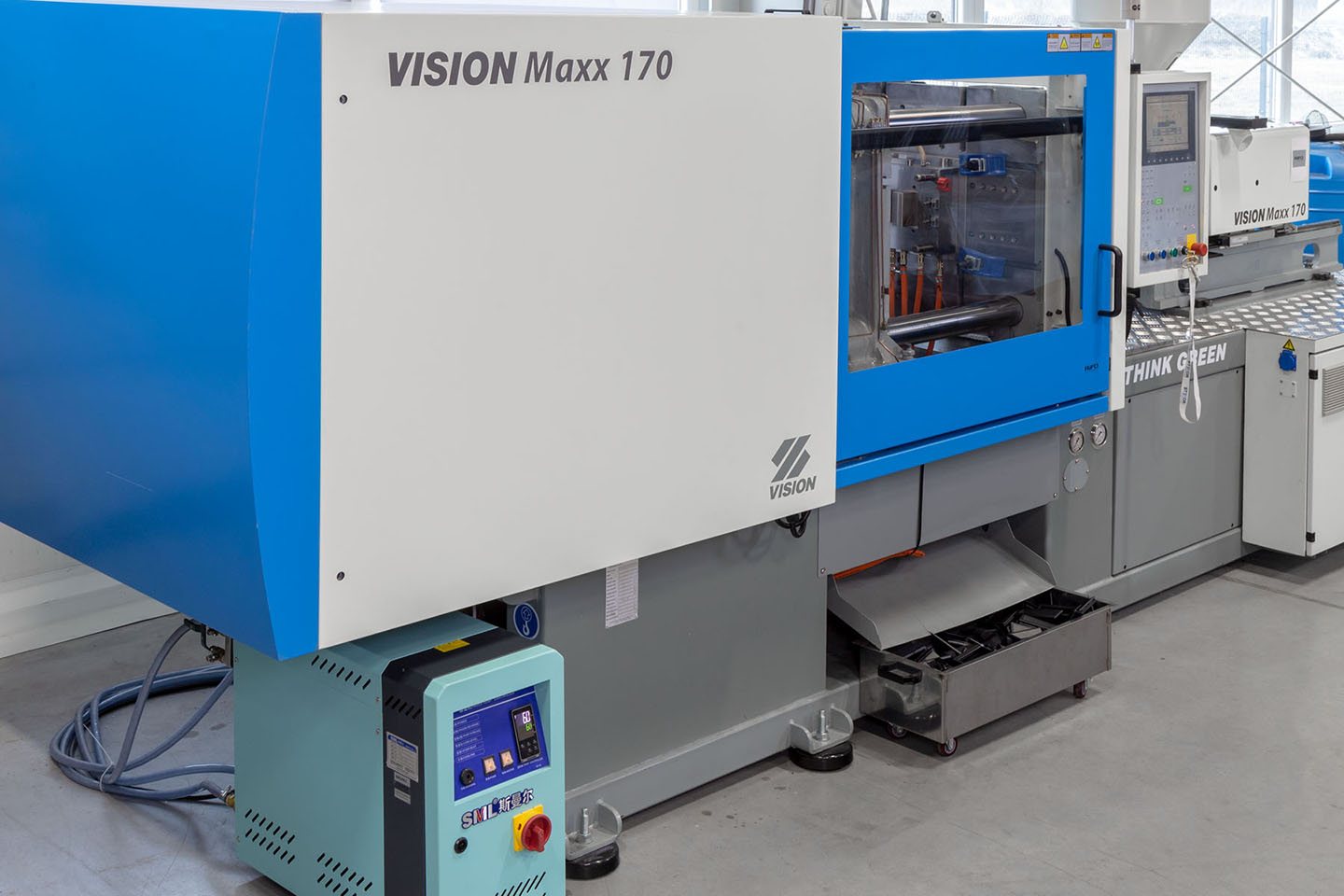
Injection moulding is a closed cycle: plasticised material is injected into the mould under pressure, cooled, and the finished part is ejected automatically.
-
Part design
Our engineers prepare drawings and models with exact dimensions and select the plastic for the application.
-
Mould making
Based on the model, an injection mould is produced in which the part will be manufactured.
-
Plasticising
The granulate is heated and mixed by the rotating screw until it becomes a homogeneous, molten mass.
-
Injection and cooling
The molten plastic is injected through a nozzle into the mould cavity and then cooled until it solidifies.
-
Finished product
The part is ejected from the mould automatically and the edges that touched the mould are cleaned of flash.
Applications
Where our parts work
- Refrigeration equipment
- Catering furniture
- Shop counters and display cases
- Condensate drainage systems
- Catering fittings
- Bespoke components
Production technologies
See how production works
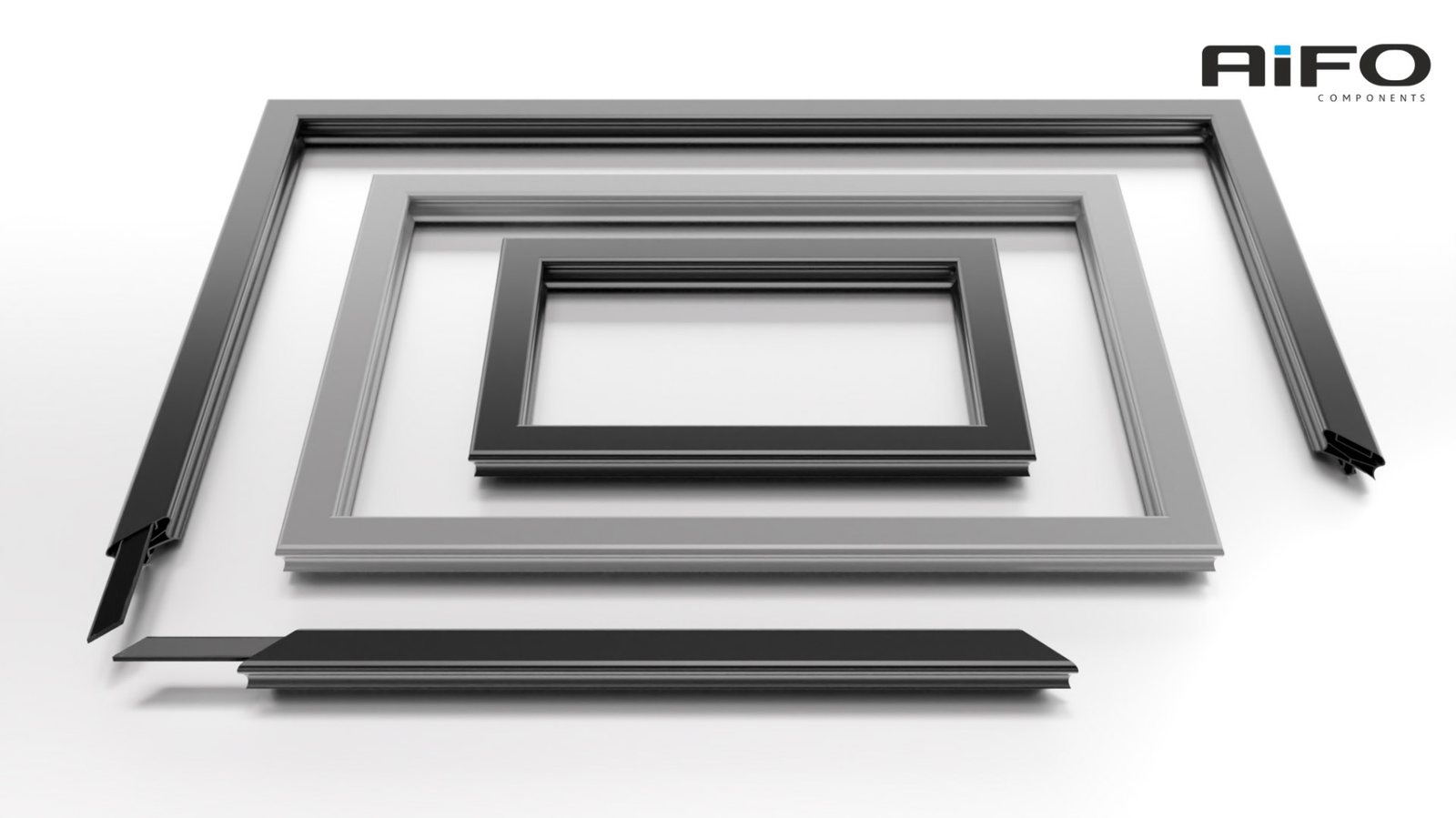
Welding of magnetic gaskets for refrigeration
Gaskets and magnetic inserts
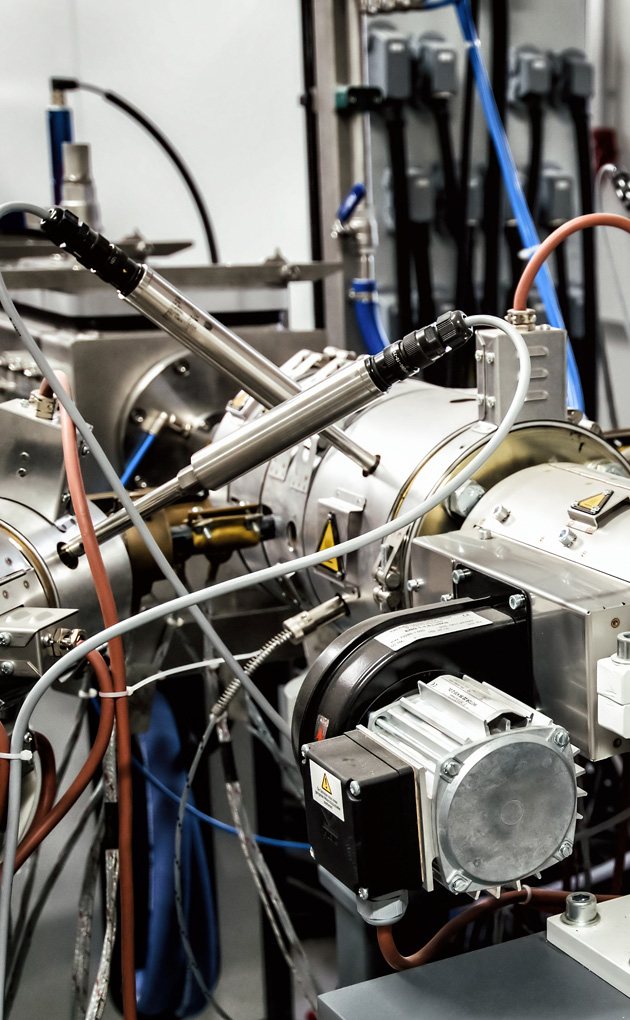
PVC profile extrusion, rigid and flexible
Extruded profiles for refrigeration
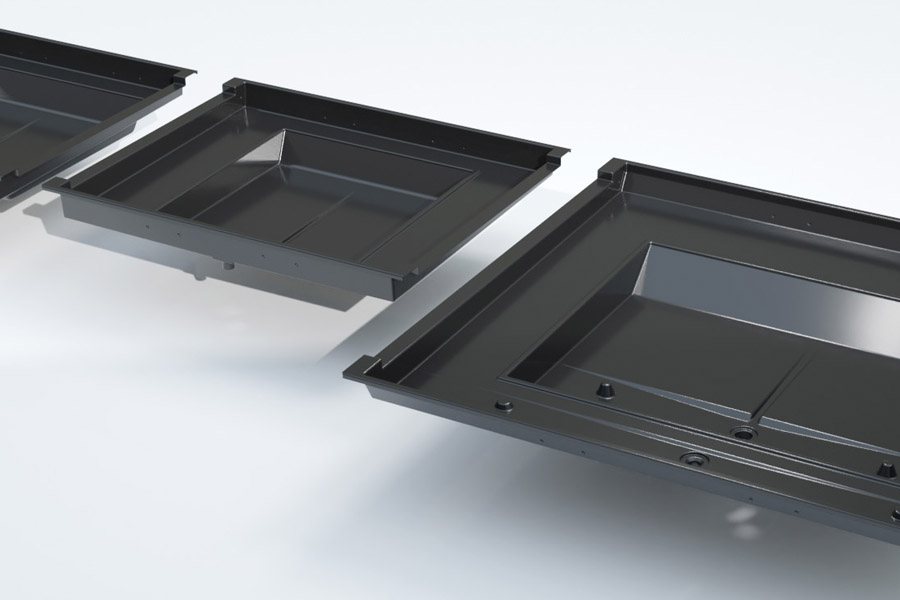
Thermoforming
Vacuum-formed parts
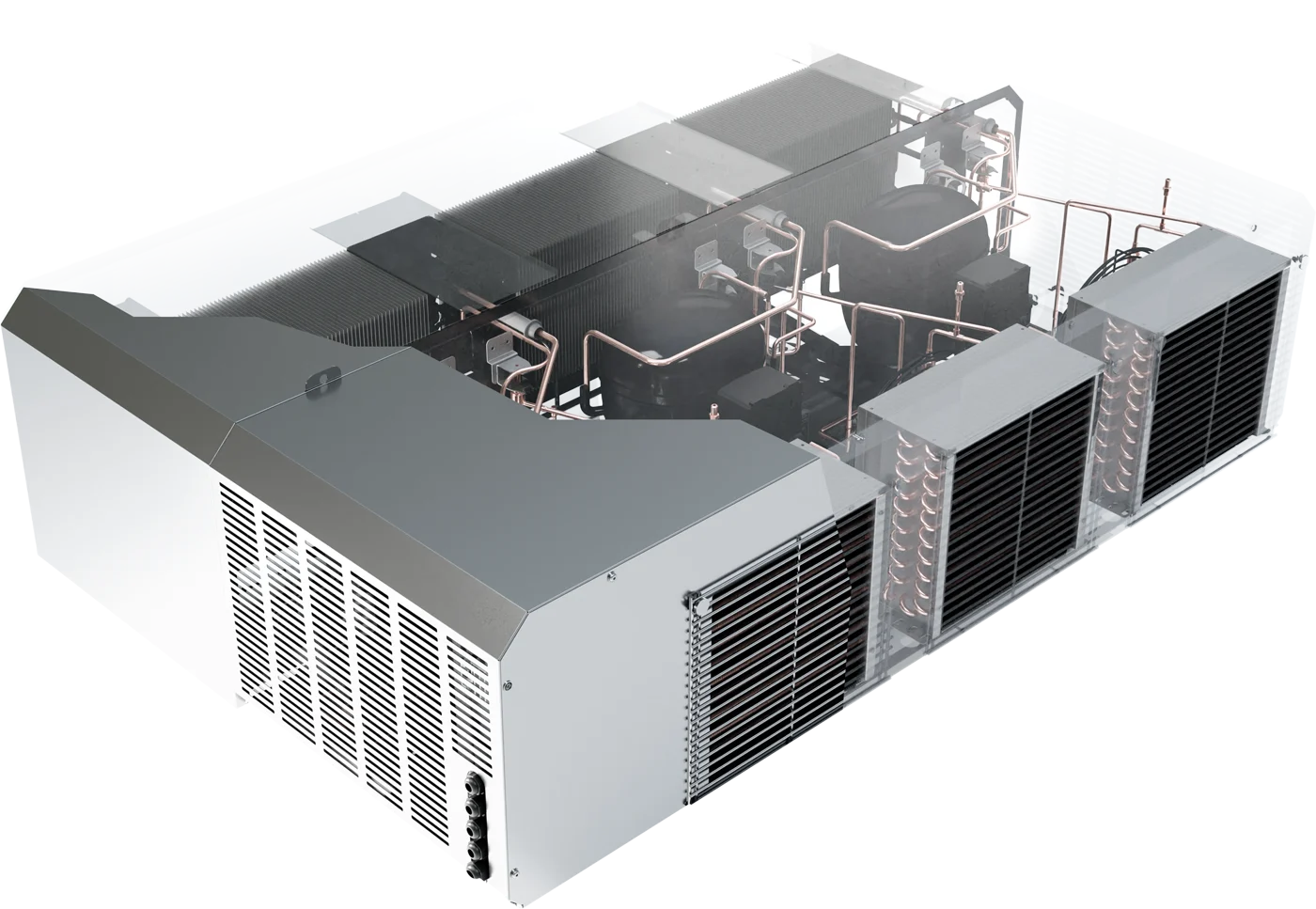
Monoblock chillers
Monoblocks and condensing units
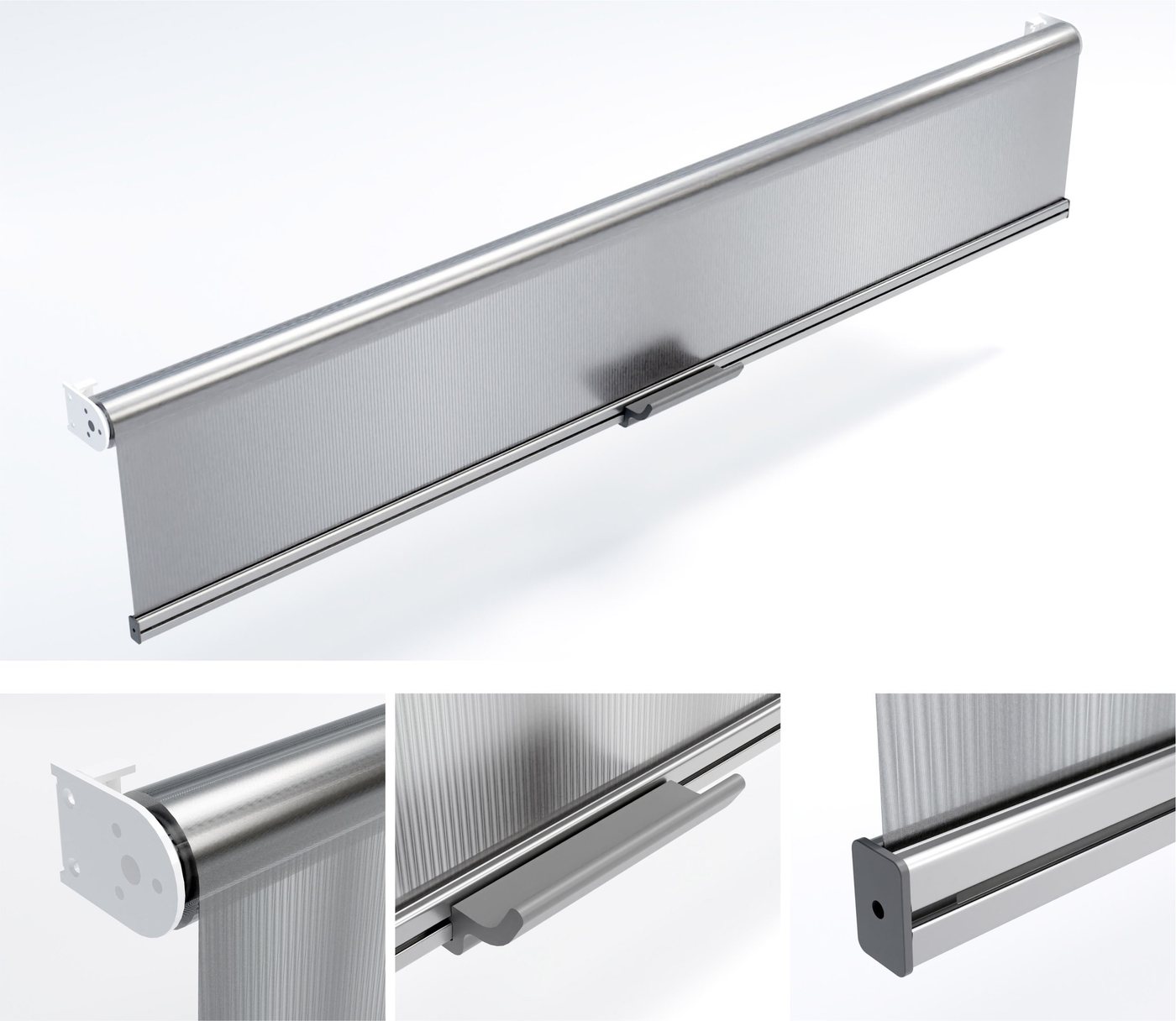
Roller blinds for refrigerated shelving
Blinds matched to the type of case
Thermal break profiles
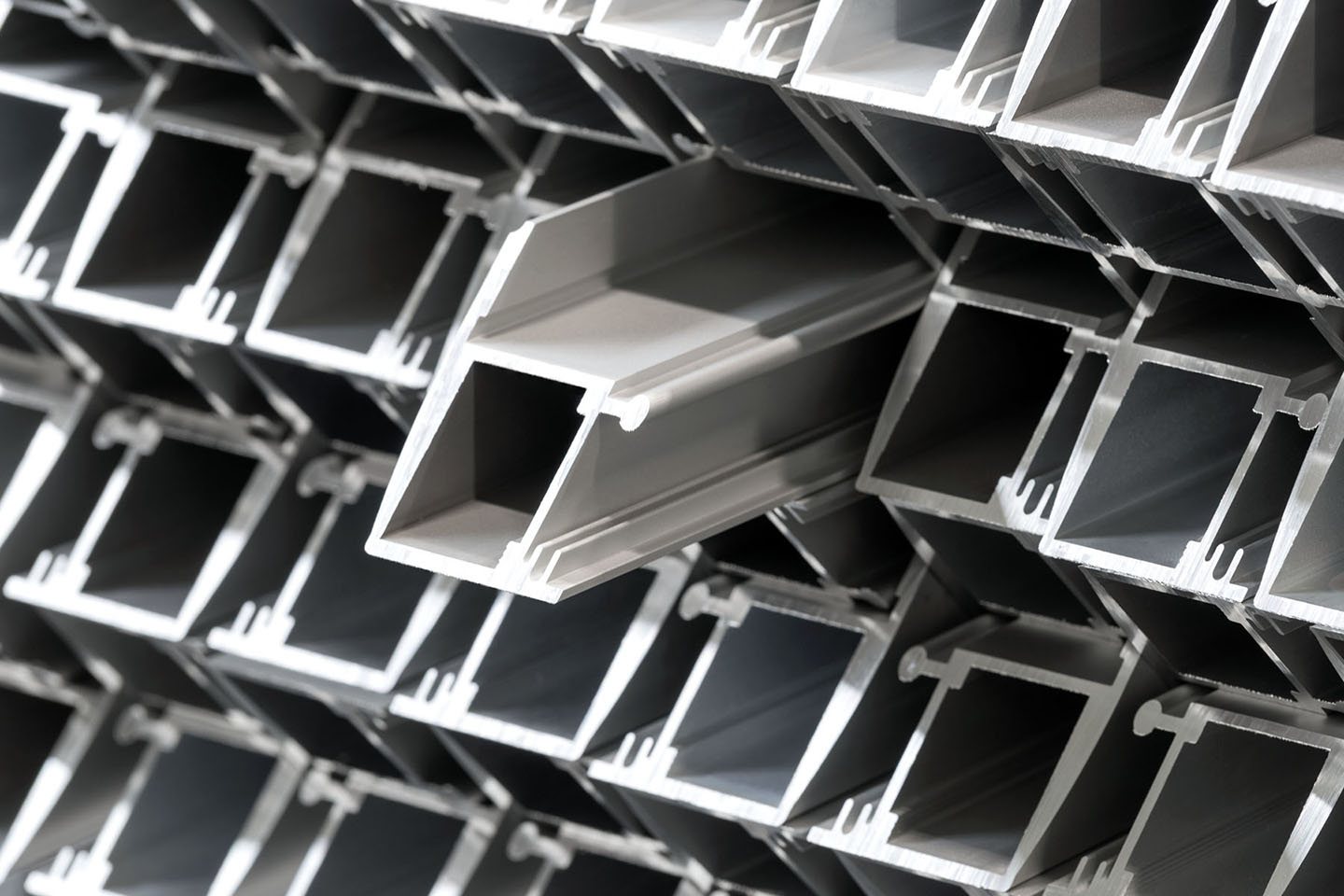
Two profile families and custom sections
PU insulation of refrigeration furniture parts
Components with a polyurethane core
A part that looks the same on the first piece and on the ten-thousandth.
- Complex shapes with grooves, recesses and fine details.
- Support in designing both the part and the injection mould.
- An automated cycle – low unit cost on series production.
FAQ
Frequently asked questions about injection moulding
Did not find your answer? Write to us – we will assess the part and select the plastic.
Ask a questionWhat is injection moulding?
It is a cyclical plastics processing technology: granulate is plasticised in the barrel of the moulding machine and then injected under pressure into a closed mould, where it solidifies into the finished part.
Do I need my own injection mould?
No. We can make the mould from your model, but we also work with moulds supplied by the customer.
Which plastics do you use?
We work with thermoplastic granulates of various properties. The material is matched to the loads, the operating temperature and any food-contact requirement.
How long does it take to produce one part?
A single cycle takes from a few seconds. The time depends mainly on the size of the part and the complexity of its shape.
Do the parts need machining after moulding?
Flash can remain on the edges that touched the mould. We remove it automatically and smooth the edges so the finished part looks exactly as designed.
Can you help design the part?
Yes. Our engineers advise on the shape, wall thickness and material so that the part can be moulded repeatably and without defects.
Discuss your project
We will design and mould your part
Send us a 3D model or a drawing – we will select the plastic, assess the mould and quote the production run.
Get in touch
We usually reply within 24 working hours.