
Production technologies
Thermoforming of plastics
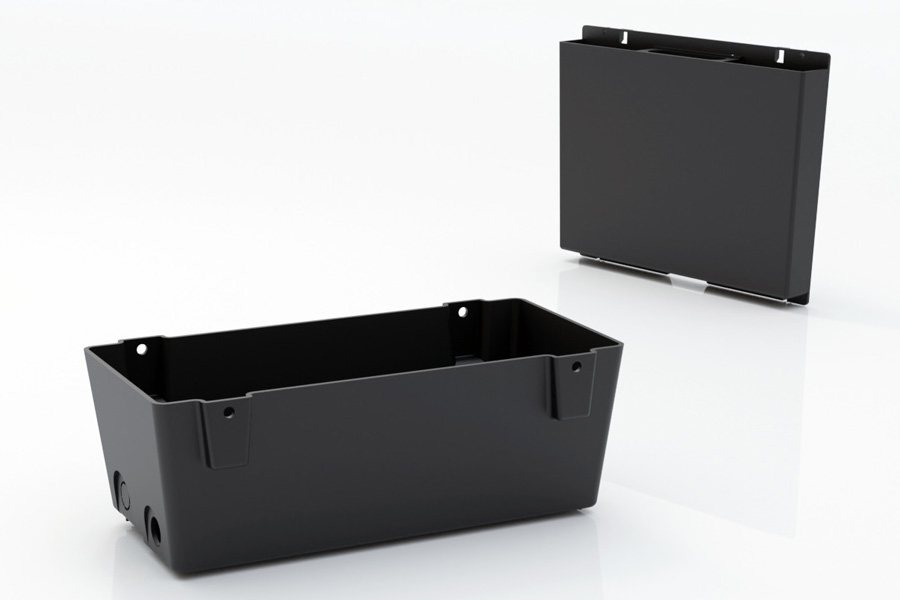
We vacuum-form parts from plastic sheet – from drip trays to large panels and appliance inner liners. The part is made from a single piece of material, so it is tight and light. A technology of RefPlast, a brand of the AiFO Group.
Why thermoforming
A large, tight part from a single sheet
Thermoforming uses high temperature, vacuum and the flexibility of the plastic. It delivers parts with complex shapes, with many recesses and embossings.
The part is formed from one sheet, with no joints and no bonding, so it is tight – which is decisive for condensate trays and the inner liners of refrigeration equipment.
What we make
Vacuum-formed parts
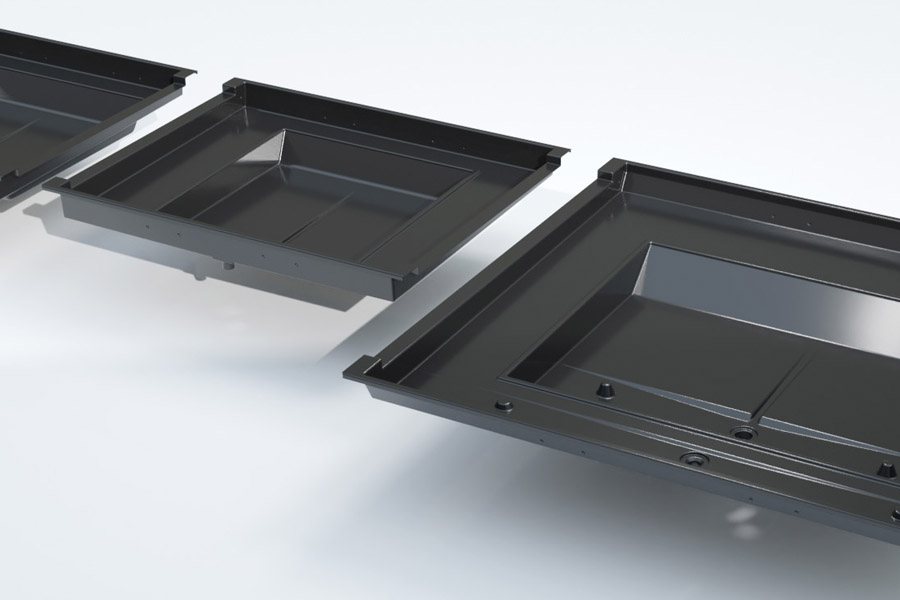
Drip trays
Part of the condensate drainage system – a necessary feature of every piece of refrigeration equipment.
Condensate trays
They collect the condensate drained from the evaporator and allow it to evaporate inside the appliance.
Insulated doors
Cold room doors supplied with a profile and a magnetic gasket, providing a high level of tightness.
Side panels
Housing panels for refrigeration equipment, formed in any shape and size to the customer's specification.
What you gain
Why vacuum forming pays off
Tightness
The part is made from one piece of material, so there are no seams or bonds through which water could escape.
Large and small parts
The same lines form both small inserts and large housing panels.
Many materials
We work with PE, PP, PVC and polycarbonate sheet – the material is matched to the requirements of the part.
Accurate detail
The technology reproduces recesses, embossings and stiffening ribs without additional machining.
No MOQ
We handle short prototype runs and high-volume production alike.
Low tooling cost
A thermoforming mould is cheaper than an injection mould, so the entry threshold for a new part is lower.
Technical parameters
Materials and capabilities
- Technology
- Vacuum forming from sheet
- Materials
- PE, PP, PVC, polycarbonate and other thermoplastics
- Part size
- From small inserts to large housing panels
- Shapes
- Recesses, embossings, stiffening ribs
- Finishing
- Trimming, quality control, packing
- Batches
- Prototypes, short runs and high-volume production
Production process
From the mould to a finished part
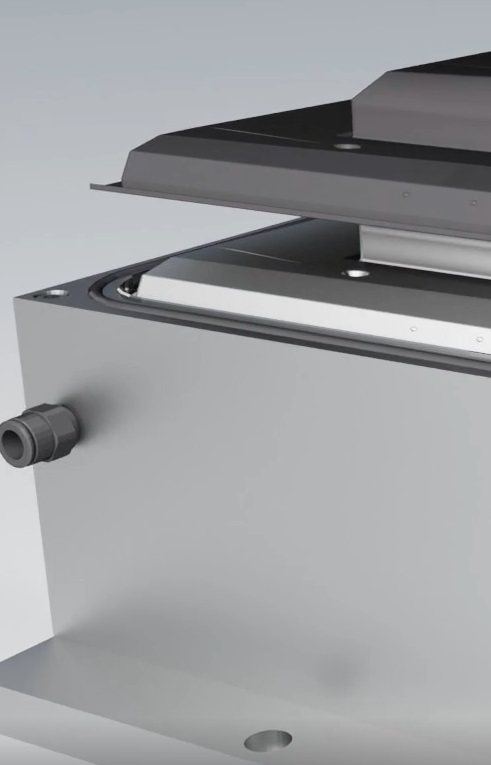
The thermoforming cycle is short and repeatable – we heat the sheet, form it on the prepared mould, cool it and trim it.
-
Design and material selection
Drawings and models of the part are created and used to select a sheet of the right thickness and properties.
-
Heating the sheet
The sheet is heated above the elastic limit of the plastic until it becomes pliable.
-
Forming
The hot sheet is laid on the mould and drawn down by vacuum until it reproduces the shape exactly.
-
Cooling and trimming
The part is cooled, separated from the mould and the surplus material around the sheet is trimmed off.
-
Quality control
We check dimensions and surface quality, catching deviations before they reach the next batch.
-
Finished product
The part is protected and packed, then sent to the warehouse or directly to the customer.
Applications
Where our parts work
- Inner liners of appliances
- Drip trays and condensate trays
- Housing side panels
- Insulated doors
- Recessed handles
- Technical packaging and inserts
Production technologies
See how production works
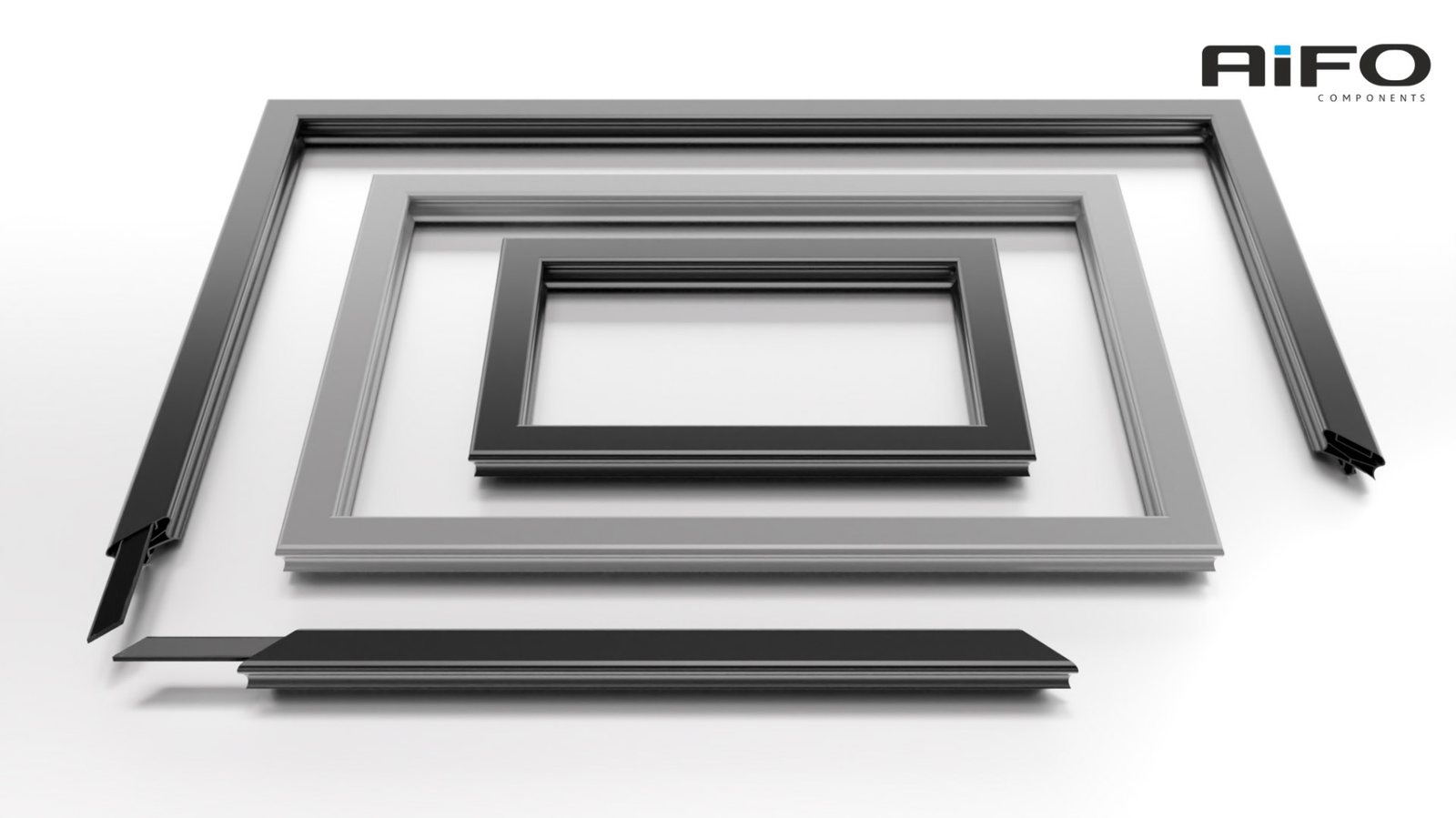
Welding of magnetic gaskets for refrigeration
Gaskets and magnetic inserts
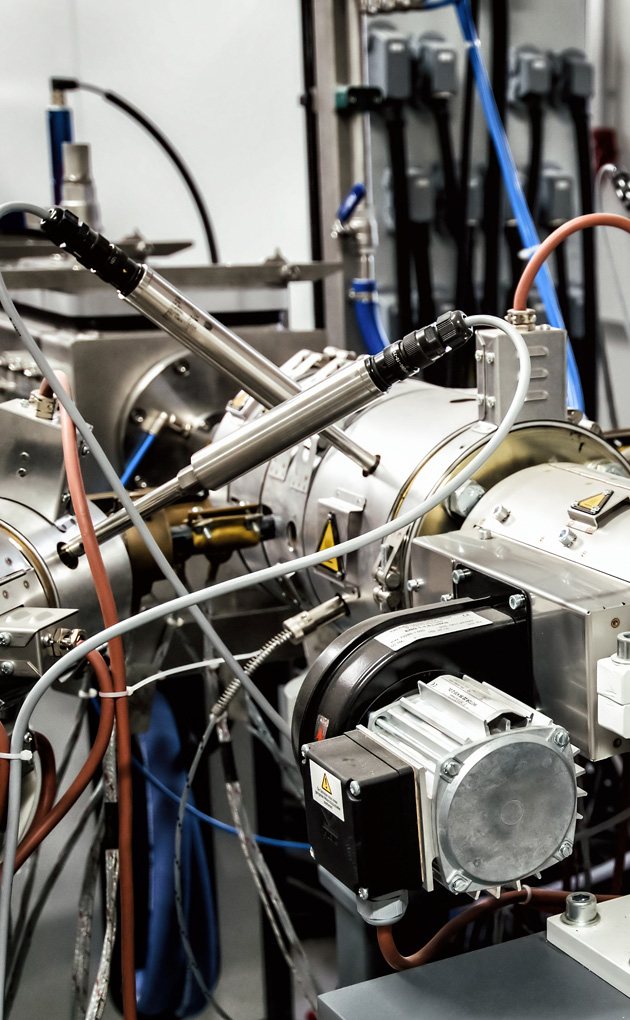
PVC profile extrusion, rigid and flexible
Extruded profiles for refrigeration
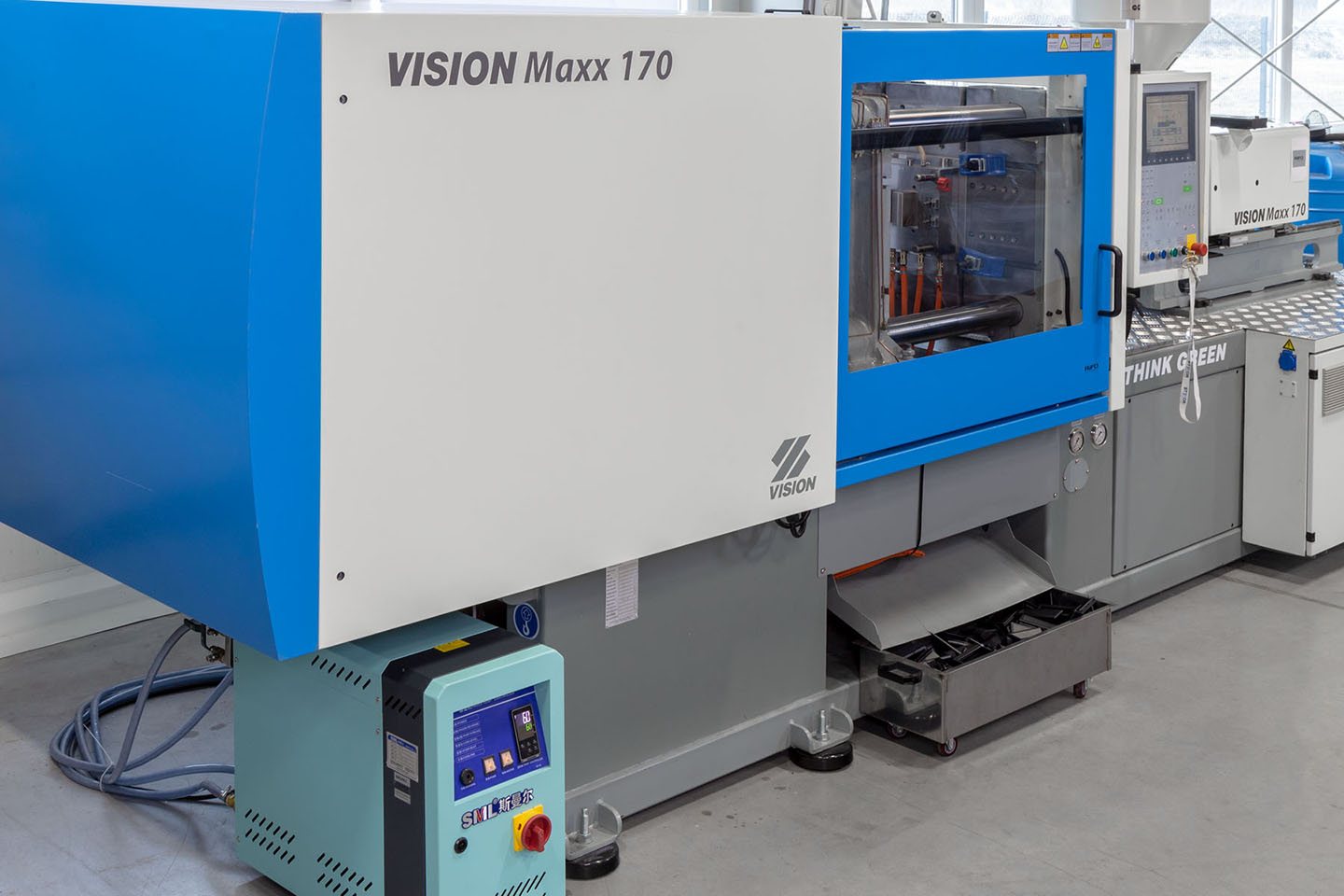
Plastics injection moulding
Moulded parts for refrigeration and HoReCa
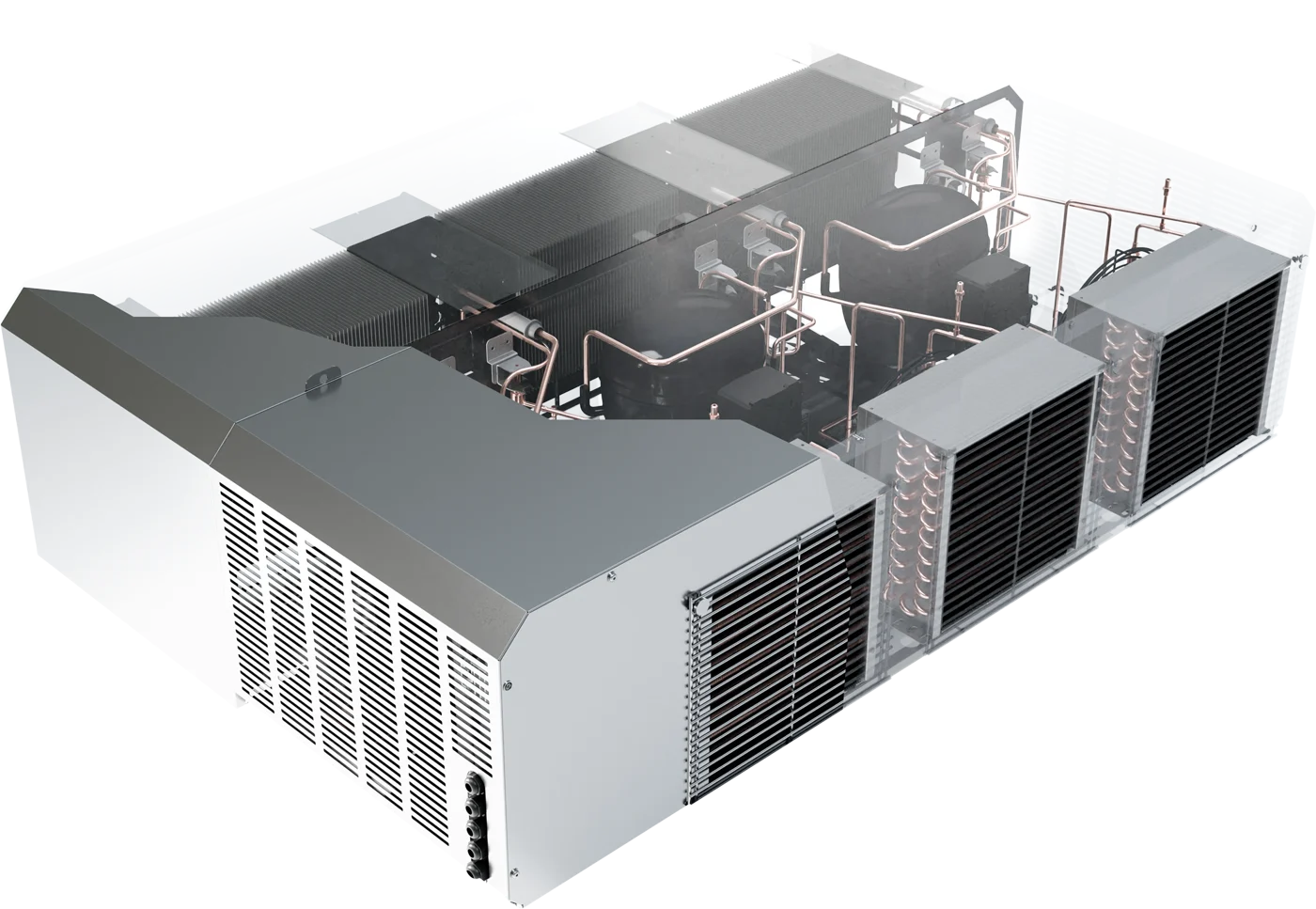
Monoblock chillers
Monoblocks and condensing units
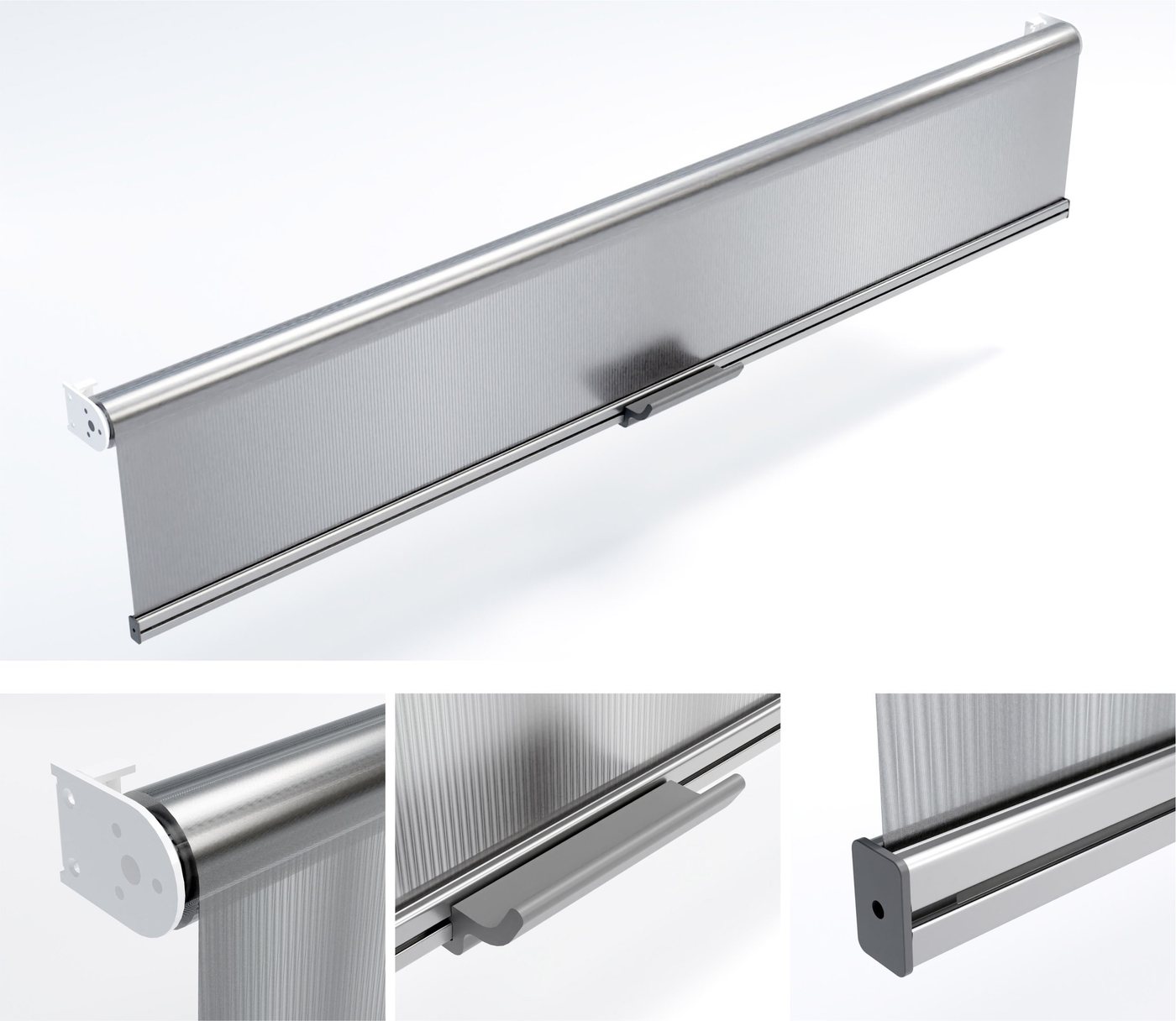
Roller blinds for refrigerated shelving
Blinds matched to the type of case
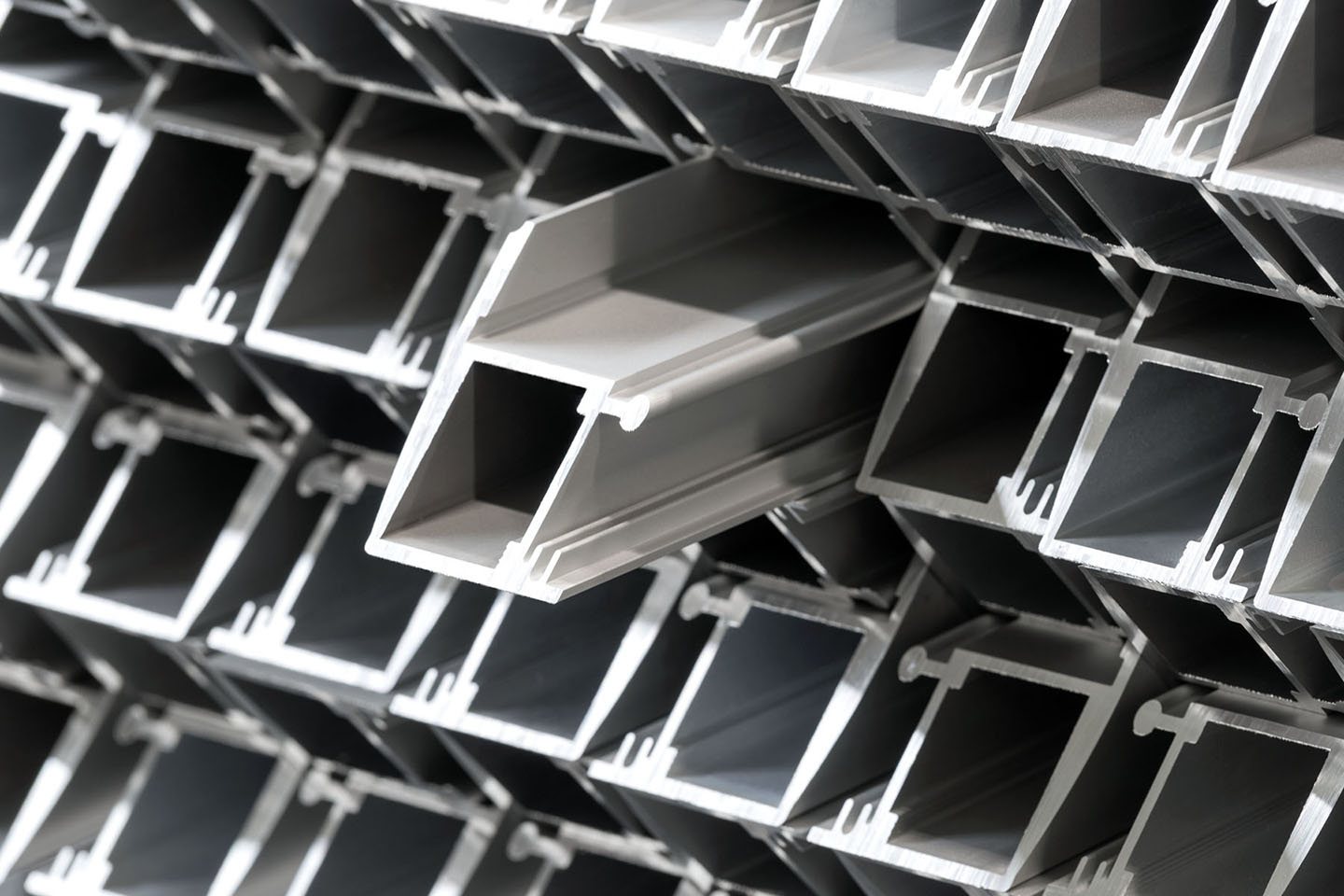
Thermal break profiles
Two profile families and custom sections
PU insulation of refrigeration furniture parts
Components with a polyurethane core
One sheet, one part – no joints and no places where tightness can be lost.
- Large and small parts from a single piece of material.
- PE, PP, PVC and polycarbonate – the material is matched to the application.
- Short runs and high-volume production on the same lines.
FAQ
Frequently asked questions about thermoforming
Did not find your answer? Write to us – we will assess the part and select the material.
Ask a questionWhat is thermoforming?
It is a plastic forming process in which a heated sheet is laid on a mould and drawn down by vacuum. The part reproduces the shape of the mould and is made from a single piece of material.
Which materials do you form?
We use polyethylene, polypropylene, PVC and polycarbonate sheet. The material is matched to the operating temperature, the required stiffness and the purpose of the part.
How large can the parts be?
We form both small inserts and large housing panels or appliance inner liners. The limit is set by the size of the forming table and the sheet.
Is thermoforming cheaper than injection moulding?
For large parts with fewer fine details it usually is – a thermoforming mould is simpler and cheaper than an injection mould, which lowers the entry threshold for a new product.
Will you make a part to my model?
Yes. We work from the customer's drawing or 3D model, and where these do not exist we prepare the documentation from a sample or a description of the application.
Can the parts be in contact with food?
Yes, when materials approved for food contact are used. Please flag this requirement at the enquiry stage, as it affects the choice of sheet.
Discuss your project
We will form your plastic part
Send us a drawing or a 3D model of the part – we will select the sheet and quote the mould and the production run.
Get in touch
We usually reply within 24 working hours.