
Production technologies
Thermal break profiles
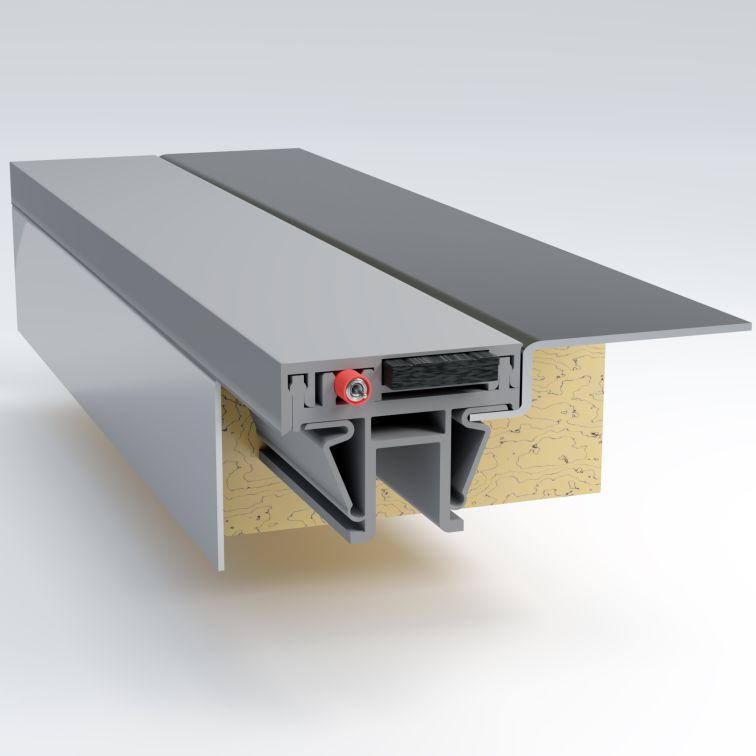
A metal part running from the cold side of a cabinet to the warm one carries cold to the casing – and that is where water condenses. A rigid PVC profile placed in that path breaks the conduction, because plastic conducts heat hundreds of times worse than steel.
Why a thermal profile
Condensation on the casing is a symptom of a bridge, not of humidity in the room
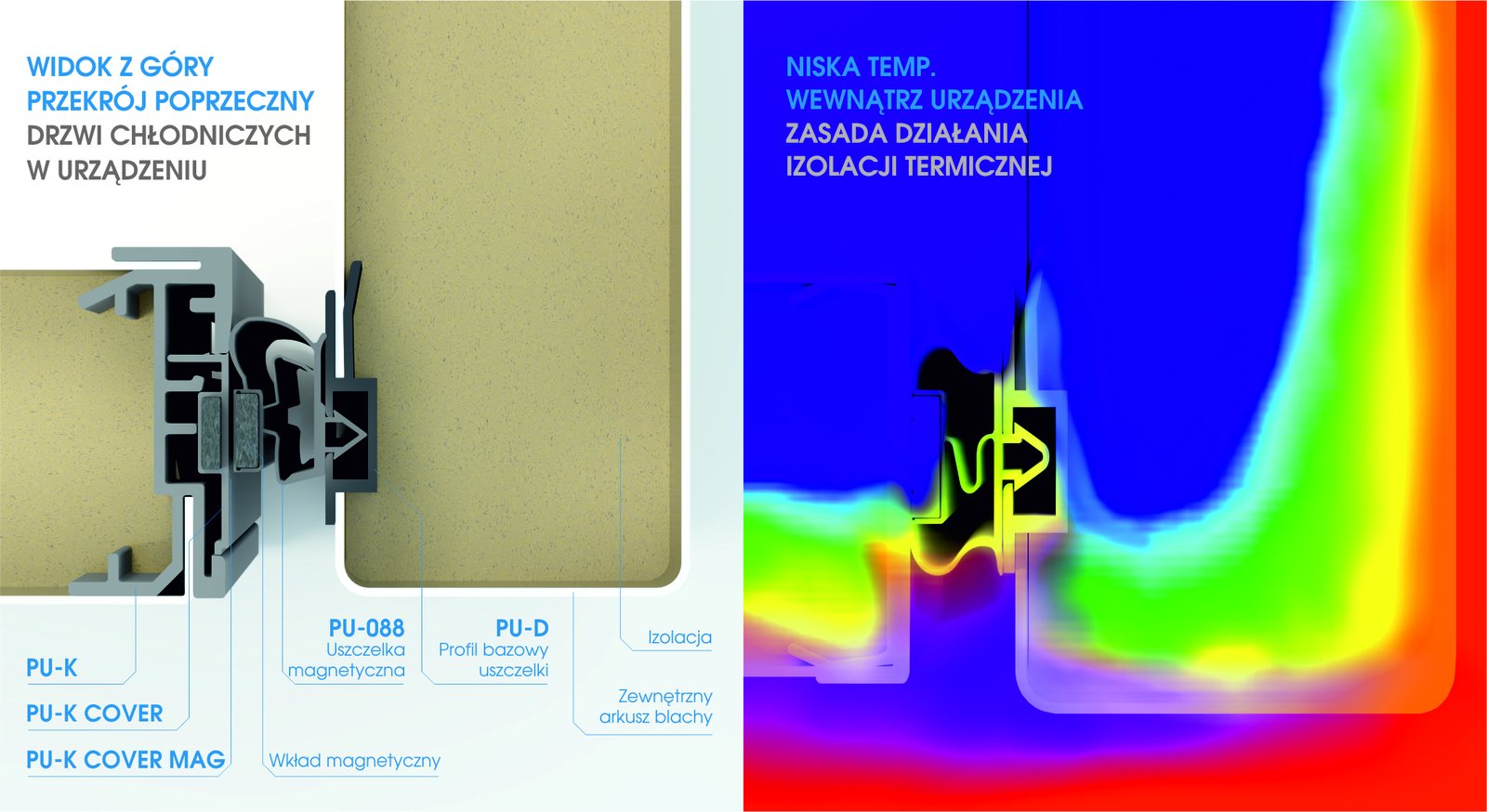
A thermal bridge appears wherever a metal part crosses from the cold side of the structure to the warm one. Cold travels along it to the outside and water condenses on the casing – in a spot nobody planned to wipe. It looks like room humidity, but it is an error in the cabinet cross-section.
A PVC profile placed in that path breaks the conduction and does structural work at the same time: it holds the skin and the insulation, or closes the edge of the leaf together with the gasket. It is not an add-on to a finished cabinet – it is planned together with the cross-section.
What we extrude
Two profile families and custom sections
Cabinet body profiles
27 catalogue sections working inside the body structure: they hold the skin and the insulation while separating the cold and warm sides of the casing.
Gasket base profiles
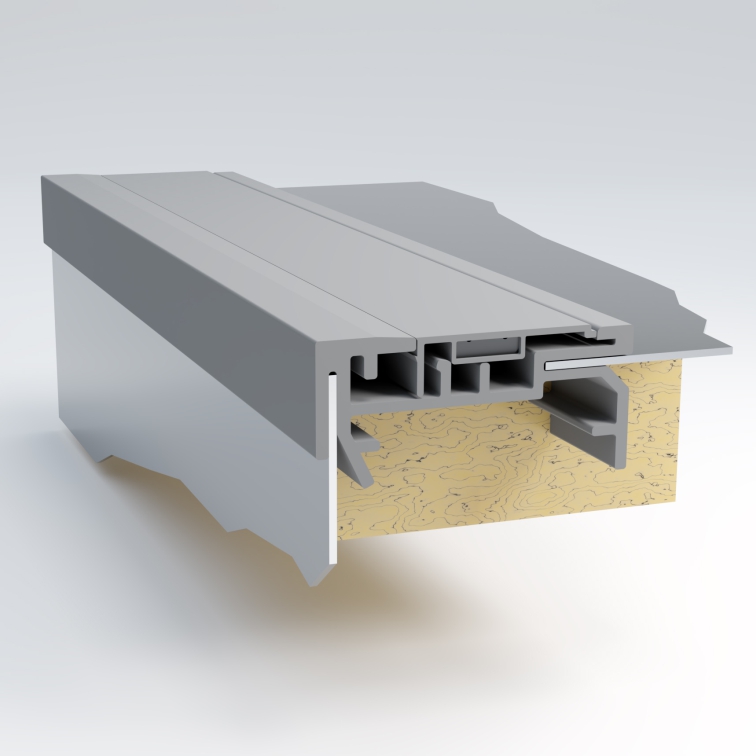
Seven sections seated in the leaf of an insulated door. They close the edge together with the magnetic gasket and break the metal around the perimeter of the leaf.
Profiles with a heating channel
Versions with room for a heating cable – single or double – and with a magnetic insert seat, wherever the edge has to be kept above the dew point.
Corners and trim strips
Parts closing the joint of two skin sheets, such as the PU-NK2 corner (38.5 mm), and strips protecting the edge of the sheet metal.
Profiles to customer drawings
We extrude your own section in rigid PVC for a specific appliance. We need a drawing or a sample plus the colour and the length of the cut piece.
Series supply
Repeatable lengths for manufacturers of refrigeration cabinets, in fixed sizes agreed against the cutting plan on the assembly line.
What you gain
Why it pays to break the bridge with a profile
No more condensation on the casing
A broken metal path means no cold spot on the outside of the cabinet, and therefore no water collecting in a place nobody planned to clean.
Lower energy consumption
Cold escaping through a bridge has to be produced again. The profile limits that loss, so the system does not run to cover an error in the cross-section.
PVC instead of metal in the cold path
Rigid PVC conducts heat hundreds of times worse than steel – that is the entire working principle of a thermal profile.
Structural work in one part
The profile does more than insulate: it holds the skin and the insulation or guides the gasket, so it does not add a separate part to assemble.
Colour through the material
The colour sits in the material, not on the surface – an edge scuffed in service does not expose a different colour underneath.
Your own section, no compromise
If a catalogue profile does not suit the structure, we extrude a section designed for your appliance, not the other way round.
Technical parameters
Materials, colours and lengths
- Material
- Rigid PVC
- Profile families
- Cabinet body profiles and gasket base profiles
- Catalogue items
- 34 sections – 27 body and 7 gasket base
- Catalogue colours
- Grey, black and white – including RAL 7005, RAL 7035, RAL 7040, RAL 9005, RAL 9016
- Additional features
- Heating cable channel (single or double), magnetic insert seat
- Cut lengths
- Extruded in fixed lengths; the catalogue lists 2 m, 2.20 m, 4.60 m and 6 m among others
- Custom versions
- Other lengths and colours to order, extrusion to customer drawings
Production process
From the cross-section to a bundle on the pallet
The profiles are made on our extrusion line – from a catalogue section or from a drawing sent in by the design engineer.
-
Cross-section and selection
We start from the cabinet cross-section: where the metal crosses to the warm side and which profile can break that path without changing the structure.
-
Drawing or catalogue item
If one of the 34 sections fits, we go with the catalogue. If not, we design tooling to the drawing or the sample from the design engineer.
-
Extrusion
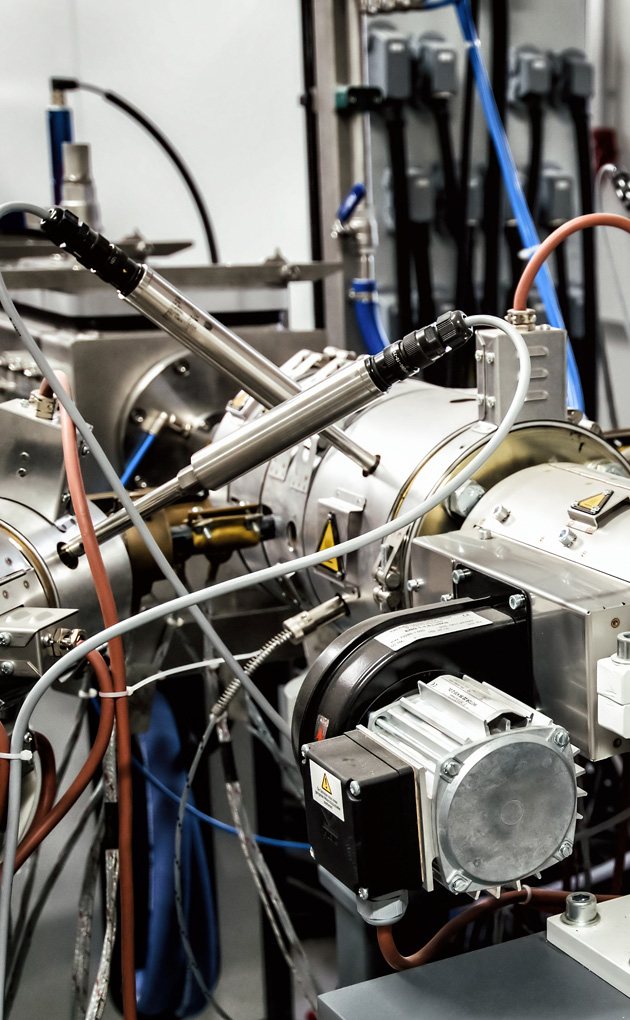
Rigid PVC is fed into the extruder and pushed through a die that gives the profile a constant cross-section along its whole length.
-
Calibration and cooling
Past the die the profile runs through a calibrator and a cooling zone – that is where the final geometry and dimension are set.
-
Cutting to length
We cut the pieces to the agreed length. In series production we match it to the cutting plan to limit waste during assembly.
-
Inspection and packing
We check the section dimension and the colour of the piece, then pack the profiles into bundles labelled with the symbol and the length.
Applications
Where our profiles work
- Bodies of refrigerated and freezer cabinets
- Leaves of solid insulated doors
- Serve-over counters and display cases
- Cold rooms and freezer rooms
- Neutral furniture and catering fit-outs
- Non-standard structures extruded to drawings
Production technologies
See how production works
Welding of magnetic gaskets for refrigeration
Gaskets and magnetic inserts
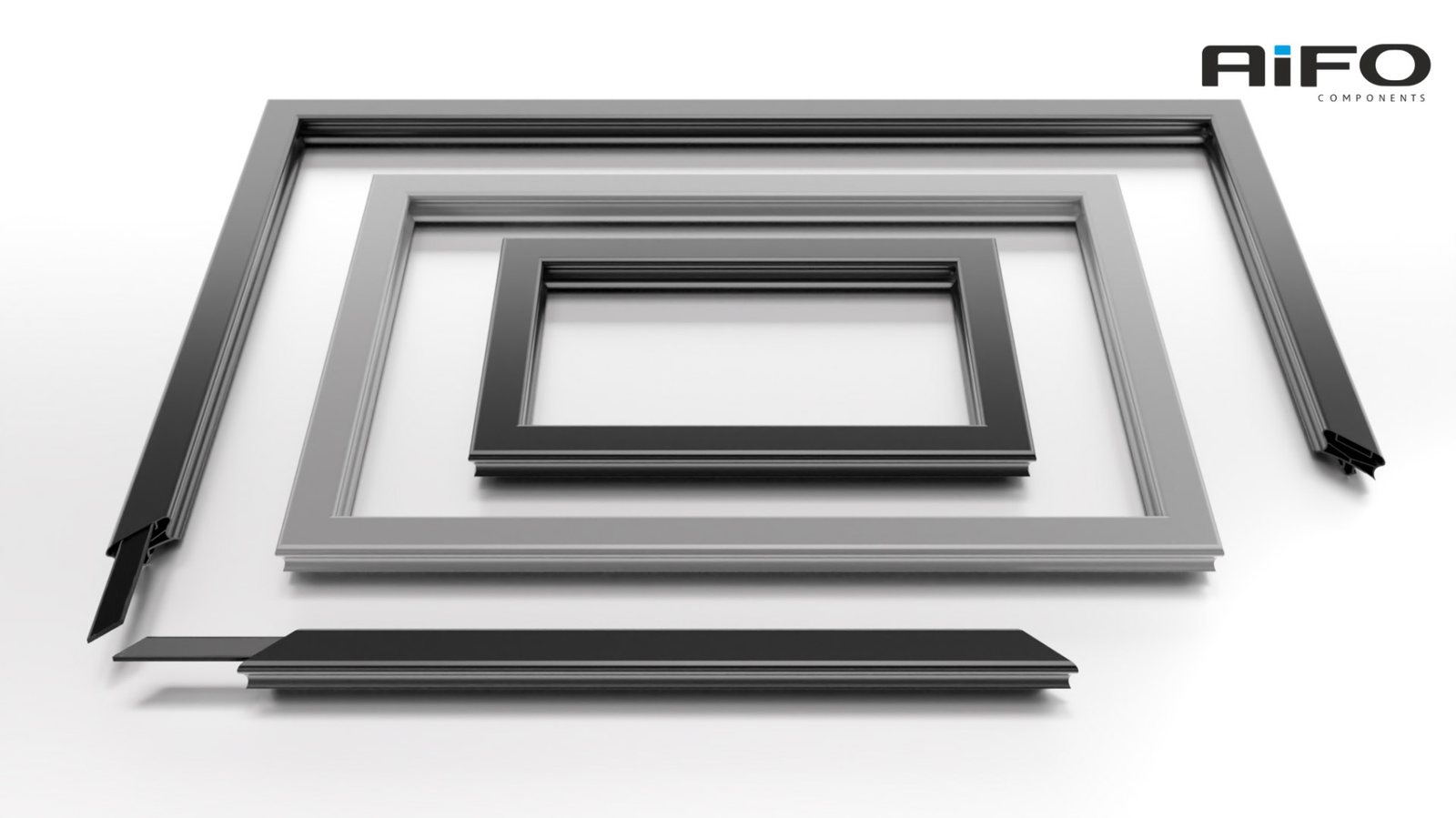
PVC profile extrusion, rigid and flexible
Extruded profiles for refrigeration
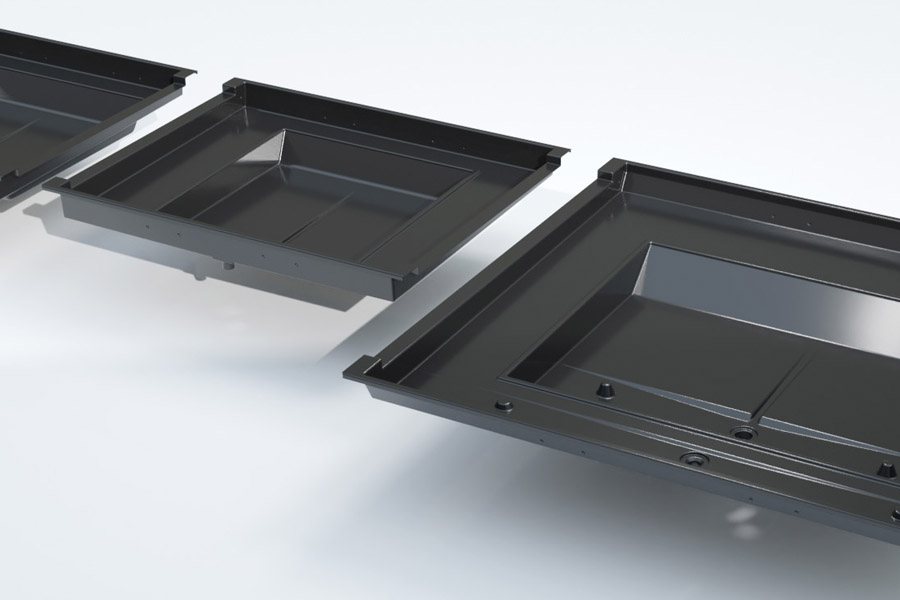
Thermoforming
Vacuum-formed parts
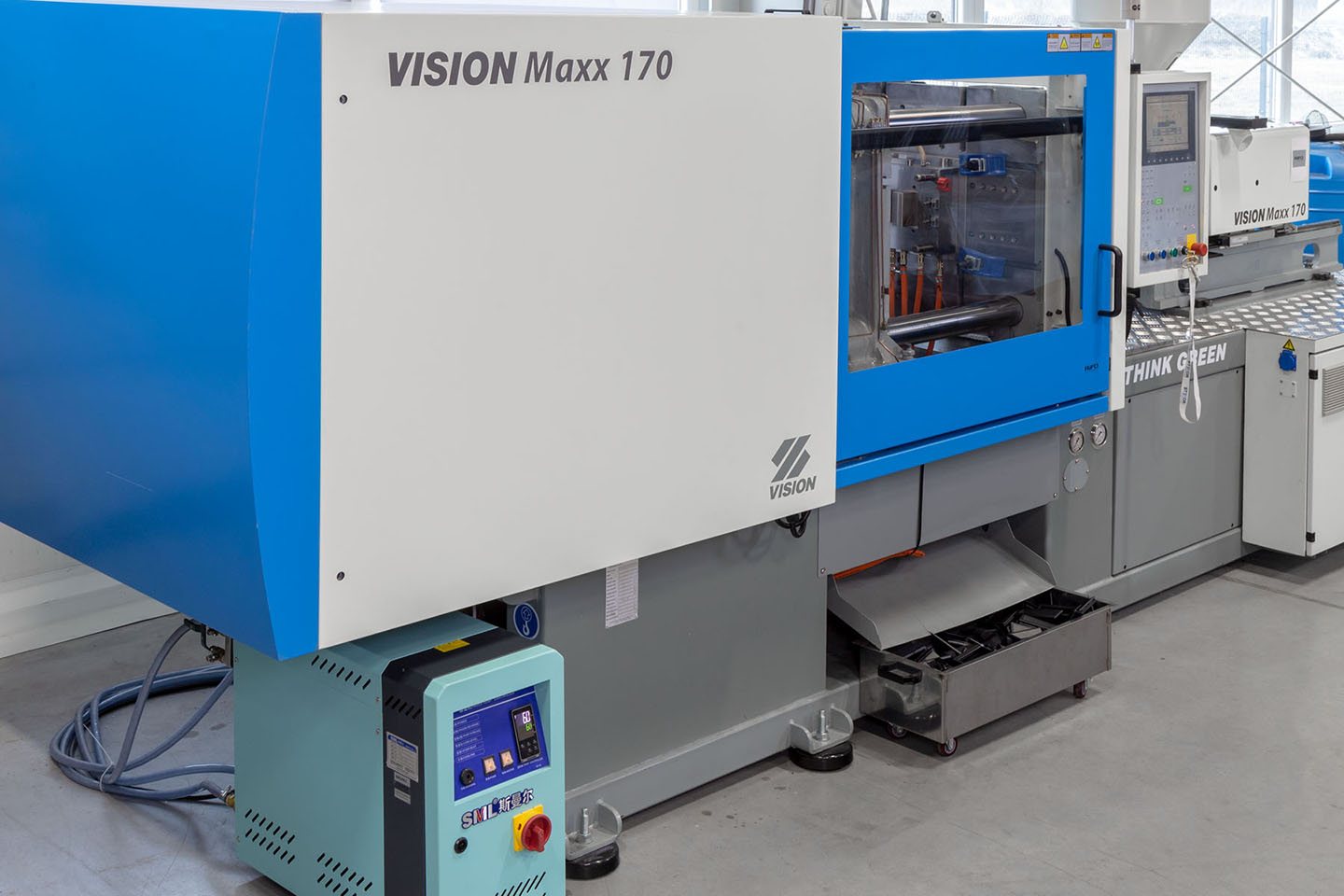
Plastics injection moulding
Moulded parts for refrigeration and HoReCa
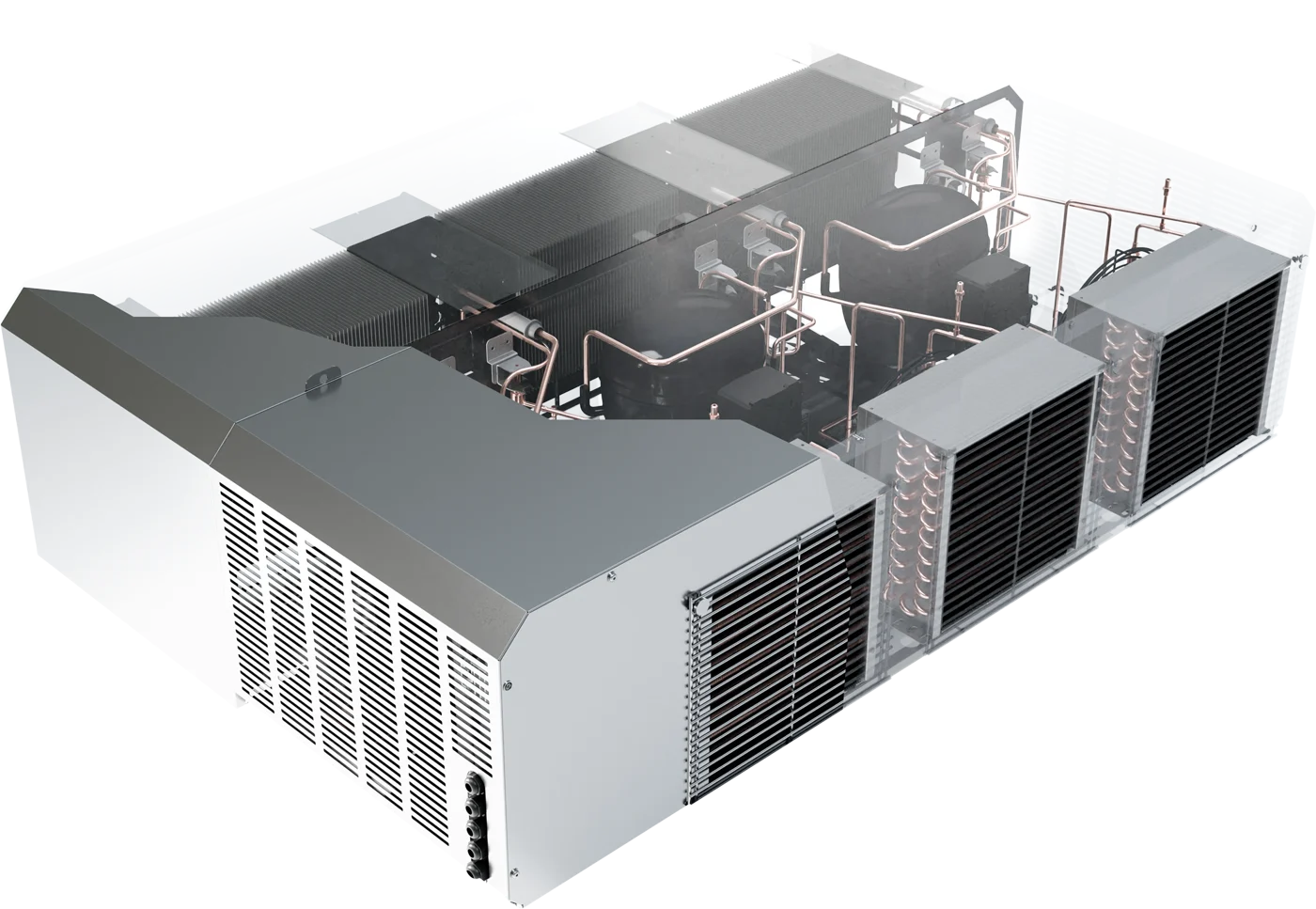
Monoblock chillers
Monoblocks and condensing units
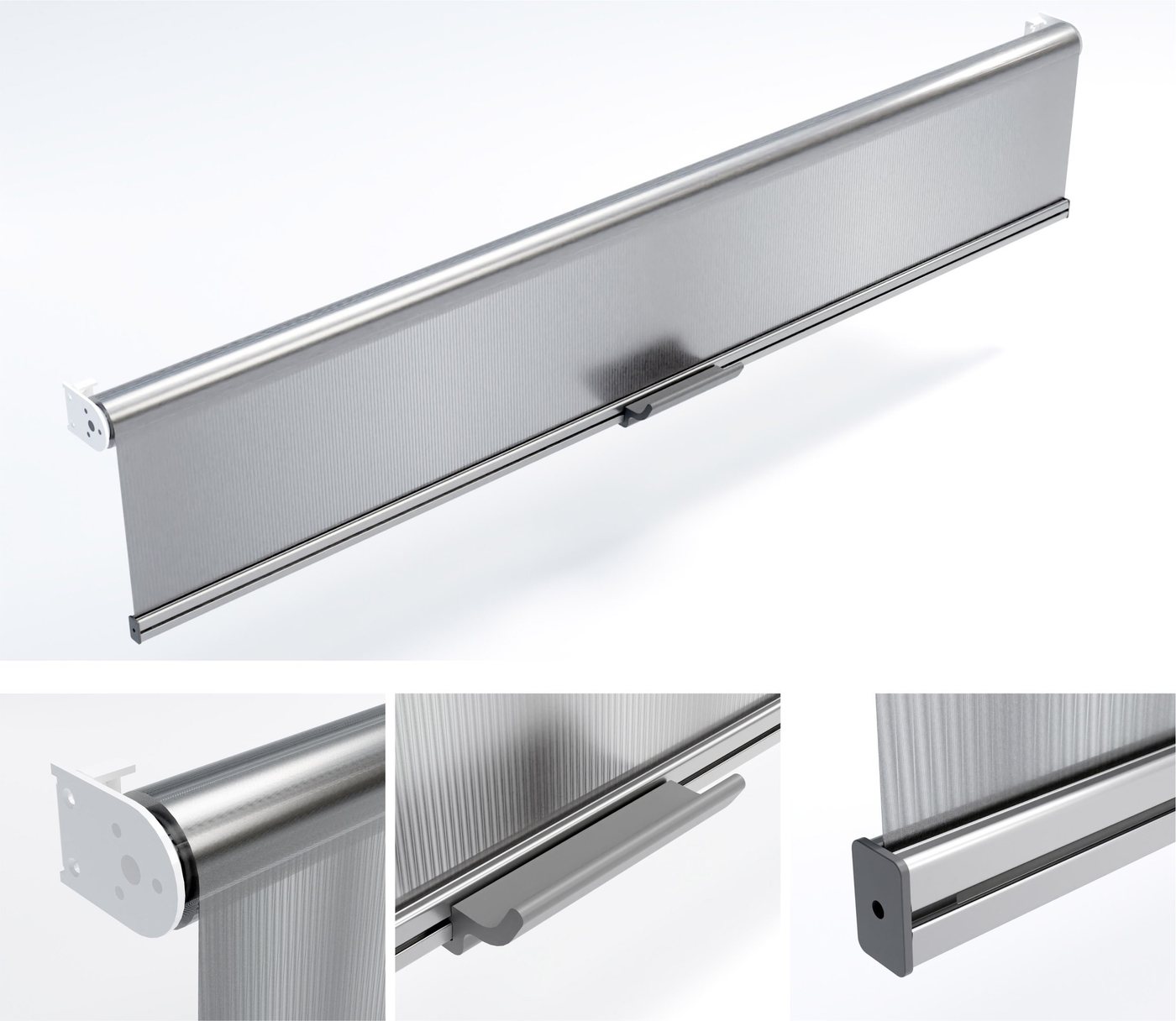
Roller blinds for refrigerated shelving
Blinds matched to the type of case
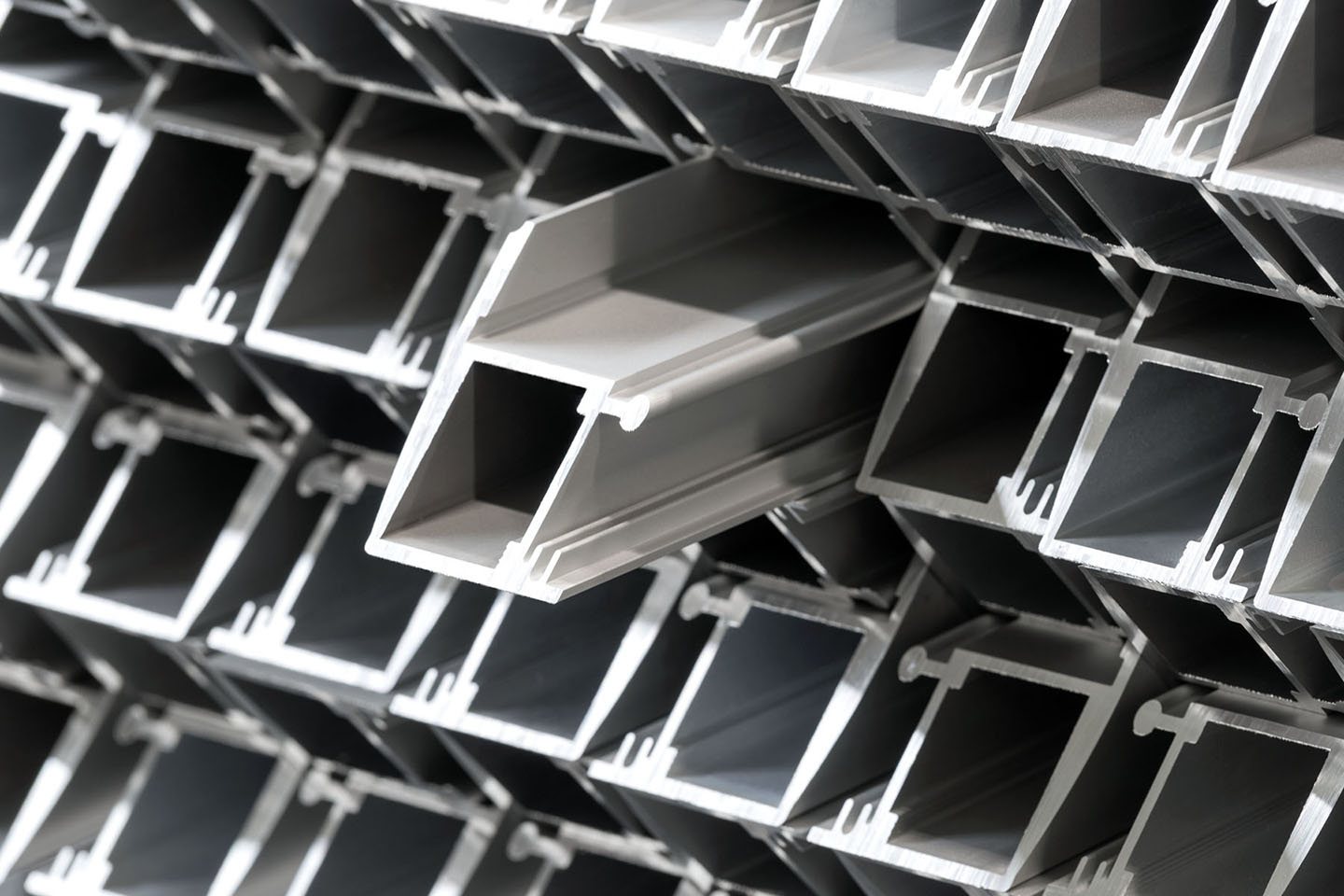
PU insulation of refrigeration furniture parts
Components with a polyurethane core
A few euros of profile per metre of edge instead of a mat under the cabinet and an energy bill higher than the design assumed.
- 34 catalogue sections – cabinet body profiles and gasket base profiles.
- Heating cable channel and magnetic insert seat in selected sections.
- Colour through the material: grey, black and white, including RAL 7005, 7035, 7040, 9005 and 9016.
- Other lengths, colours and custom sections extruded to order.
FAQ
Frequently asked questions about thermal bridges
Didn't find your answer? Send us the cabinet cross-section – we will point to the bridge and select the profile.
Ask a questionHow do I know it is a thermal bridge and not humidity in the room?
A bridge produces condensation in a repeatable spot – on an edge, a corner or around the door perimeter, always in the same place, regardless of the weather. Room humidity settles evenly over the whole cold surface. If water collects along one line, it is worth checking whether metal crosses from the cold side to the warm one in that section.
What is the difference between a body profile and a gasket base profile?
They are two different geometries and do not replace each other. The body profile works in the cabinet structure – it holds the skin and the insulation. The gasket base profile is seated in the door leaf and guides the magnetic gasket, closing the edge together with it.
Why does a profile need a heating cable channel?
Where the door edge or the opening perimeter works at low temperature, the profile alone may not keep the surface above the dew point. The channel allows a heating cable to run inside the profile – single in some sections, double in others, next to the magnetic insert seat.
What colours are the profiles available in?
Grey, black and white as standard, including RAL 7005, 7035, 7040, 9005 and 9016. The colour is matched to the skin, because the profile stays visible on the edge of the cabinet. Other colours are made to order.
Do you extrude profiles to the customer's own drawing?
Yes. If none of the catalogue sections suits the structure, we design the tooling and extrude a profile for the specific appliance. For a quote we need a section drawing or a sample, the colour, and the planned cut length and volume.
What lengths do you supply?
The profiles are extruded in fixed lengths – the catalogue lists 2 m, 2.20 m, 4.60 m and 6 m among others. In series production it pays to calculate the cutting plan and agree the length against it, because that is what decides the waste at assembly.
Discuss your project
We will select the profile for your structure
Tell us the cabinet design and the length you need – we will reply with a selection and a quote.
Get in touch
We usually reply within 24 working hours.