Choosing a heater by power alone? PTC, tubular and crankcase heaters
2 min read
PTC, tubular, crankcase – each heater has different requirements. See what to look out for when selecting them, because power alone is not enough.
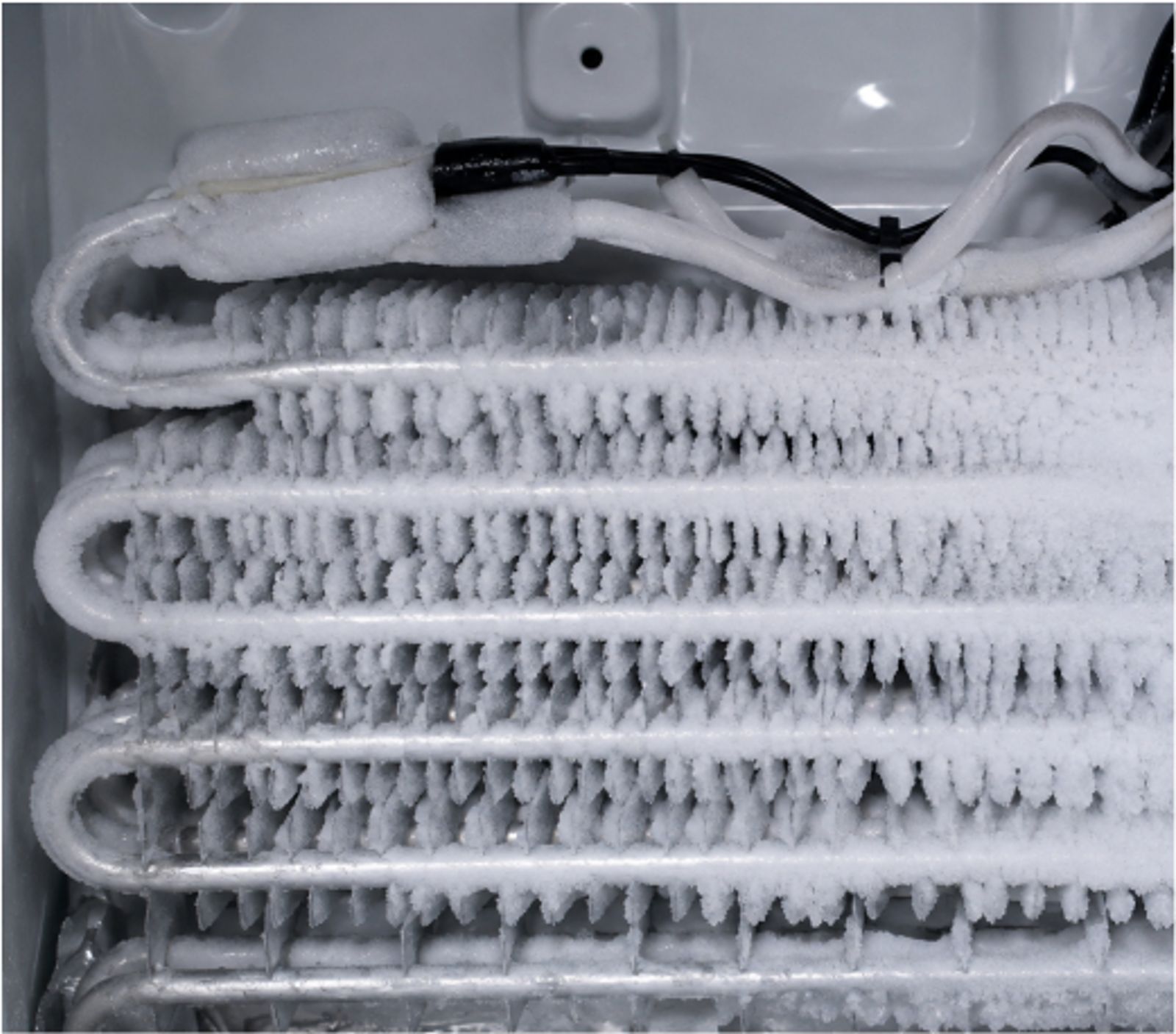
Incomplete defrosting, problems with condensate evaporation or unsuitable compressor operating conditions – the cause may lie in the design stage. One of them can be a heating element that does not match the application.
The heater heats, but does it do so effectively?
Heater selection is not just a question of power. The following also matter:
location and method of mounting,
geometry of the element,
method of heat transfer,
material,
operating conditions,
control method.
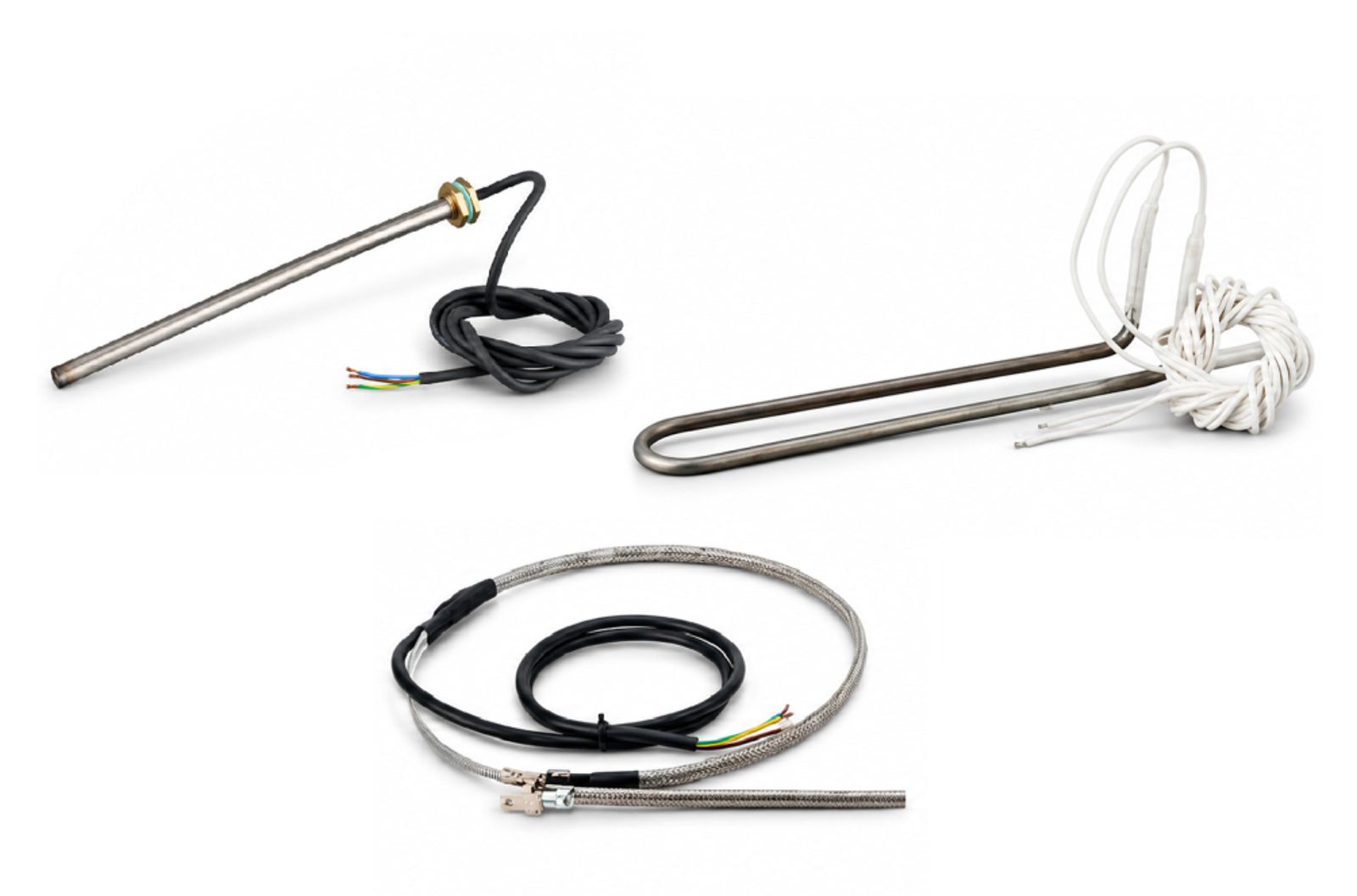
Each type of heater – PTC, tubular and crankcase – places different requirements on the designer.
PTC heaters – self-regulation is no substitute for correct selection
A PTC heater automatically adjusts its power depending on temperature. Proper selection for the operating conditions ensures effective condensate evaporation – self-regulation, however, is no substitute for matching it to the amount of condensate and the design of the tray.
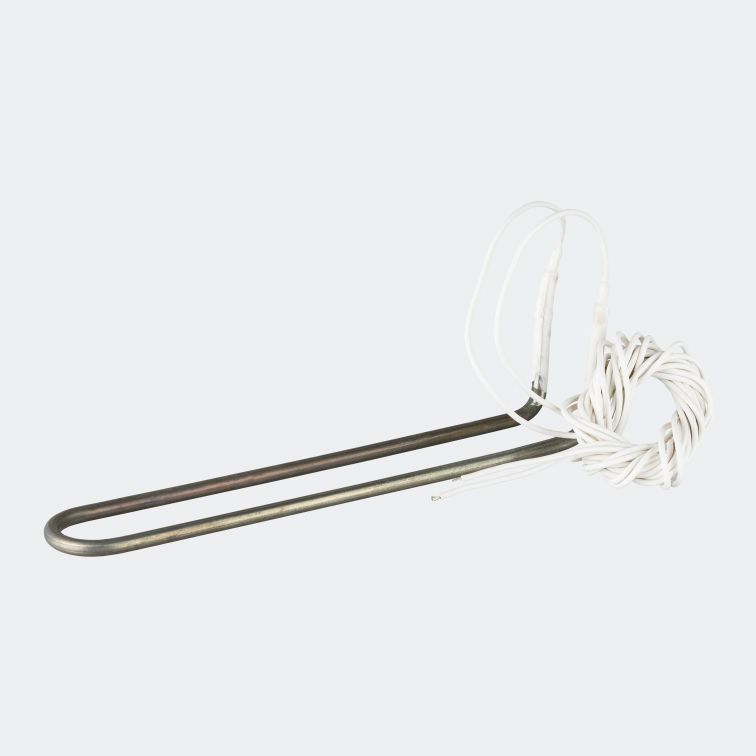
Tubular heaters – defrosting is not just a matter of watts
With a tubular heater, what counts is not only the amount of heat supplied, but also where and how it is transferred. That is why the geometry of the heater should follow from the design and the function it is to perform.
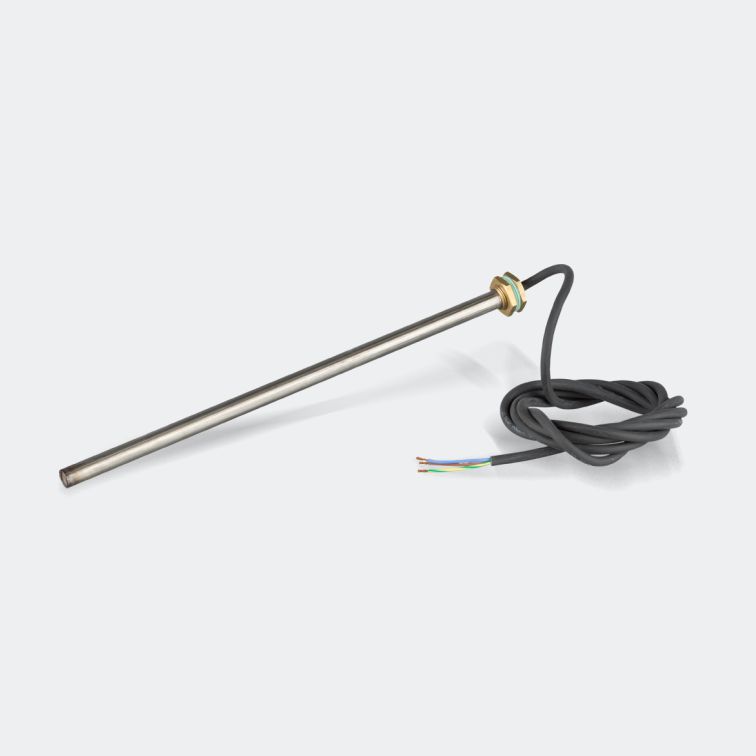
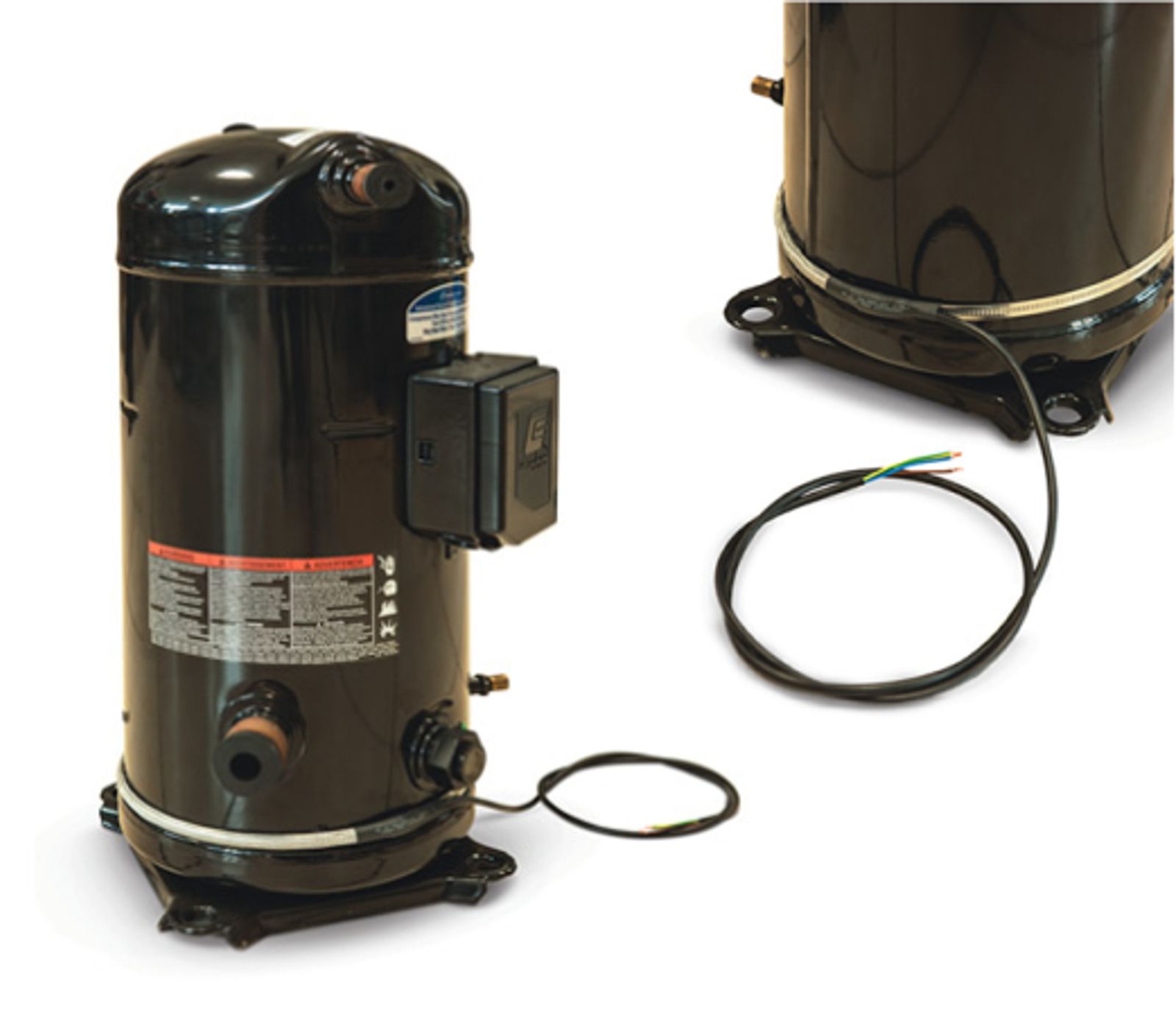
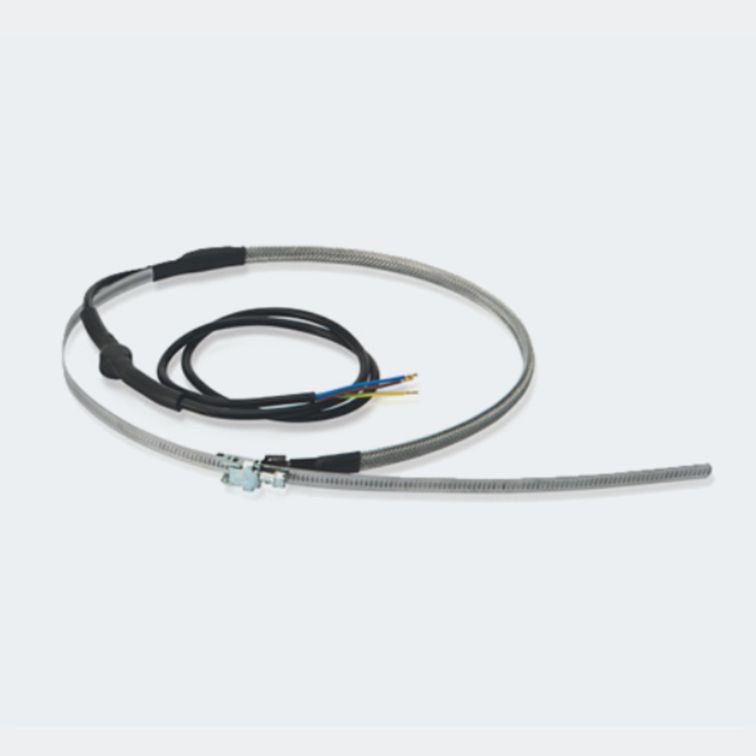
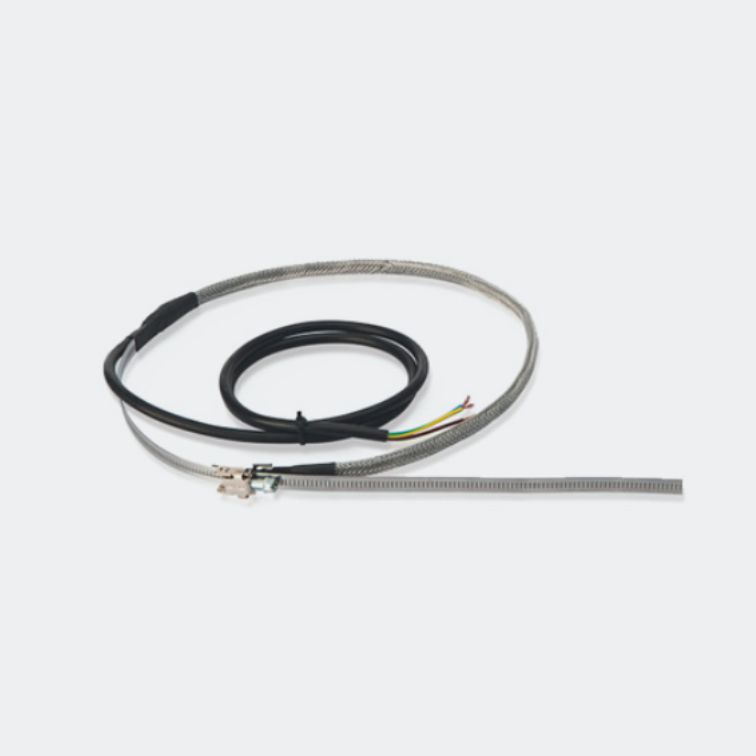
Crankcase heaters – the compressor is idle, but processes in the system need not be
While the unit is idle, refrigerant can migrate to the compressor. A properly selected crankcase heater helps limit this phenomenon and protect the compressor from damage.
Incorrect heater selection can affect not only how well it works, but also the reliability and safety of the entire unit. Depending on the application, it can lead to:
ineffective defrosting,
local overheating of components,
insufficient compressor protection.
A good heater starts with a good design
Power is only one of the parameters. Designing refrigerated cabinets? At AiFO Components we will help you select a heater that meets the requirements of your design and operating conditions.