
Handles for refrigerated cabinets and catering appliances
The handle is the part of an appliance that is used most often, taking daily washing and tugging, and a knob additionally transmits torque to the spindle of a valve or a thermostat. We match them to the hole centres, the fixing method and a material that stands up to the chemicals used in a kitchen. The technical data give the mounting hole, the material and the colour, and over 100 items from stock make it possible to fit a handle to an existing front without drilling new holes.
106 products
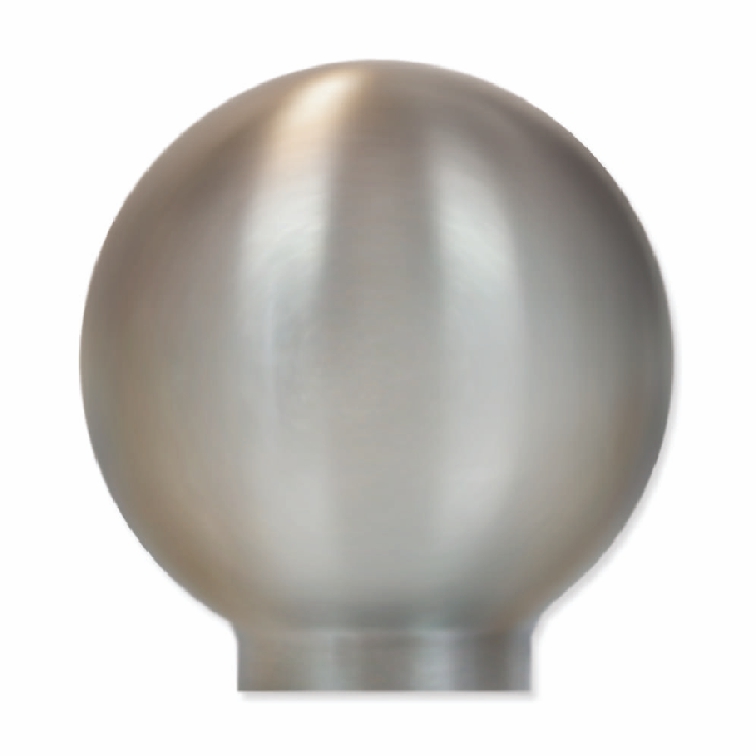
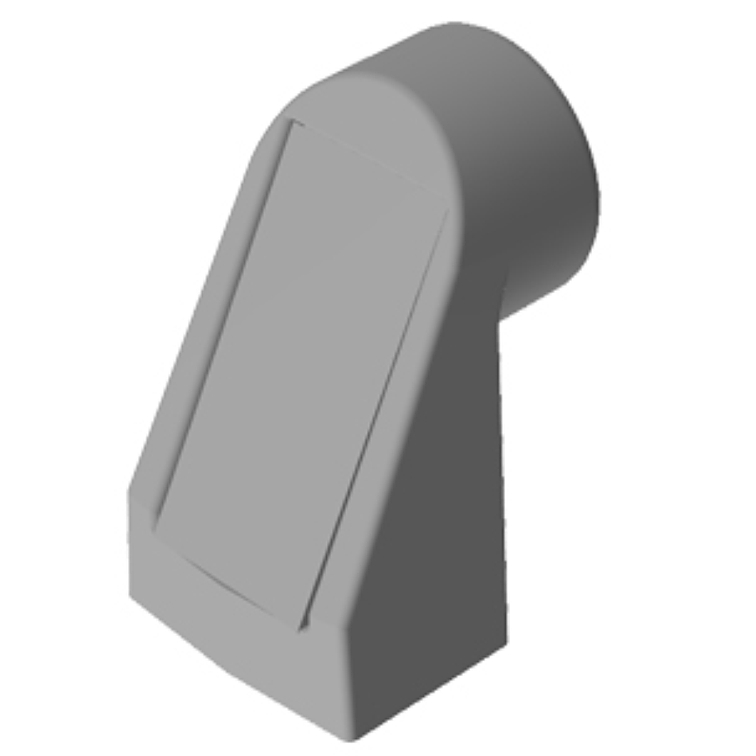
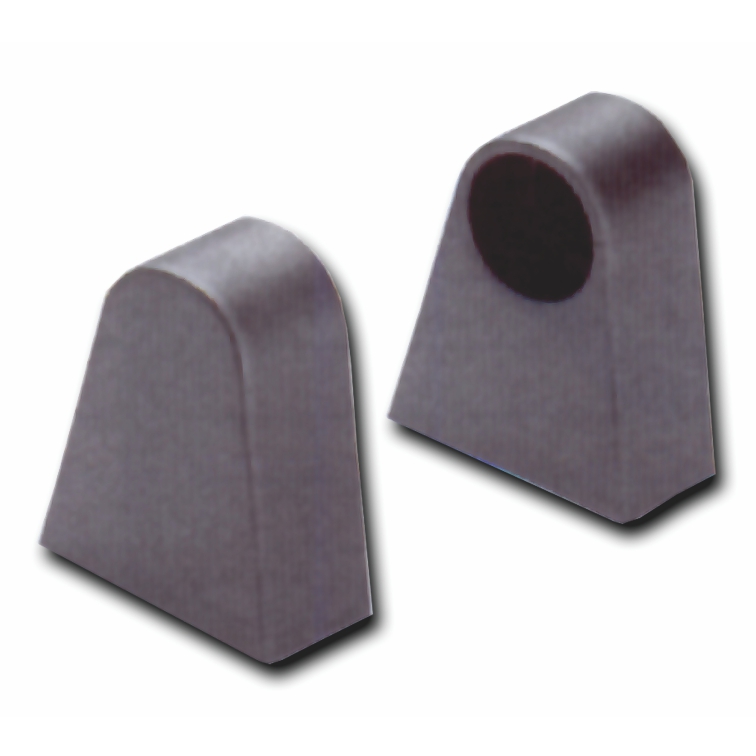
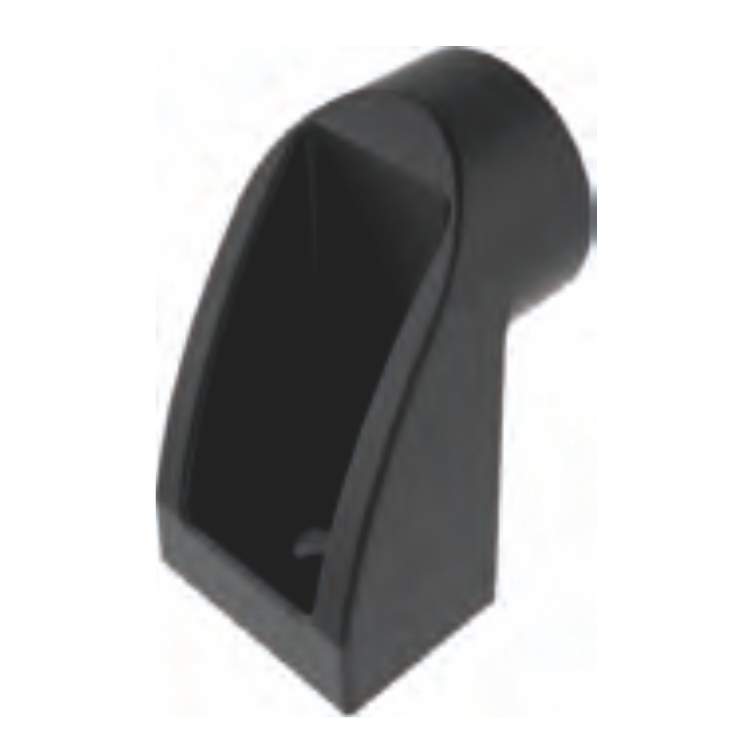
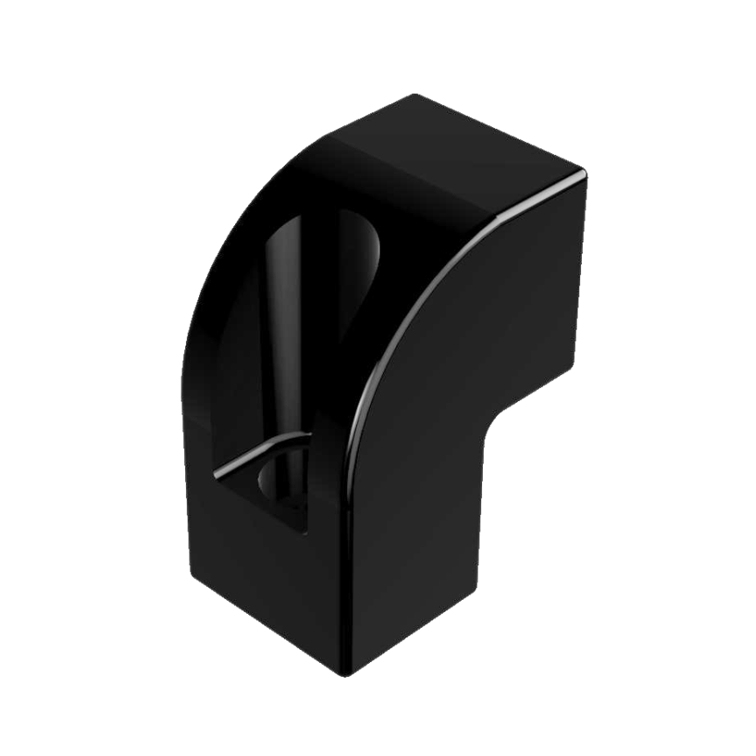
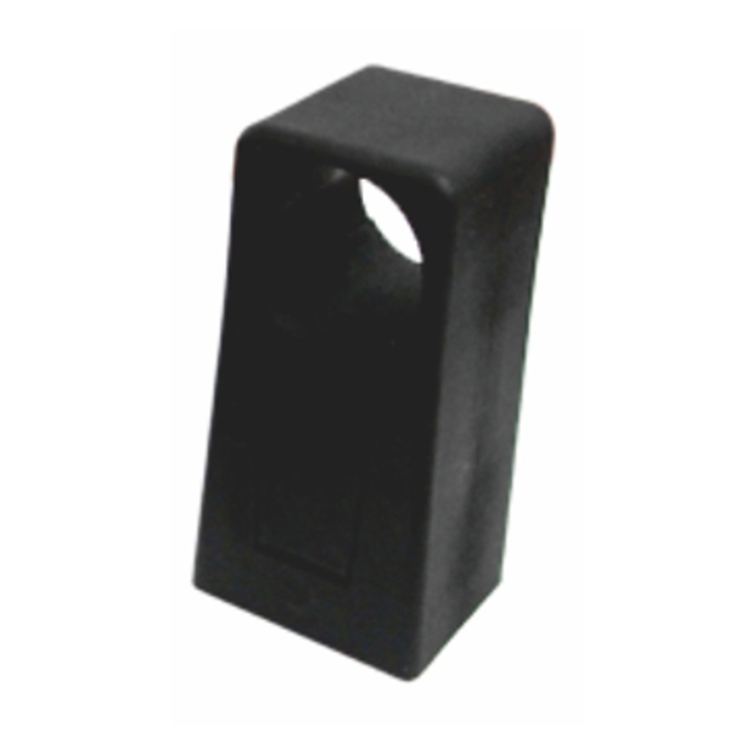
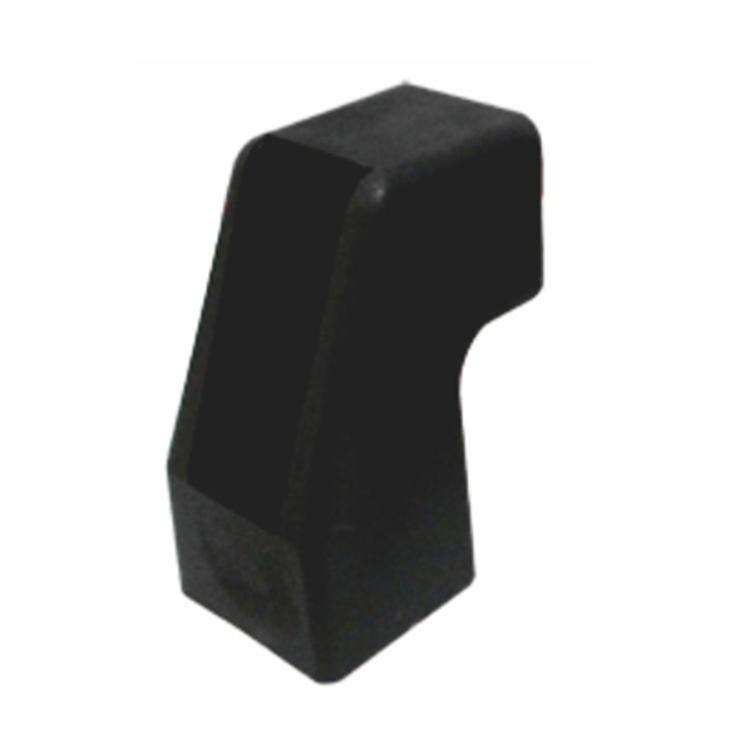
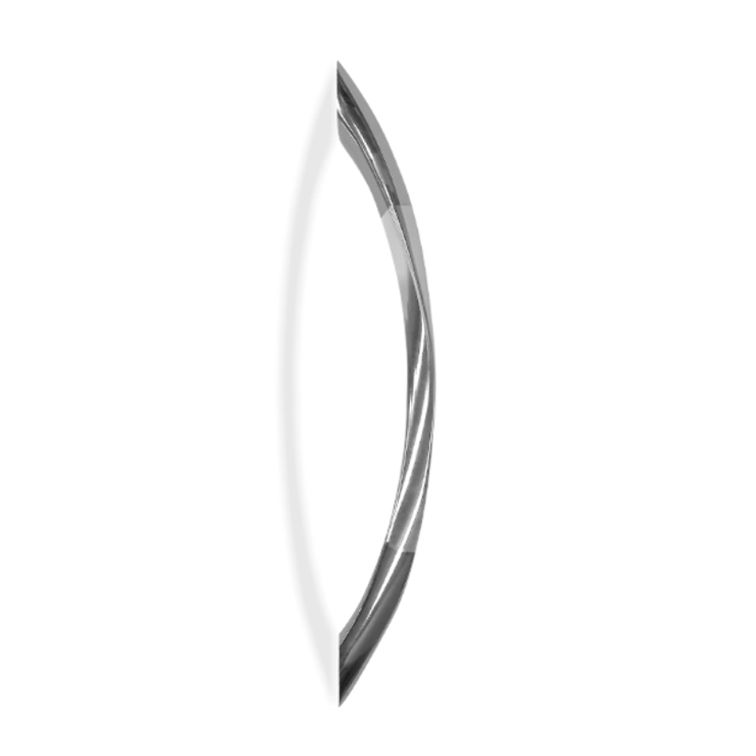
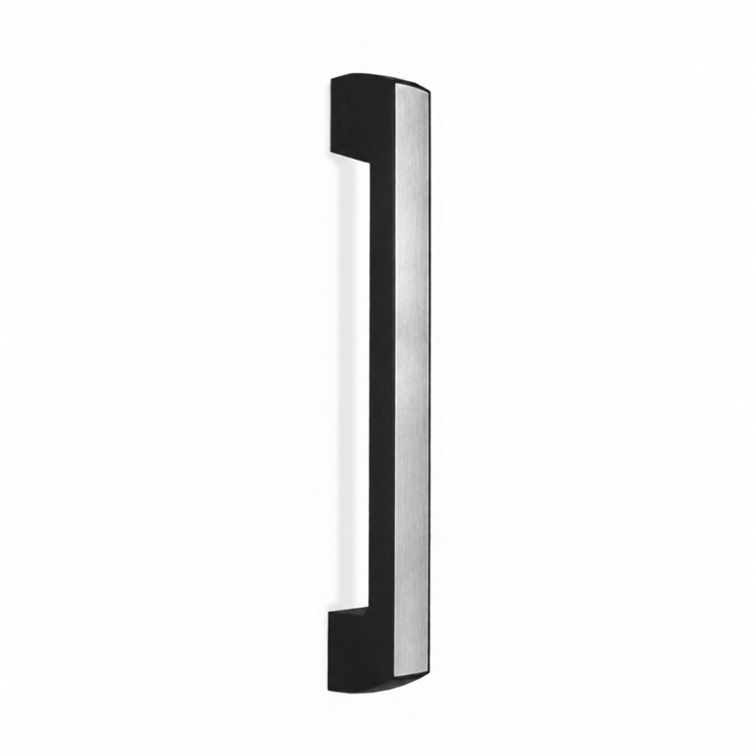
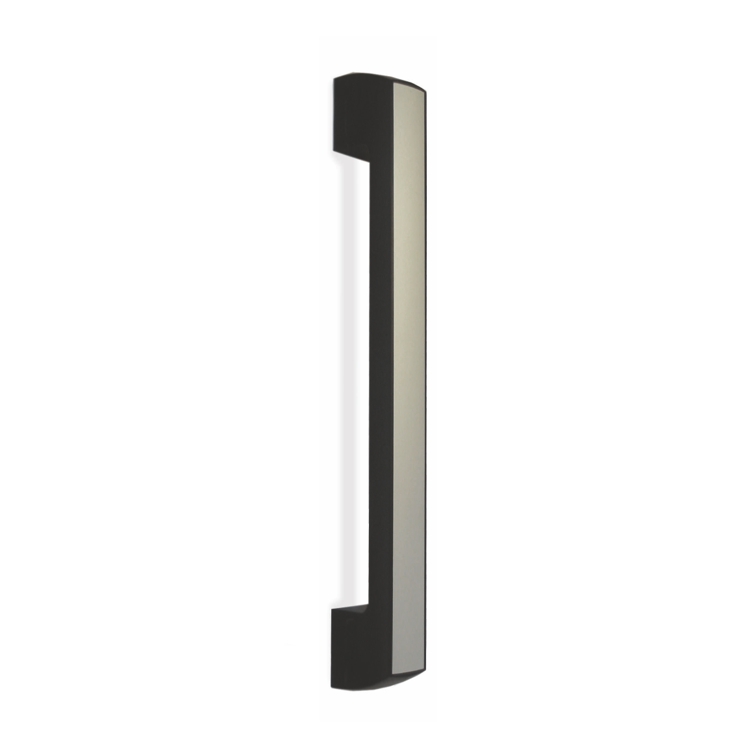
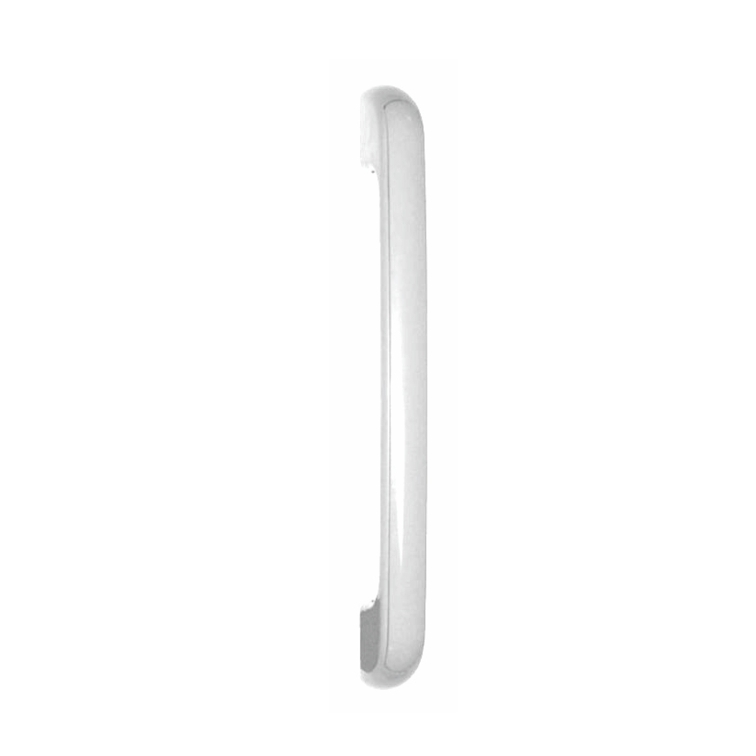
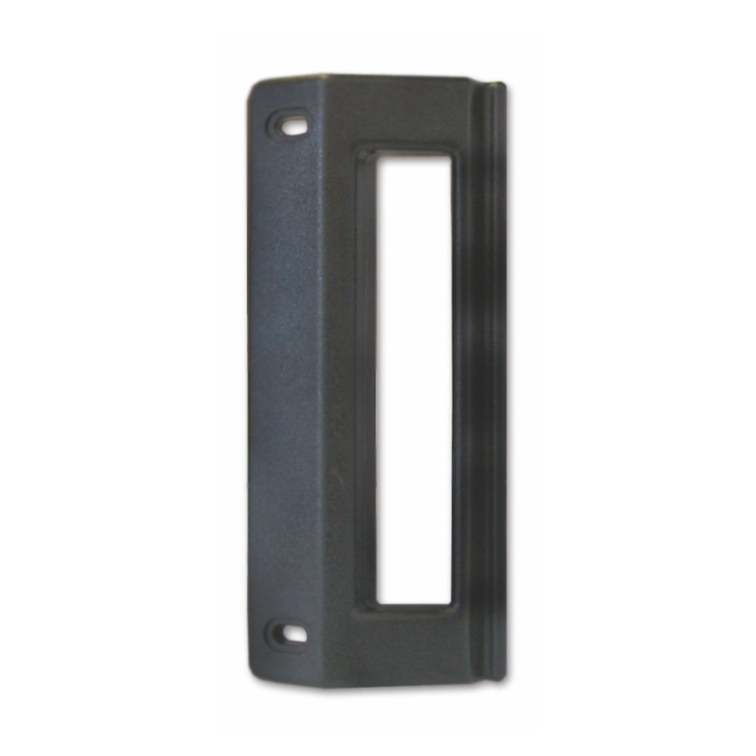
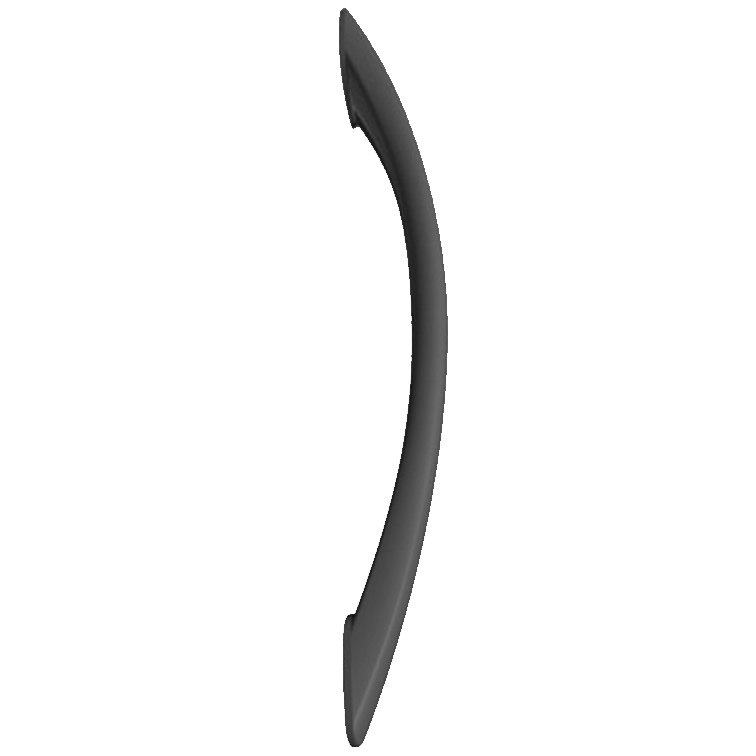
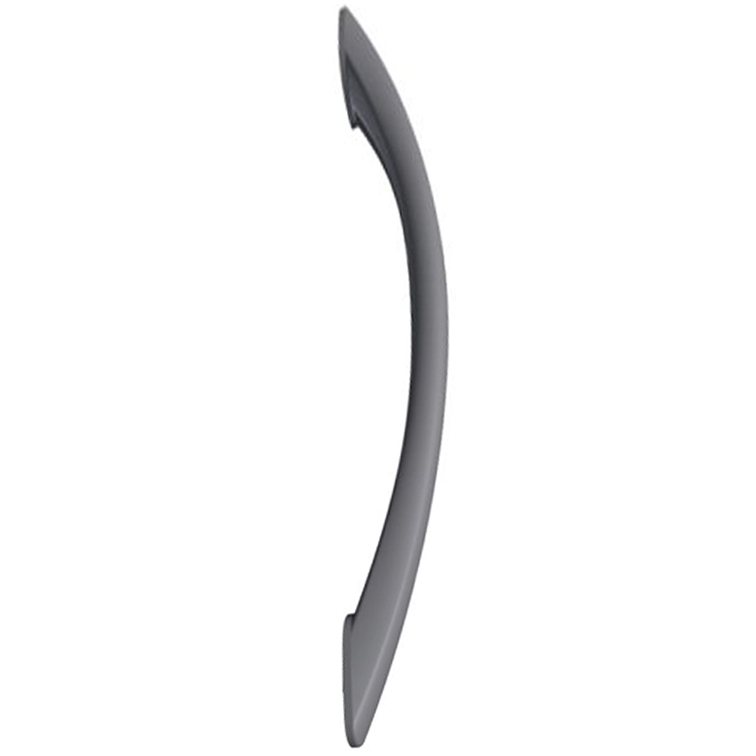
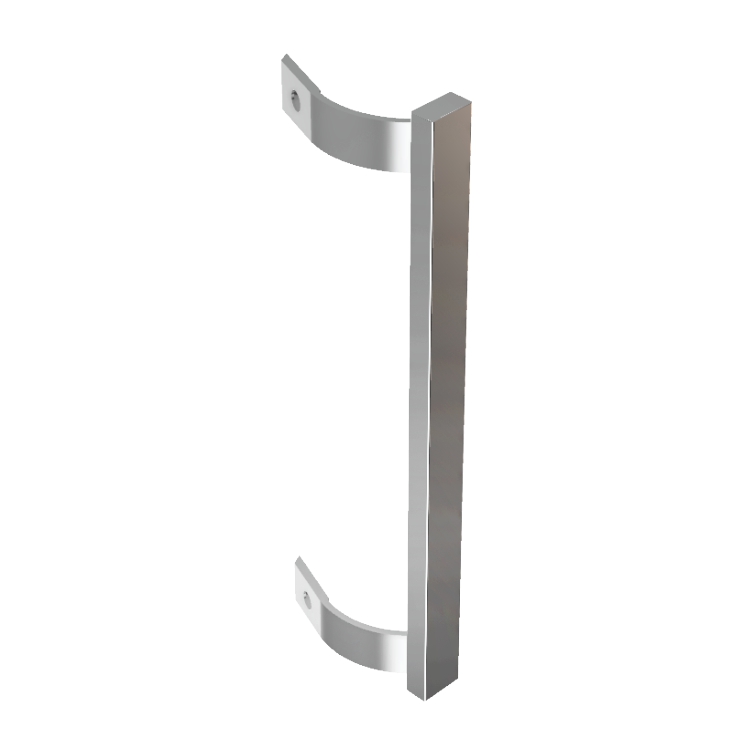
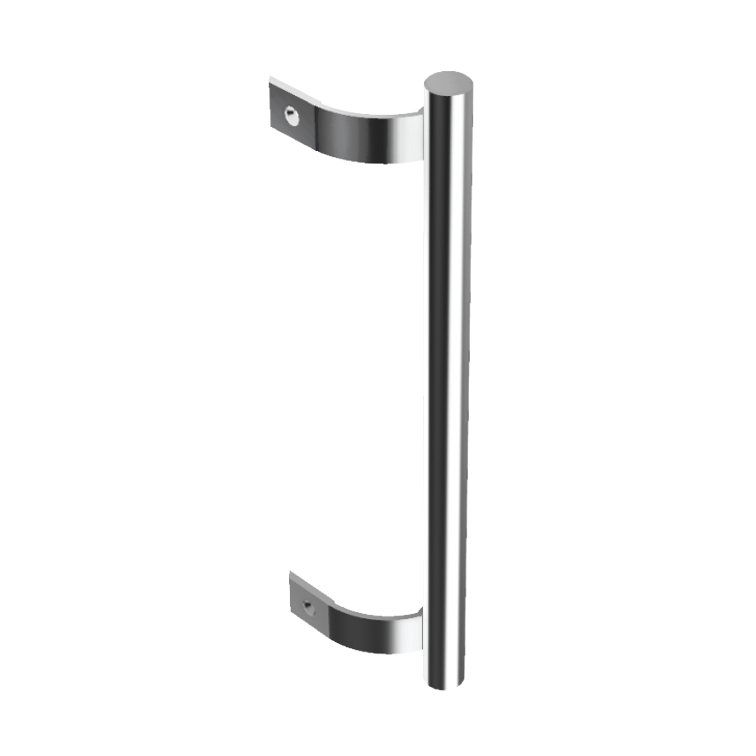
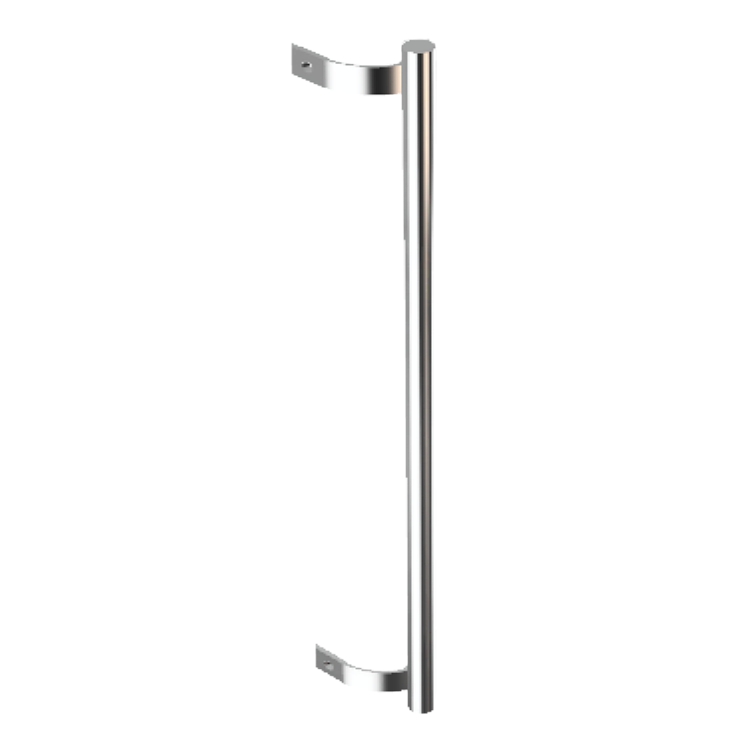
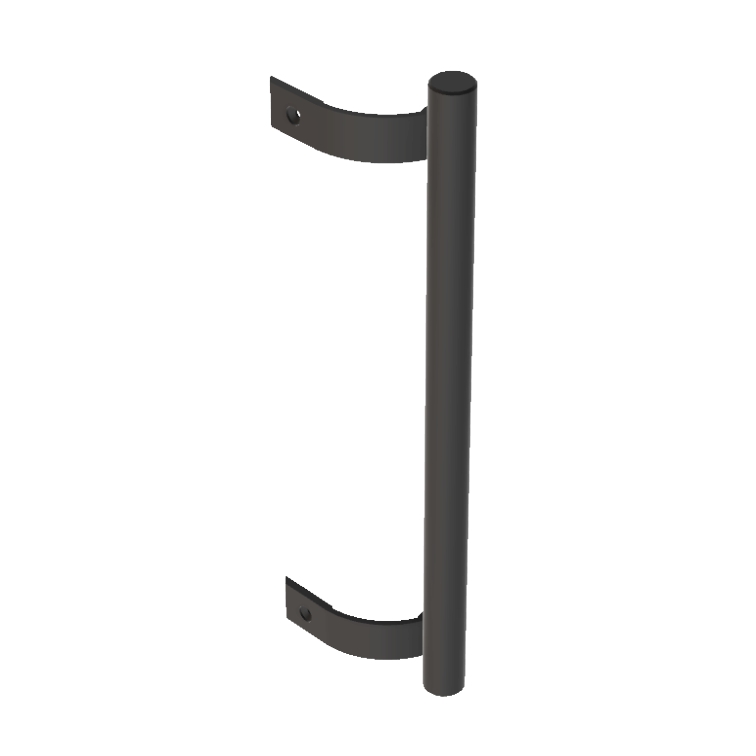
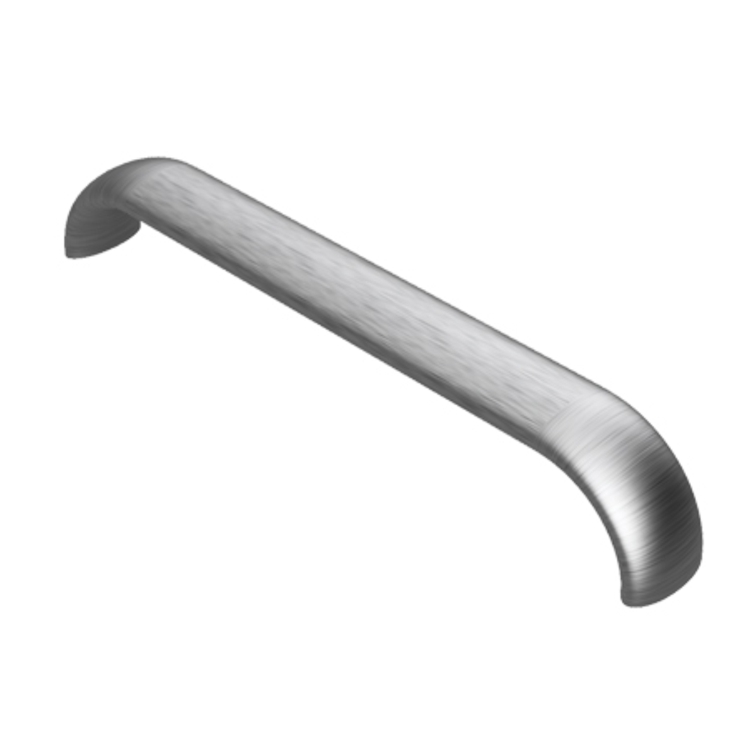
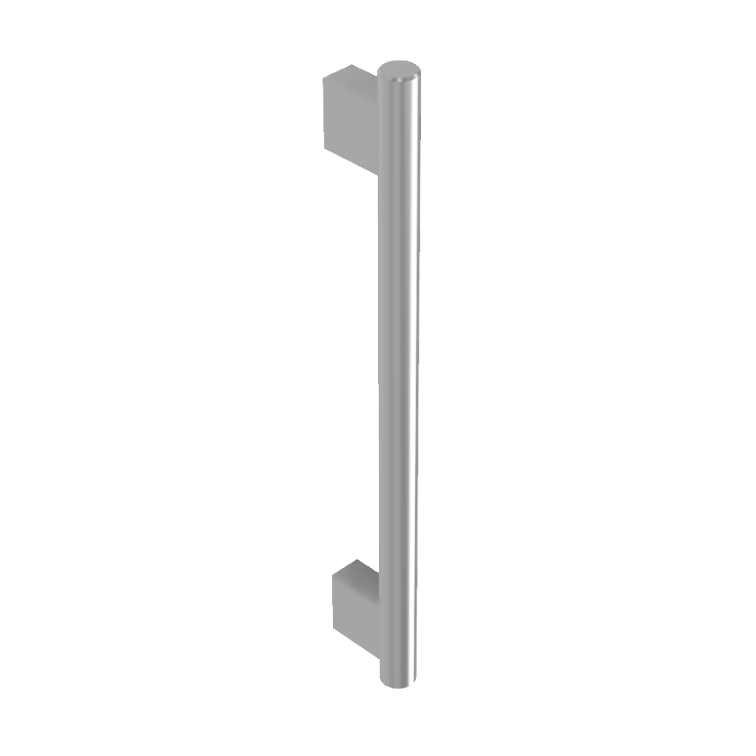
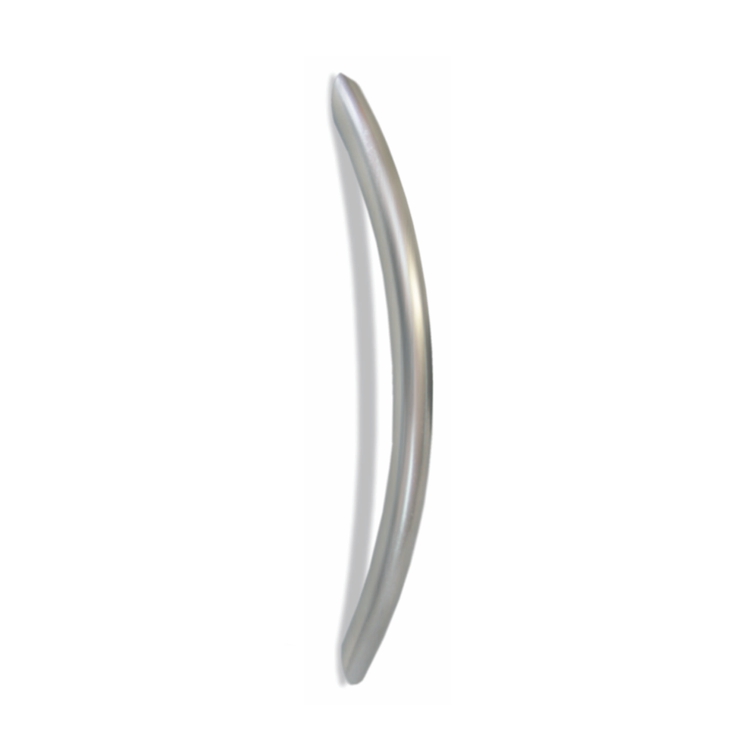
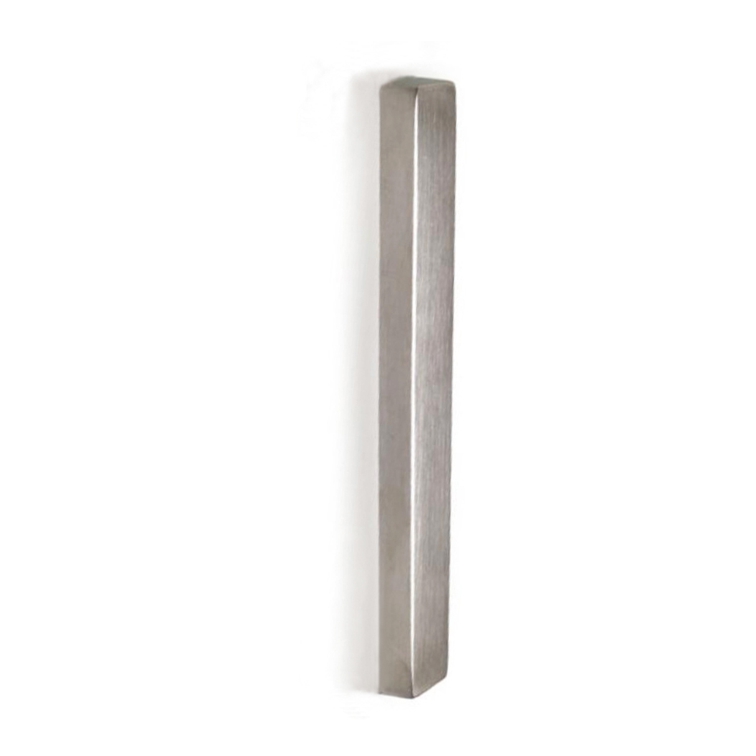
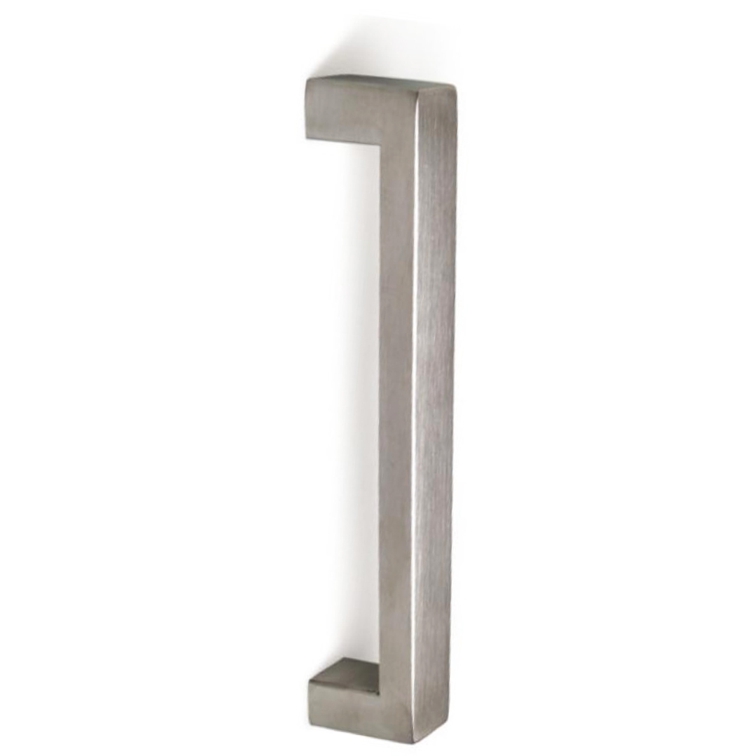
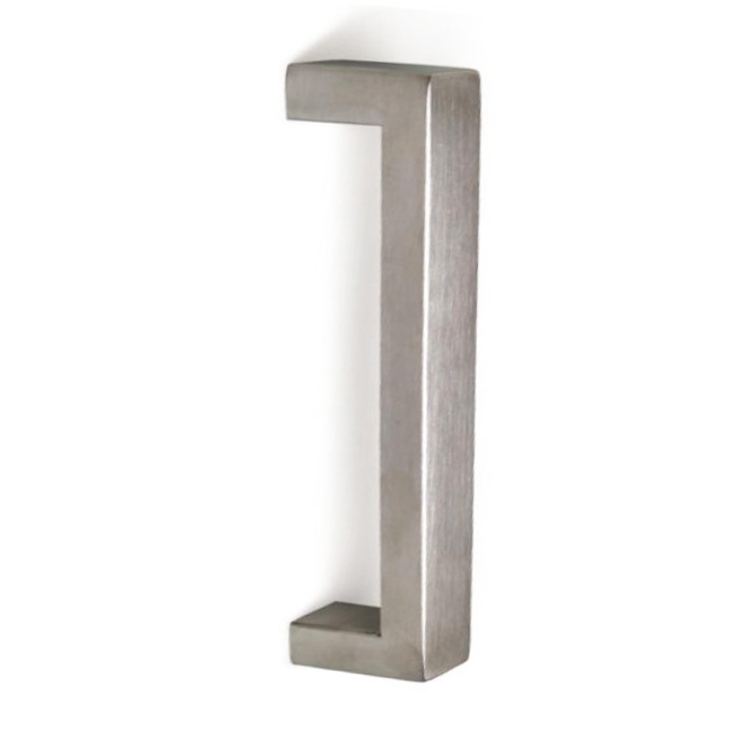
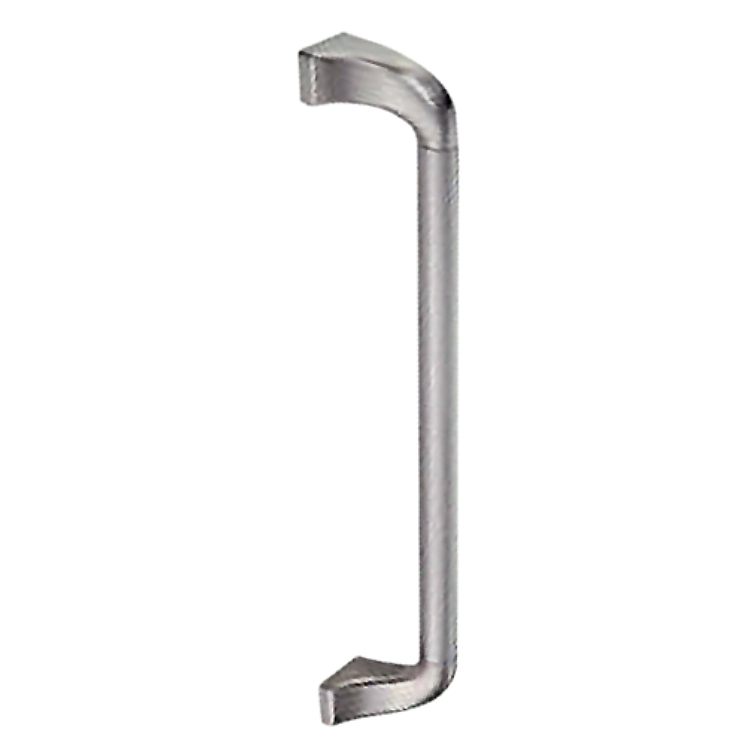
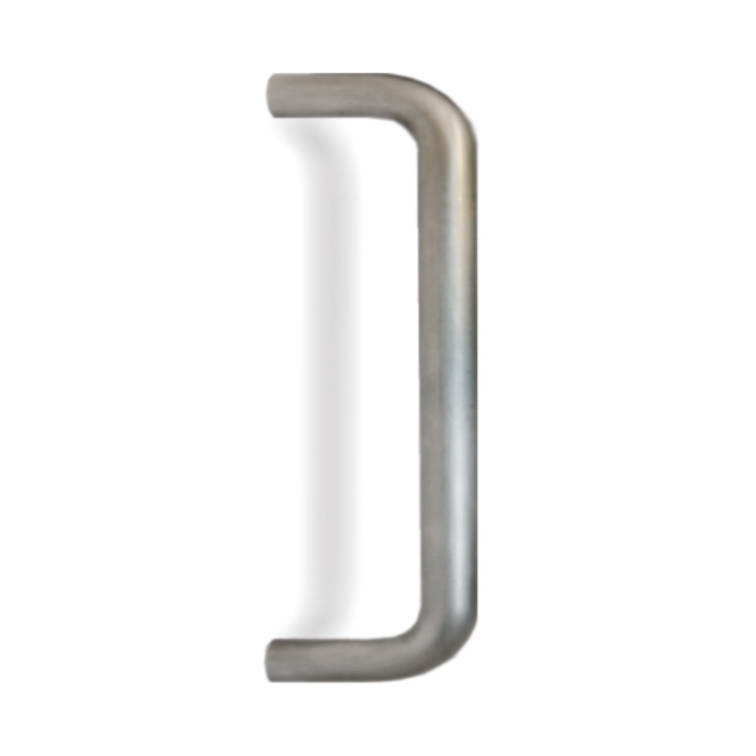
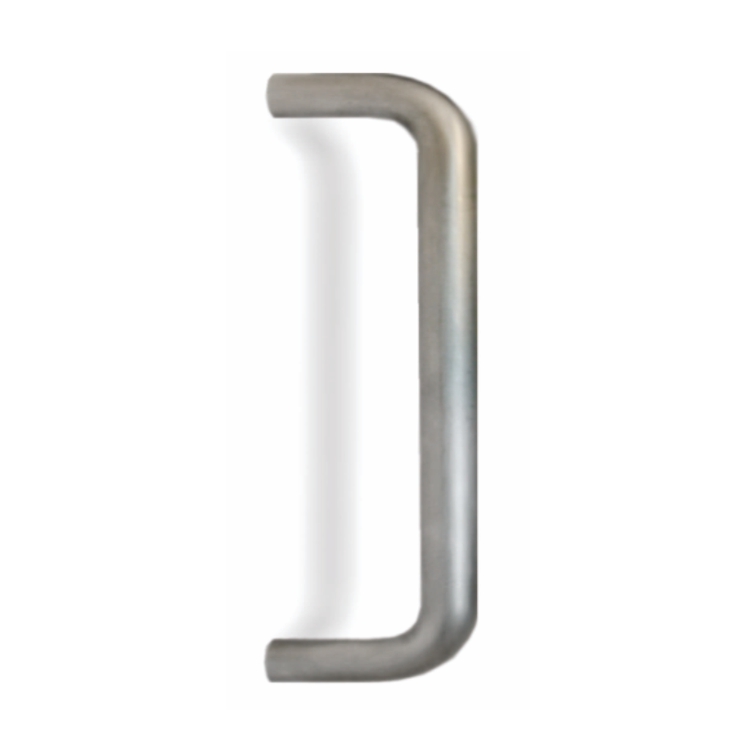
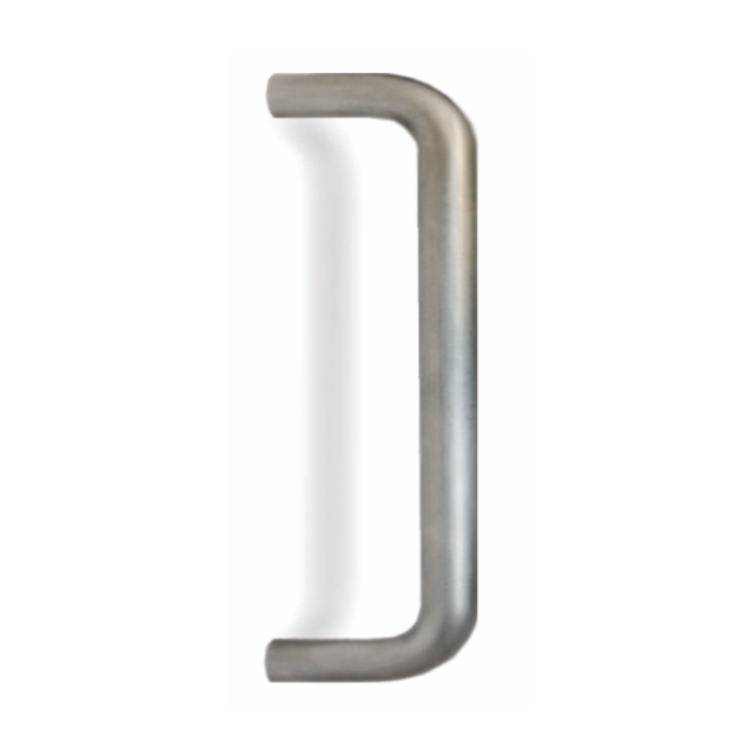
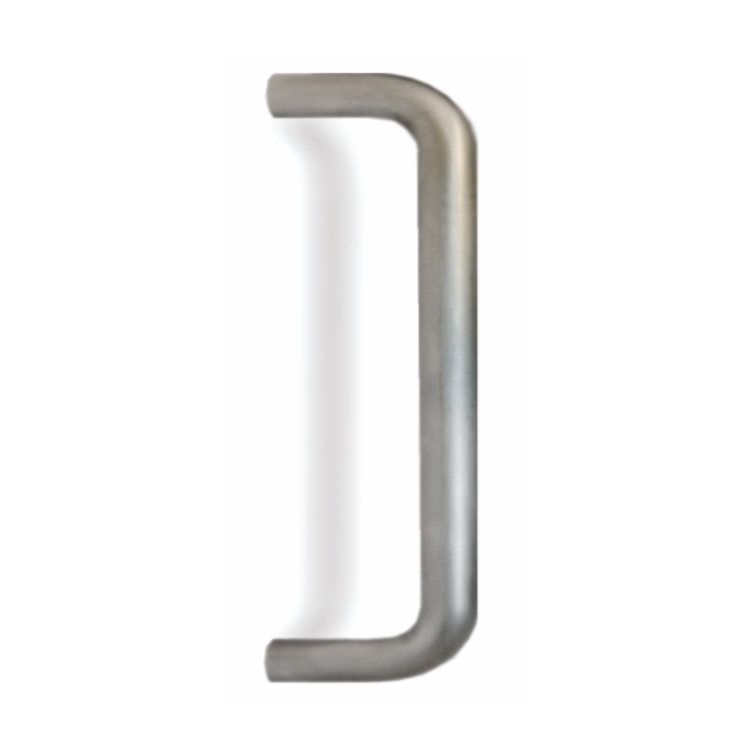
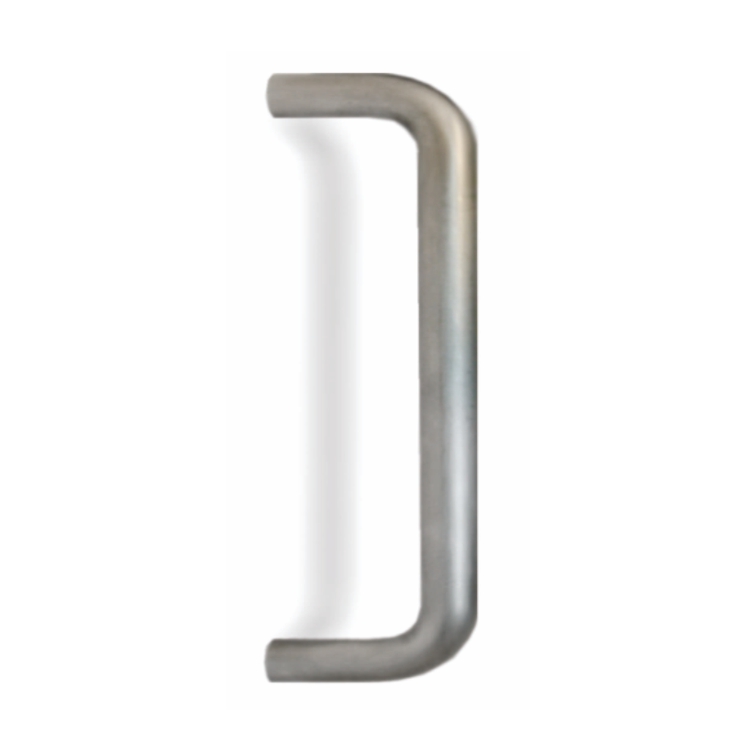
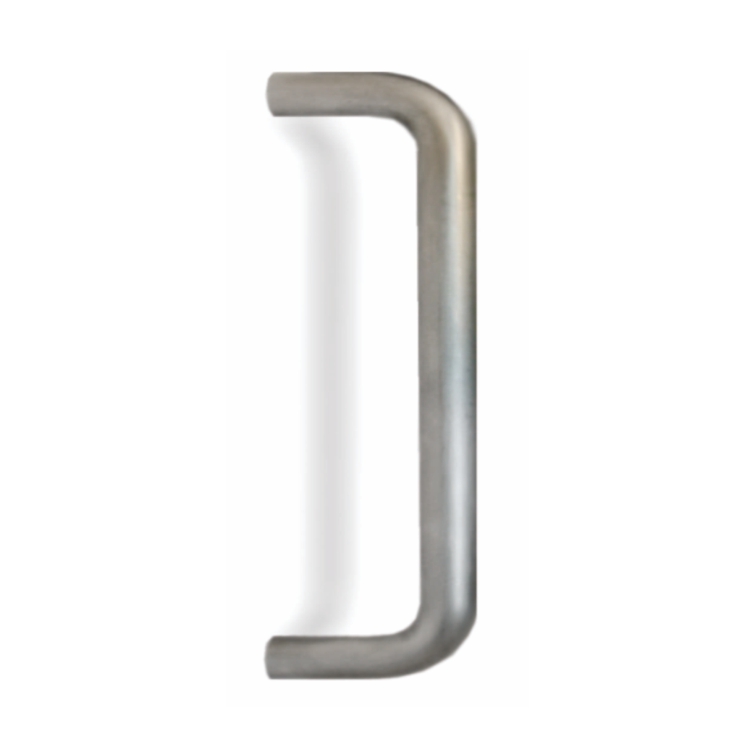
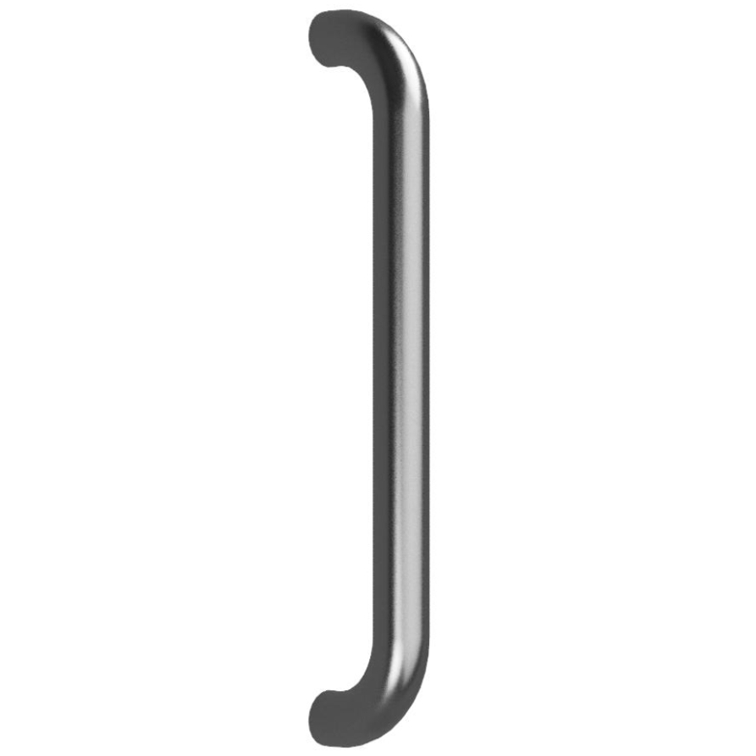
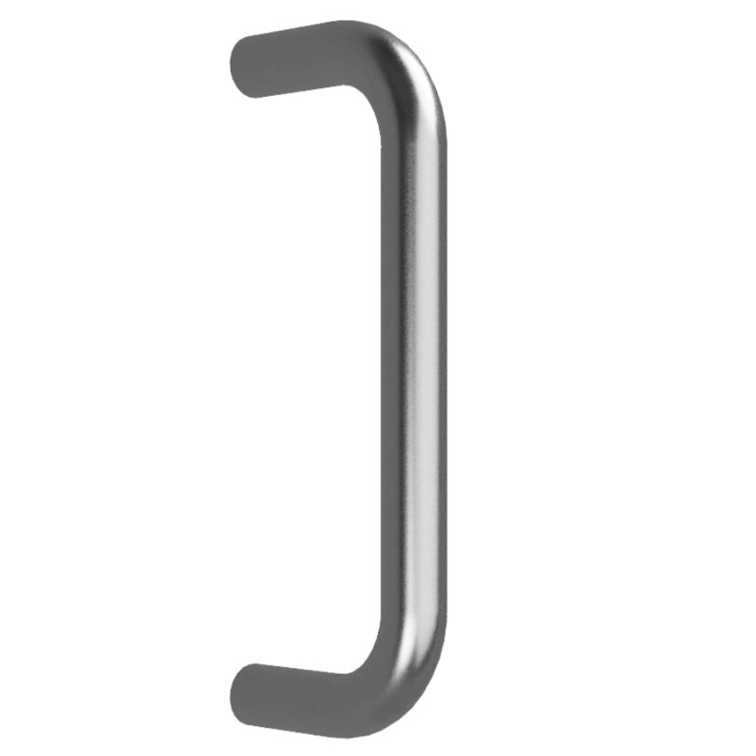
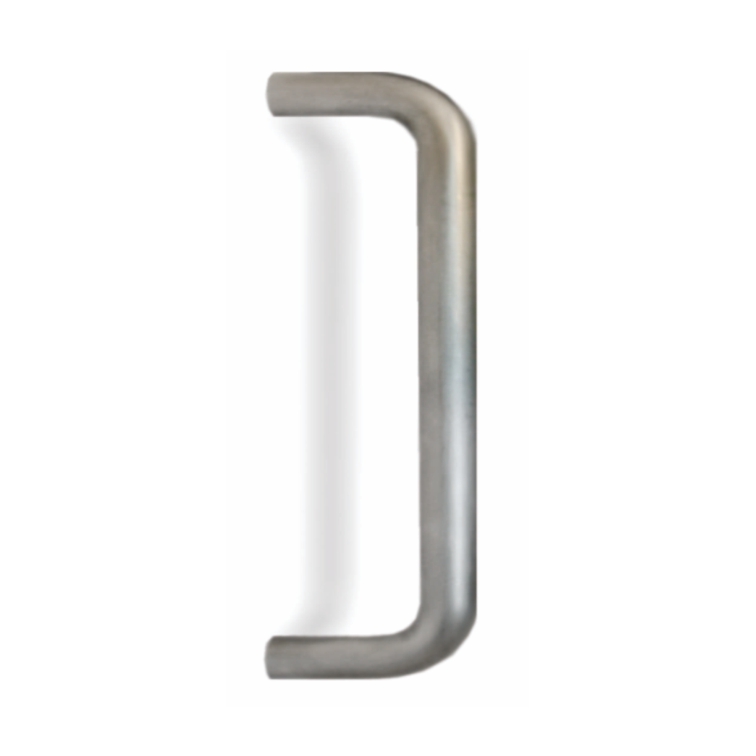
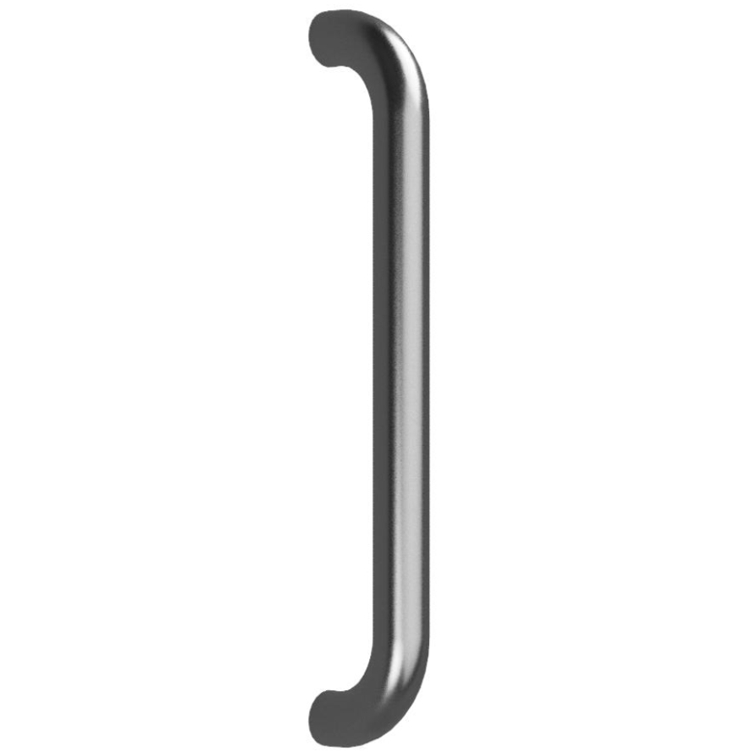
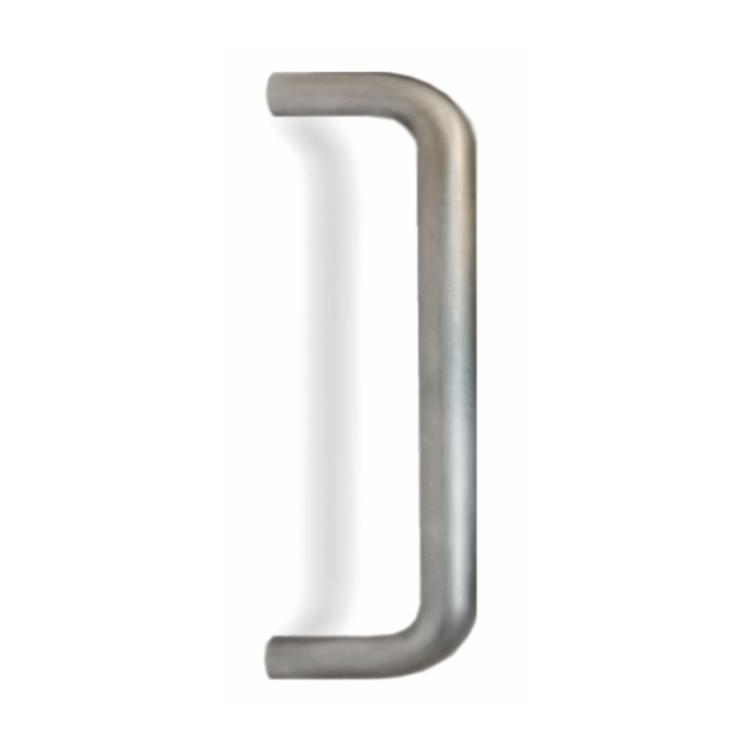
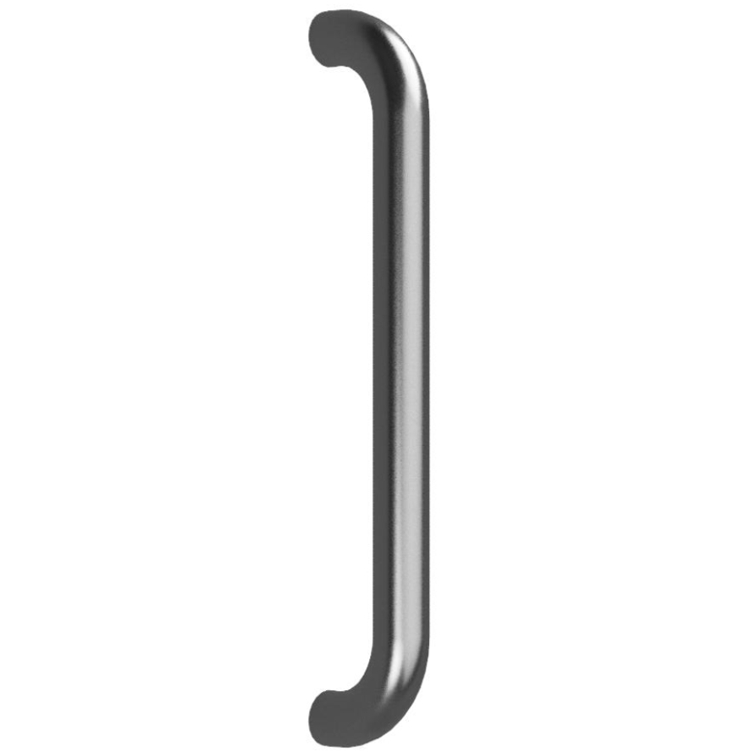
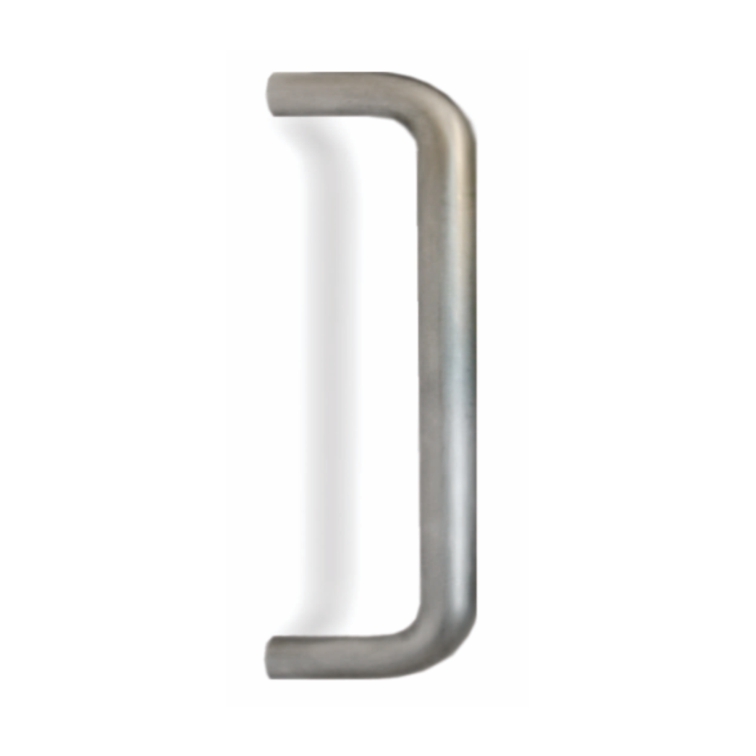
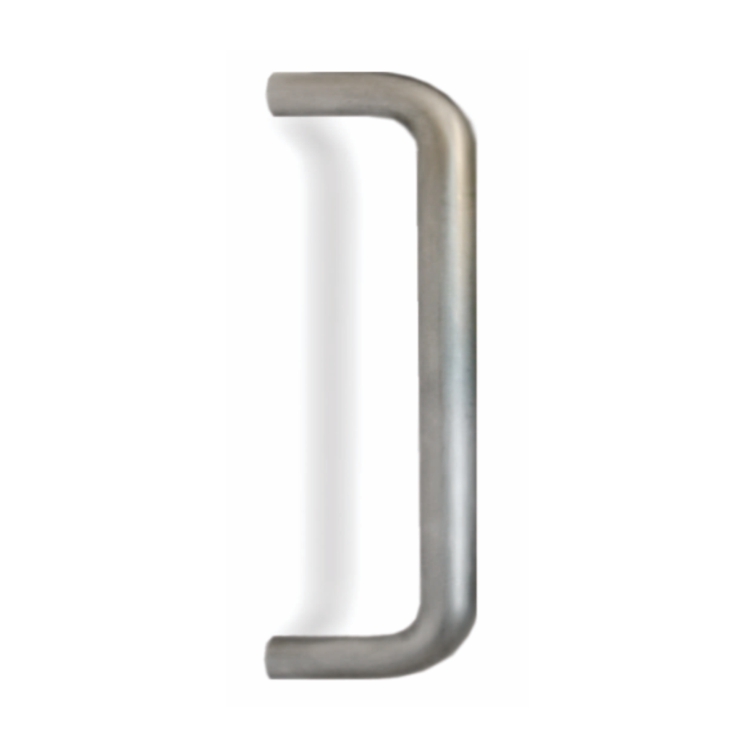
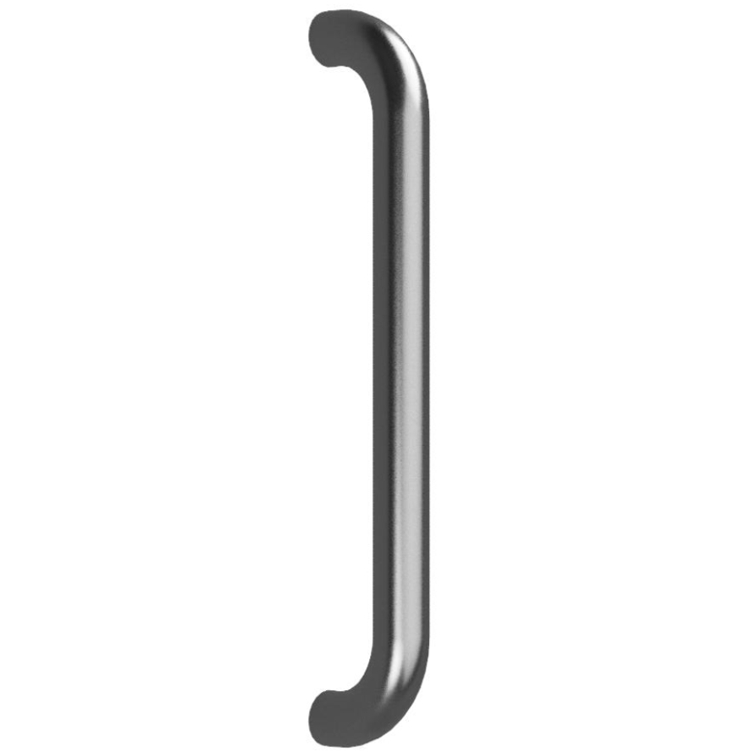
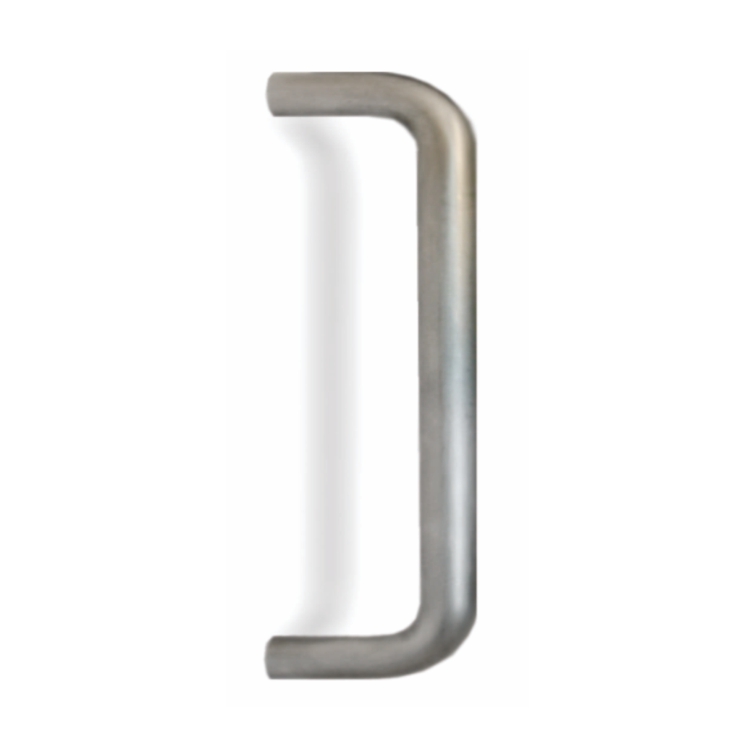
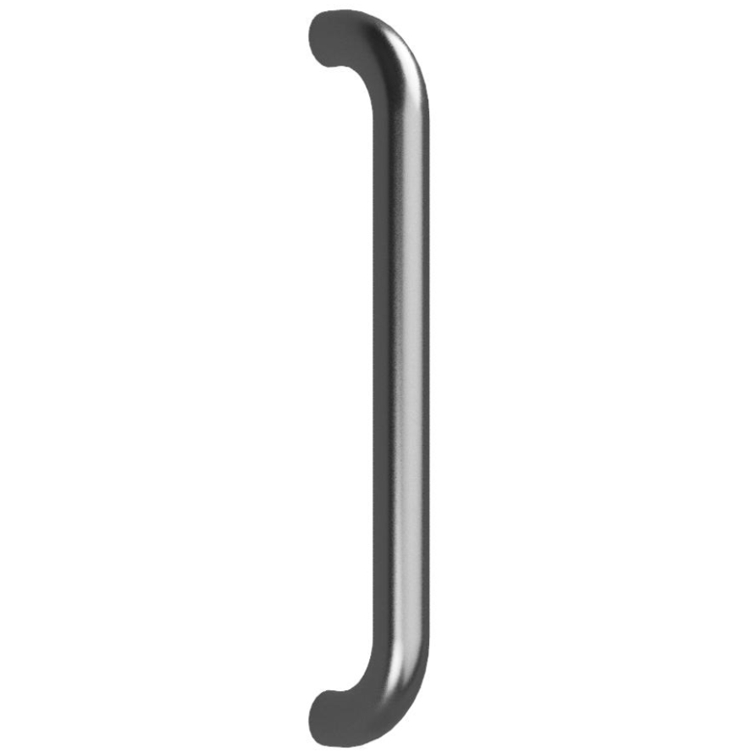
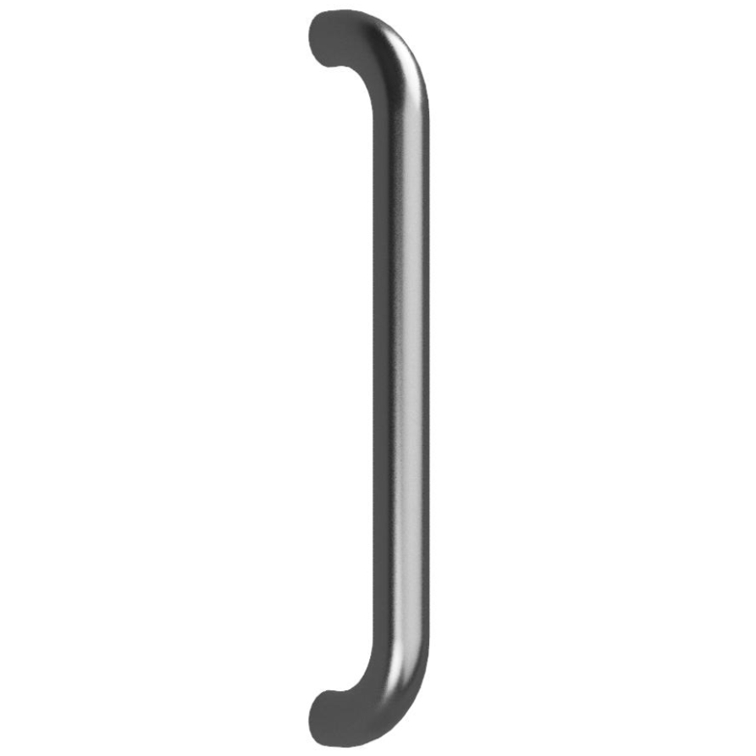
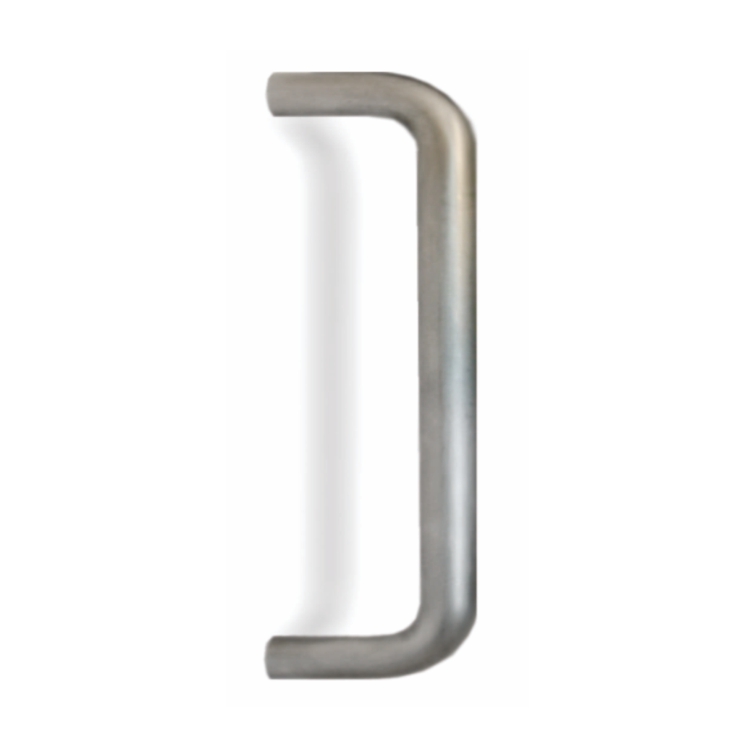
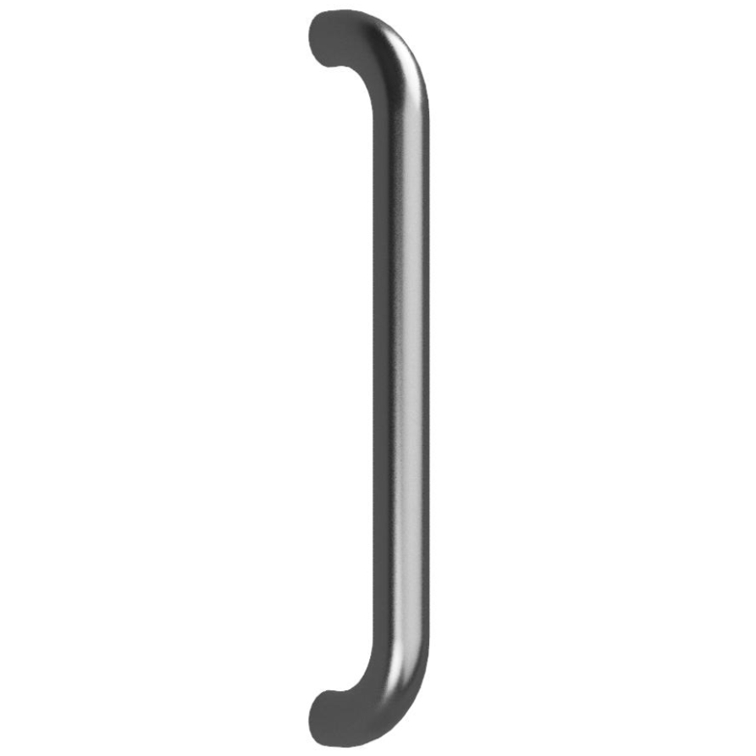
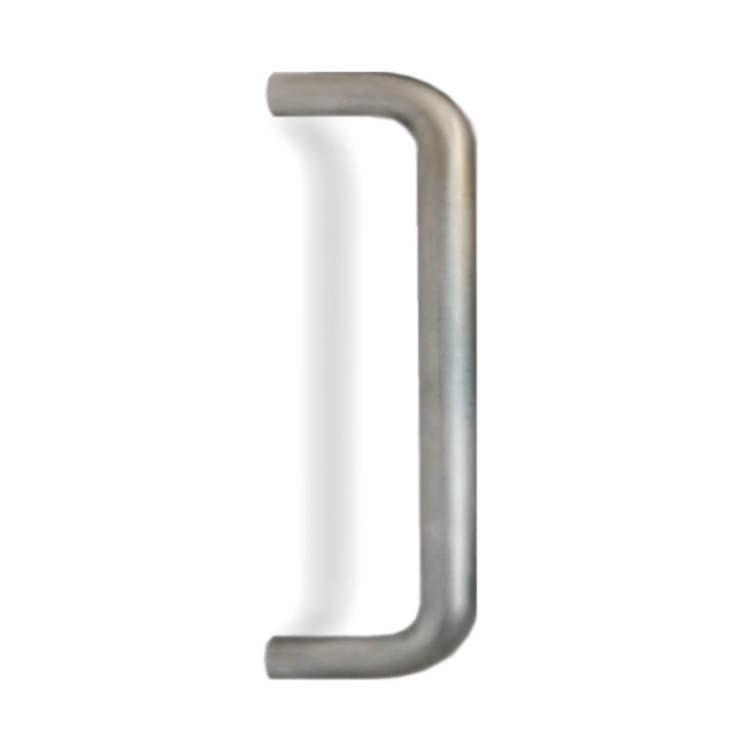
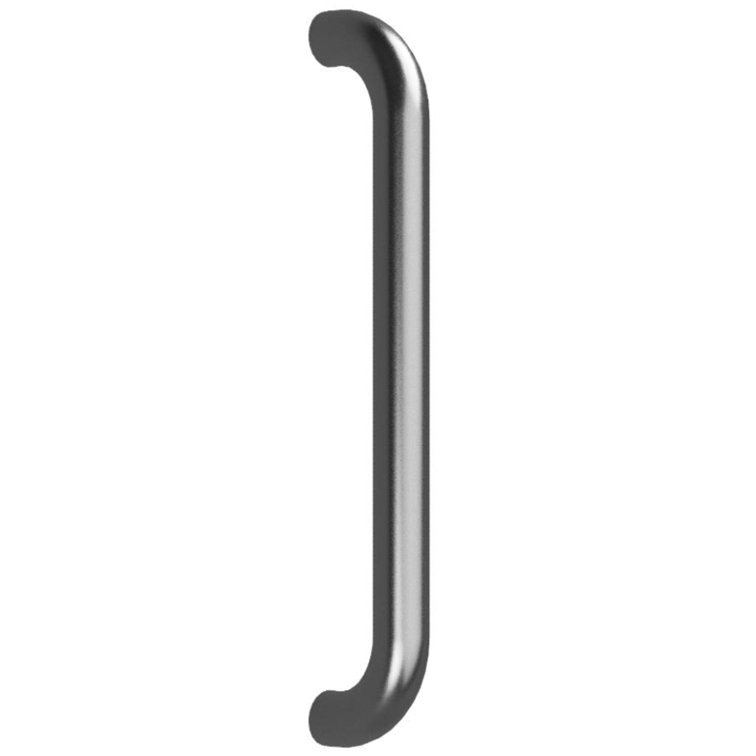
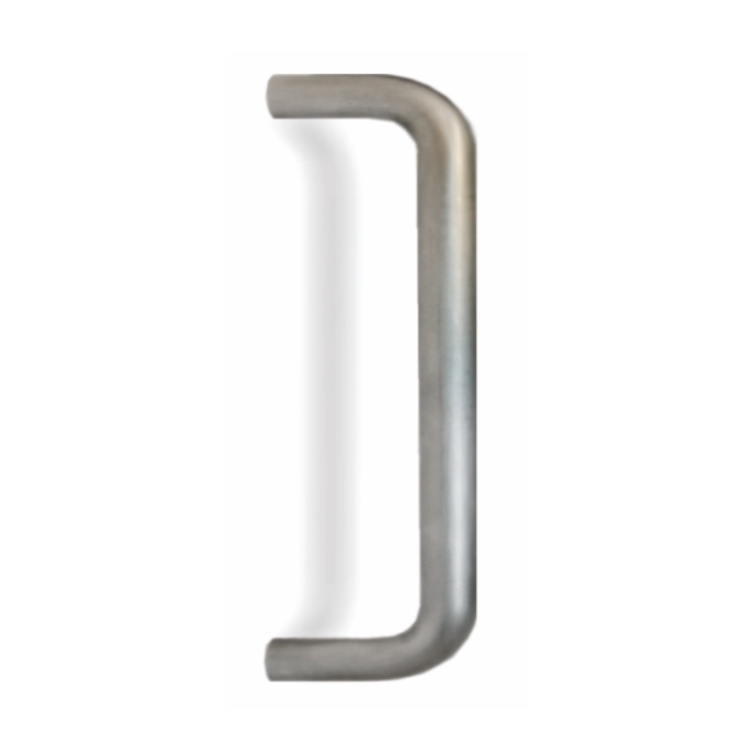
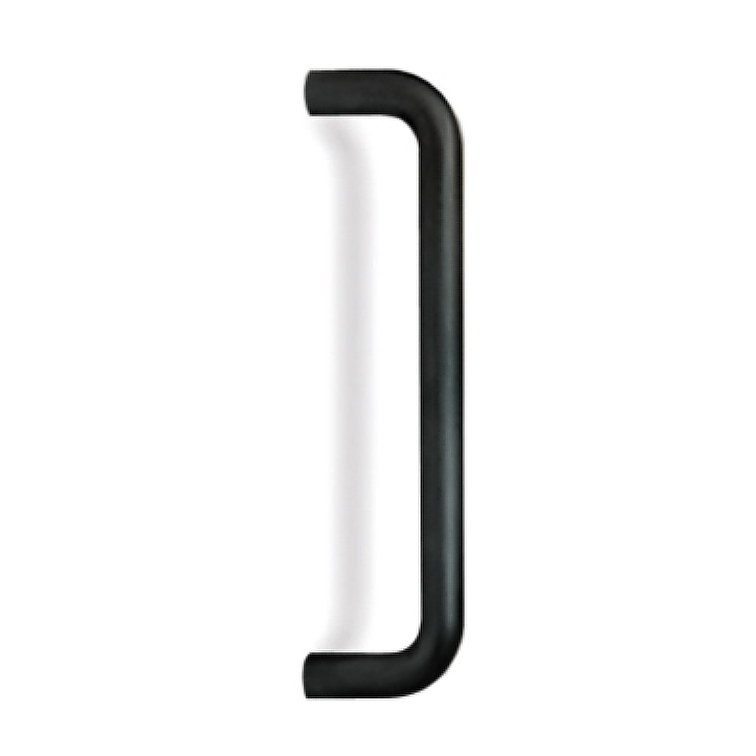
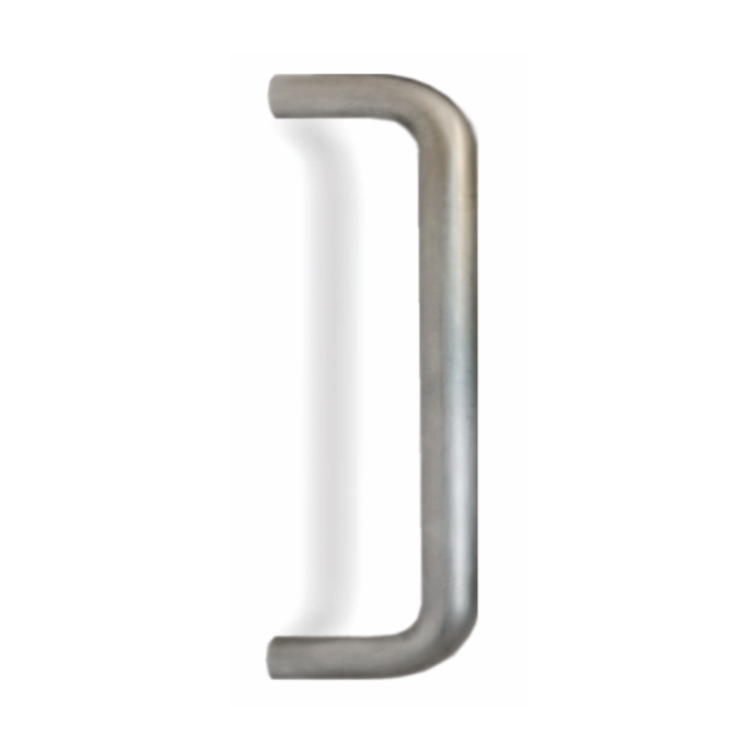
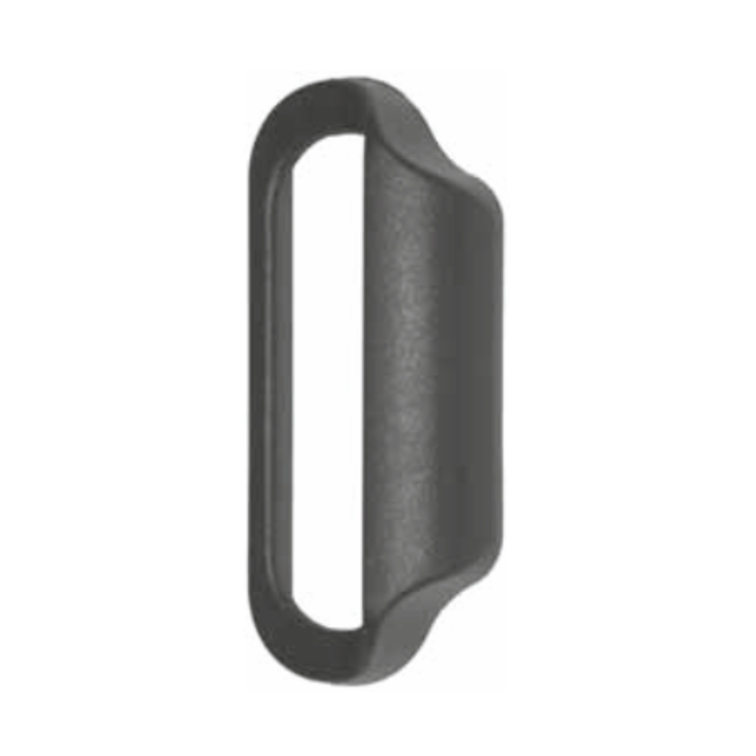
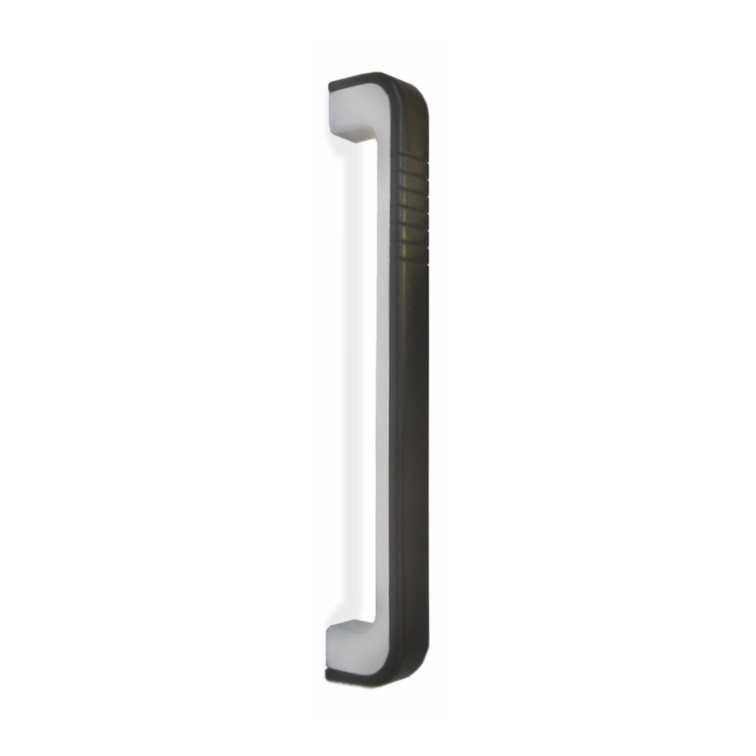
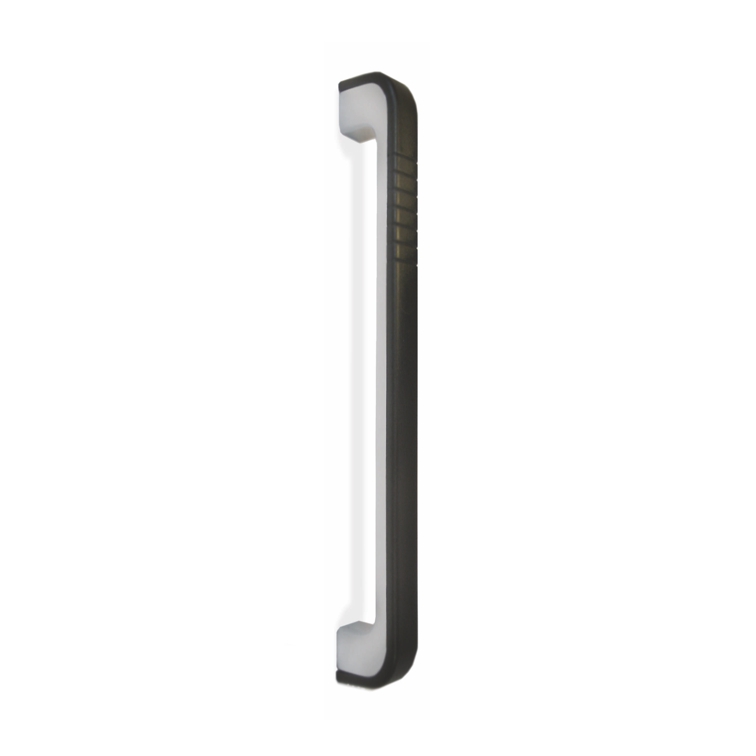
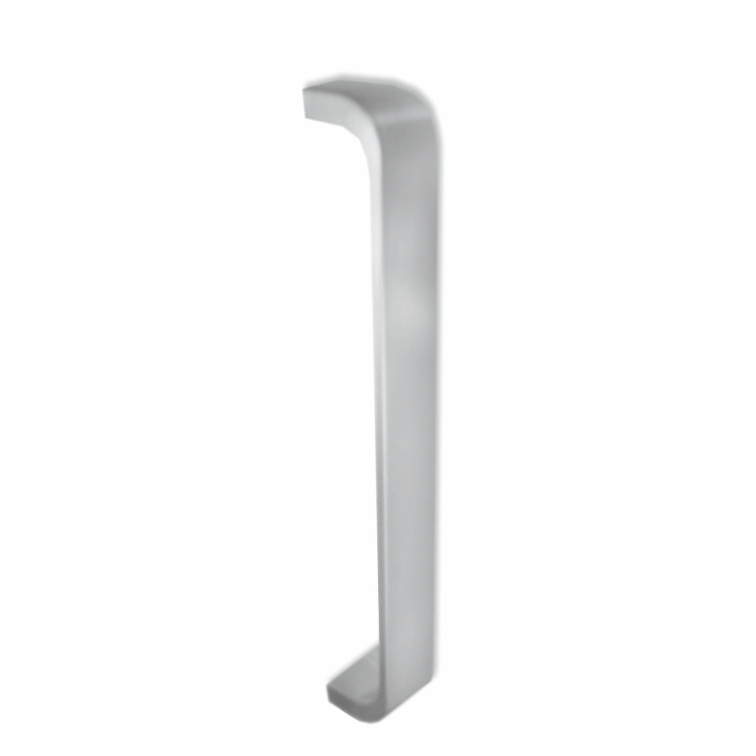
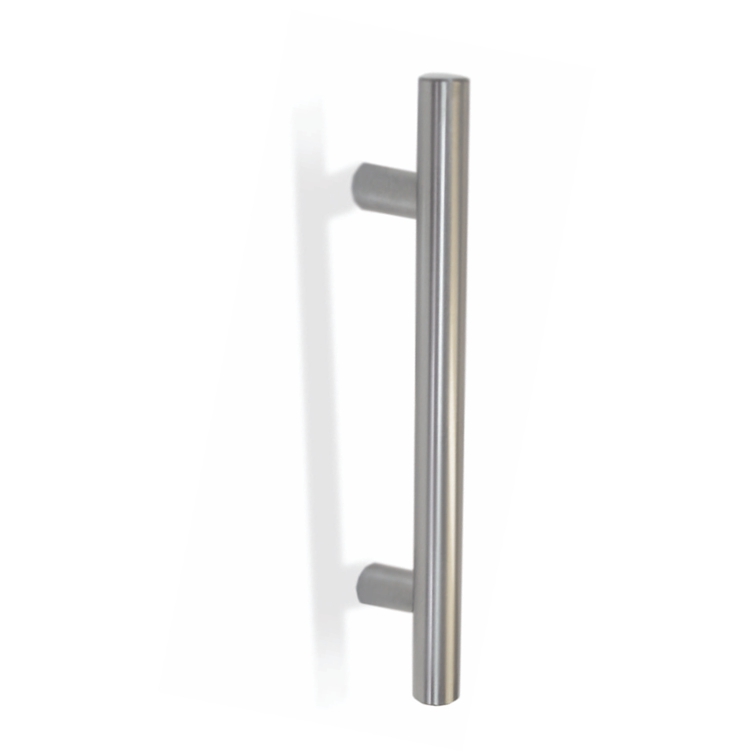
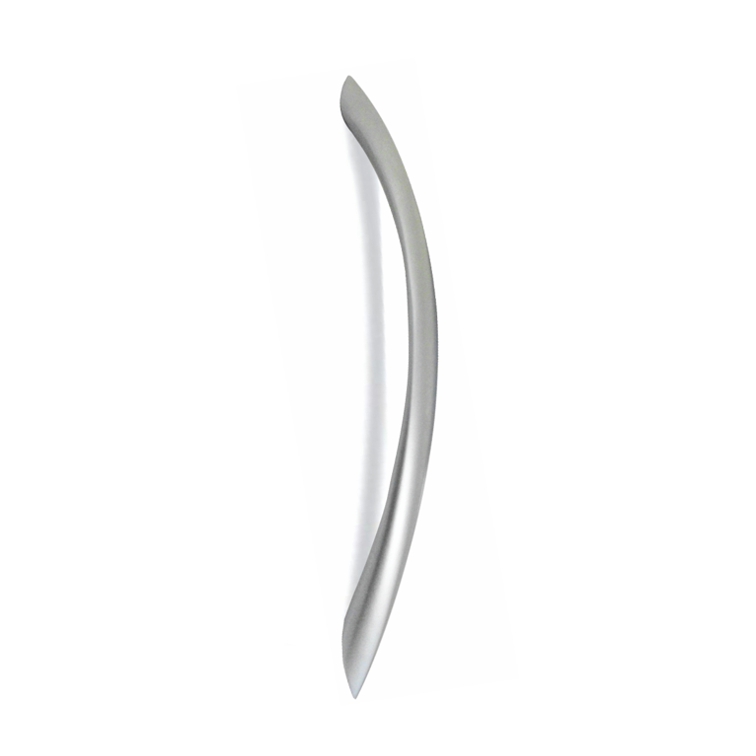
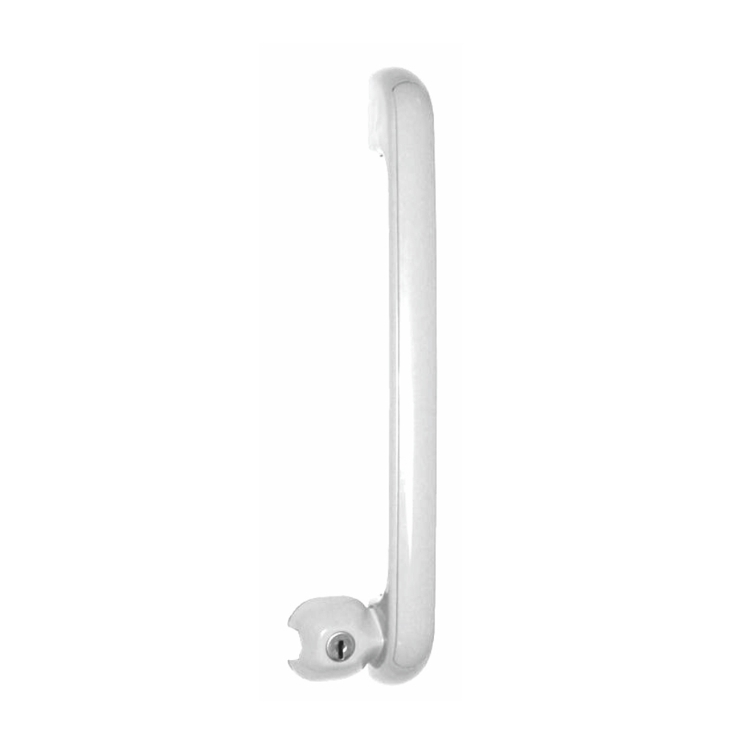
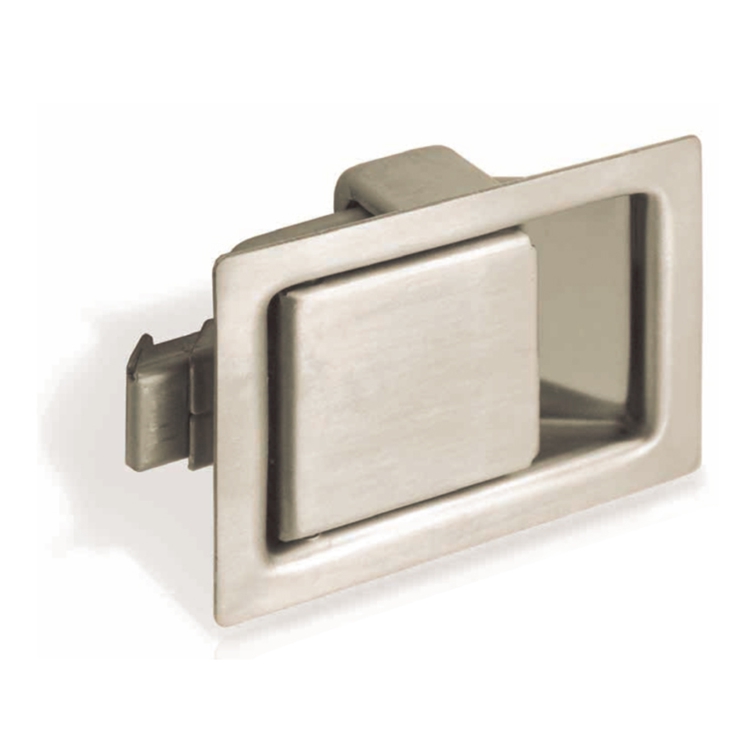
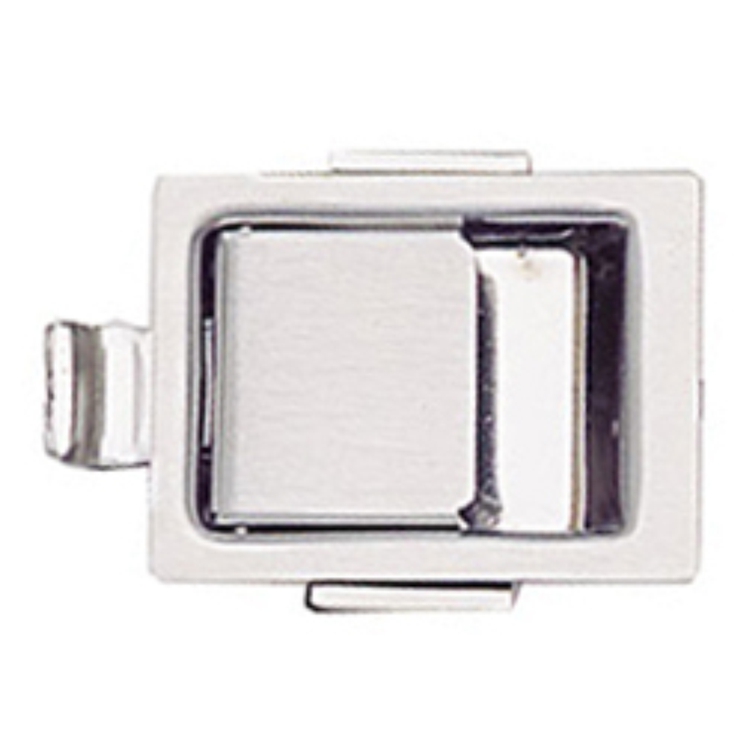
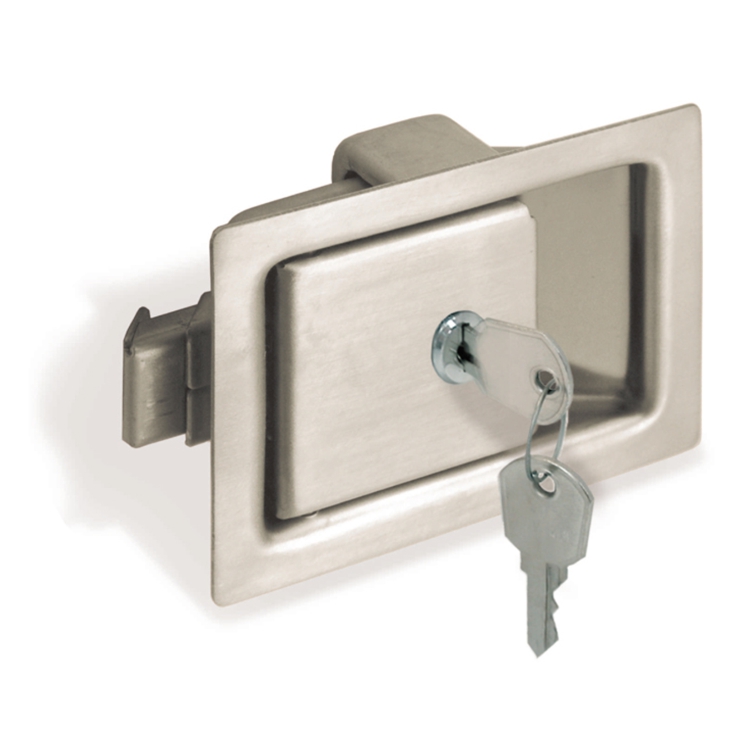
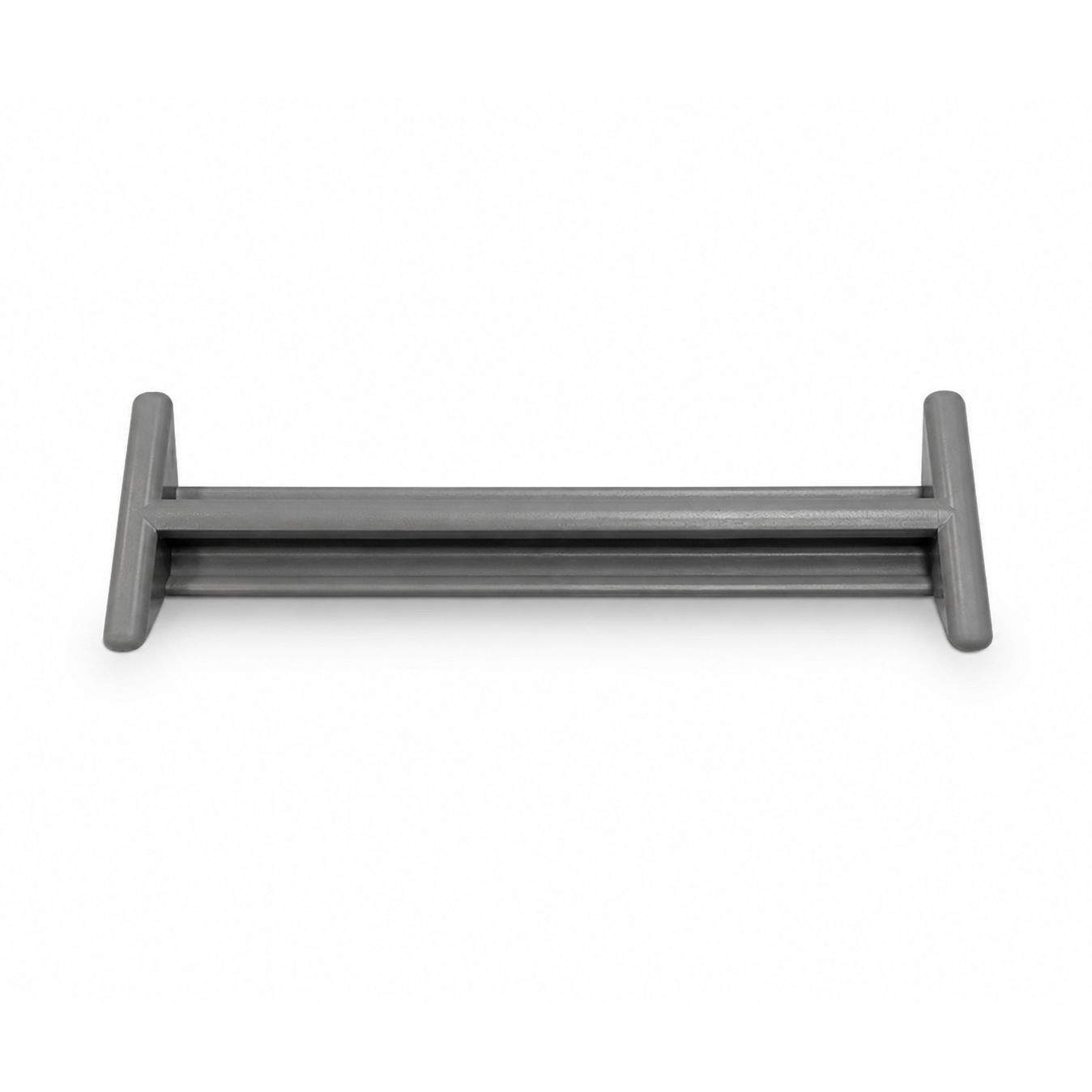
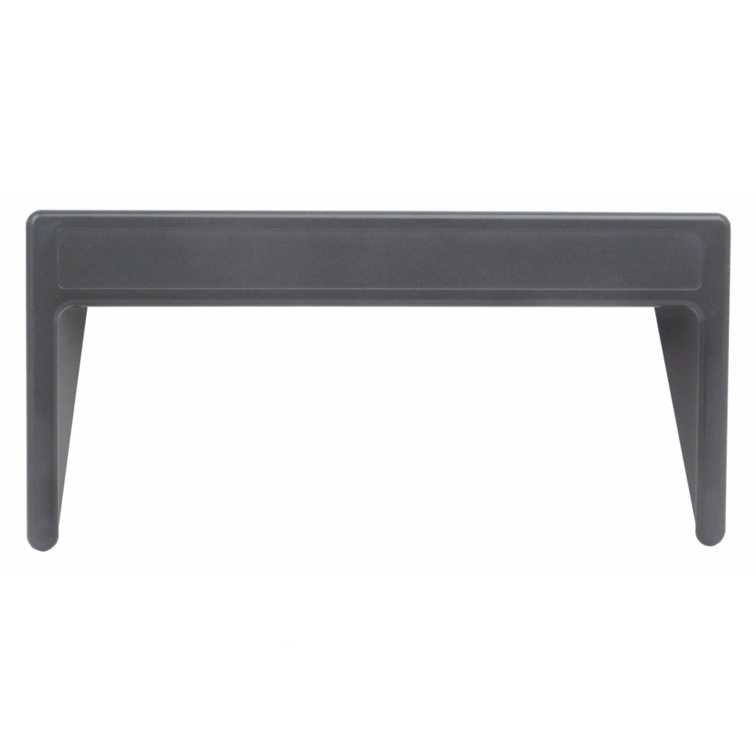
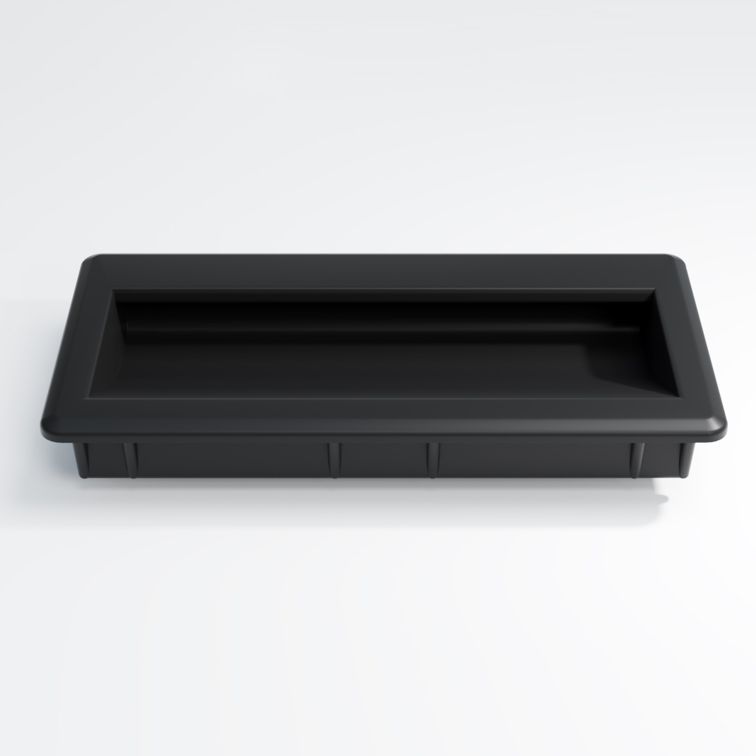
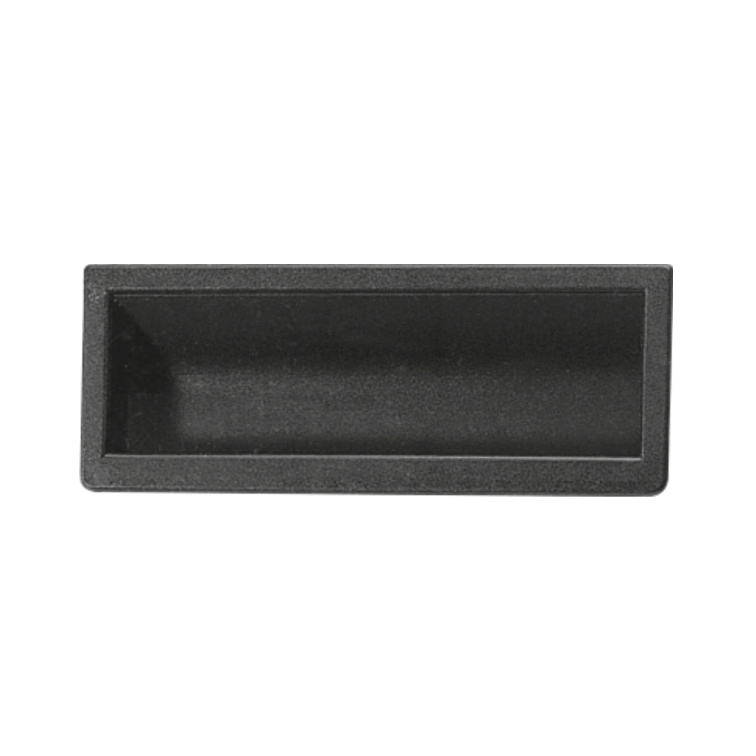
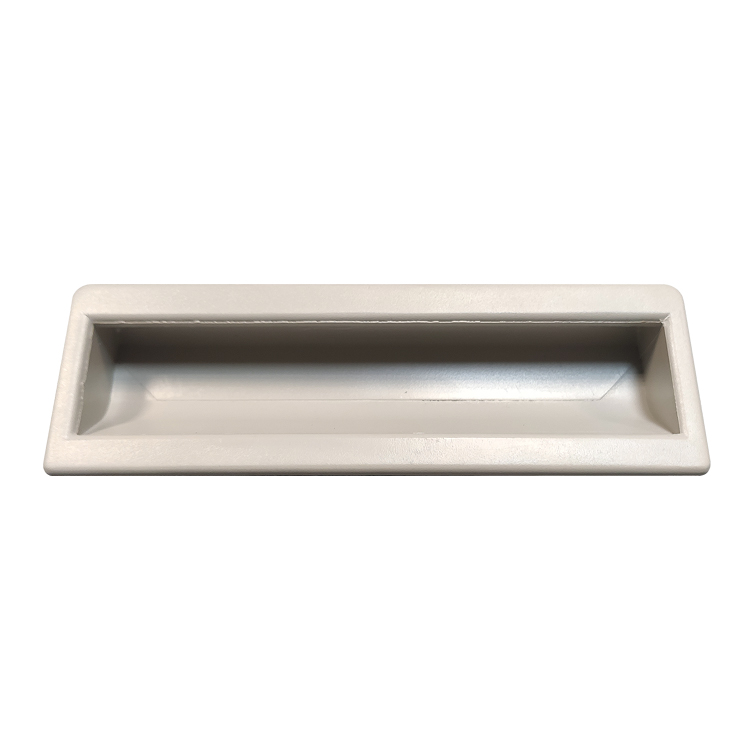
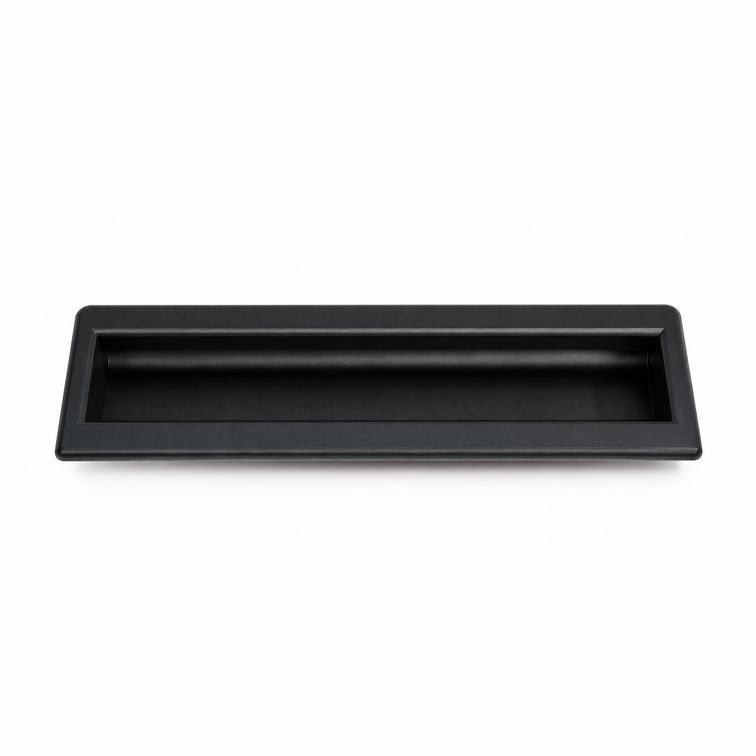
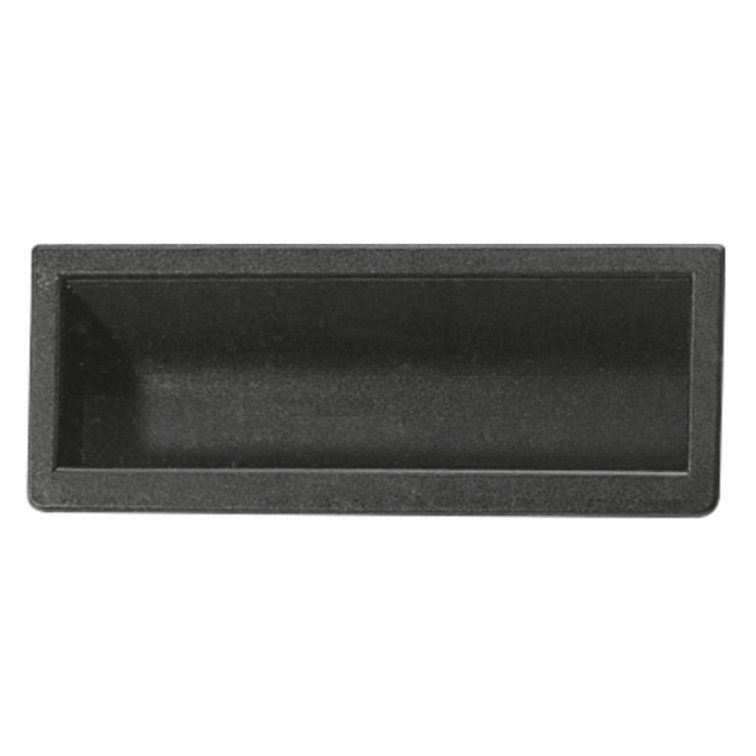
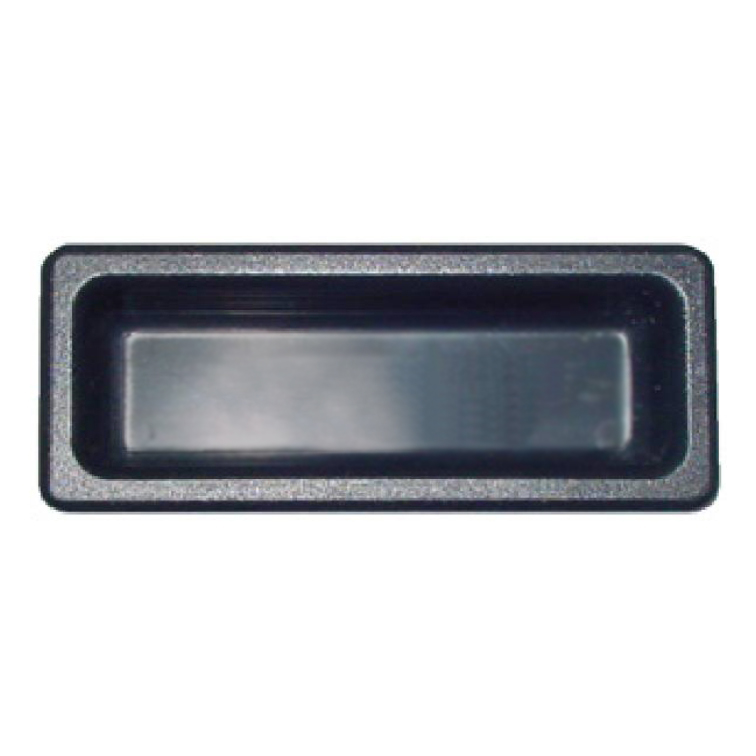
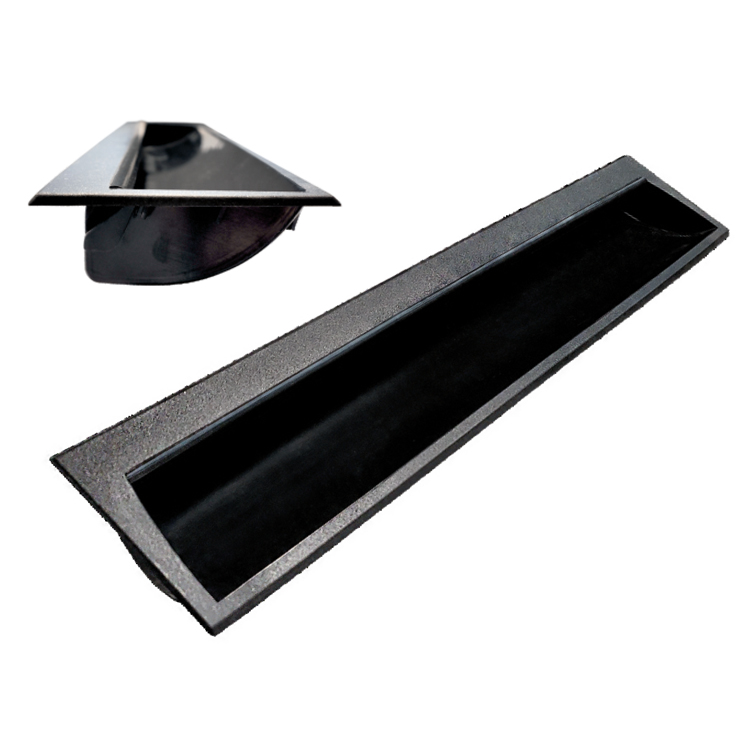
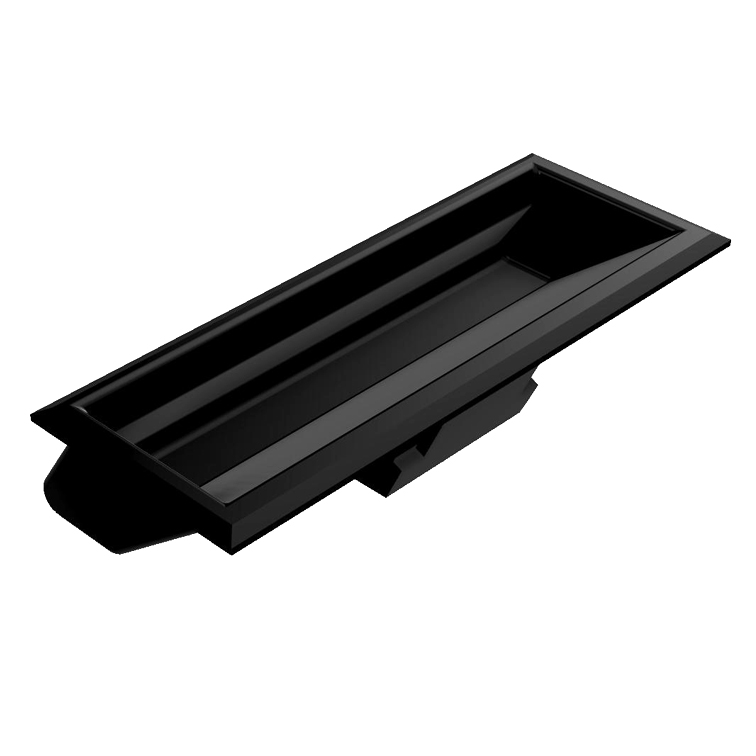
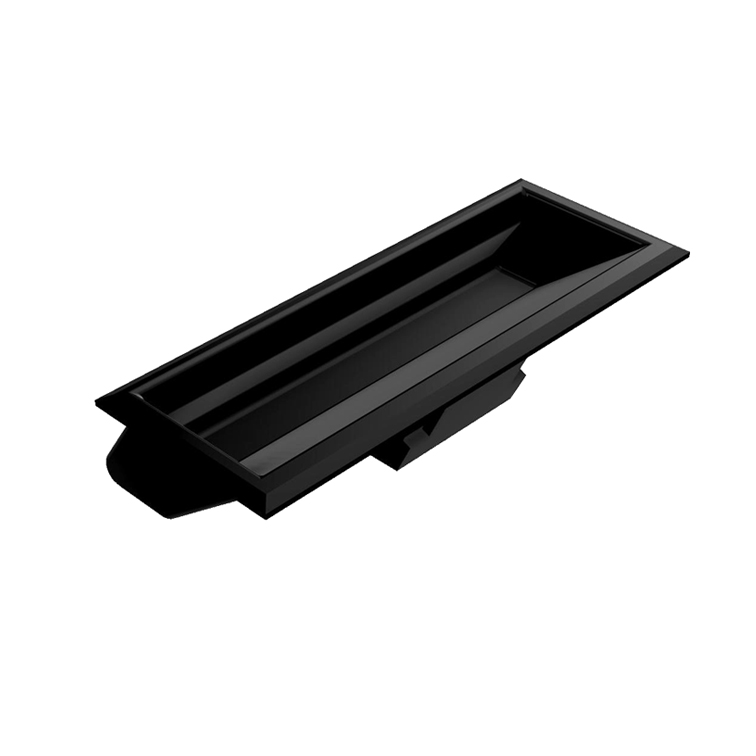
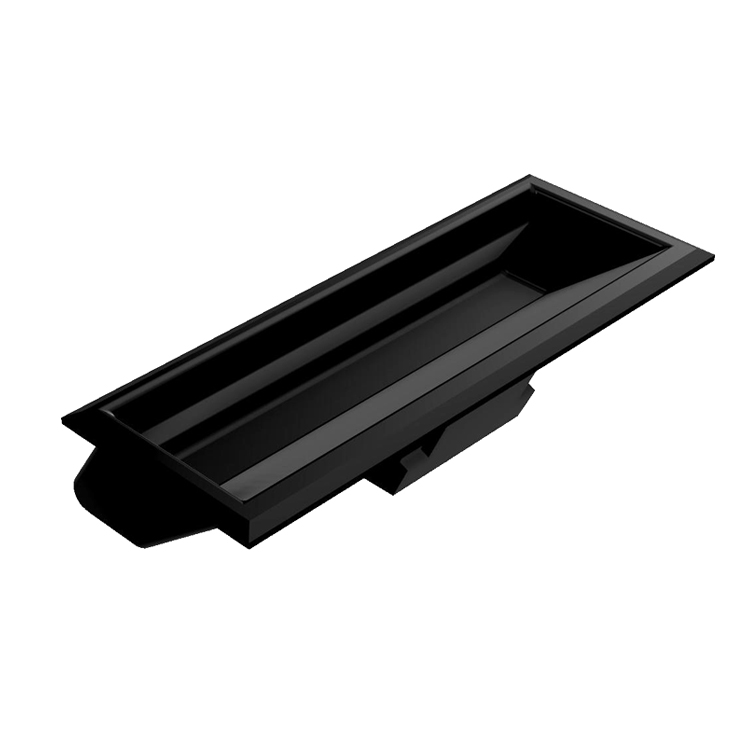
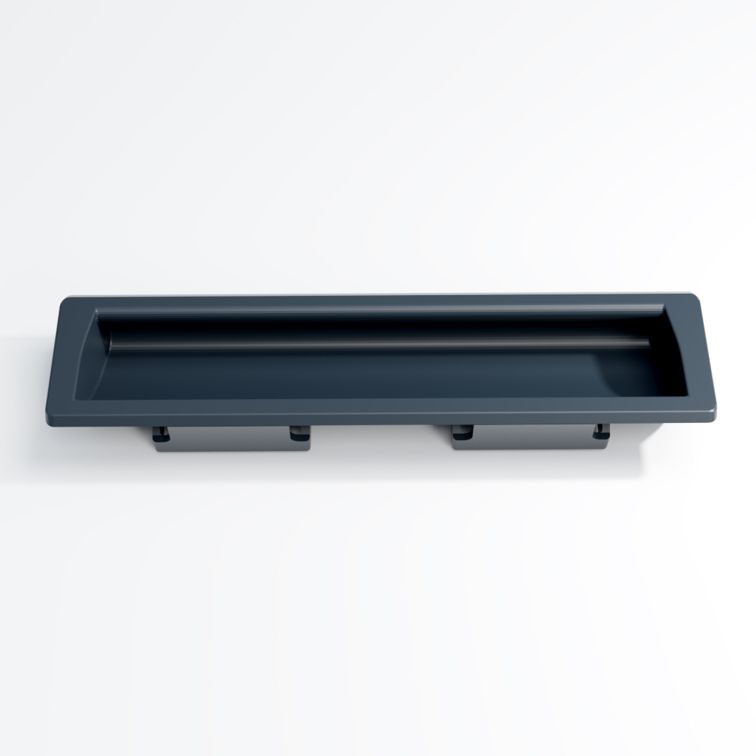
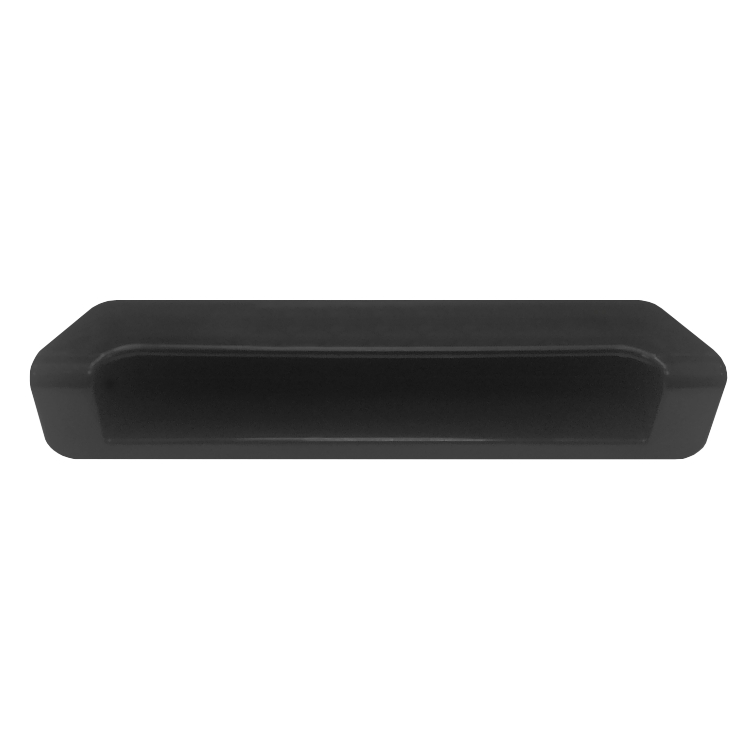
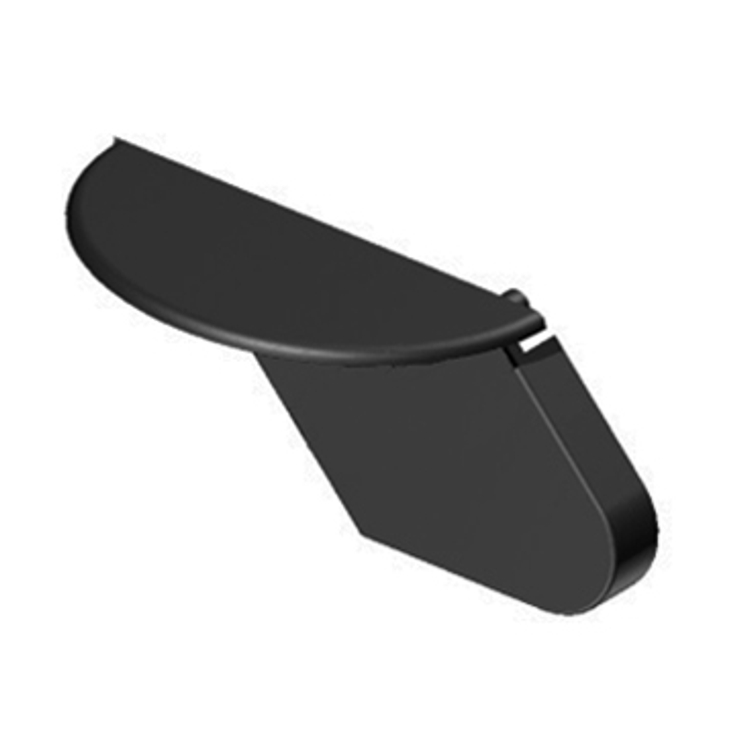
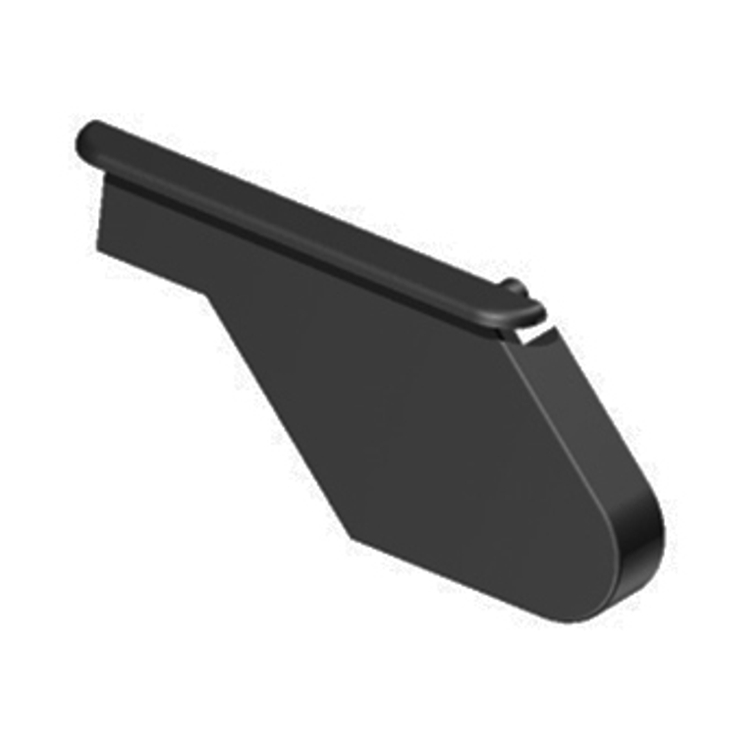
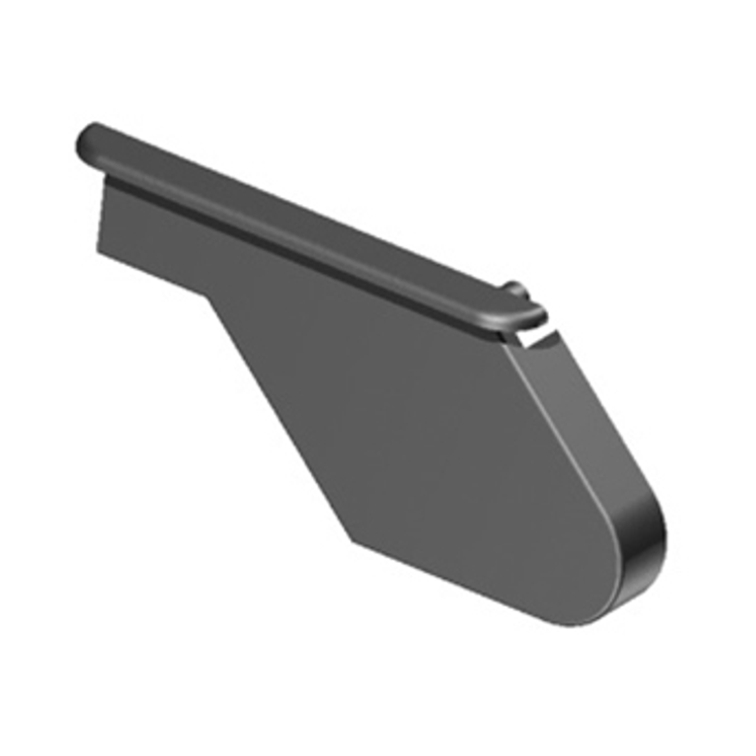
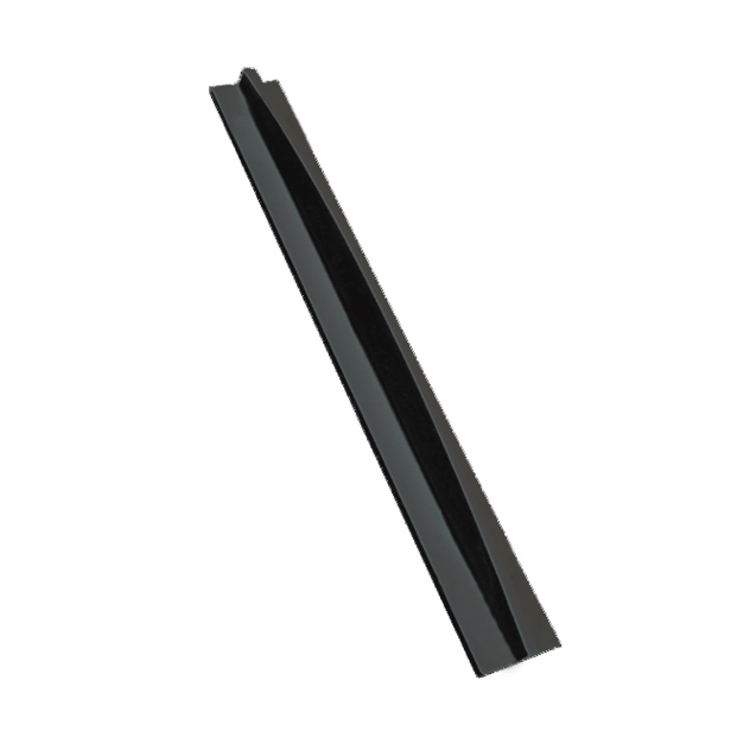
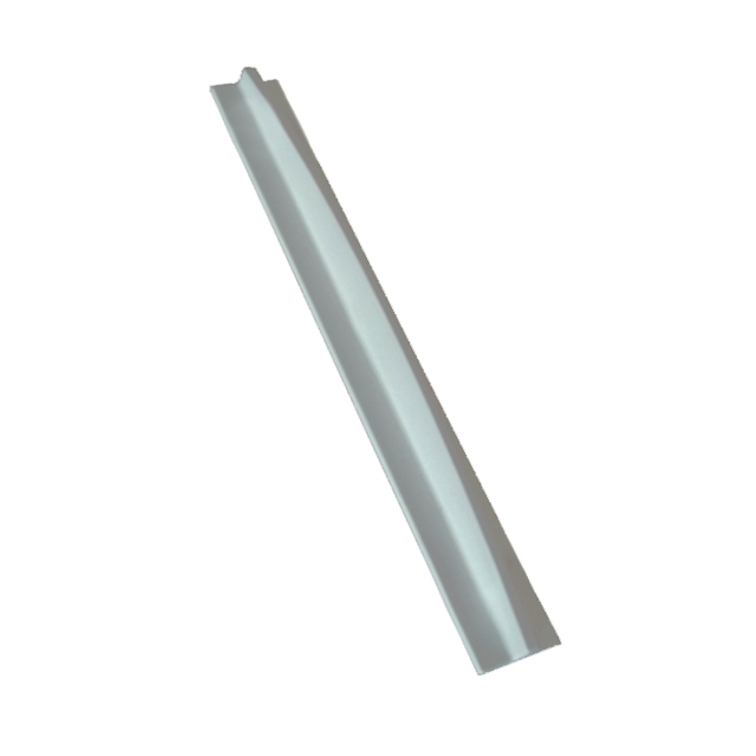
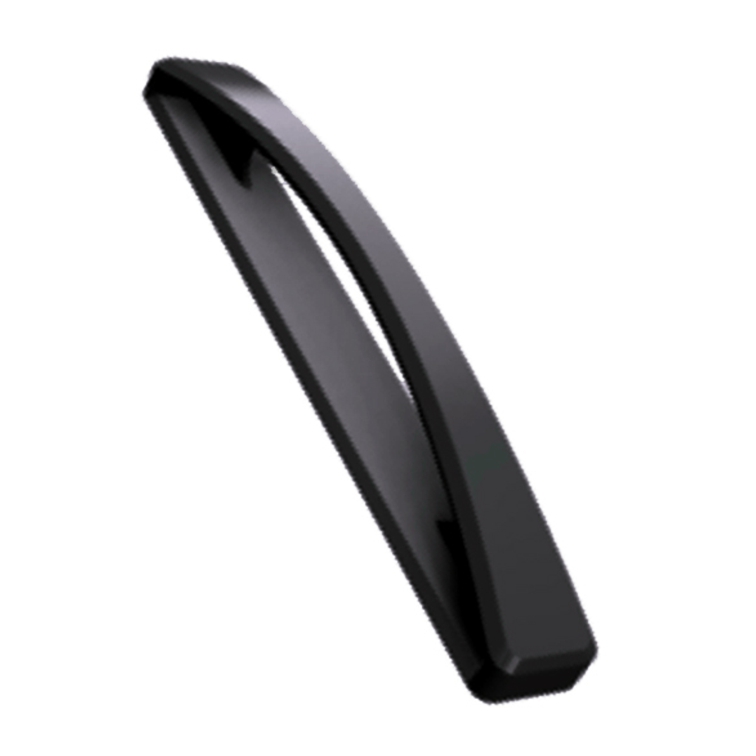
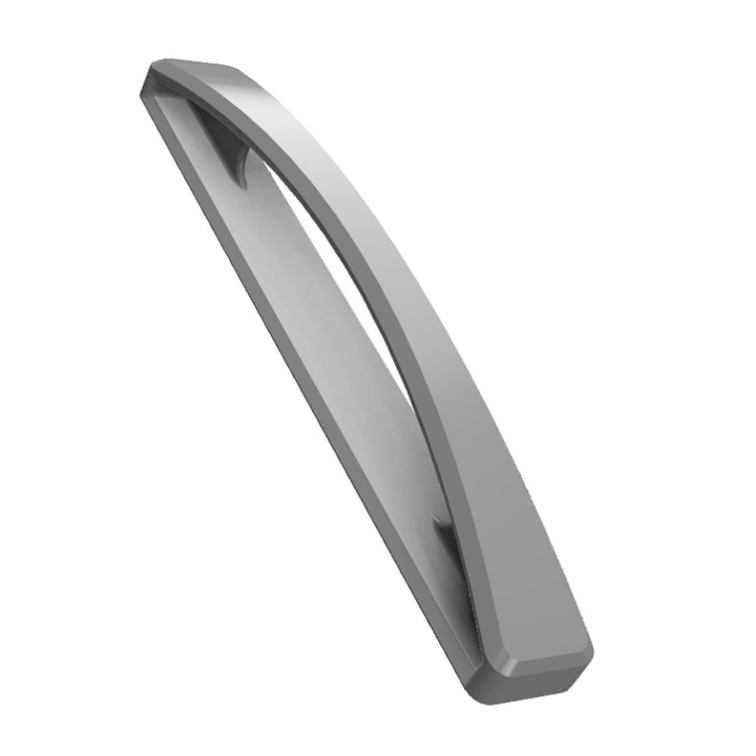
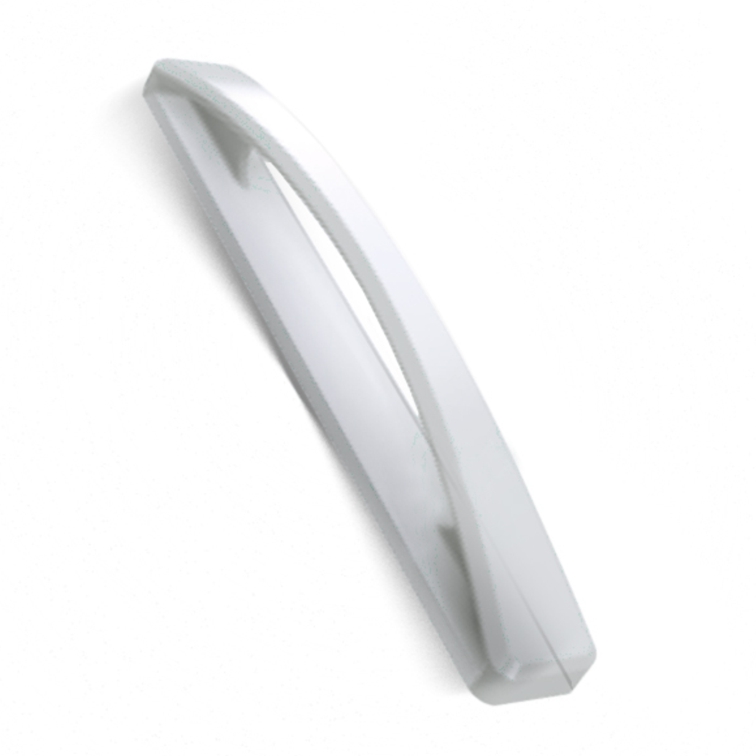
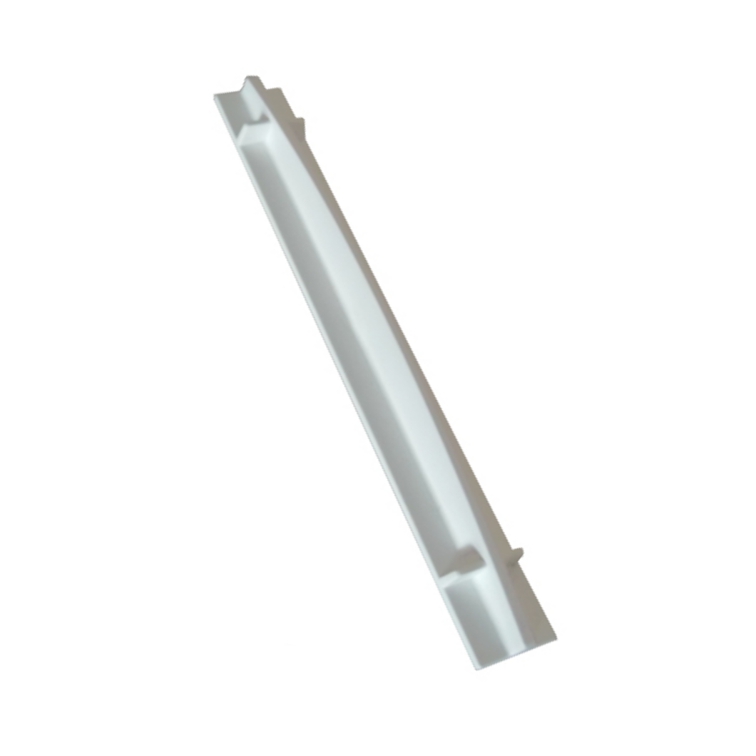
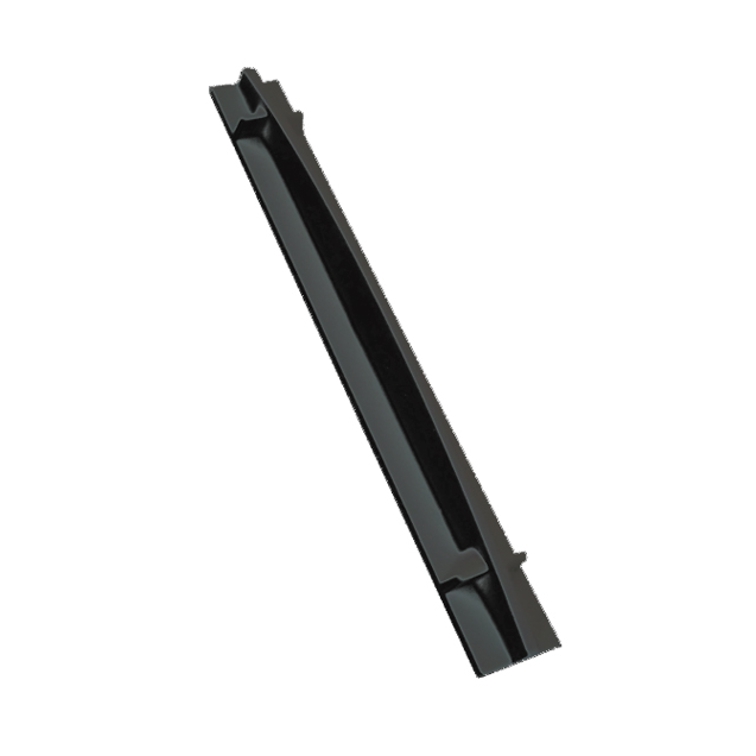
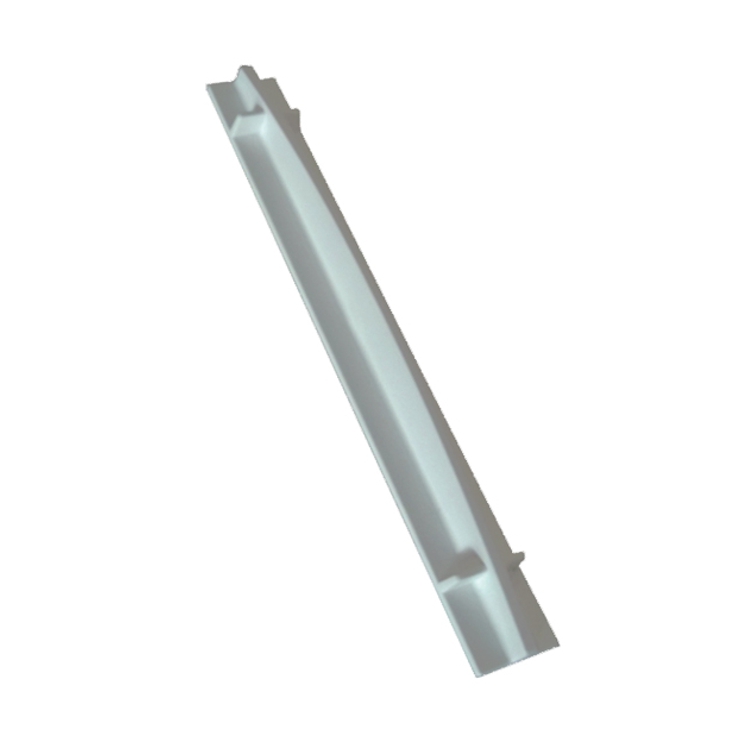
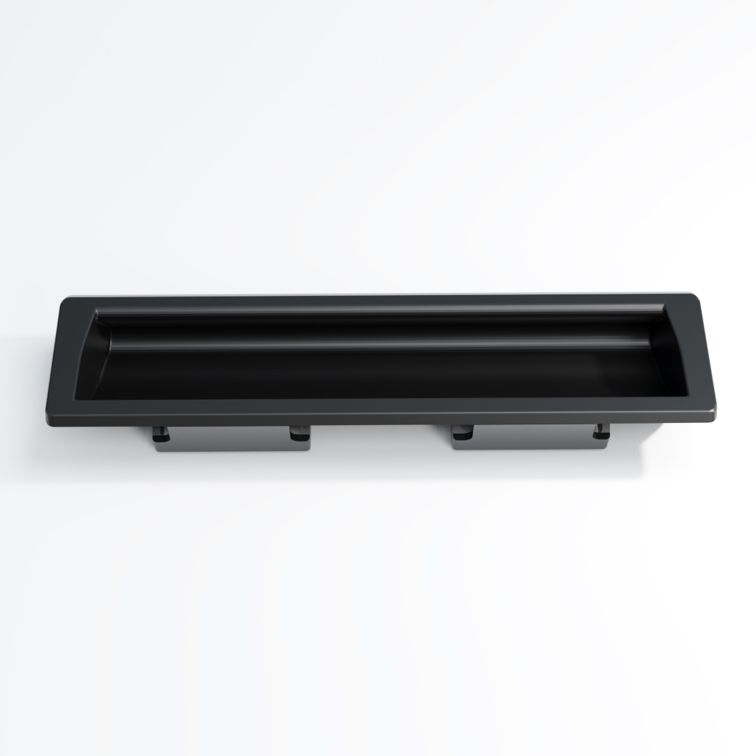 Handle Flush handle (ABS) UTW-37P RAL9005 black colour black available in colour grey and anthracite
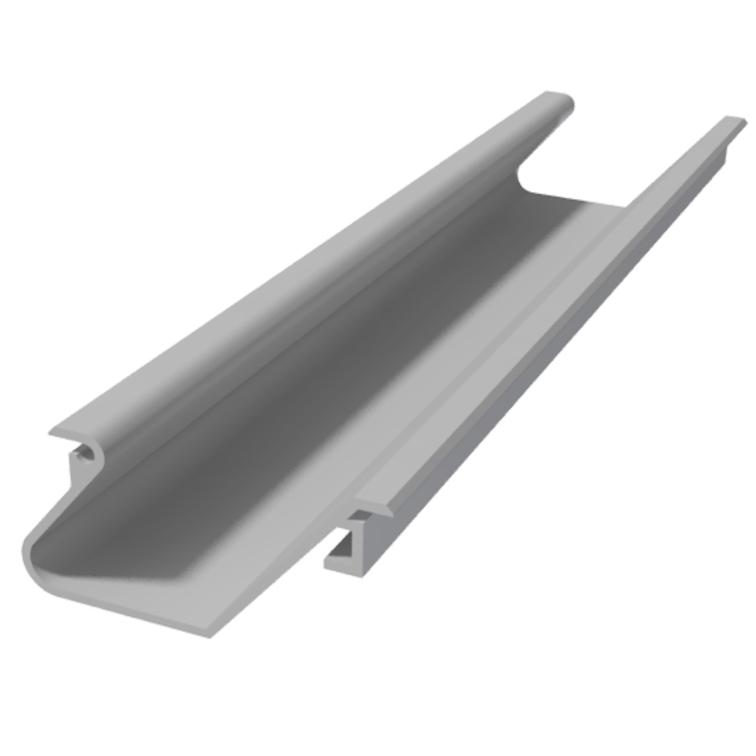
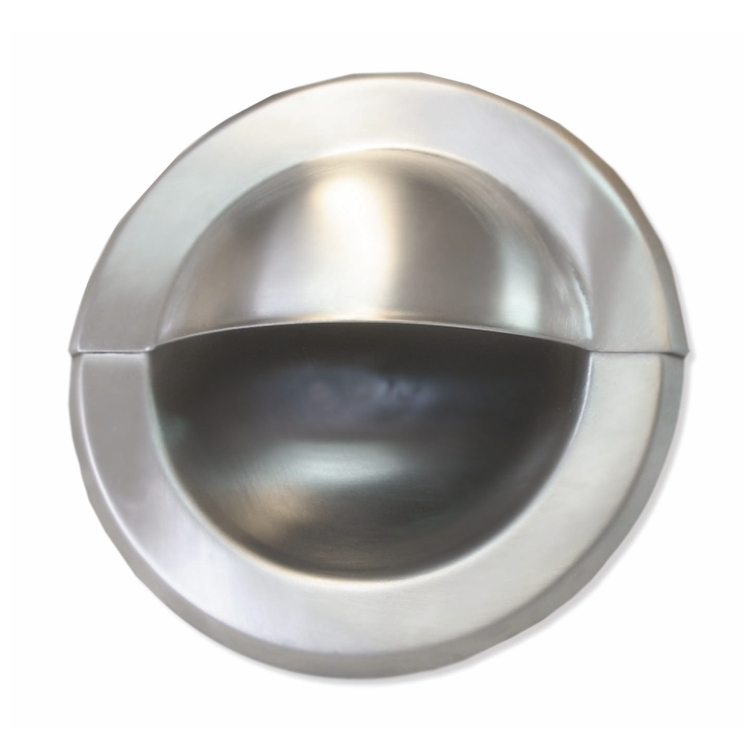
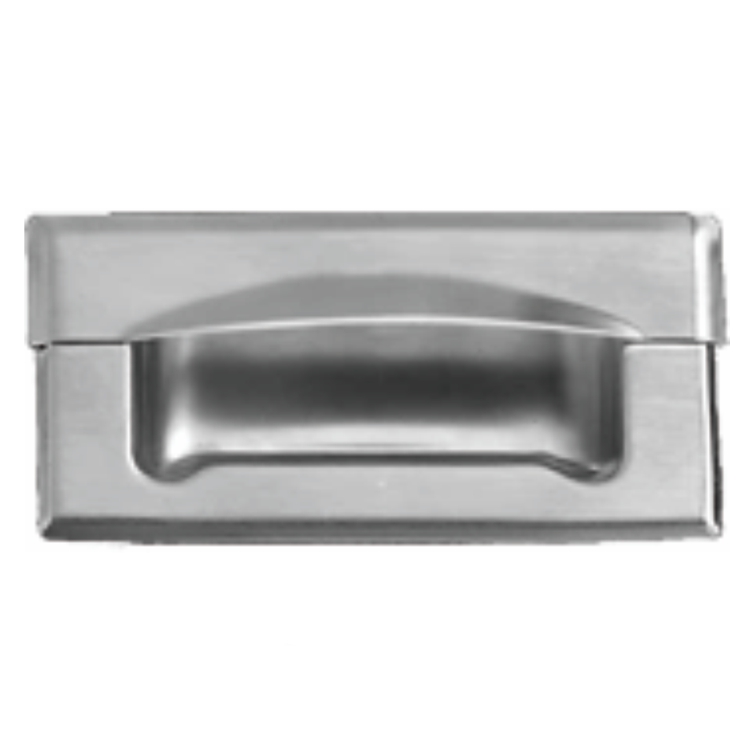
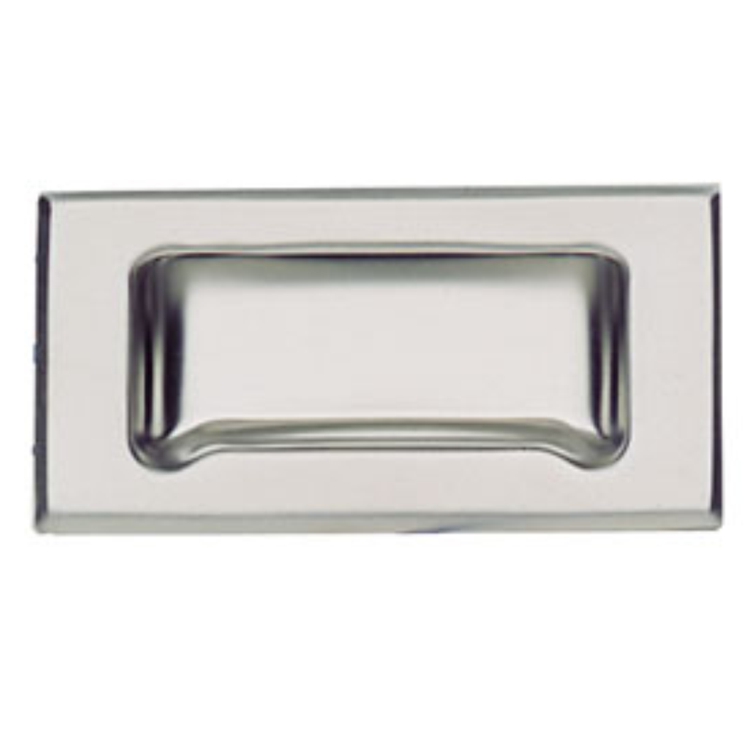
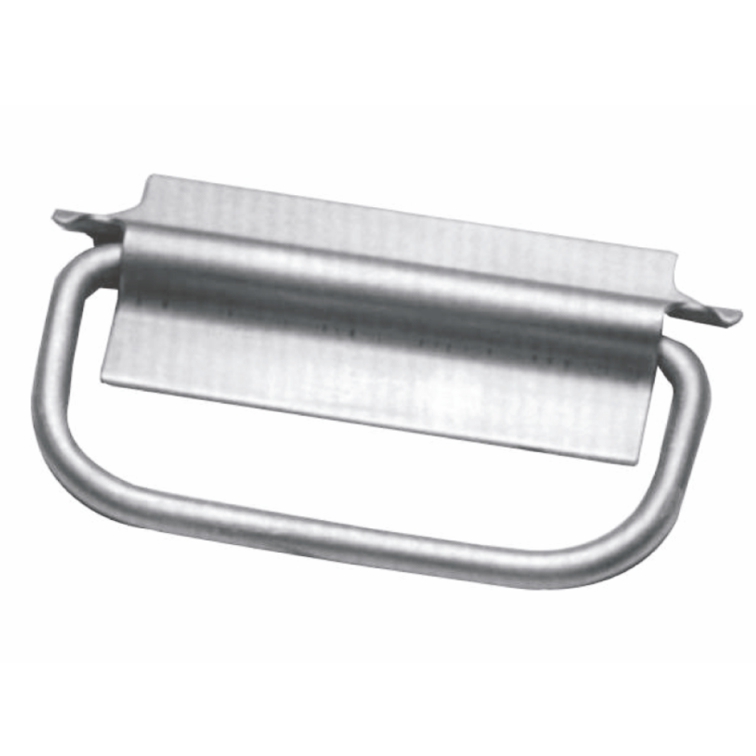
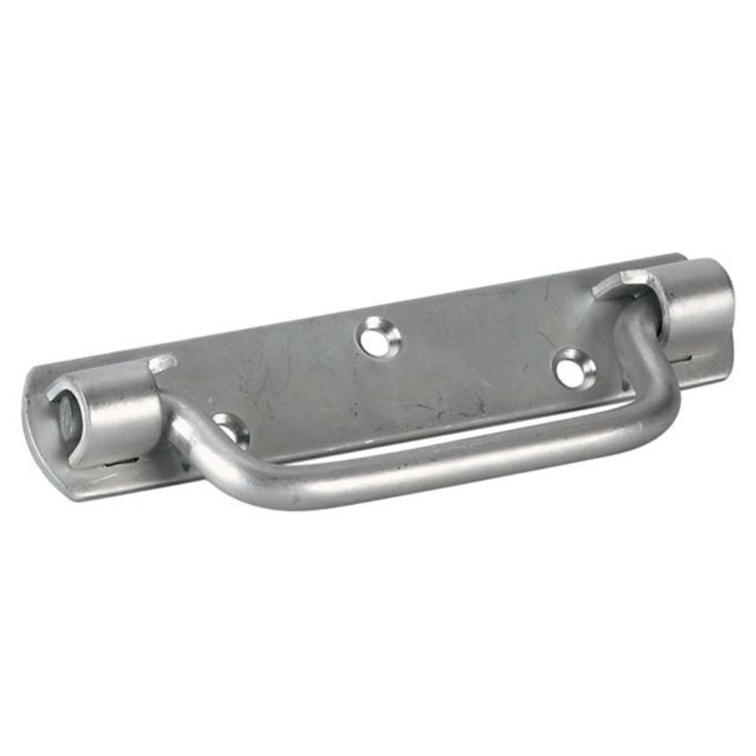
No product matches the selected filters.
How to choose
A handle is chosen for the fixing method and the hole centres
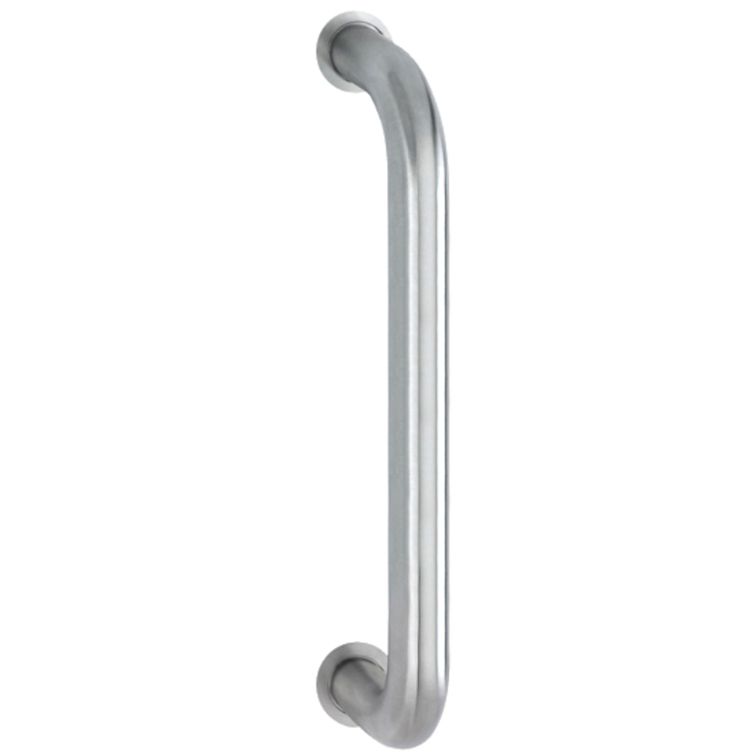
A screw-on handle gives the most secure fixing, but it needs holes in the door leaf – which means that when it is replaced with another model the hole centres have to match or new holes have to be drilled. A flush handle sits in the face of the door and does not stick out into the walkway, which in a cramped kitchen can settle the matter. An adhesive handle is fitted without touching the door skin, but it needs a clean, degreased and flat surface.
The second parameter is the material. Stainless steel looks good and stands up to cleaning chemicals, ZnAl is cheaper and heavier, polyamide does not conduct cold – and that matters on freezer doors, where a metal handle can frost over from the inside.
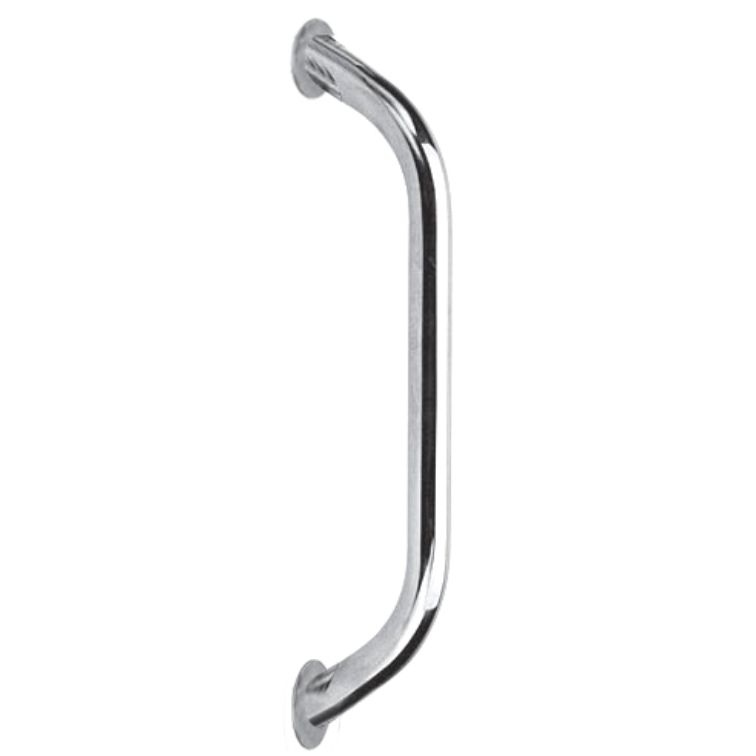
The third thing is how it is gripped. A bar handle can be taken anywhere along its length, so it also works when your hands are full; a point handle has to be hit exactly. On appliances opened with an elbow or a forearm the length of the handle stops being a question of looks.
- When replacing, check the hole centres of the old handle
- A flush handle does not stick out into the walkway
- An adhesive handle needs a clean and flat surface
- Polyamide does not conduct cold and does not frost over
- A bar handle can be used with your hands full
Prices, availability and ordering
Prices and stock levels are in the B2B shop. Handles in non-standard lengths are made to order.