
Aluminium/copper, microchannel and steel condensers
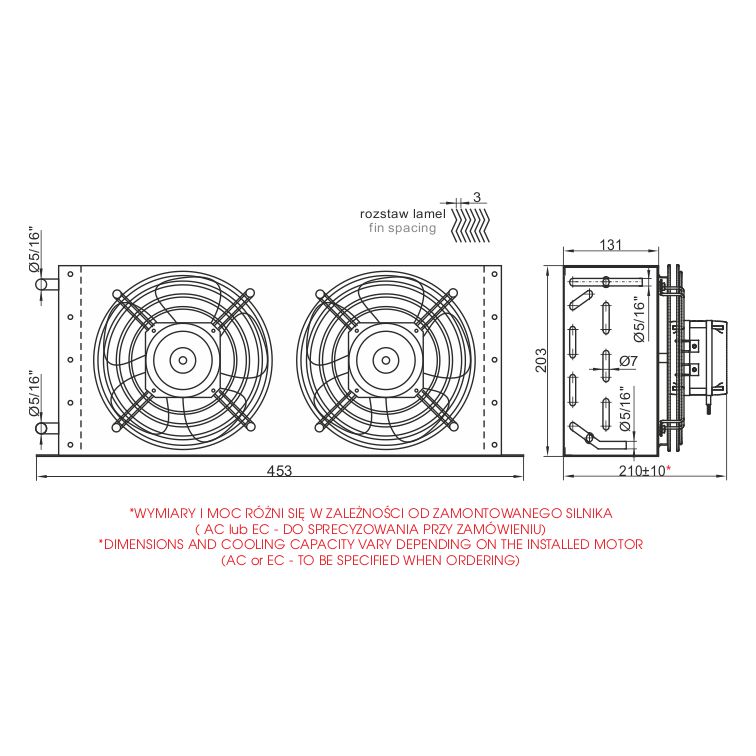
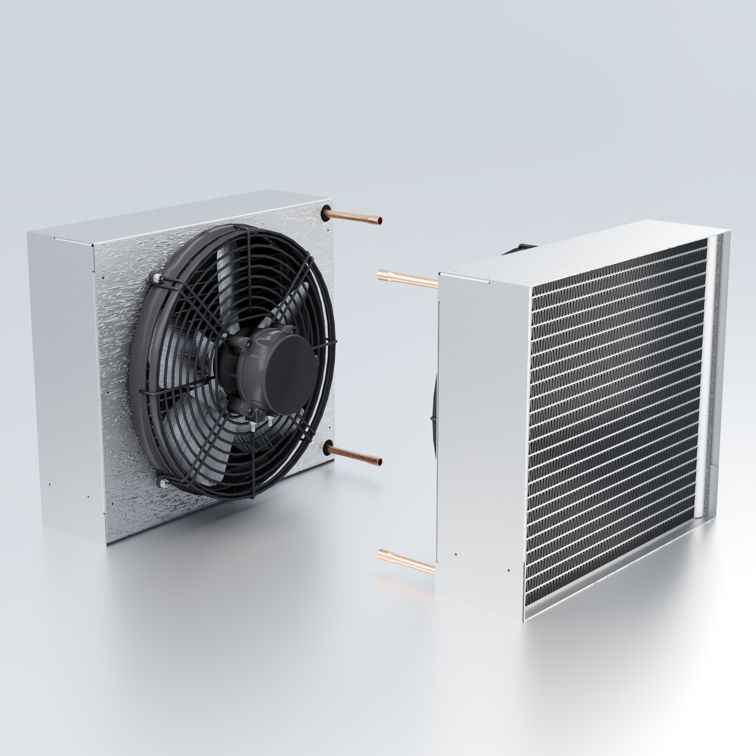
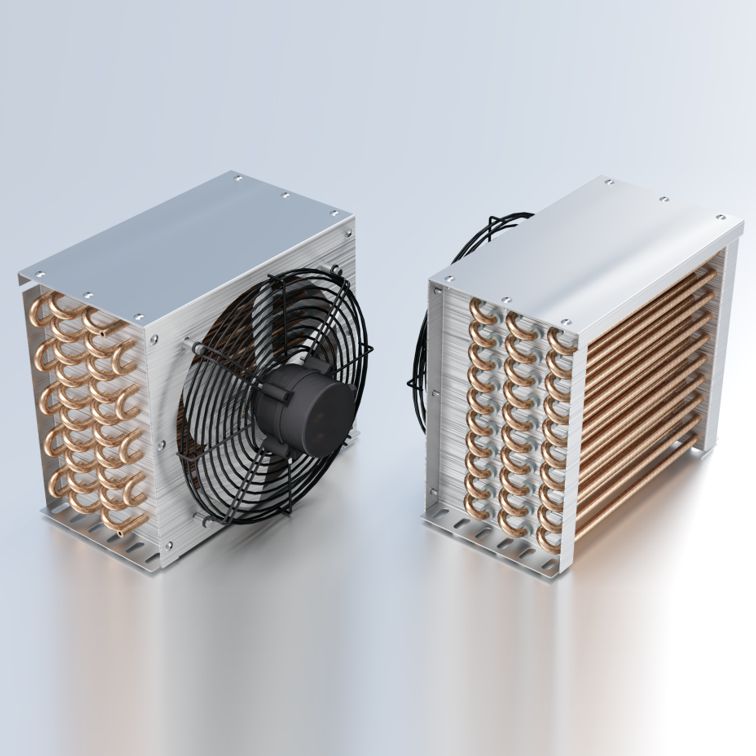
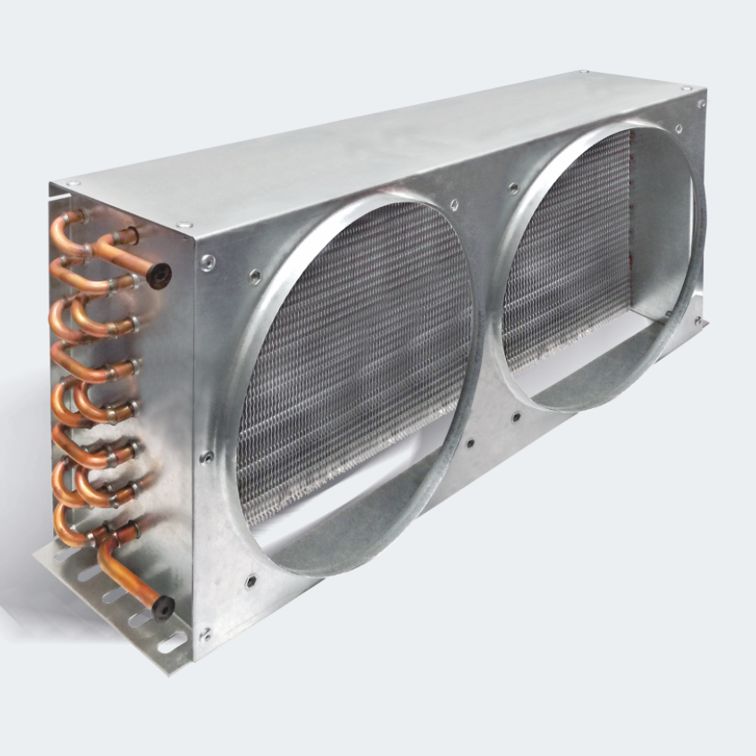
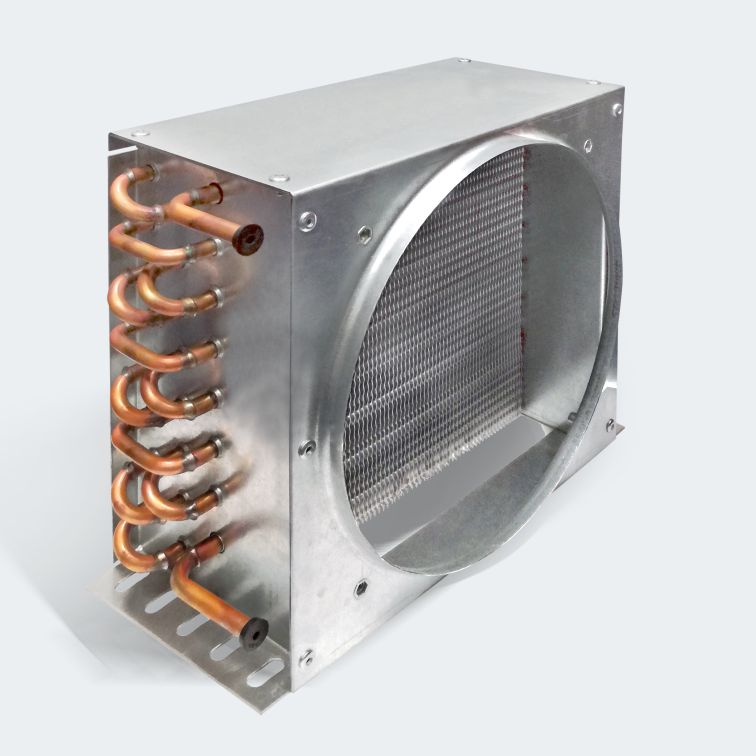
A condenser gives off to the outside the heat taken from the chamber, and its capacity limits the whole circuit regardless of which compressor was used. We match it to the capacity of the circuit, the refrigerant and the space left in the build, and those three conditions rarely reconcile without a compromise between size and exchange area. Capacities are given for R290 at a 15 K temperature difference, and versions for an unusual installation are designed in our R&D department.
26 products
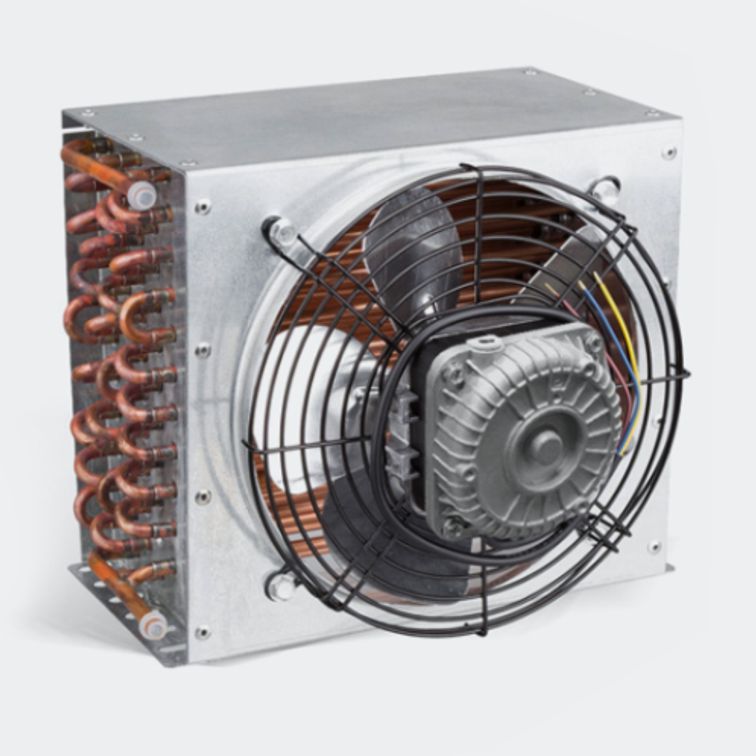
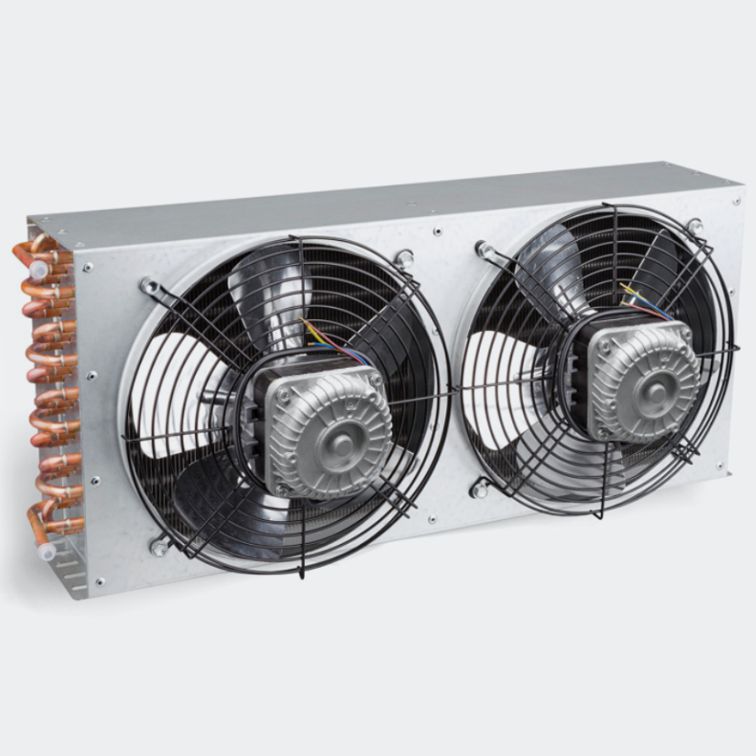
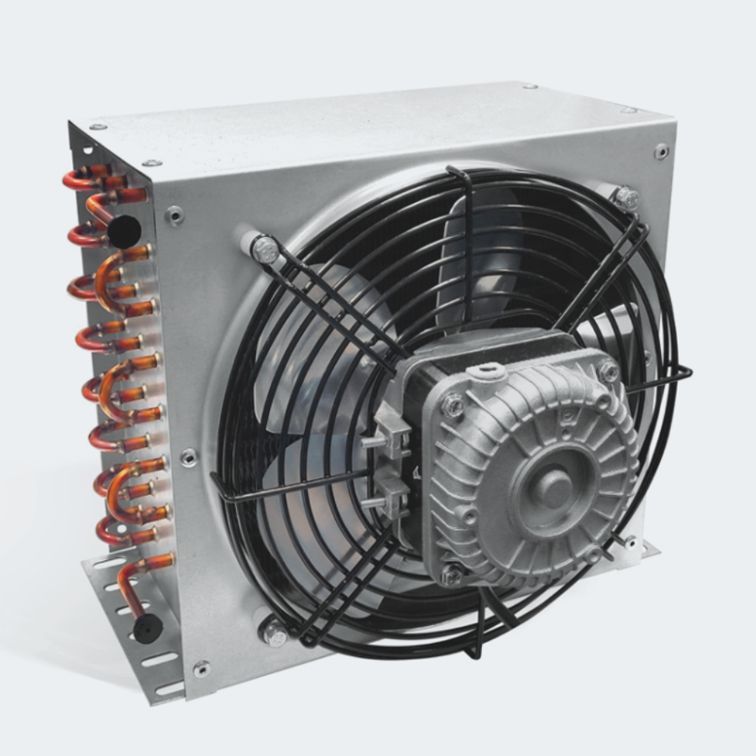
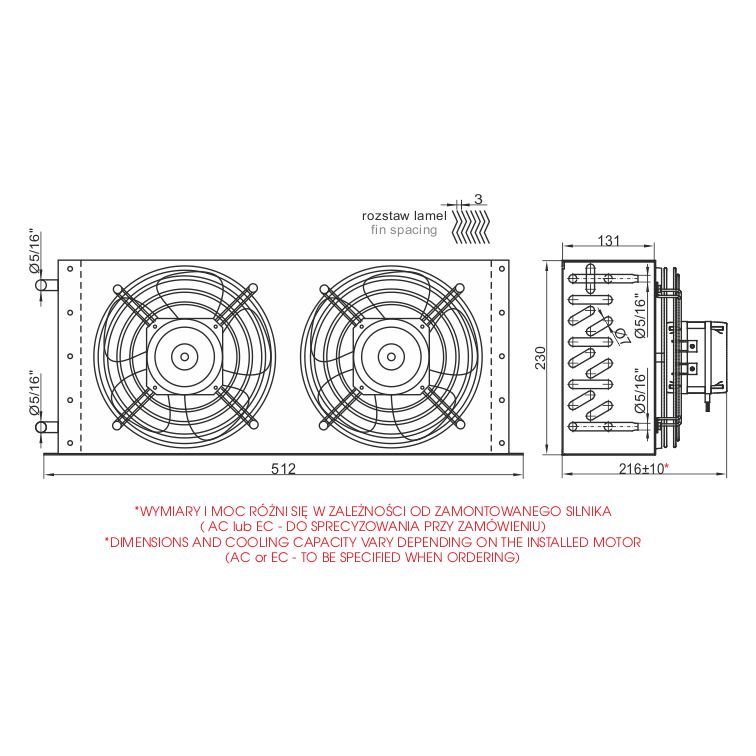

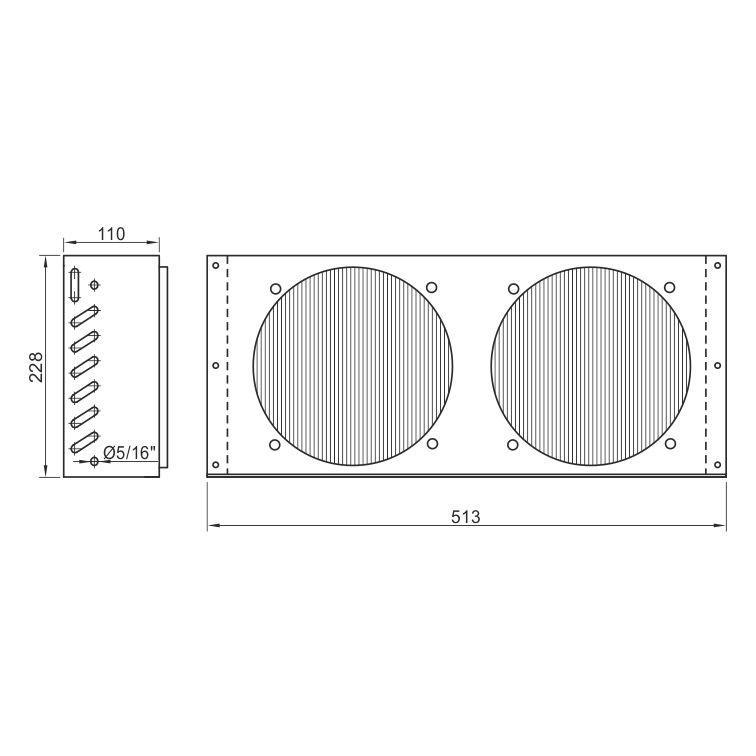
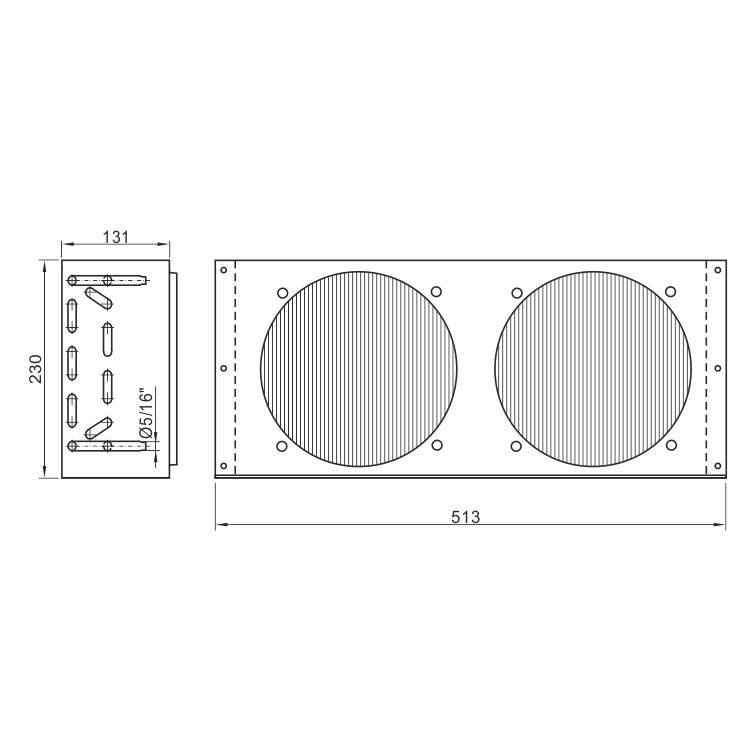
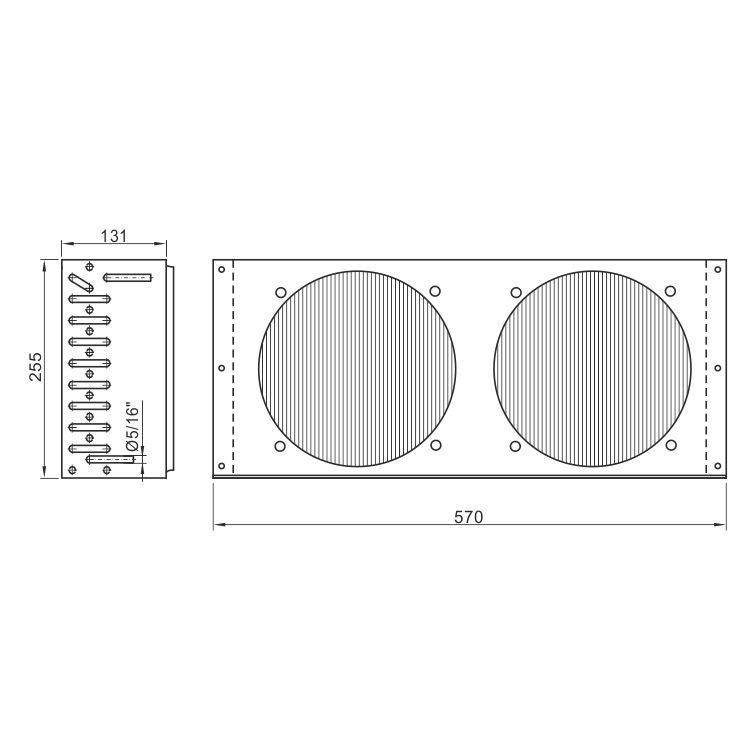
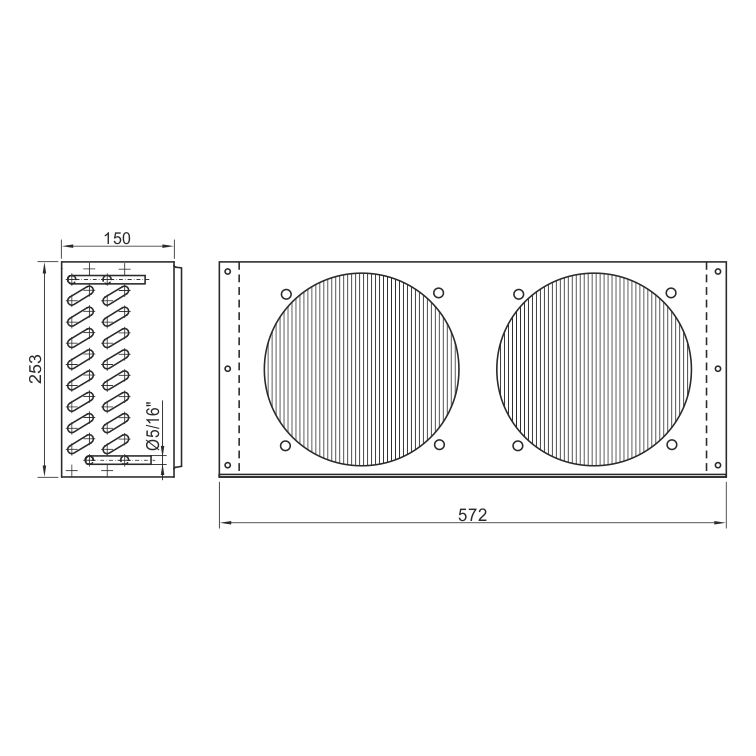
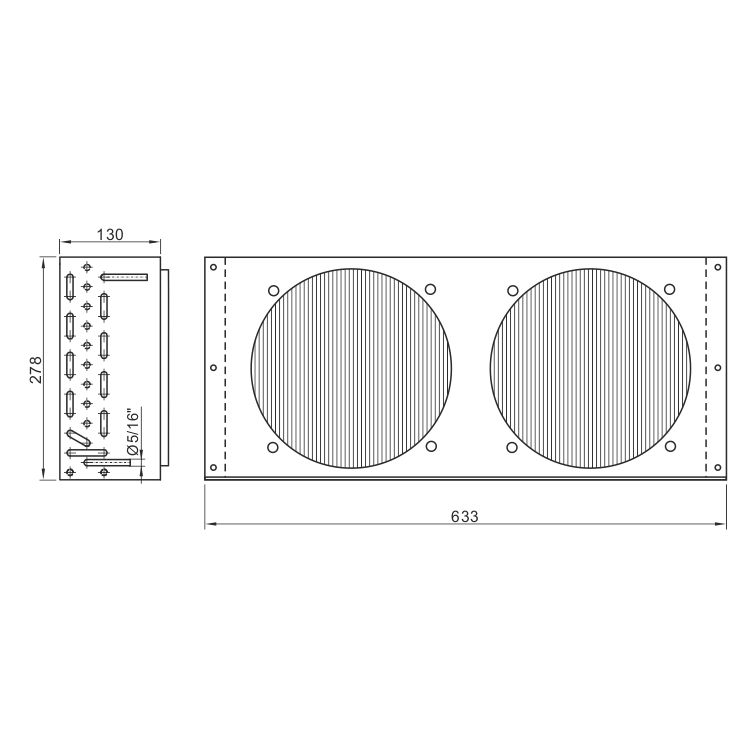
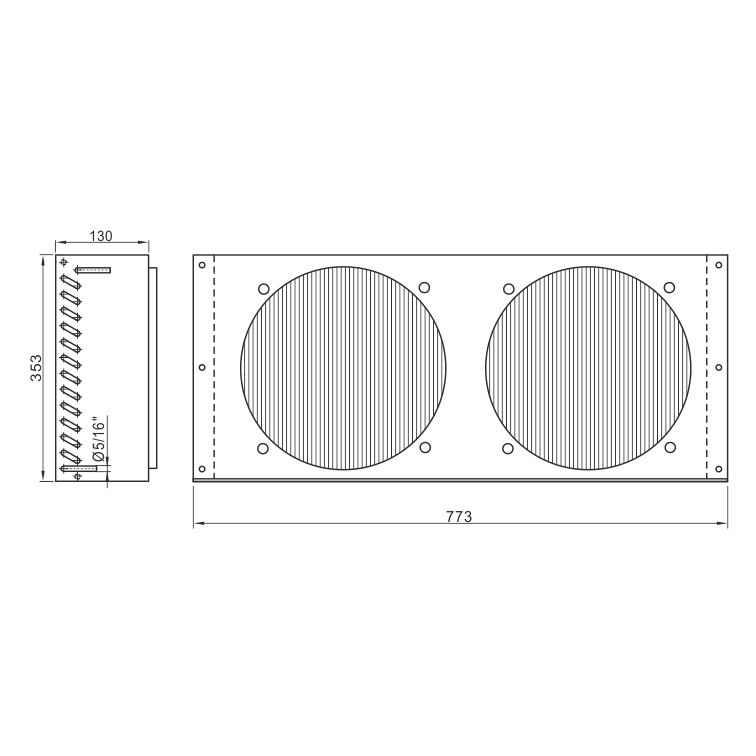
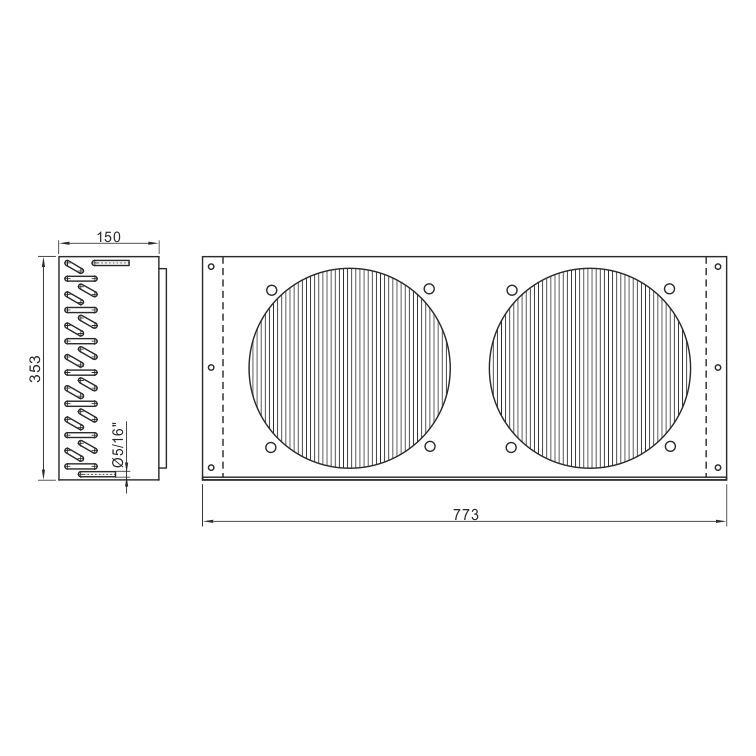
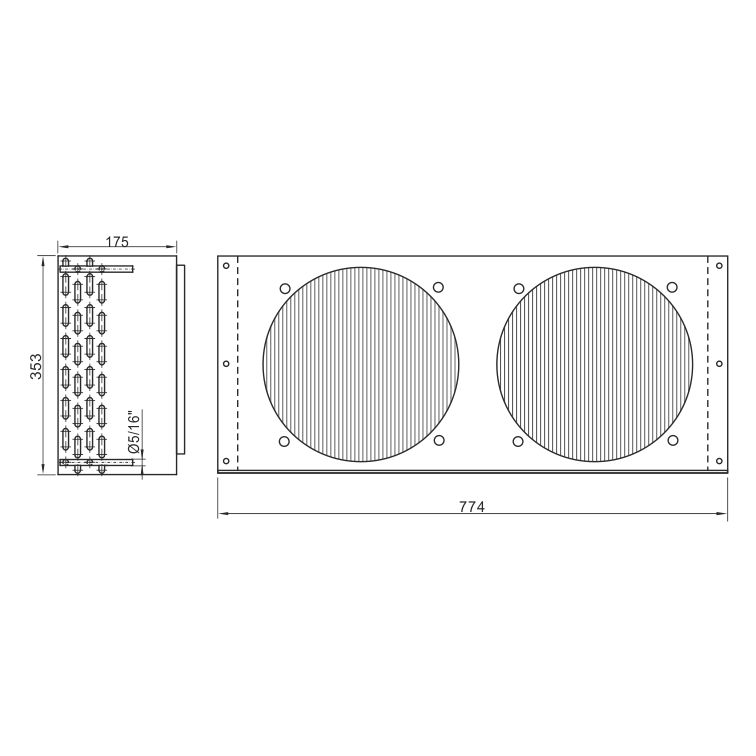
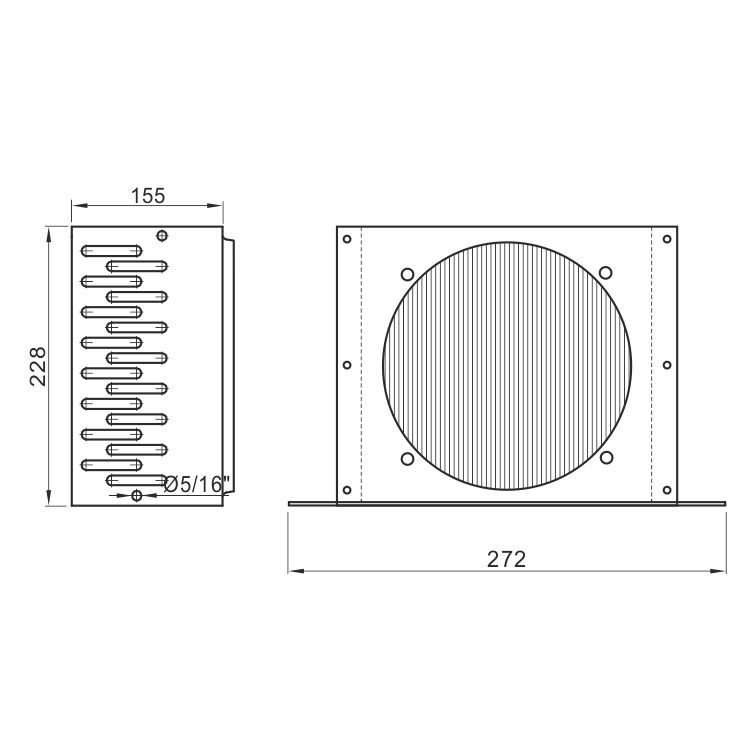
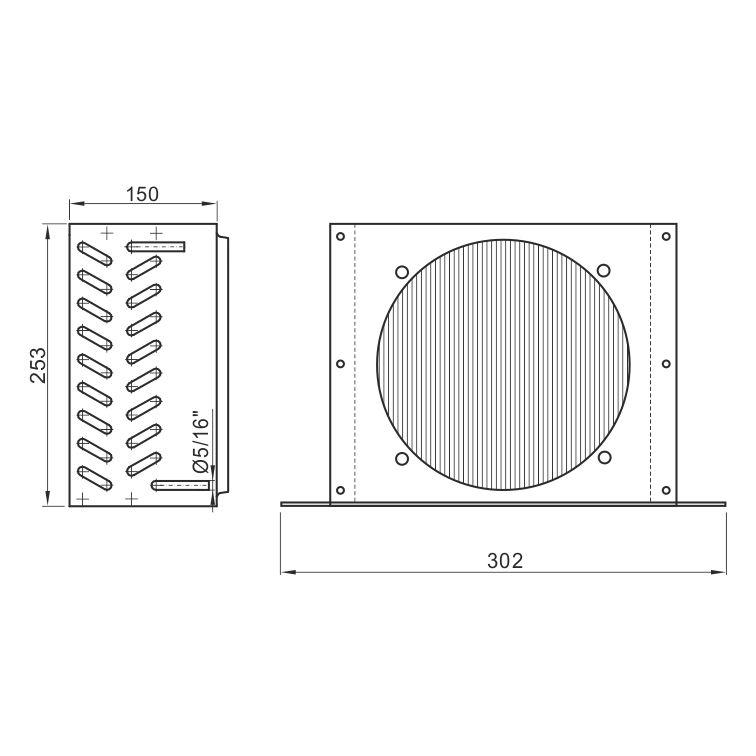
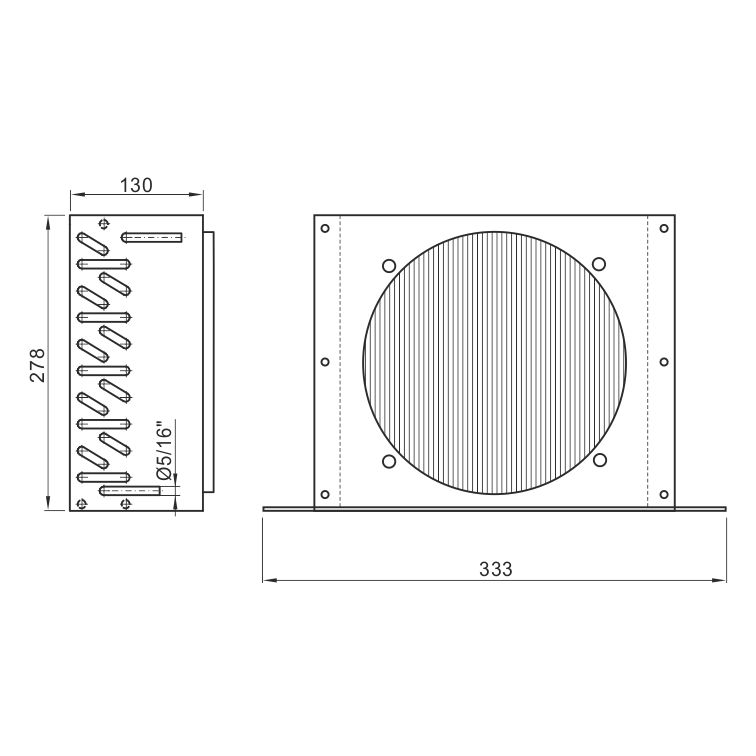
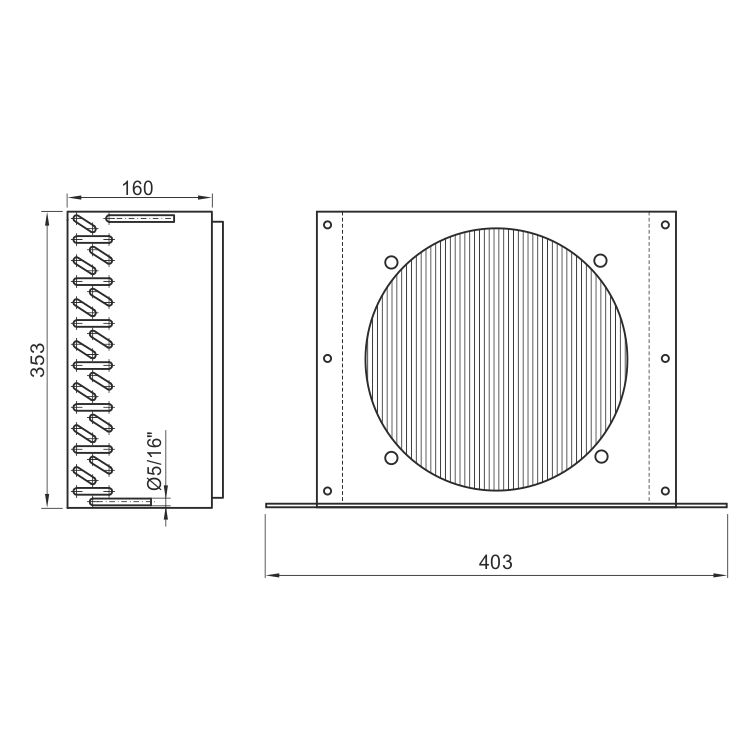
No product matches the selected filters.
How to choose
The condenser is chosen for the capacity, the refrigerant and the space available
The capacity of a condenser is stated at a defined temperature difference – with us most often delta T = 15 K for R290. The same heat exchange with another refrigerant and another difference gives a different figure, so comparing capacities without checking the conditions leads nowhere.
At the same capacity a microchannel condenser is smaller and lighter than a finned one, and it also holds less refrigerant – which matters with hydrocarbons, because the charge of the circuit is limited by regulation. It costs more and is harder to repair, so it is chosen where space or a charge limit is what counts.
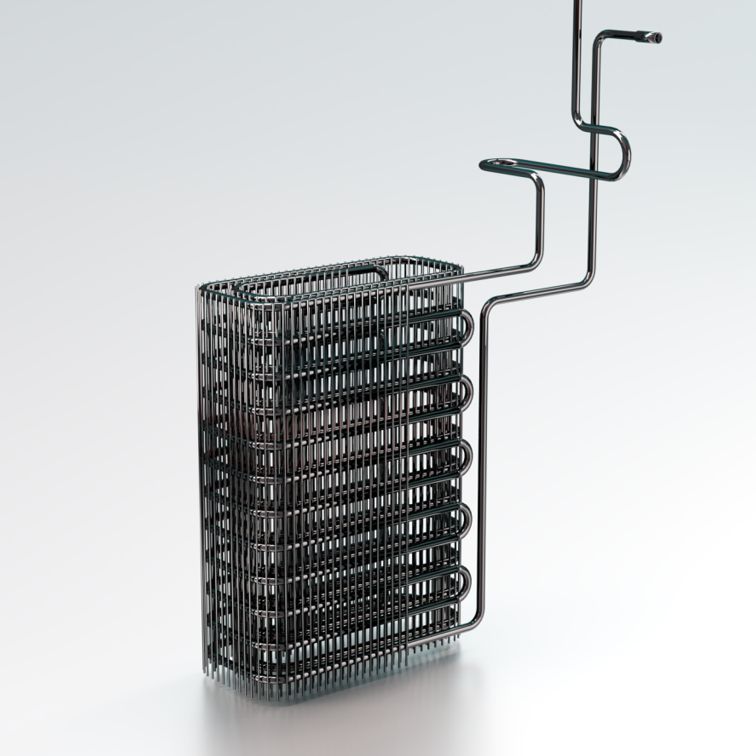
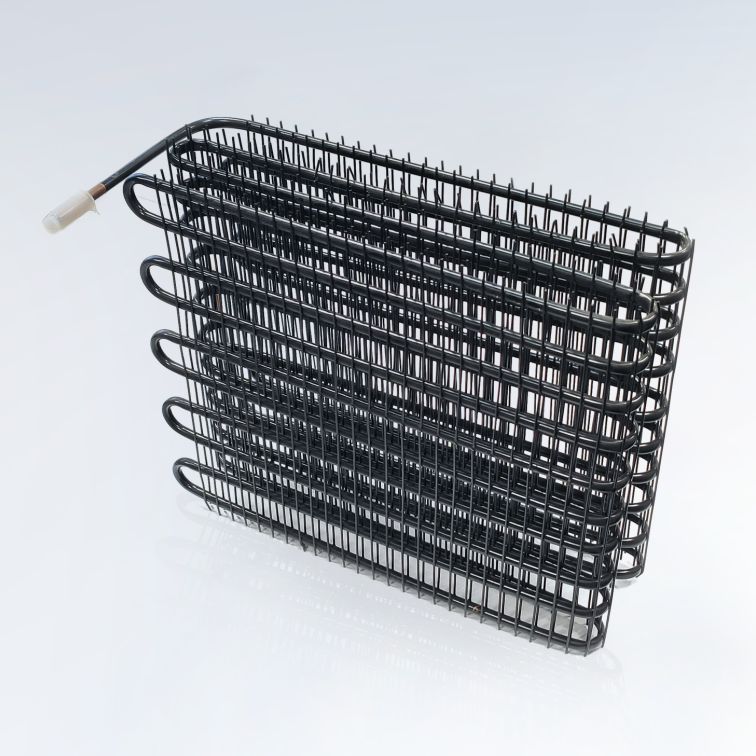
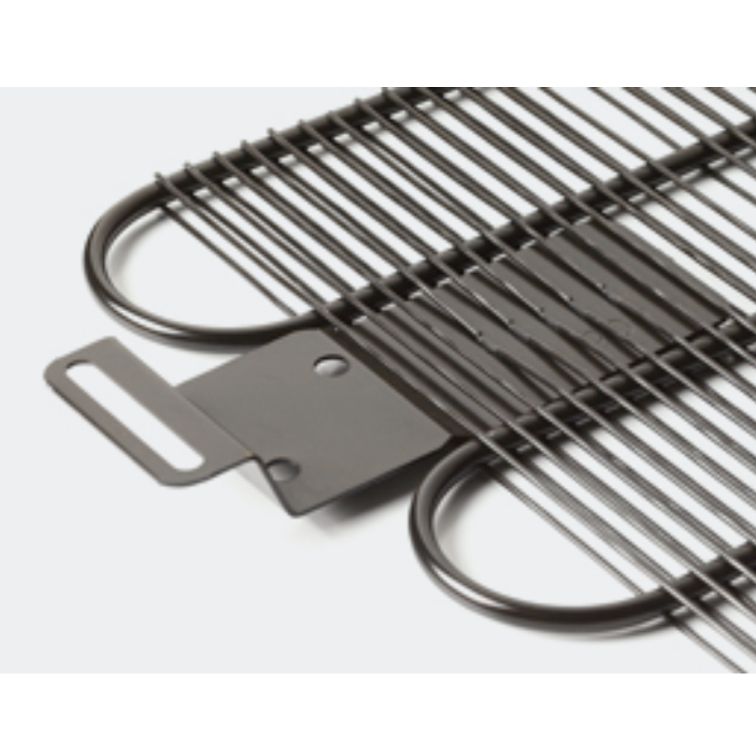
A steel gravity condenser has no fan – it gives off heat by natural convection. It works silently and has nothing to break down, but it needs free airflow around it and a larger area. It is a solution for quiet display cases and for appliances where a fan would be a problem.
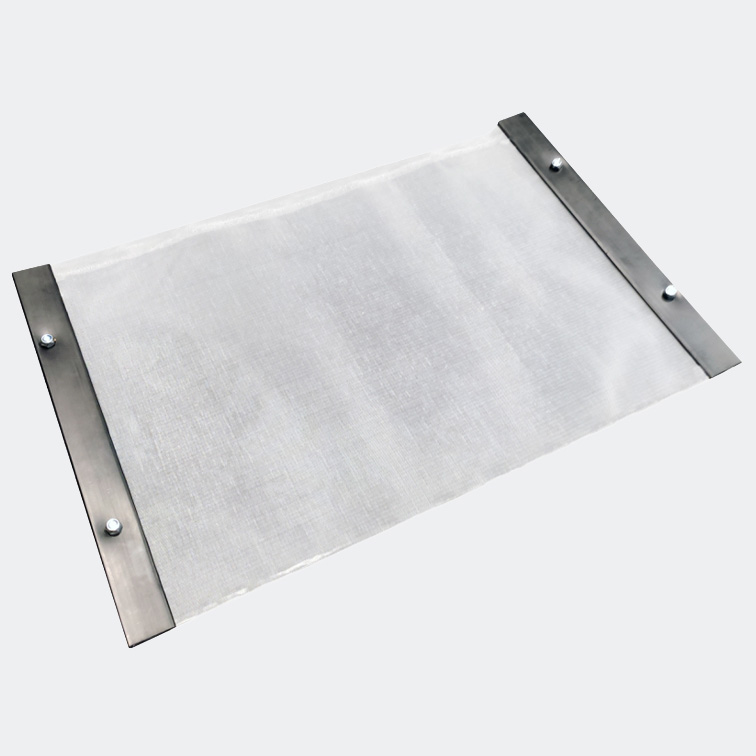
A mesh filter in front of the condenser is the item that pays for itself fastest in this whole category. Clogged fins raise the condensing pressure, and that translates directly into power consumption and into the life of the compressor.
- Compare capacities at the same conditions and refrigerant
- Microchannel saves space and limits the charge
- A gravity model works without a fan but needs space
- A mesh filter protects the compressor and the electricity bill
- Heat exchangers are also selected on request, for a specific circuit
Prices, availability and ordering
Prices and stock levels are in the B2B shop. Heat exchangers for a specific circuit are quoted individually.