
Baffle and mesh filters for kitchen hoods
A filter in a hood catches grease before it reaches the ventilation duct, and how well it does so decides how often the ductwork has to be cleaned and how serious the fire risk is. A baffle filter separates the grease on the folds of the metal and can go in the dishwasher; a mesh filter catches it in layers of mesh and needs cleaning more often. The size is matched to the clear opening of the hood frame, and lighting and mounting accessories are in the same category.
7 products
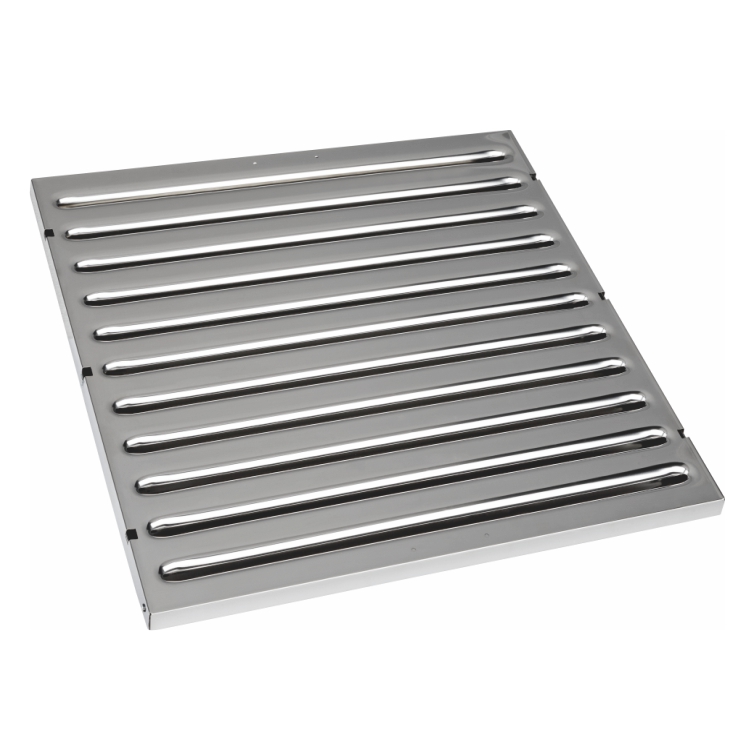 Filter Hood filter – various models KP-FLI View product page
 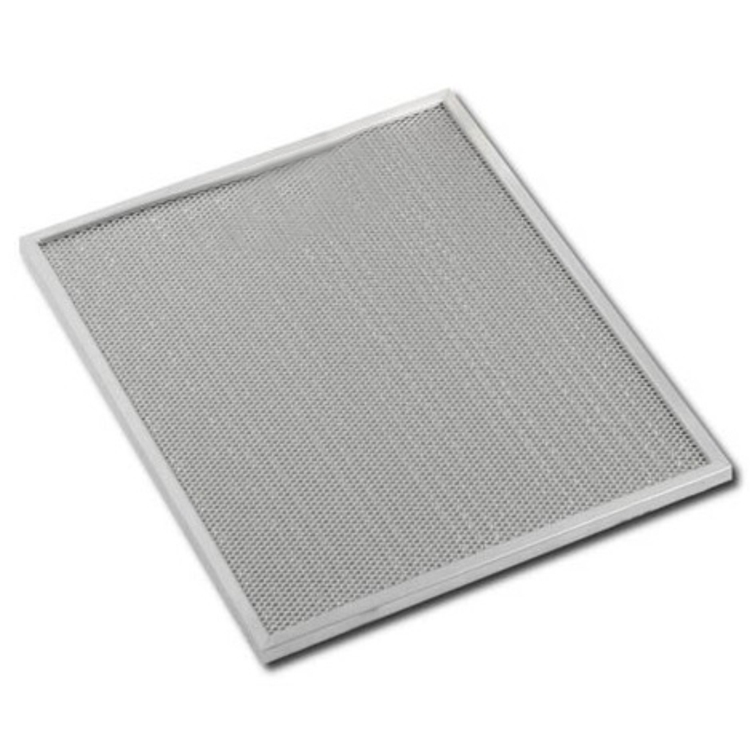 Filter Mesh filter KP-FSI mesh AISI-304 stainless steel, frame AISI-304 / galvanised steel, View product page
 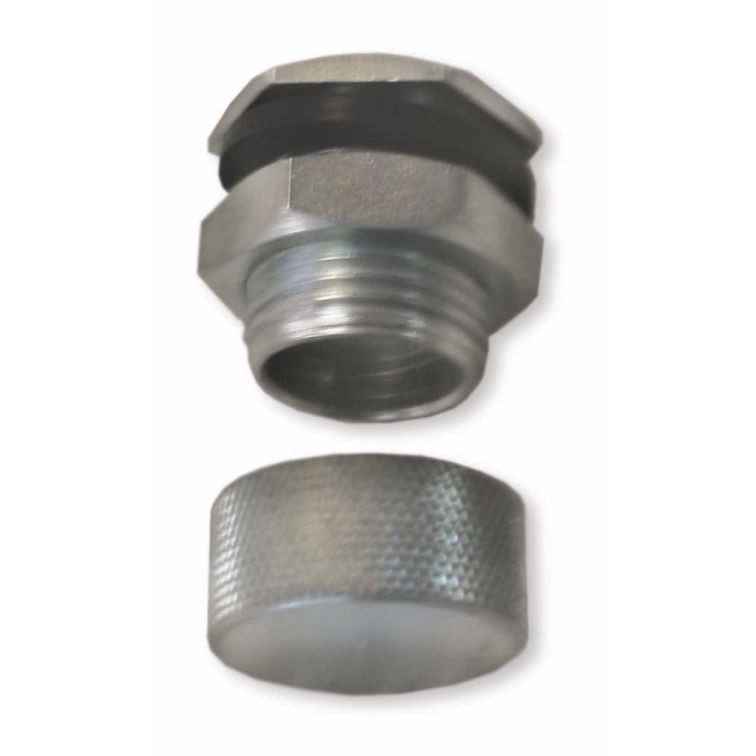 Accessory Hood oil drain valve KP-DV-30-IX View product page
 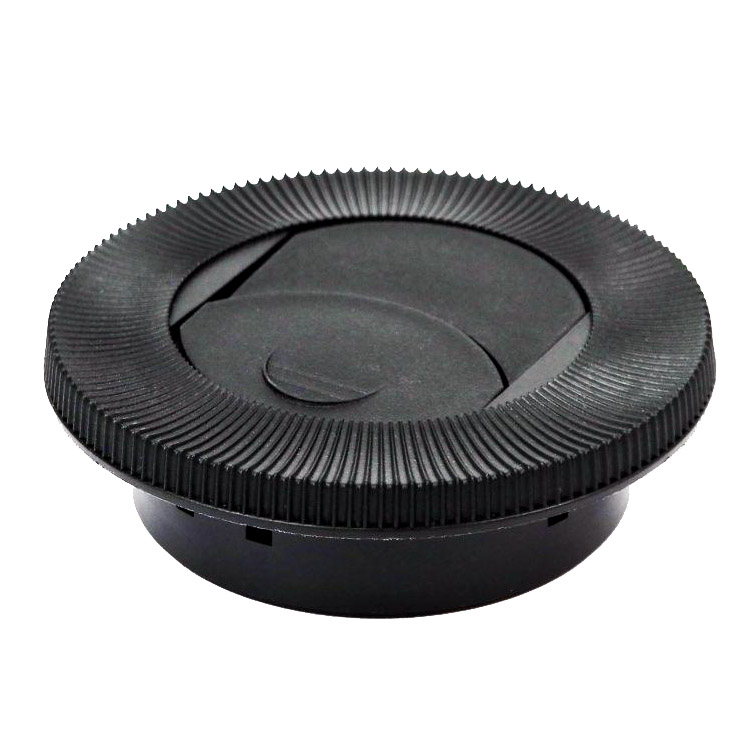 Accessory Hood ventilation valve (black polypropylene) KP-DA1 View product page
 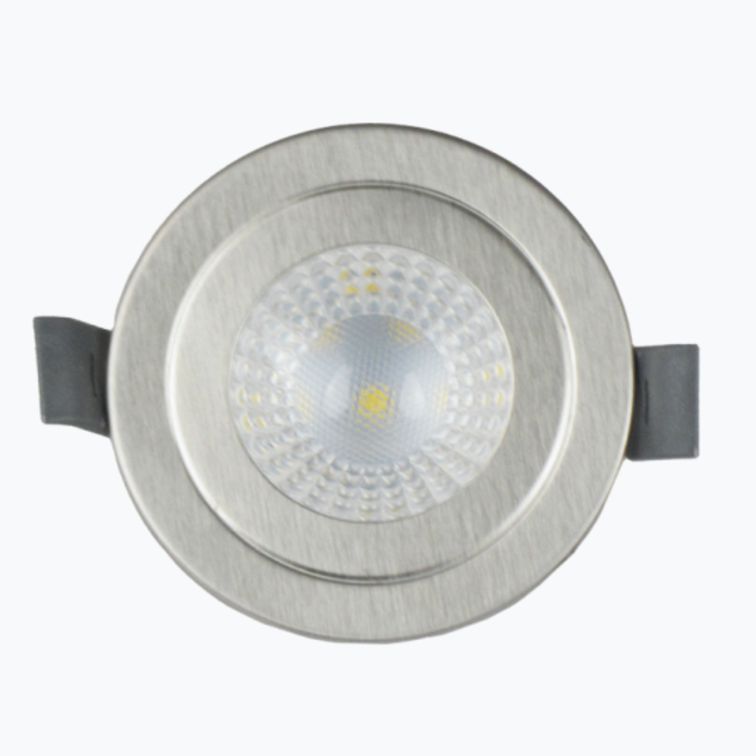 Hood lighting LED hood lamp KP-DL-LED LED type 2835-0.5W number of LEDs 8 View product page
 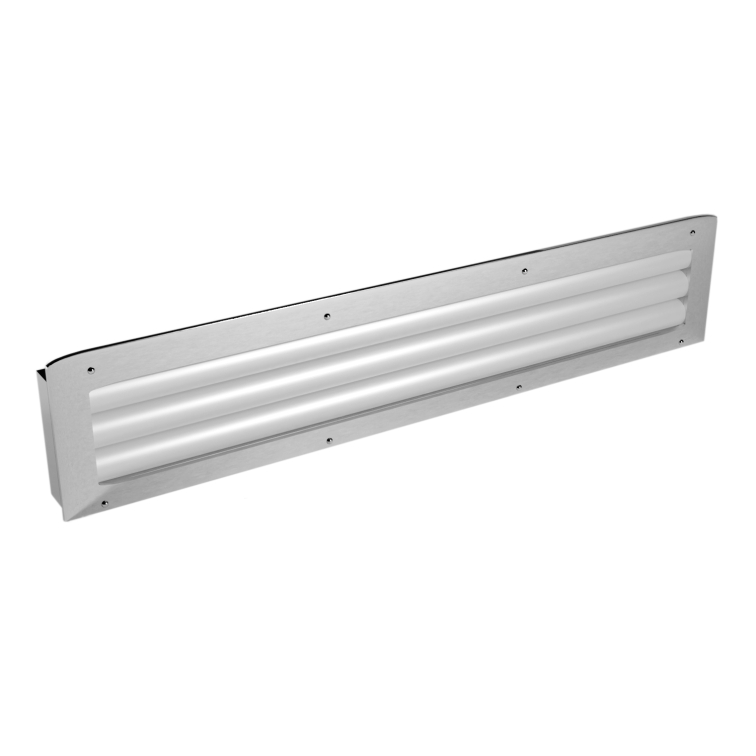 Accessory Light fitting 1255x272x45 mm KP-LCE1225 input voltage 100-240 V power factor >0.9 View product page
 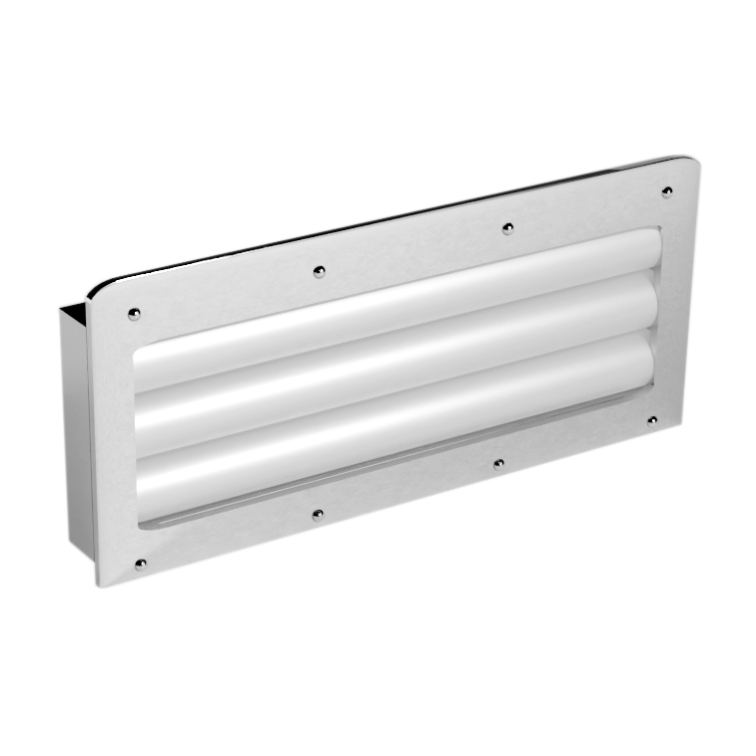 Accessory Light fitting 655x272x45 mm KP-LCE6225 input voltage 100-240 V power factor >0.9 View product page
 No product matches the selected filters.
How to choose
Baffle or mesh – the difference is in efficiency and in cleaning
A baffle filter forces the airflow to change direction several times; the grease cannot follow the turn and settles on the walls, from where it runs into a gutter. It is more efficient than a mesh filter and easier to maintain, because it goes in the dishwasher and has no structure that clogs permanently.
A mesh filter catches the grease in a dense weave. It costs less but clogs faster, and grease once dried in the weave is hard to rinse out. A clogged filter throttles the extraction – the hood runs louder and draws less, which shows up first as steam staying under the ceiling.
How often to clean depends on what is being fried, not on the calendar. In a kitchen with a fryer the filters go in the dishwasher daily; with steam cooking once a week is enough. A neglected filter is not just dirt in the duct – it is combustible material in the path of hot air.
- Baffle is more efficient and easier to clean
- Mesh is cheaper but clogs faster
- A clogged filter throttles extraction and raises the noise
- How often to clean depends on what is being fried
- Grease in the duct is a real fire risk
Prices, availability and ordering
Prices and stock levels are in the B2B shop. Filters in non-standard sizes are made to order.