
Handles, locks and catches for refrigeration equipment
The handle and the catch decide whether the door closes with noticeable resistance, and the lock decides whether the contents are secure once the premises are shut. The wrong hole spacing means drilling into a finished front, and the wrong door thickness range means a catch that misses the keeper. The product card gives the housing material, the door thickness range and the version, so the selection ends with a single check.
79 products
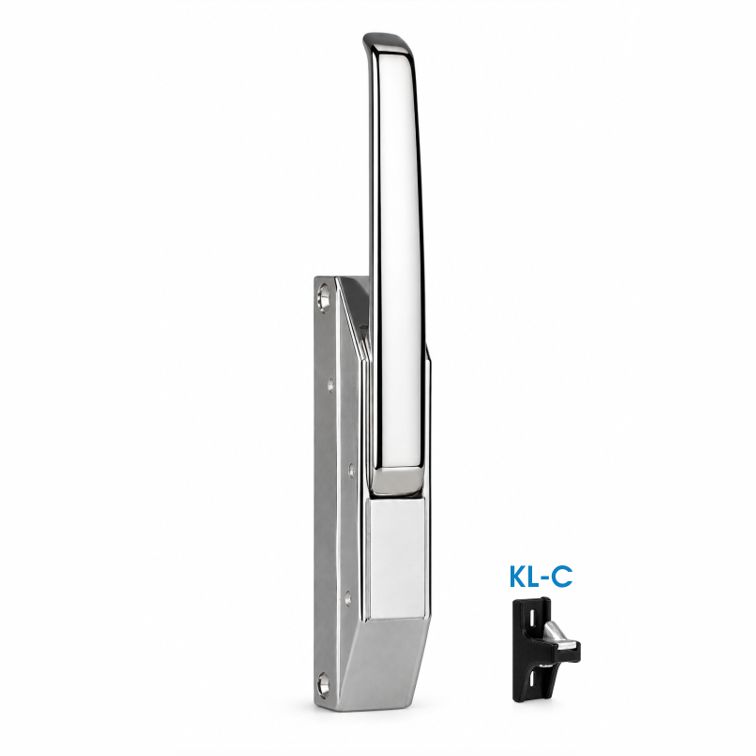
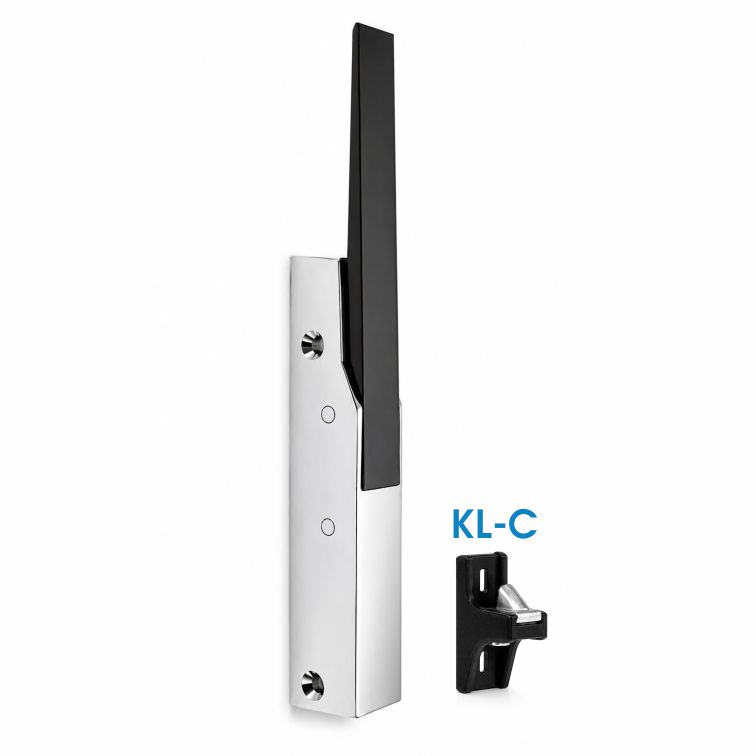
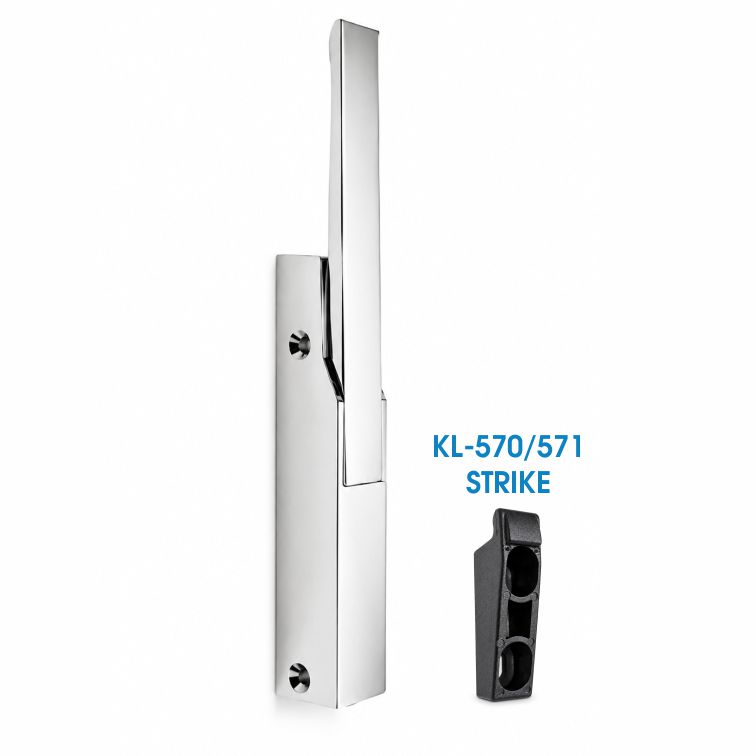
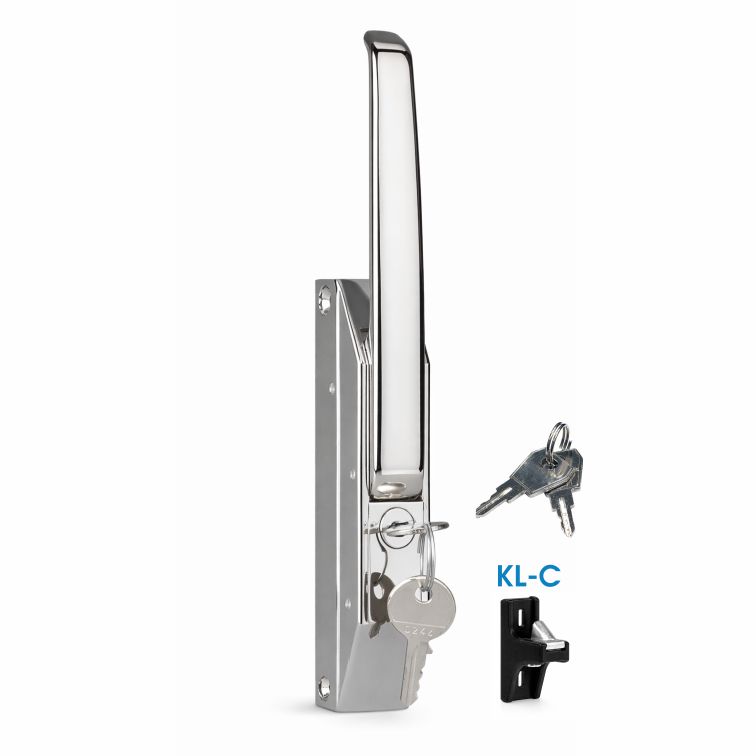
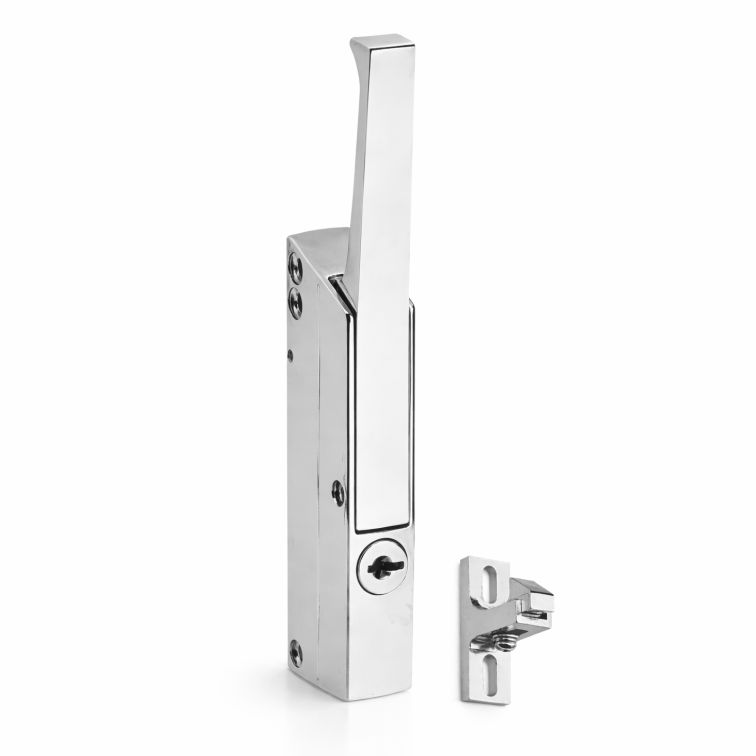
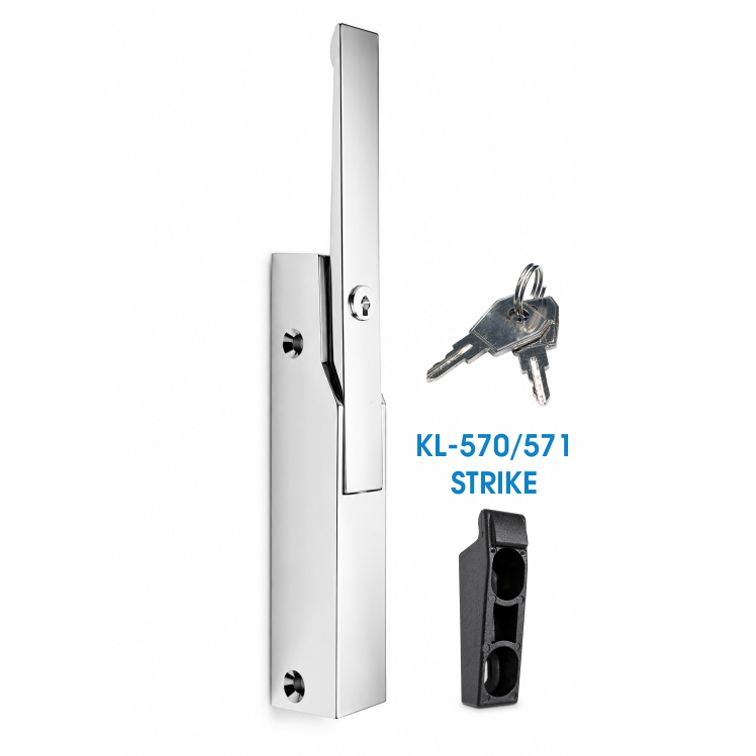
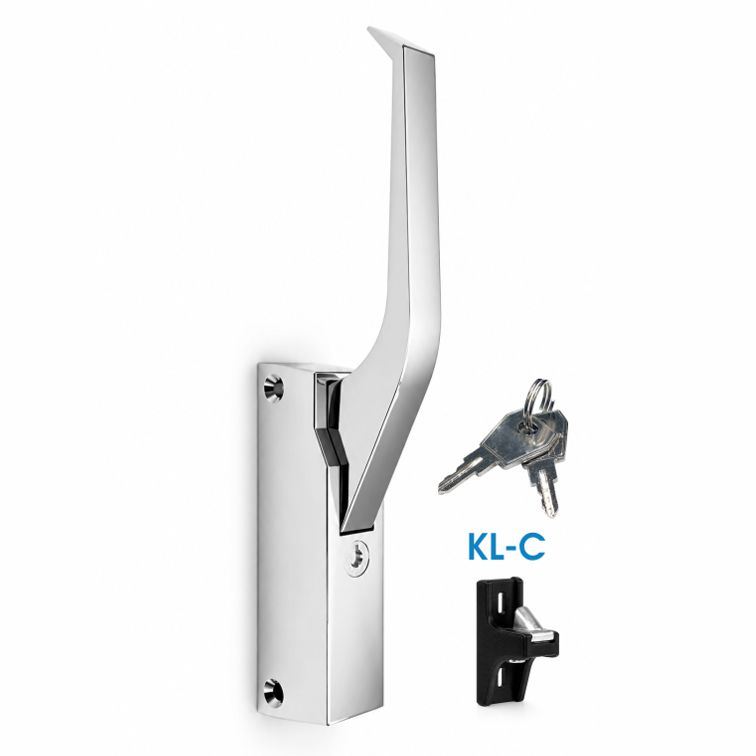
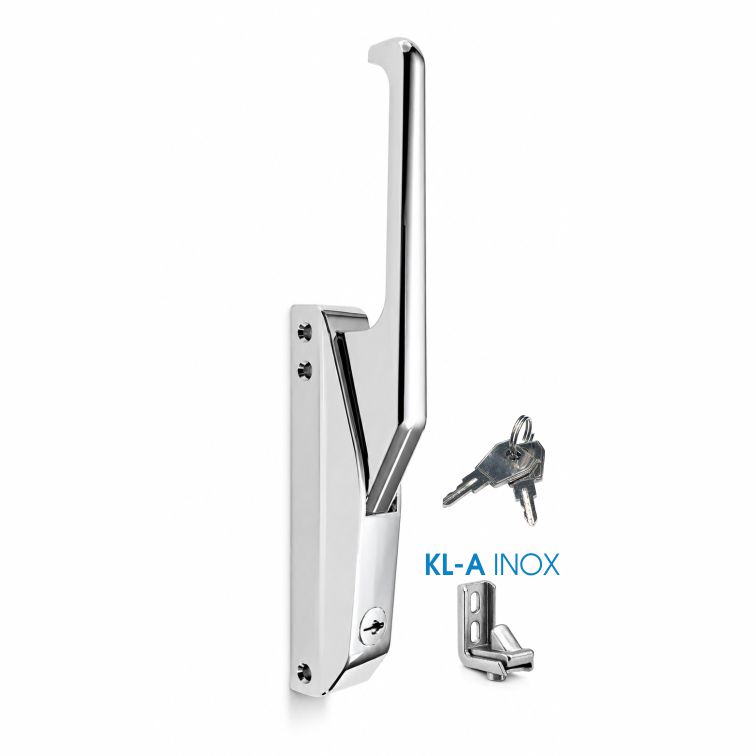
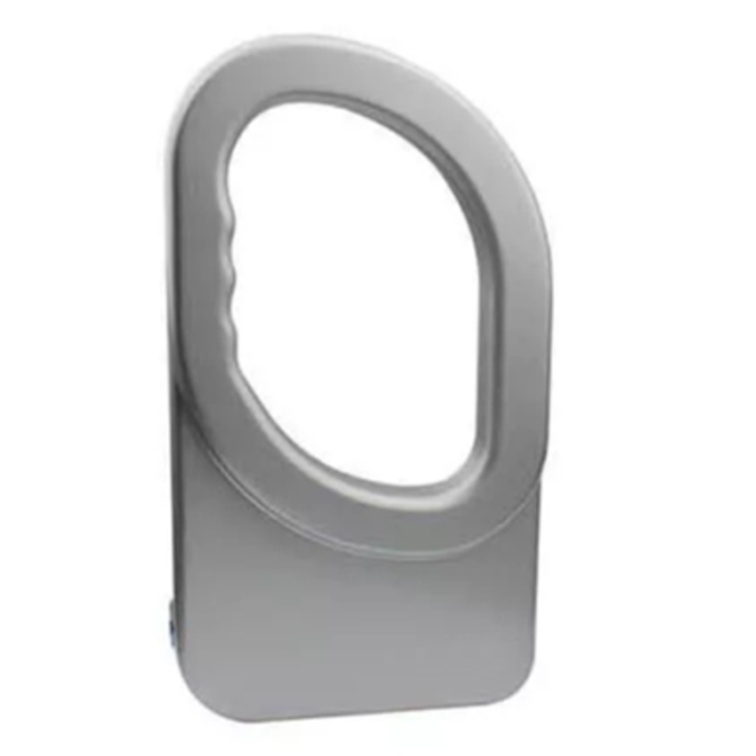
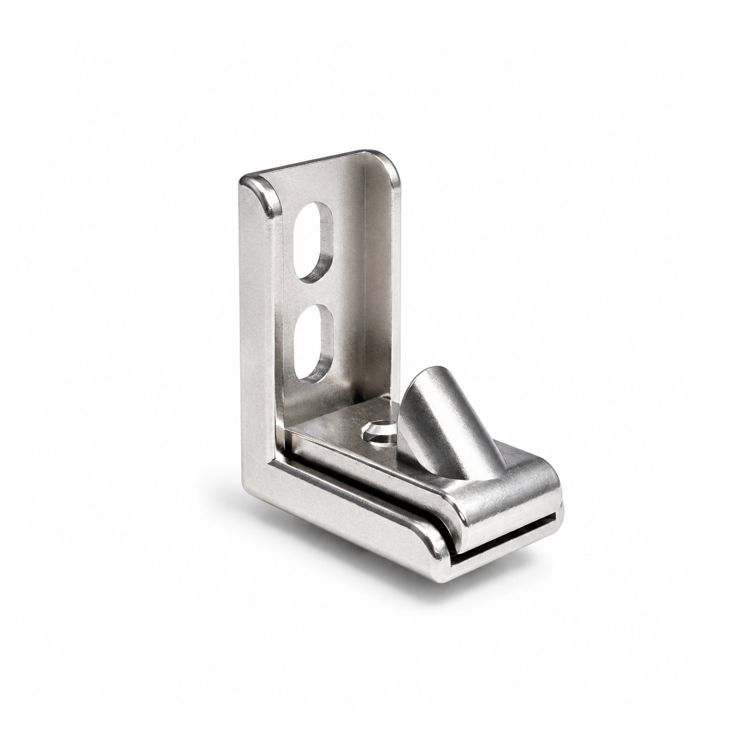
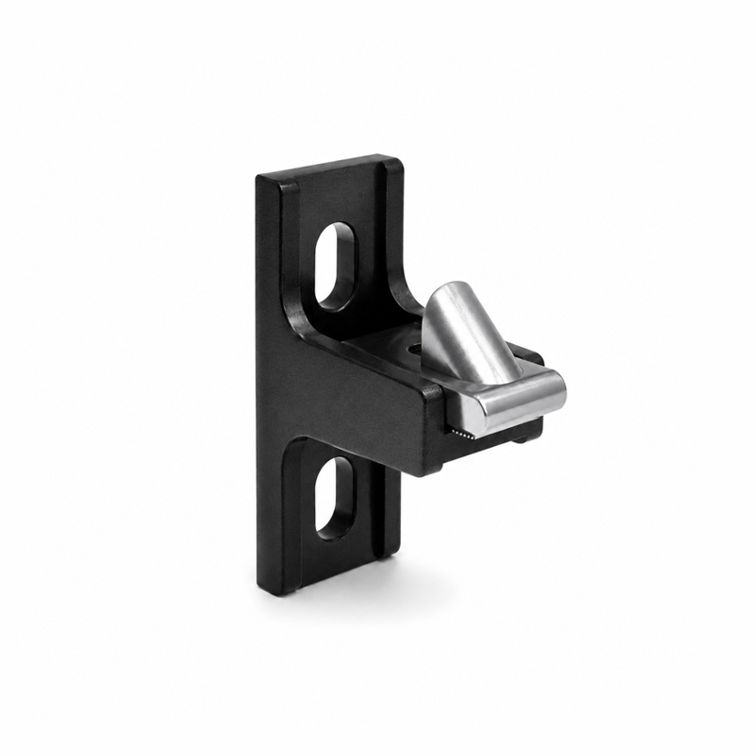
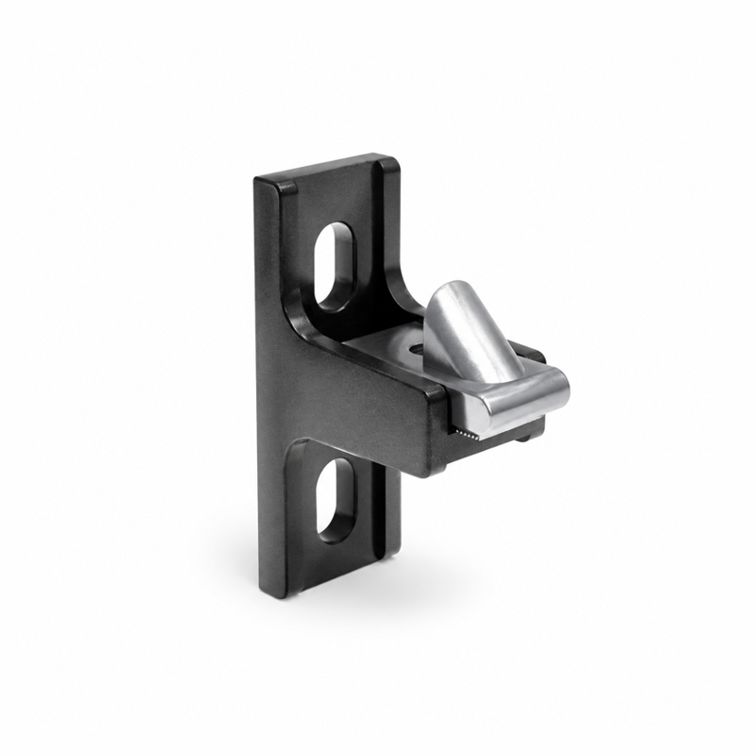
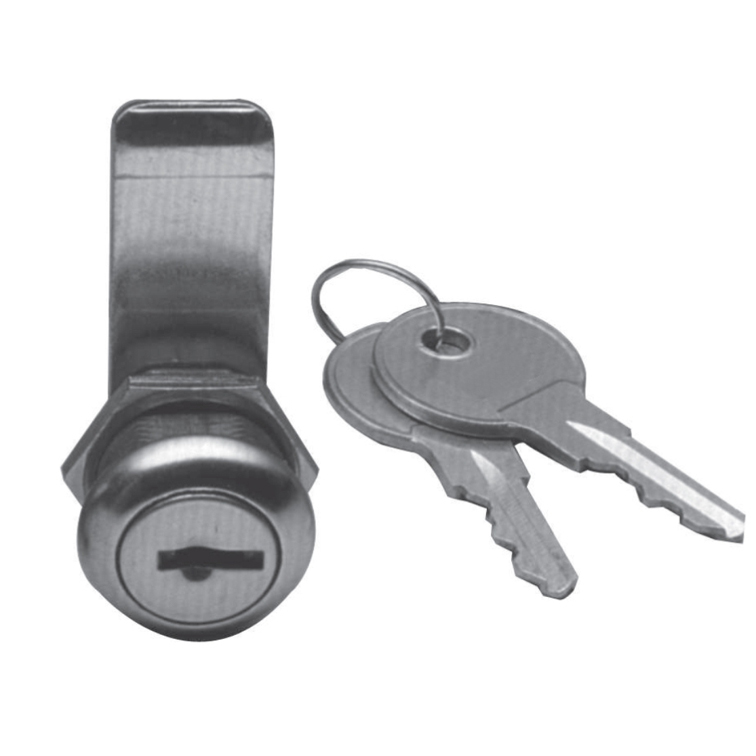
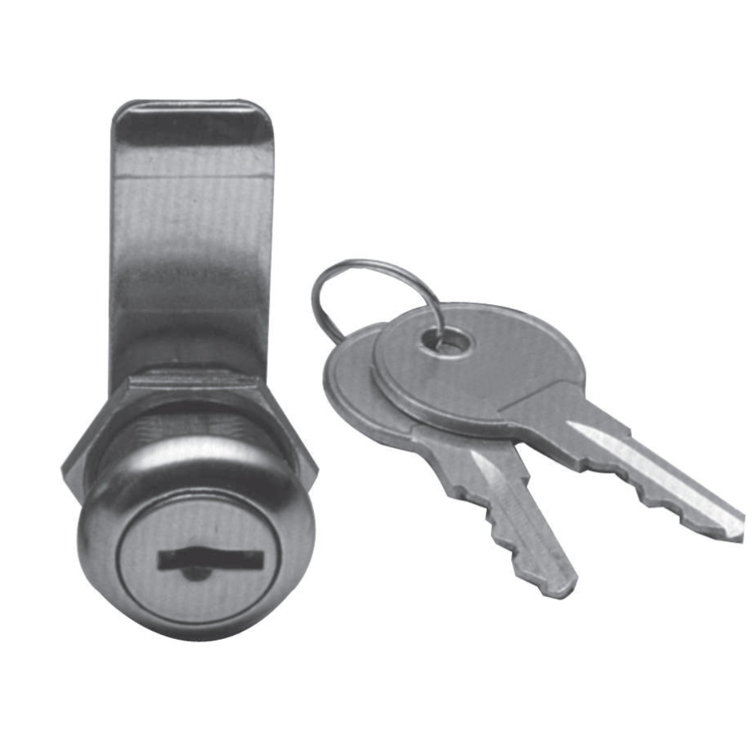
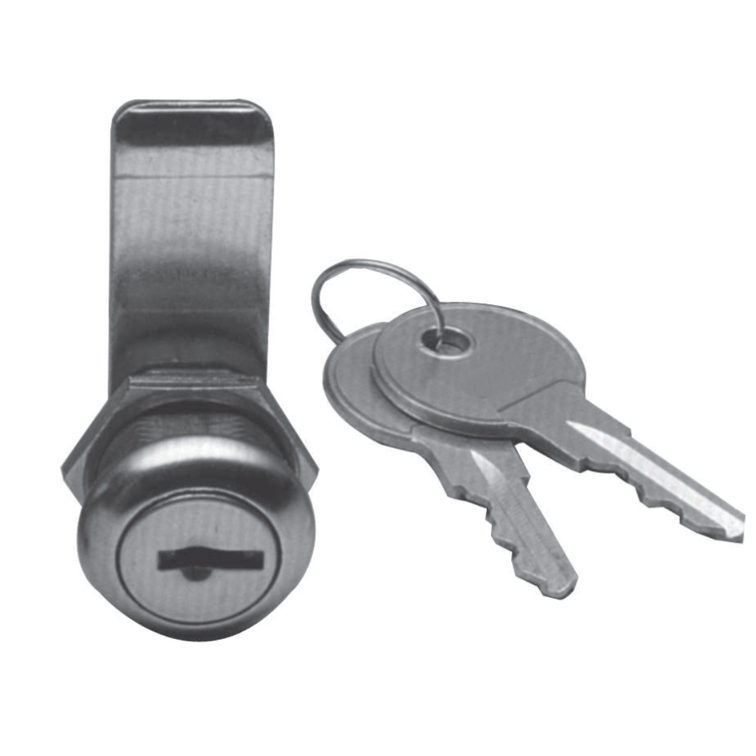
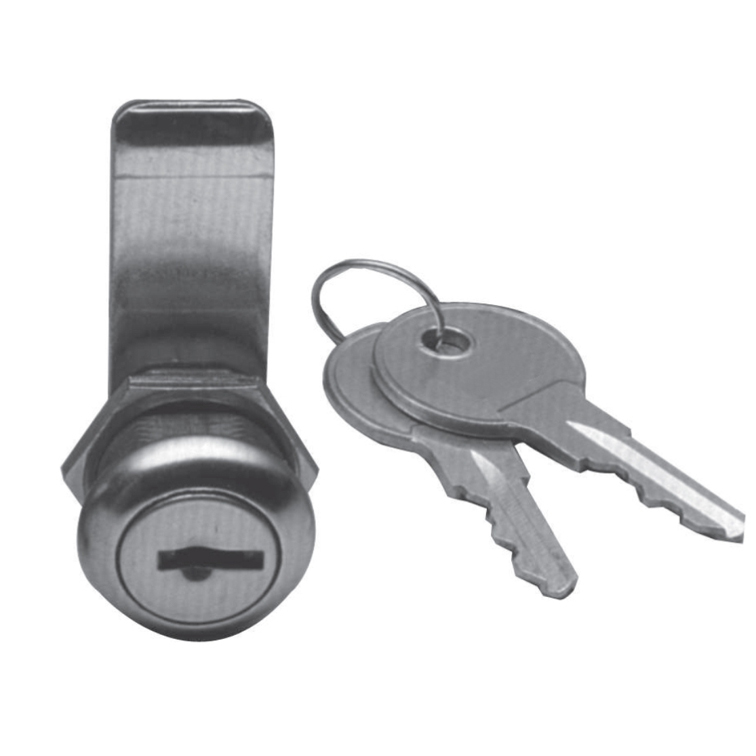
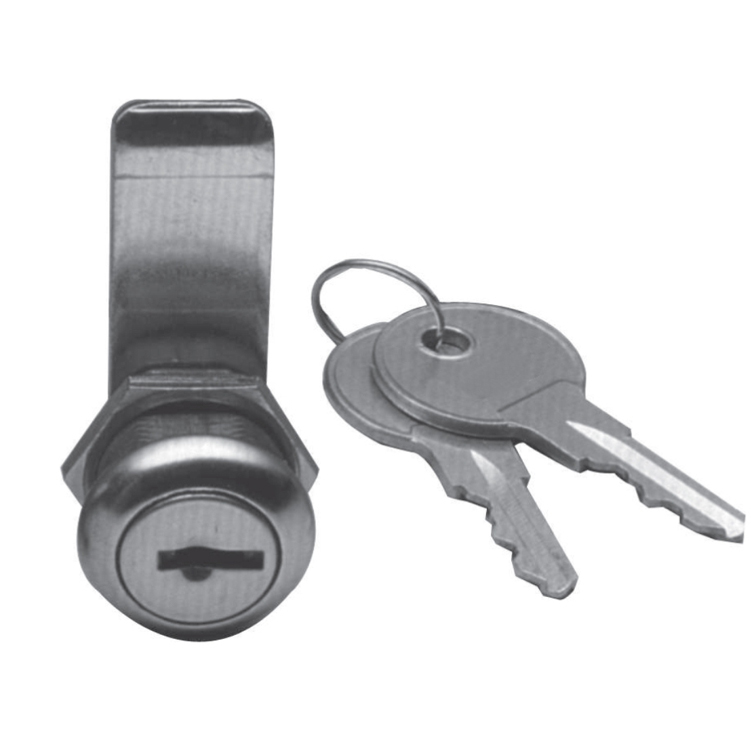
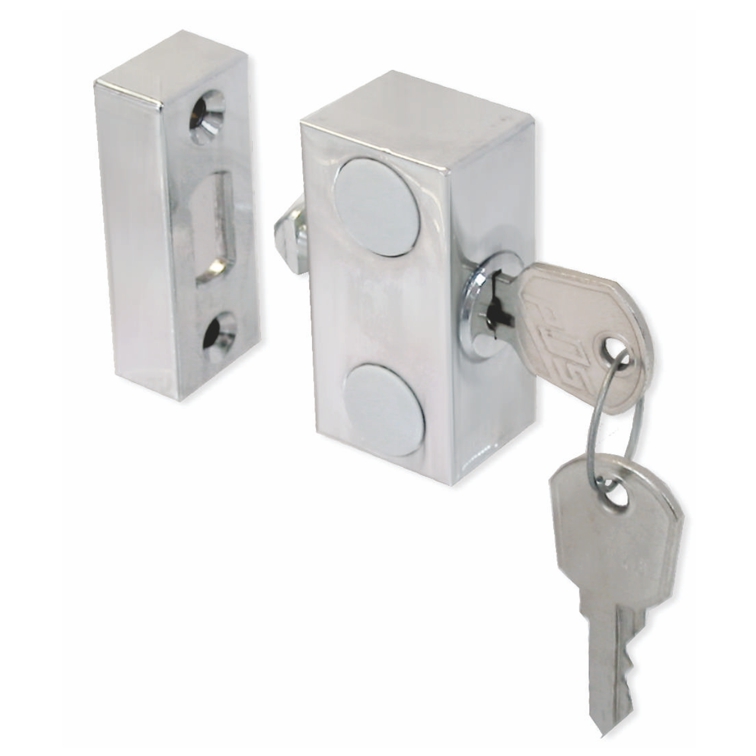
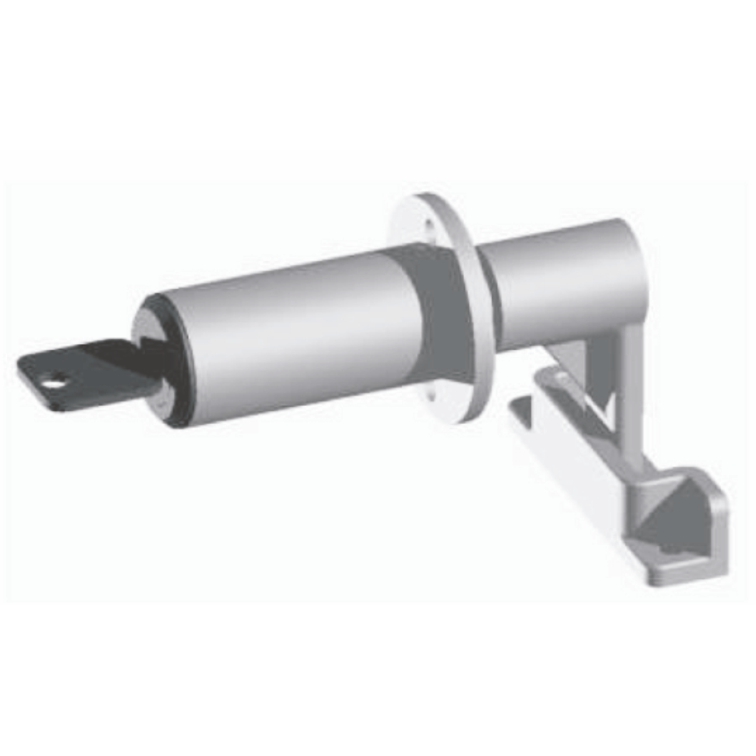
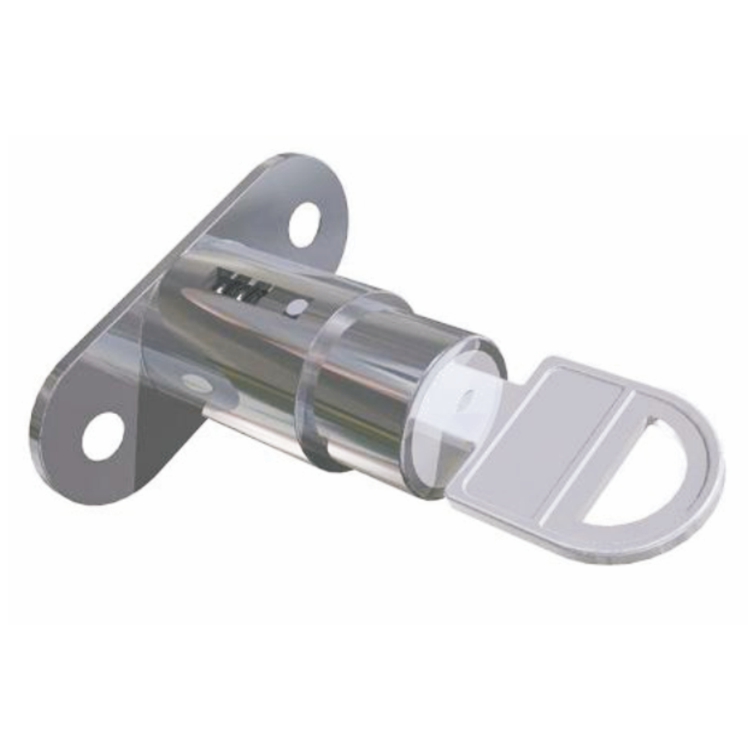
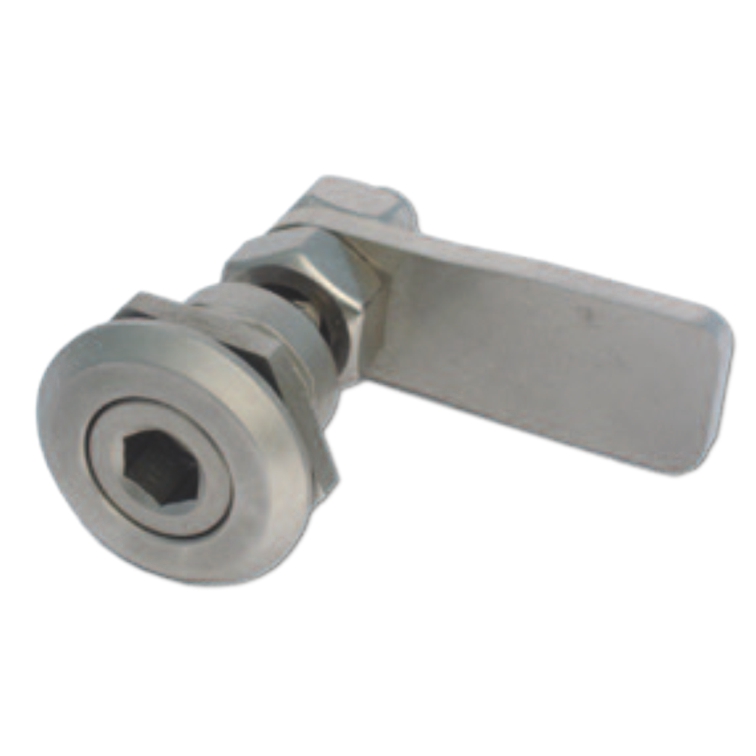
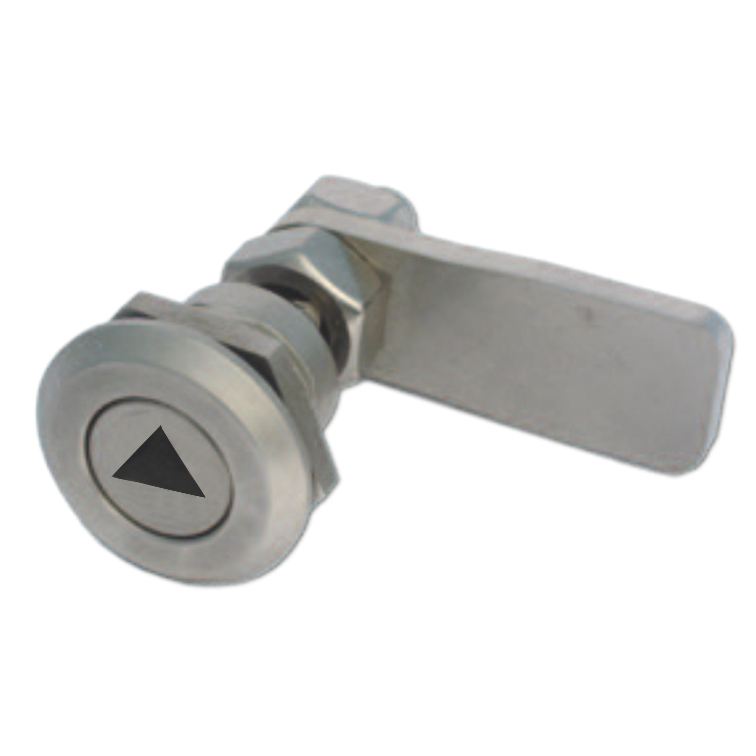
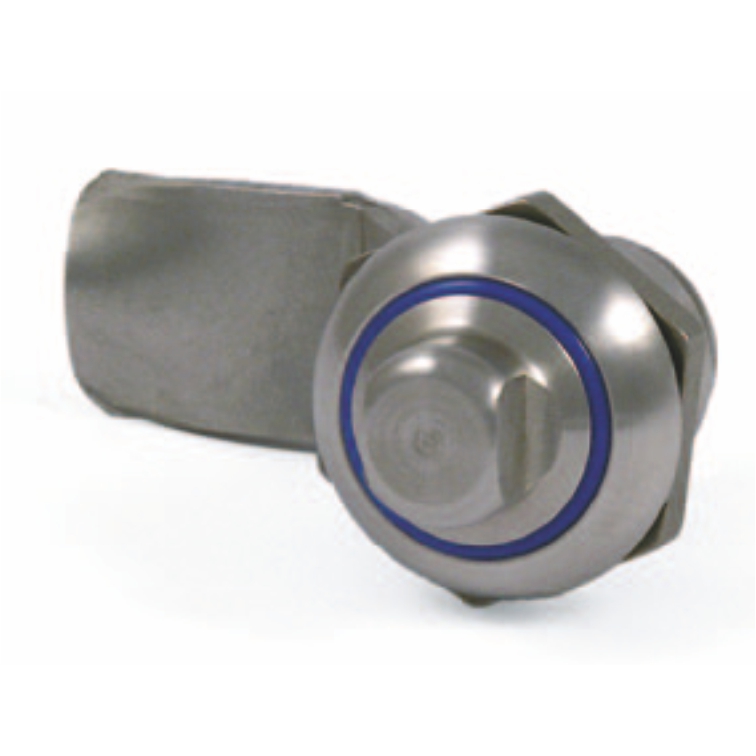
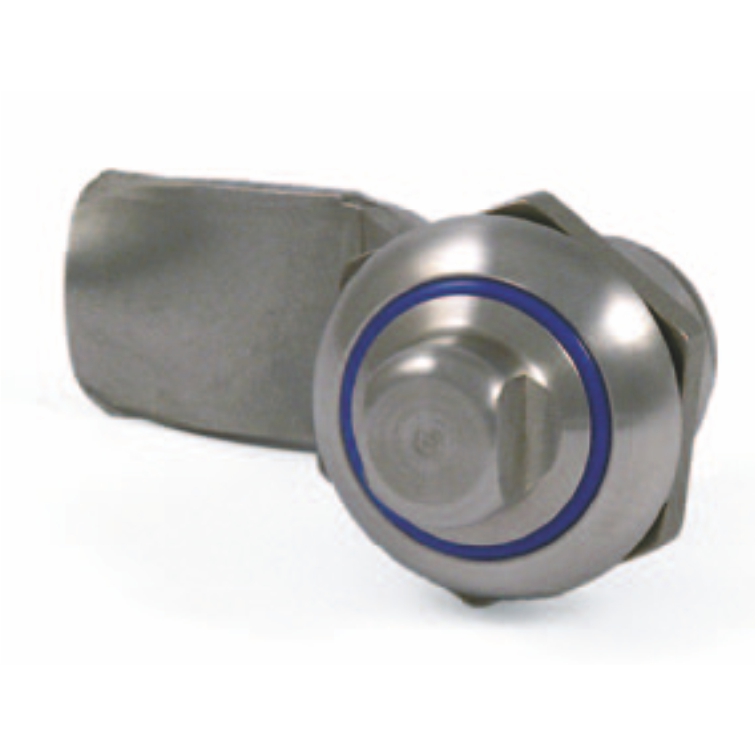
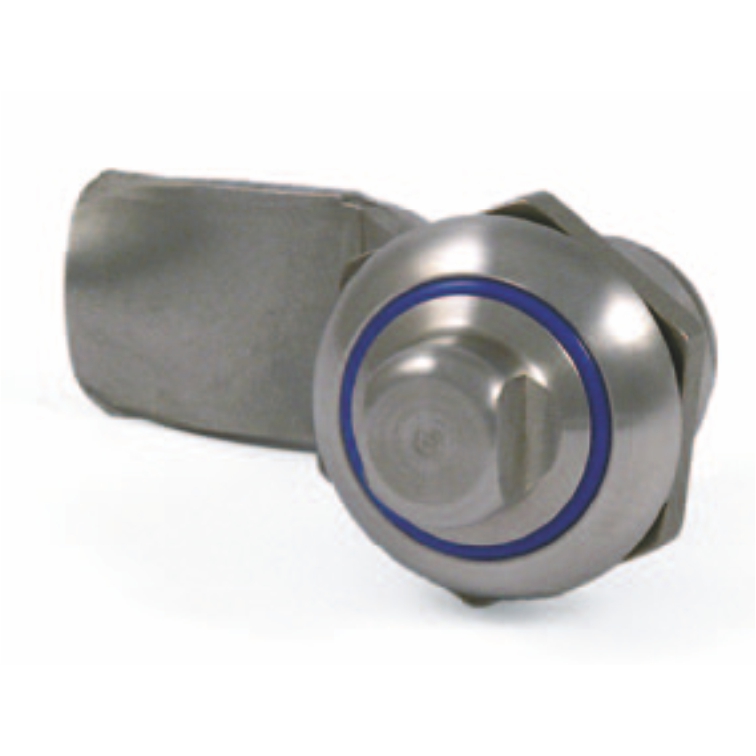
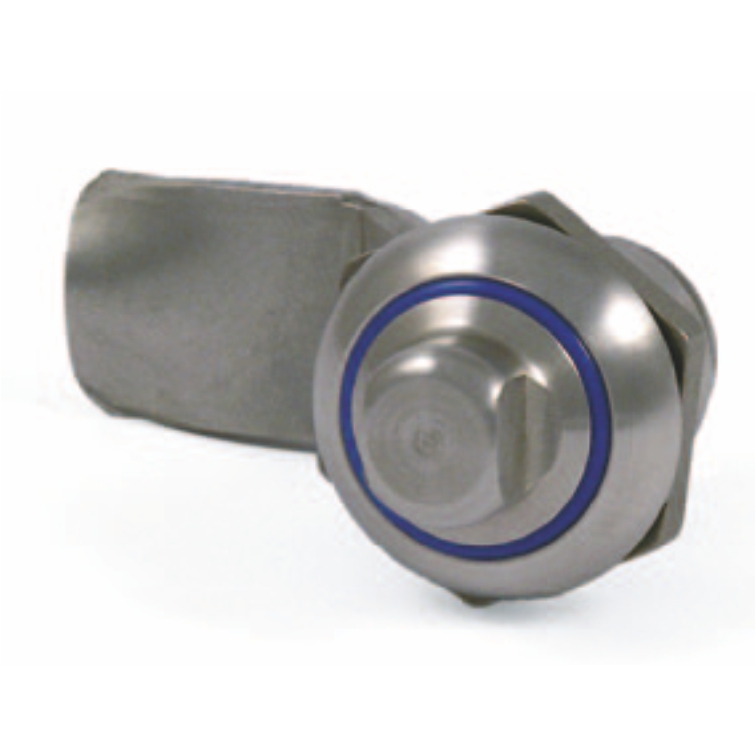
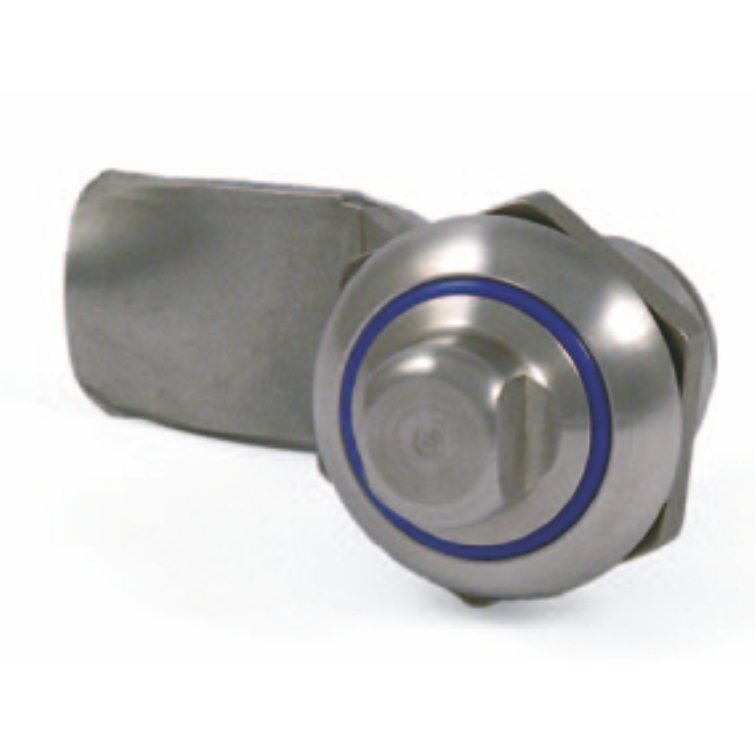
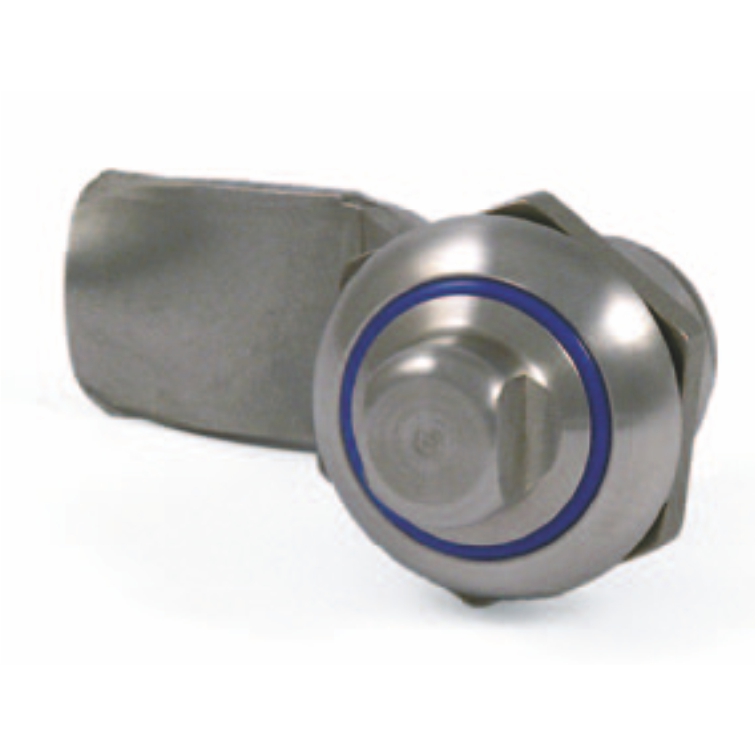
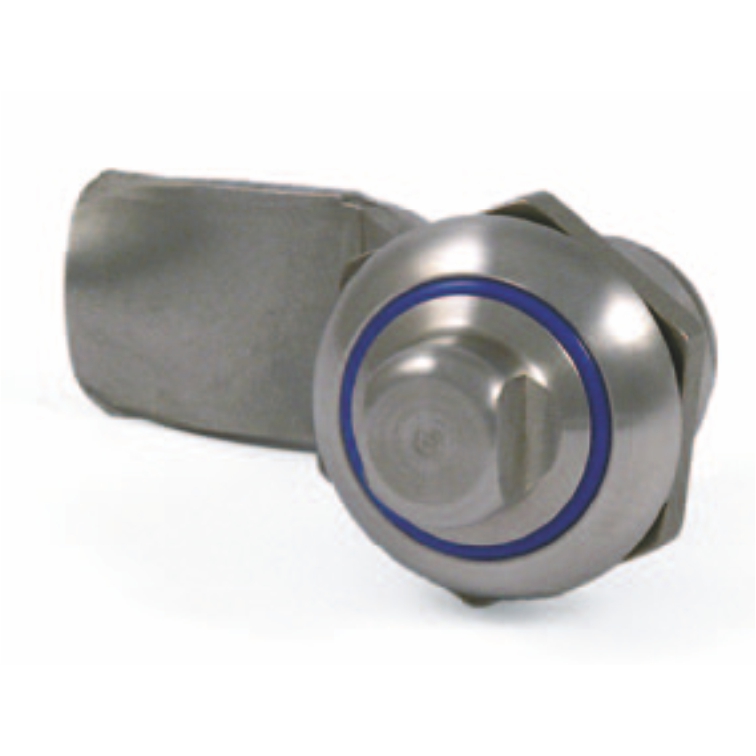
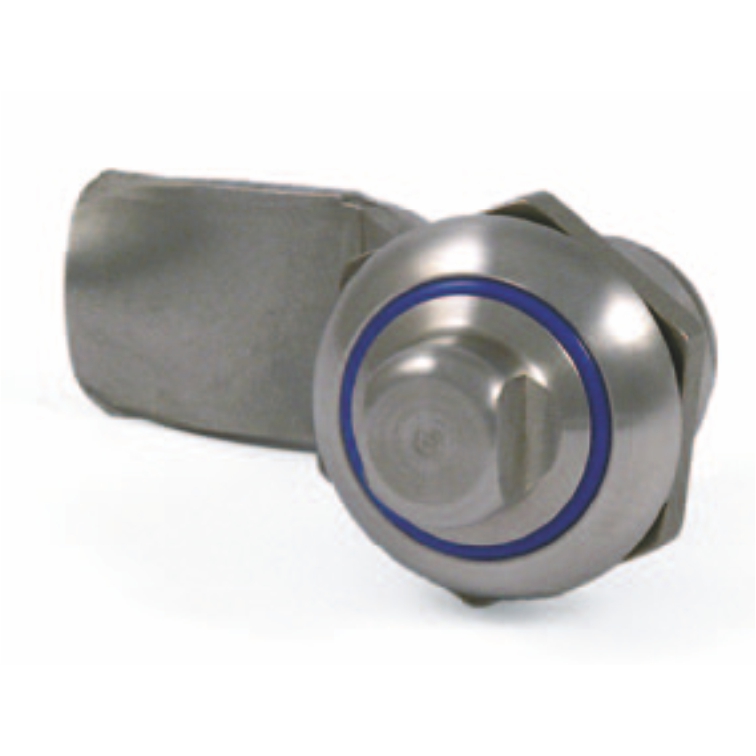
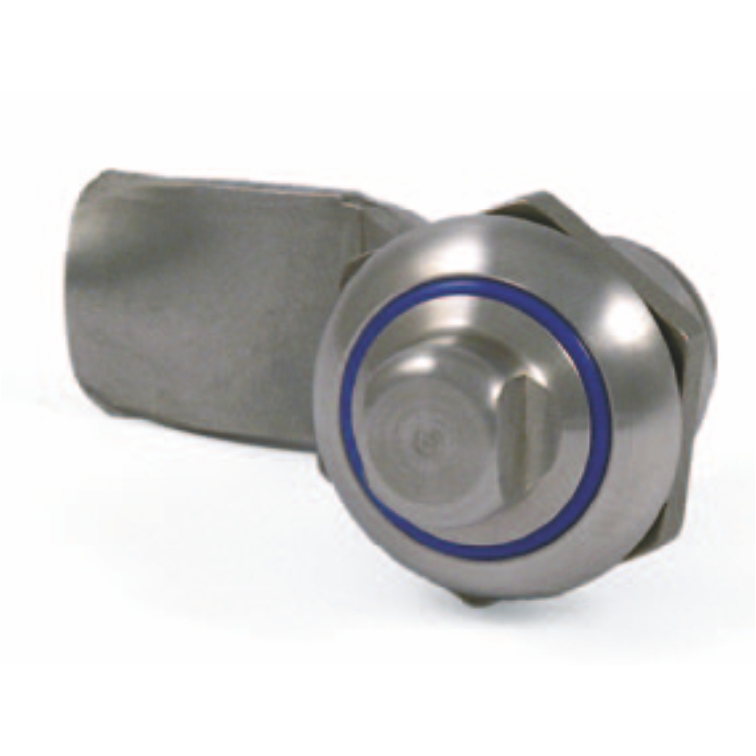
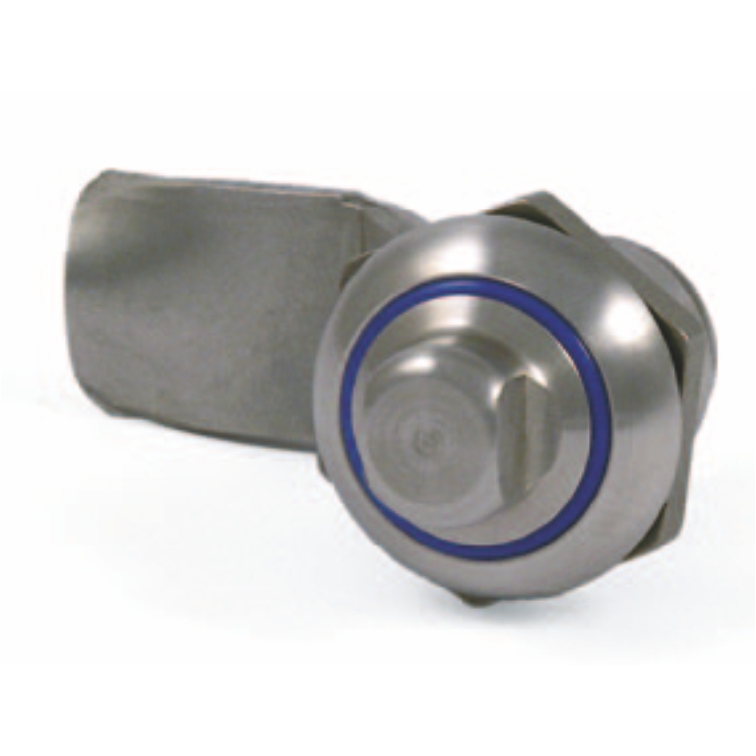
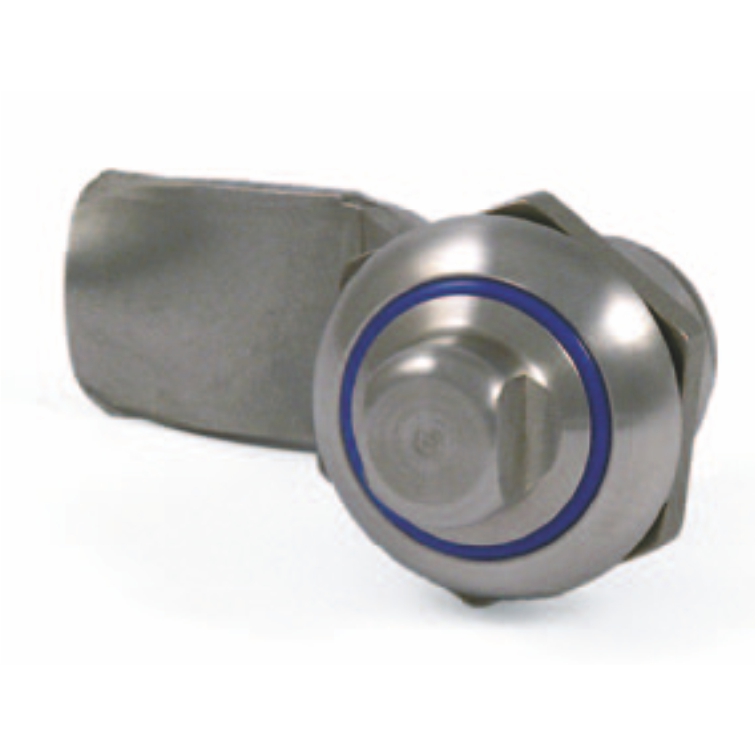
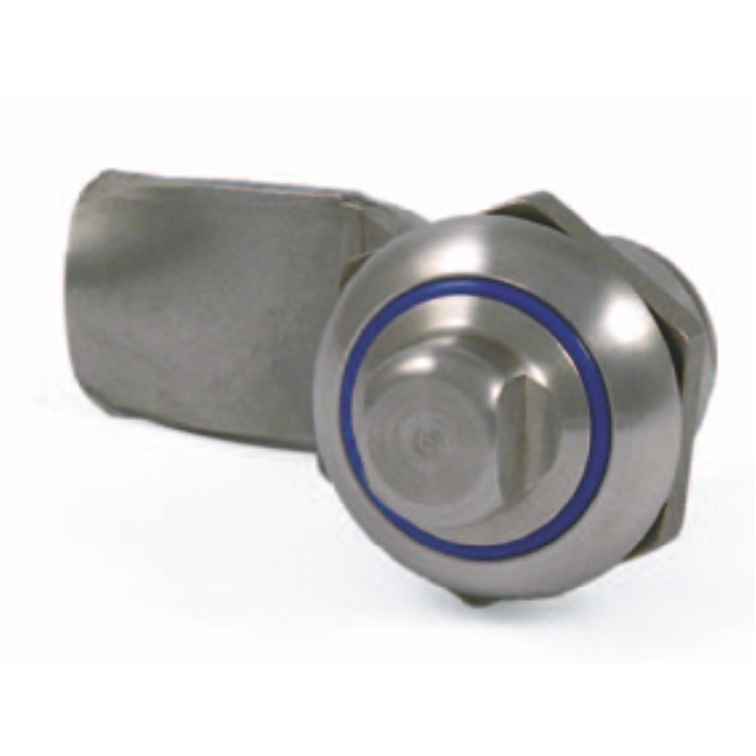
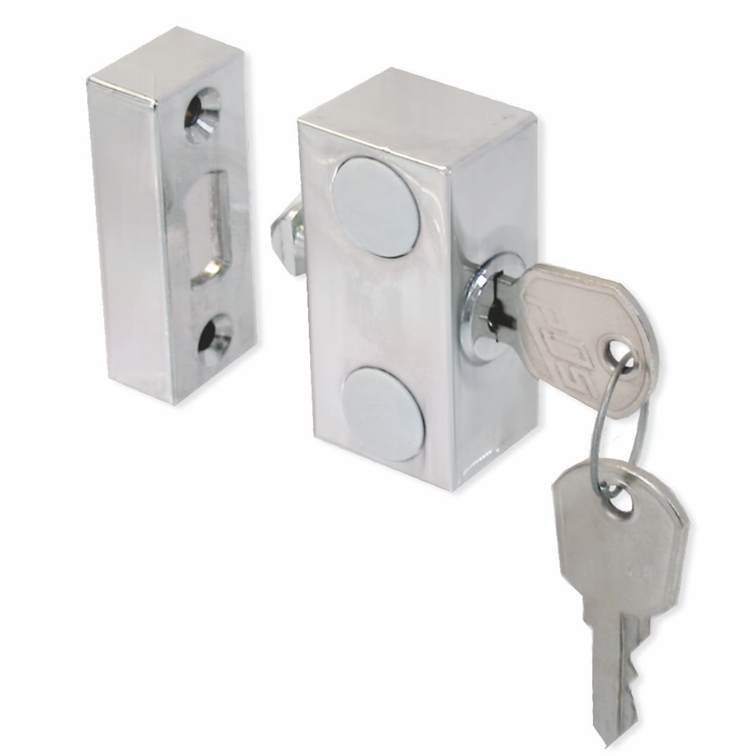
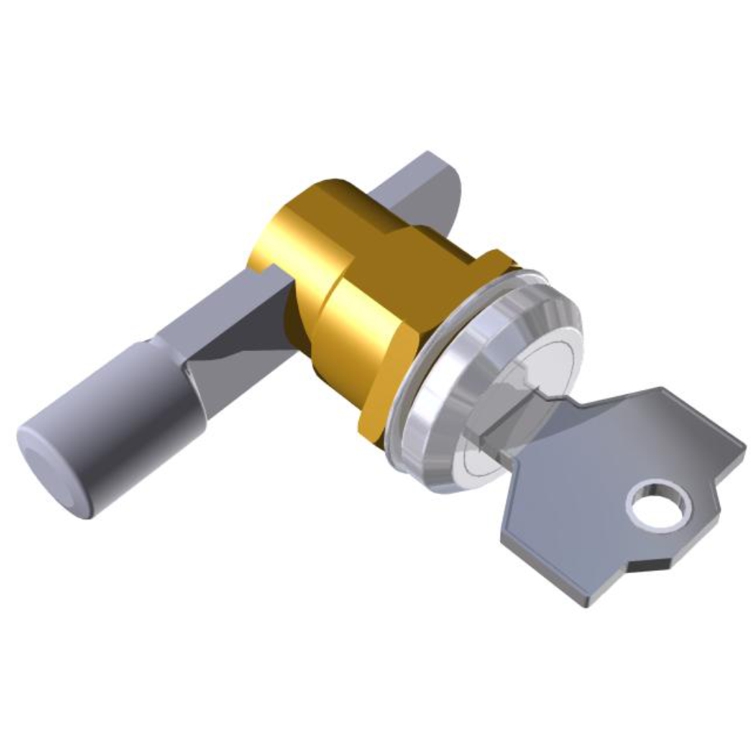
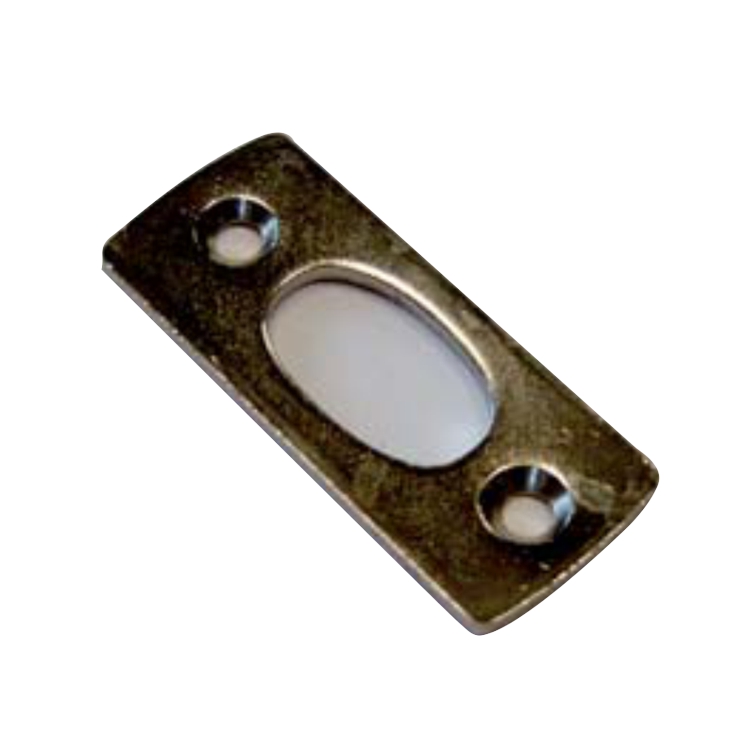
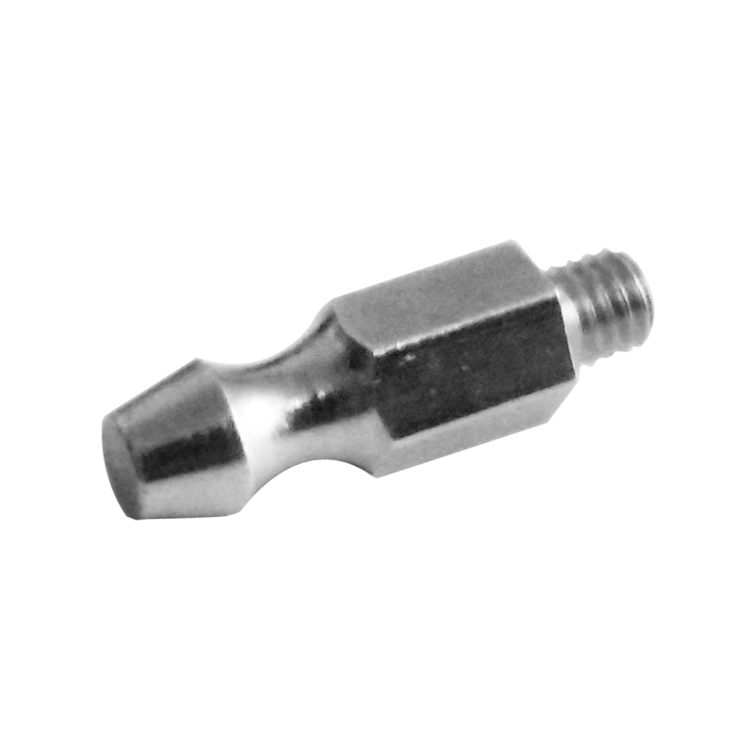
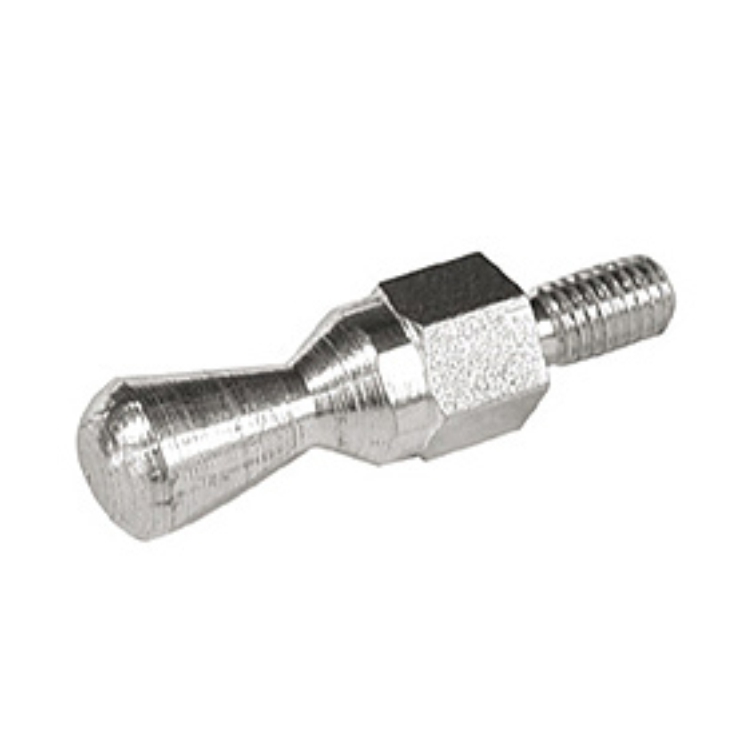
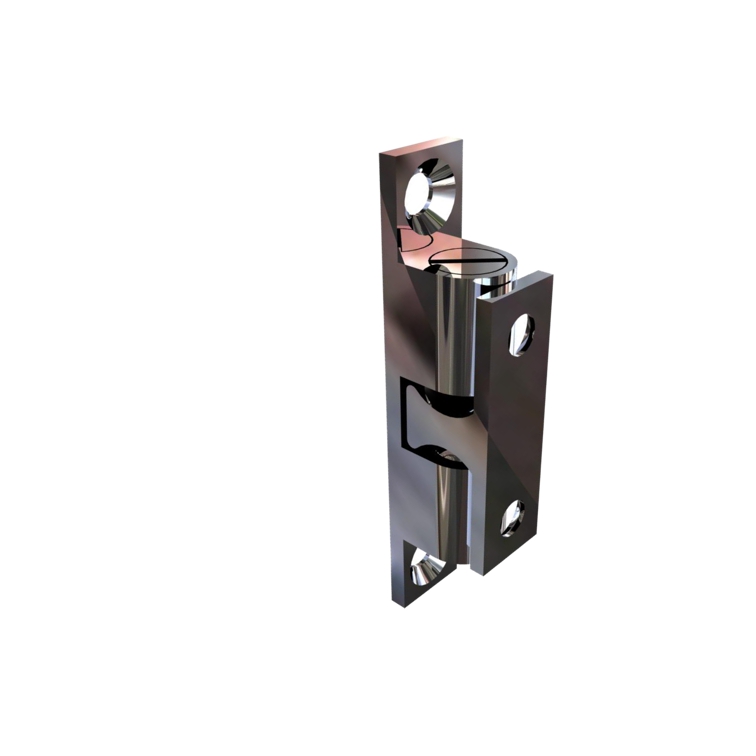
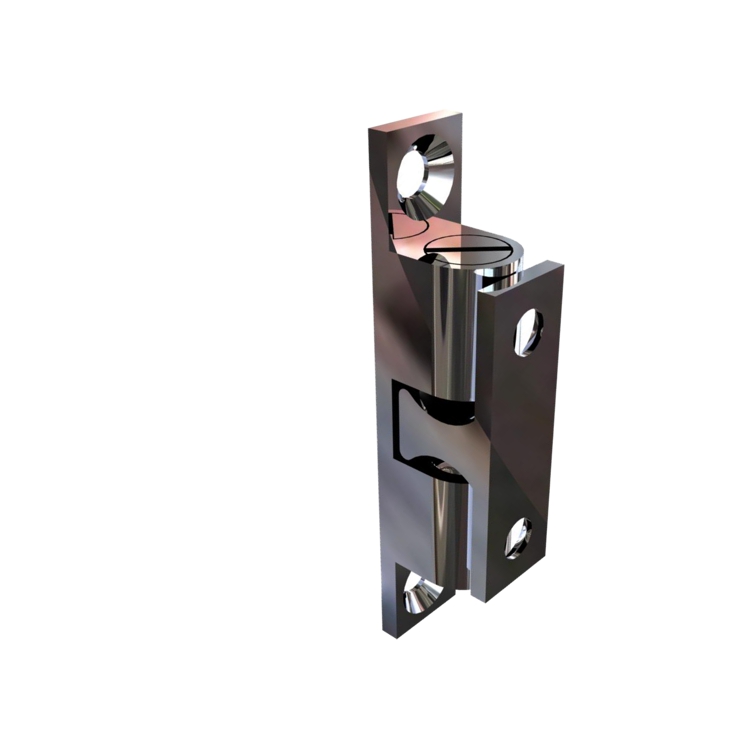
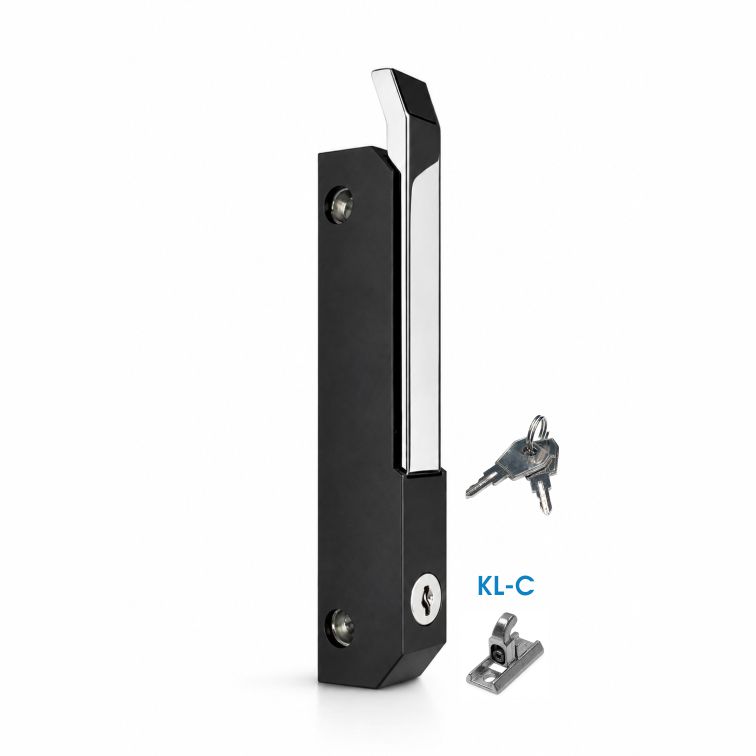 Handle Handle and catch with a lock KL-6188 housing black composite handle chrome-plated ZnAl5 alloy
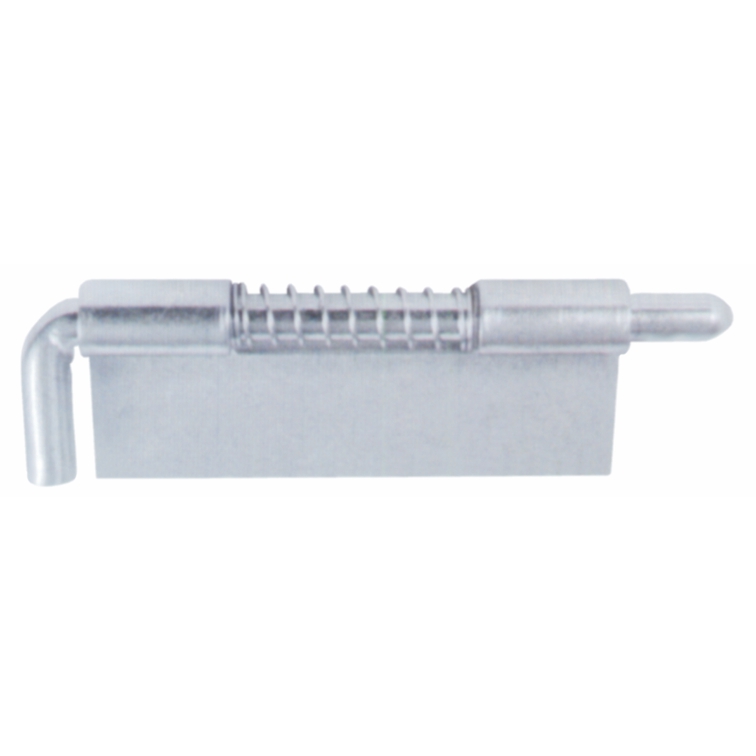
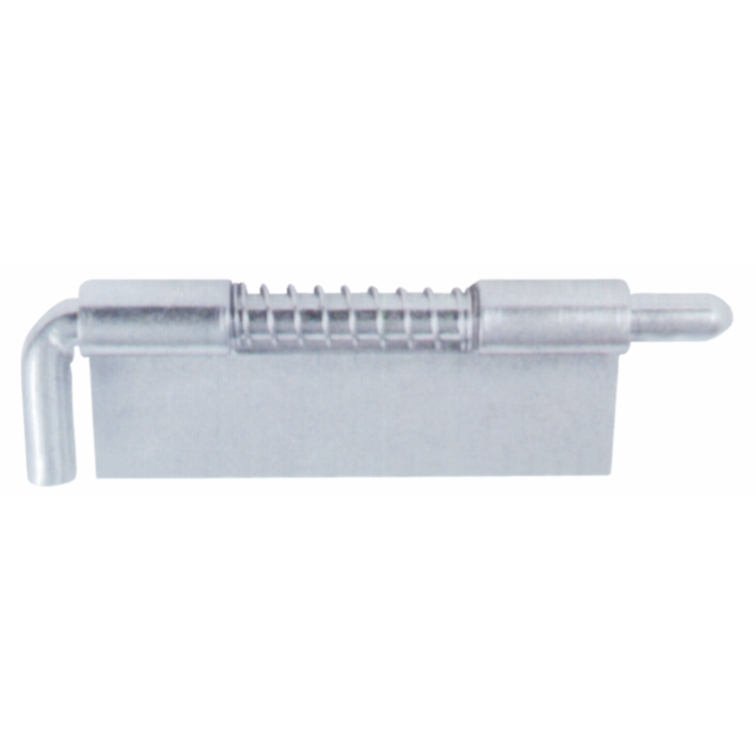
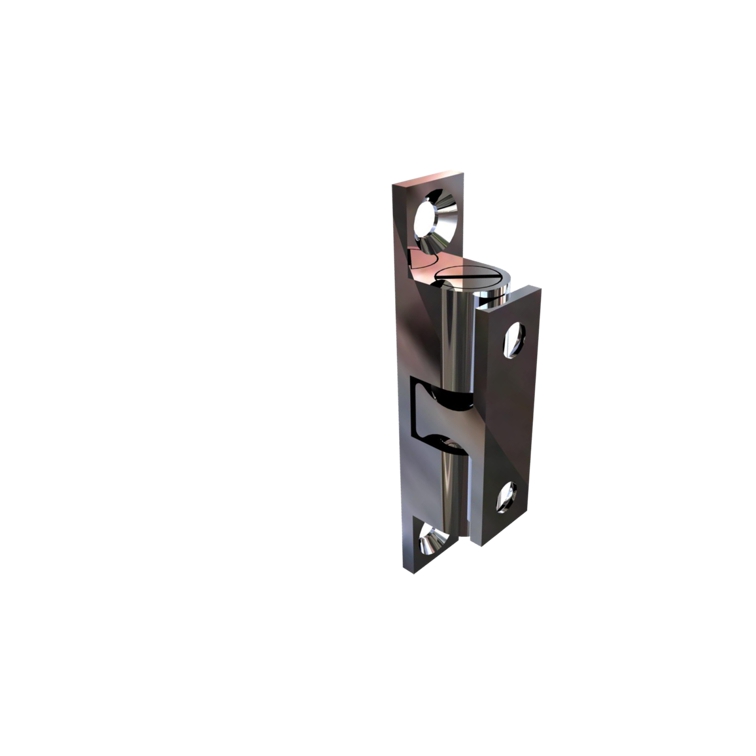
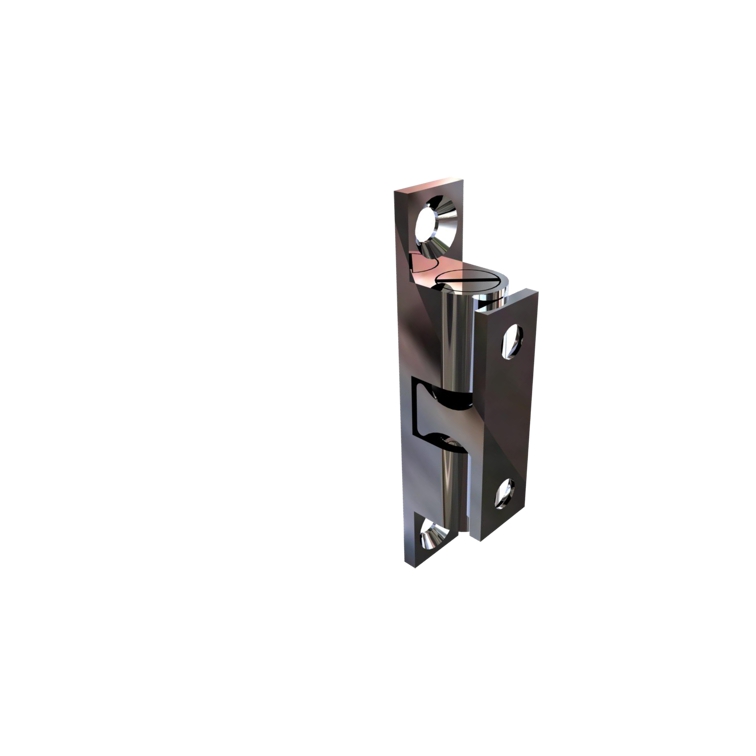
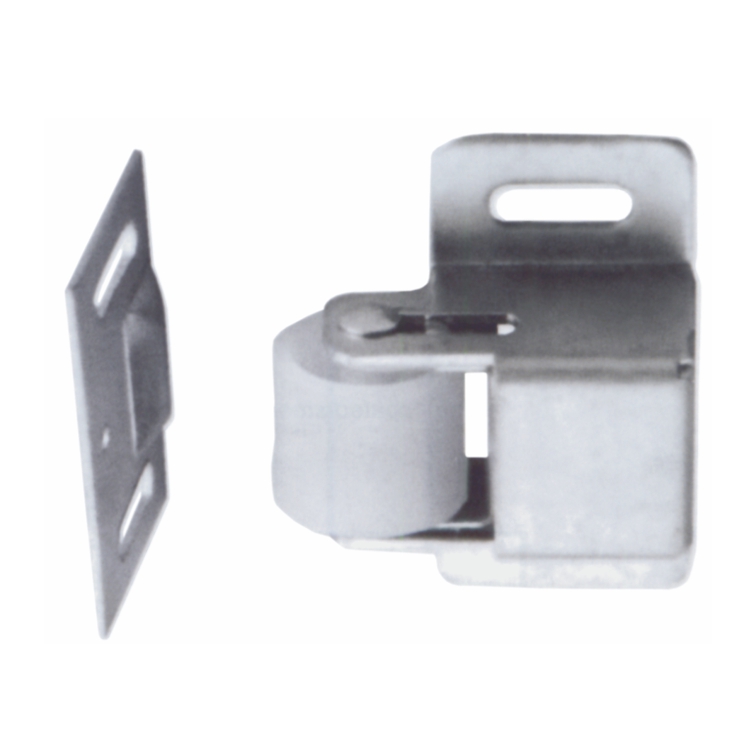
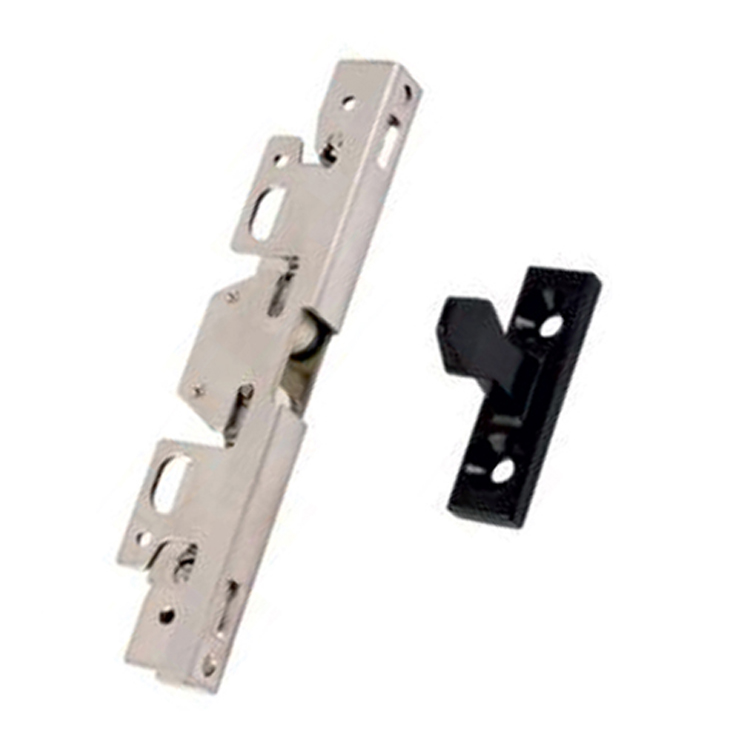
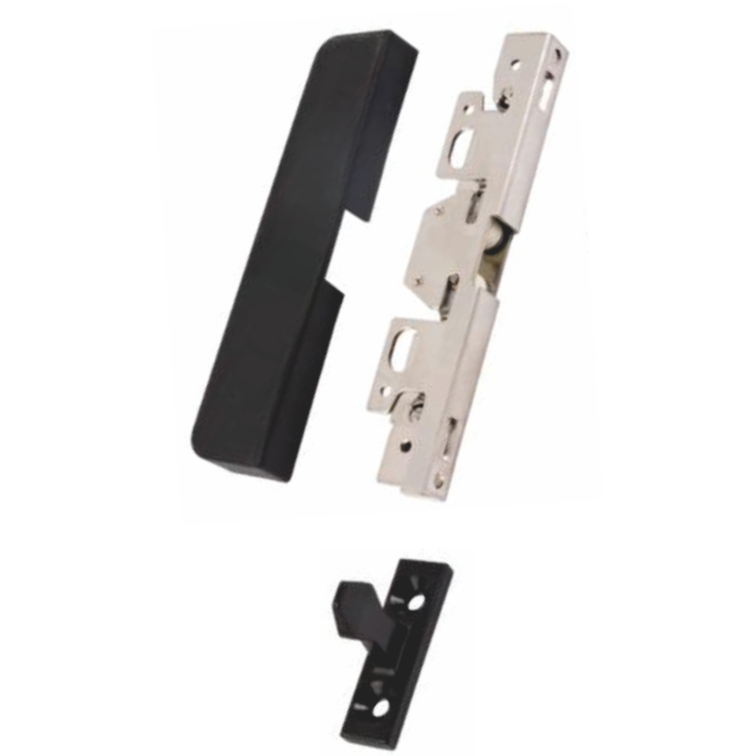
No product matches the selected filters.
How to choose
The handle is chosen for the door thickness, the lock for the key system
The first dimension is the thickness of the leaf – it decides whether the handle spindle and the catch keeper reach at all. On insulated doors this can be several dozen millimetres, so a handle for a neutral cabinet usually does not fit. Some models state a version for a specific thickness.
The second decision is locking with a key. A lock in the handle makes sense where only part of the staff has access to the appliance – in storerooms, with medicines, with alcohol. With a larger number of appliances it is worth settling straight away whether they are to run on one universal key or each on its own; replacing the cylinders later costs more than the decision at the ordering stage.
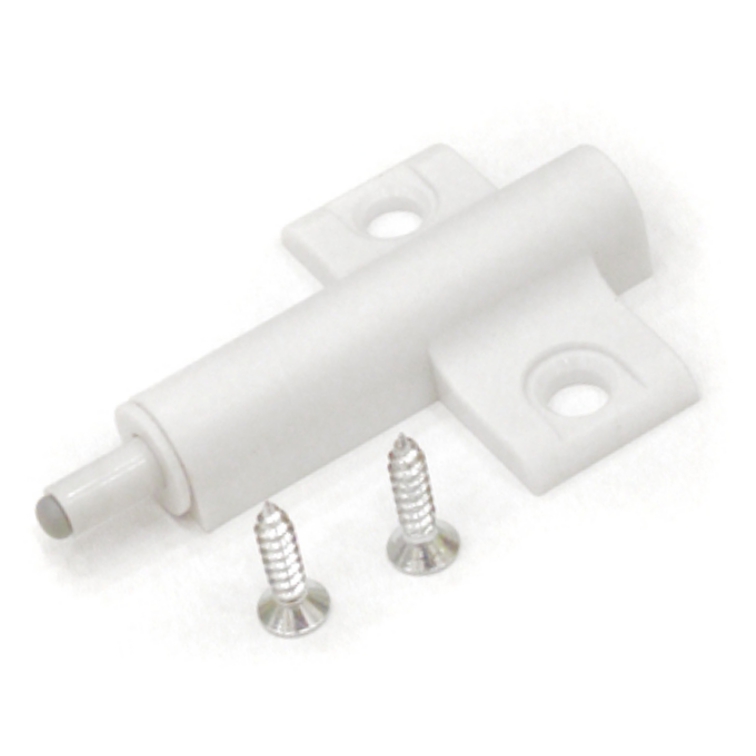
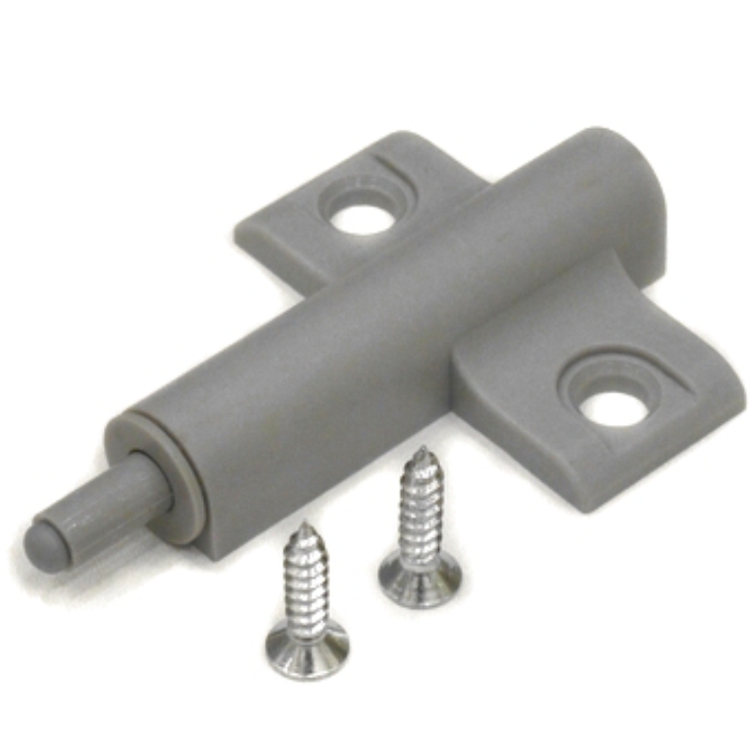
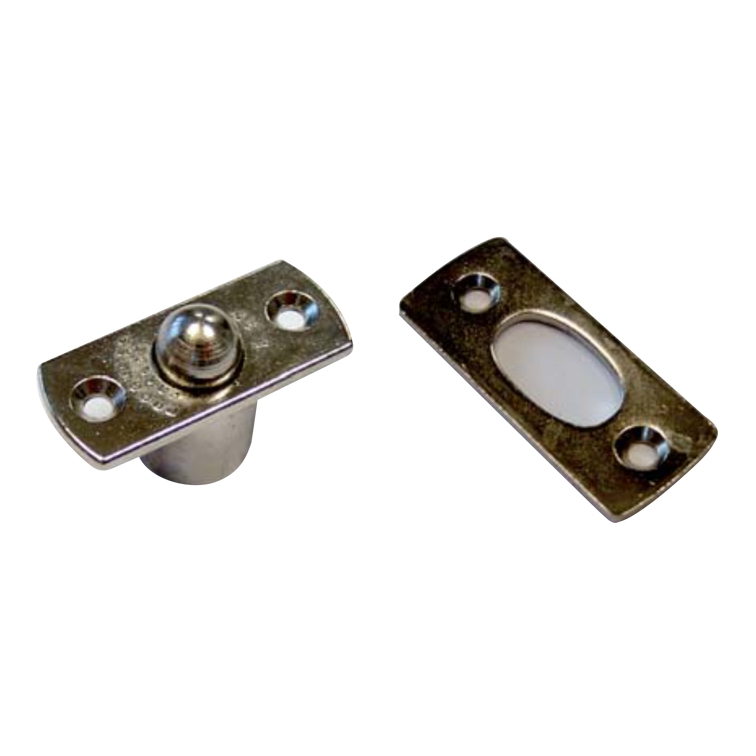
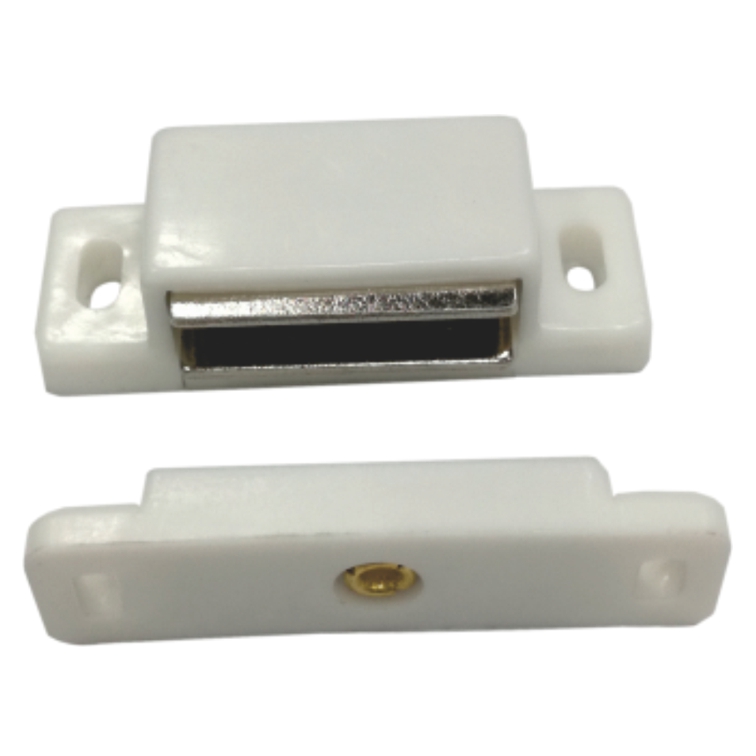
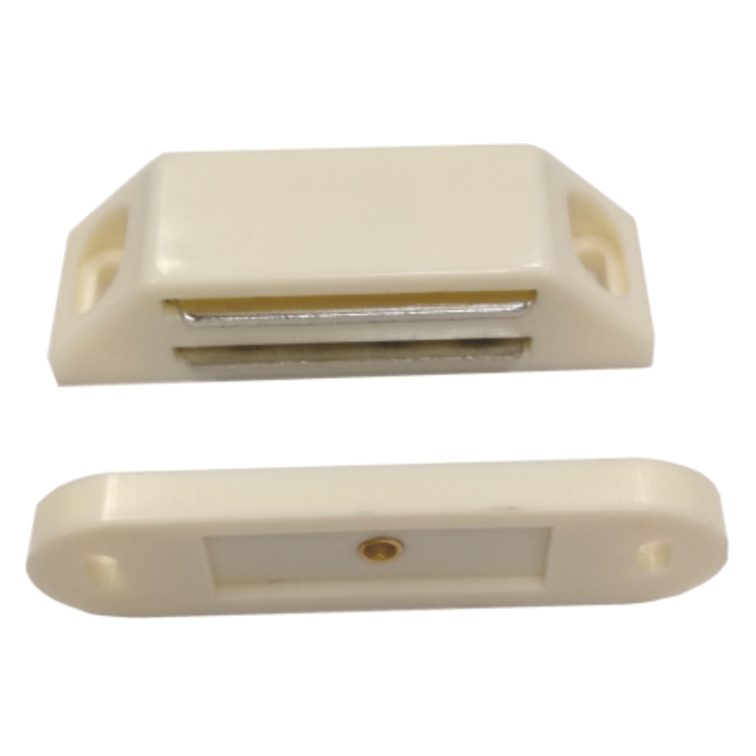
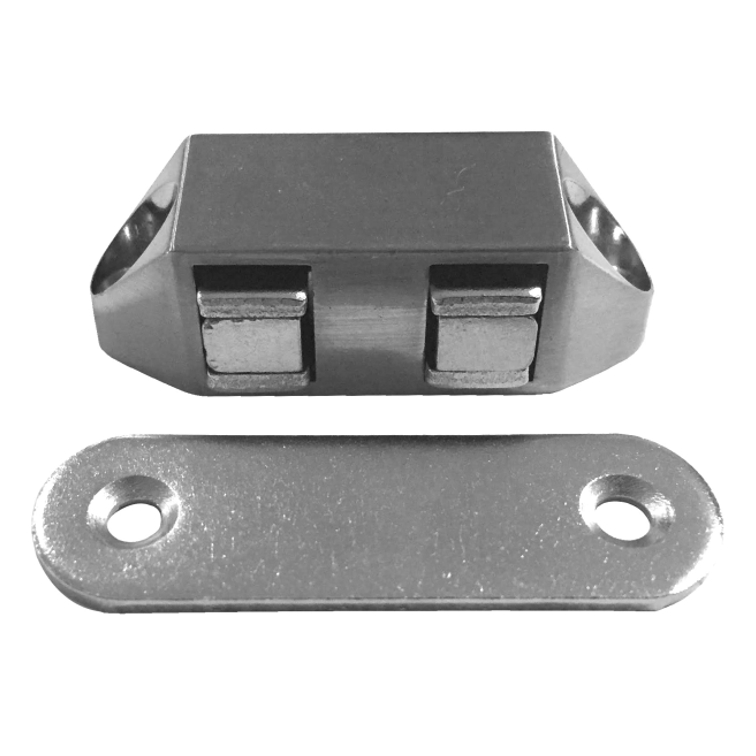
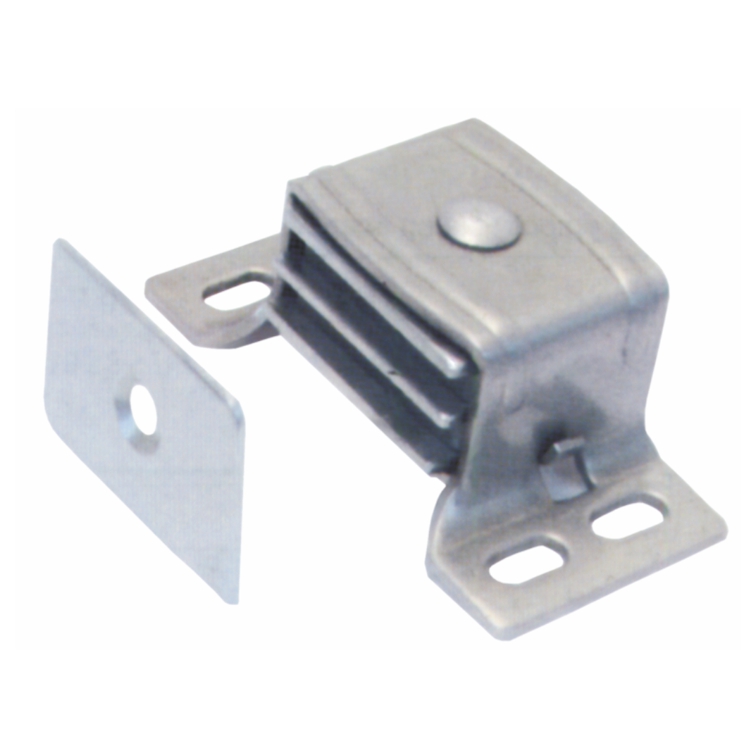
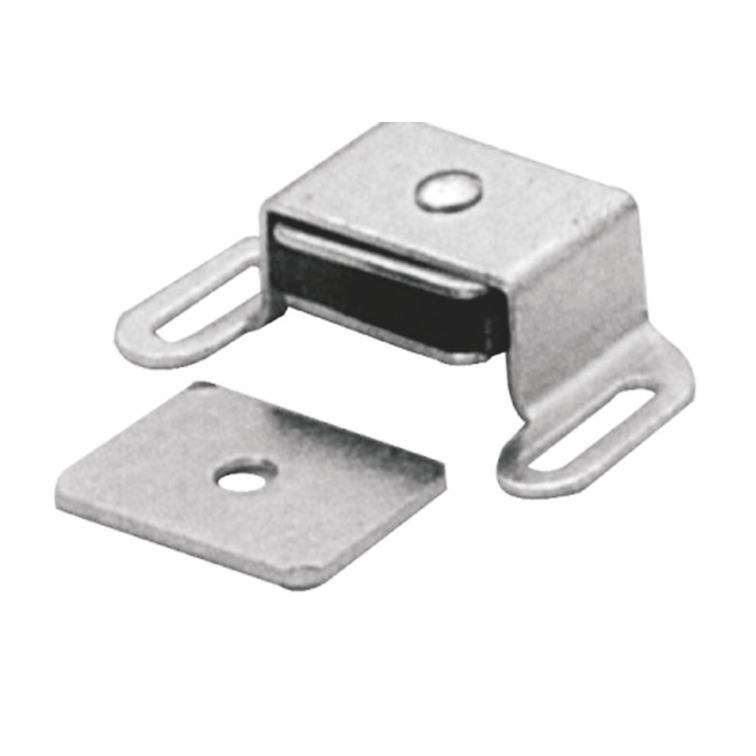
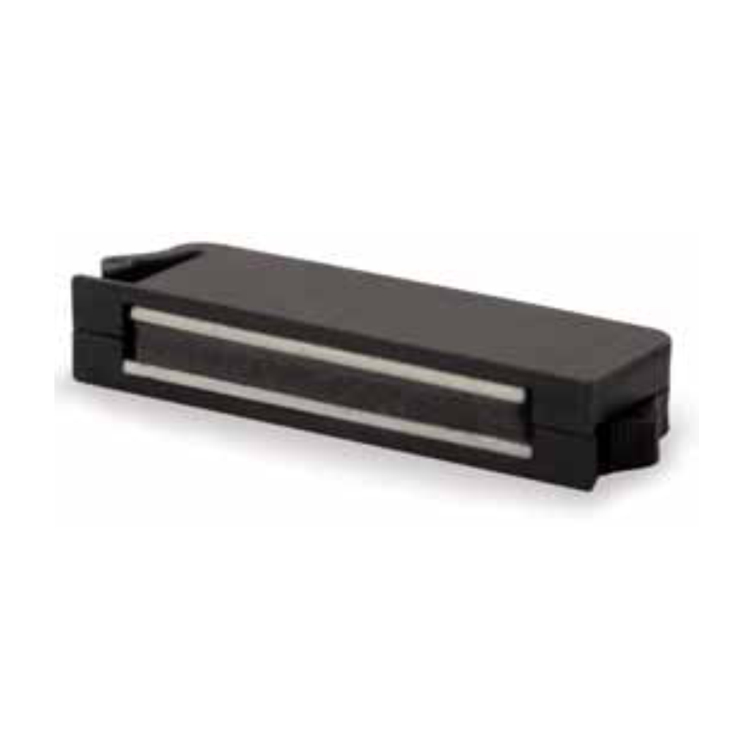
The third thing is closing. A magnetic catch holds the door by the force of the magnet and releases under pressure, a mechanical catch needs a firm pull. On low-temperature appliances frost-resistant versions are used, because an ordinary mechanism can jam.
The material is chosen for the surroundings: ZnAl is the standard, polyamide does not conduct cold and does not frost over as easily, stainless steel comes in where sanitary requirements count.
- Check the door thickness before you choose a handle
- With many appliances, settle the key system straight away
- A magnetic catch releases under pressure, a mechanical one does not
- Freezer rooms need frost-resistant versions
- Polyamide does not conduct cold and frosts over less often
Prices, availability and ordering
Prices and stock levels are in the B2B shop. Locks on a single universal key are put together to order.