
Aluminium and PVC profiles for glass doors and lids
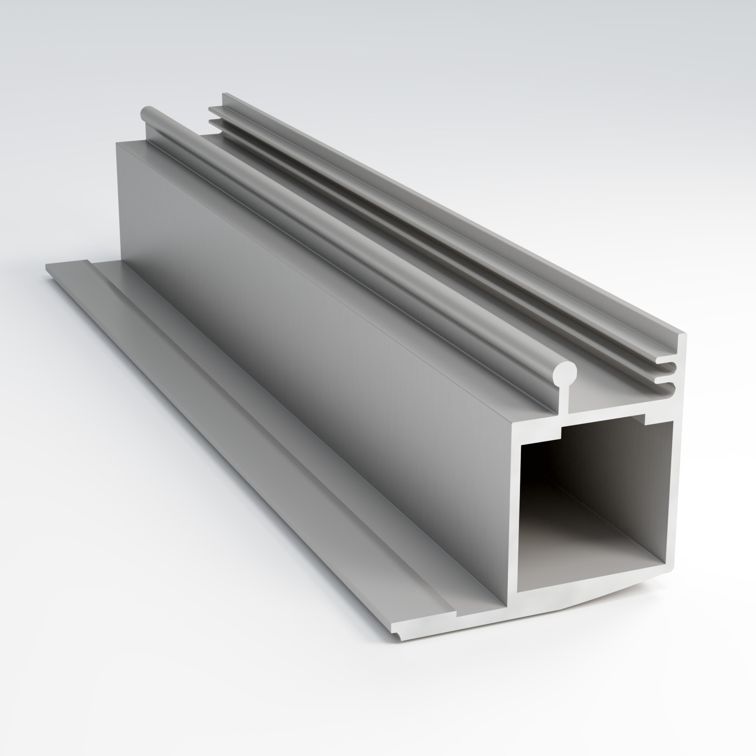
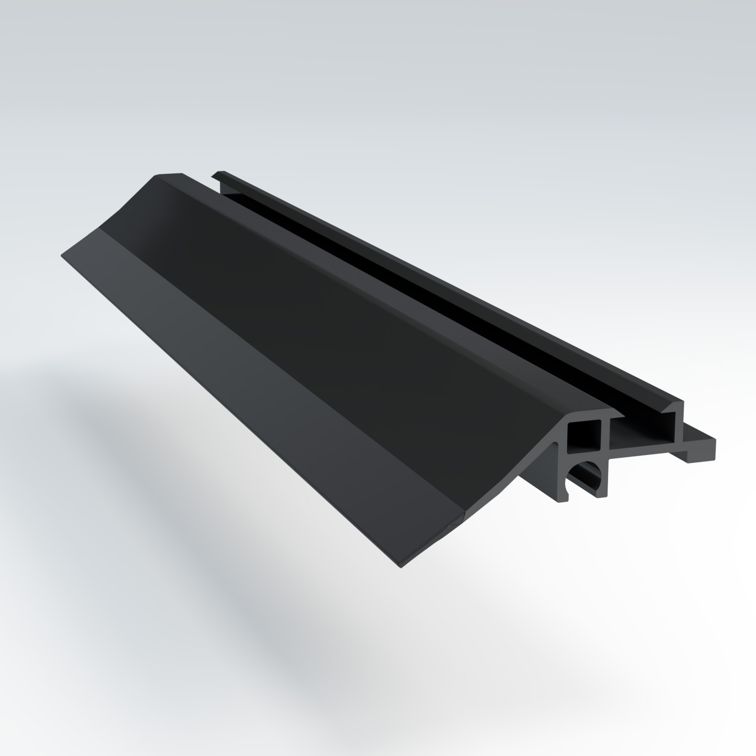
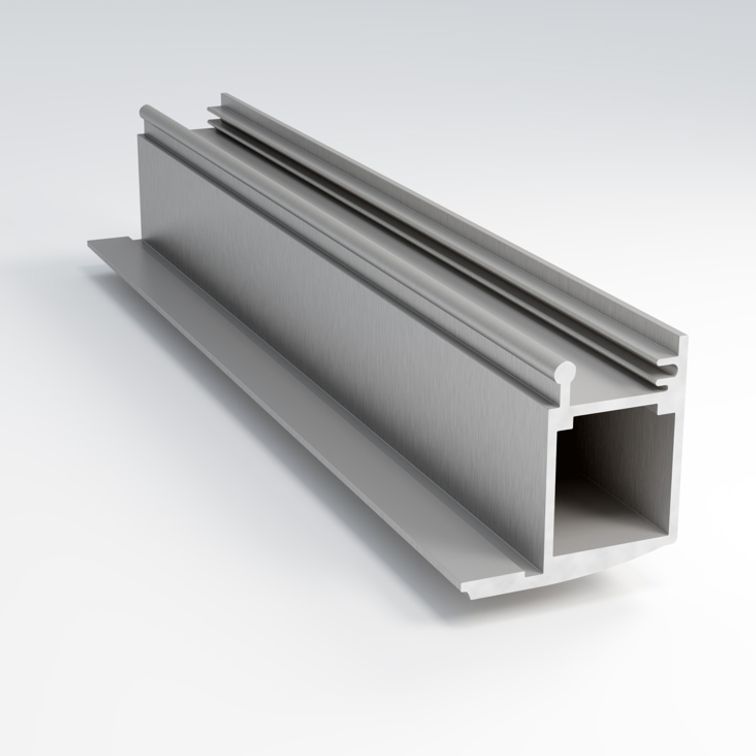
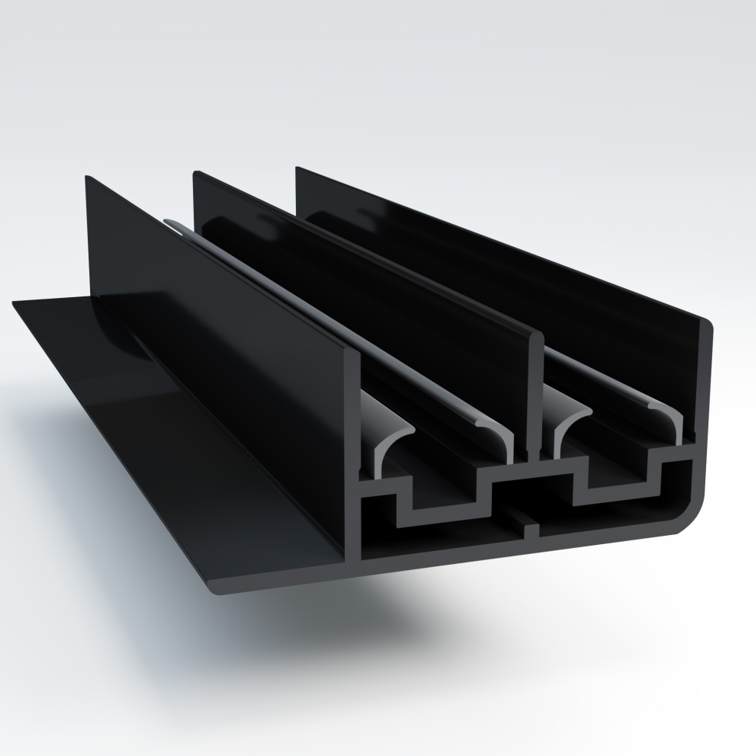
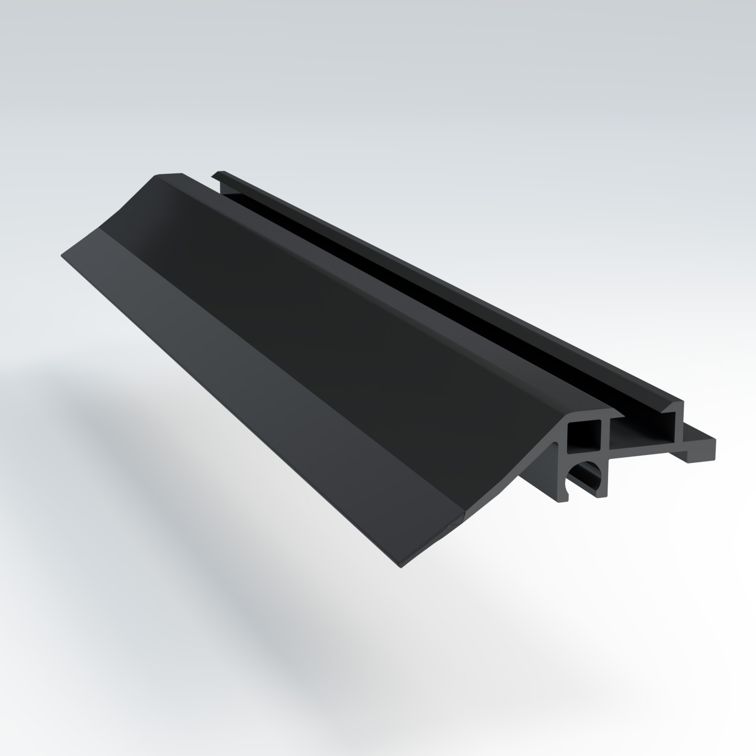
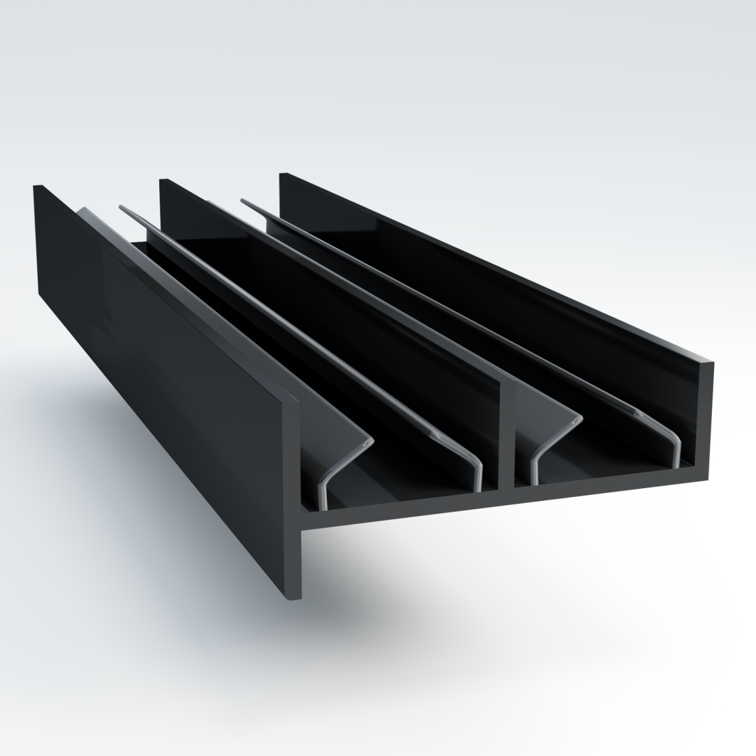
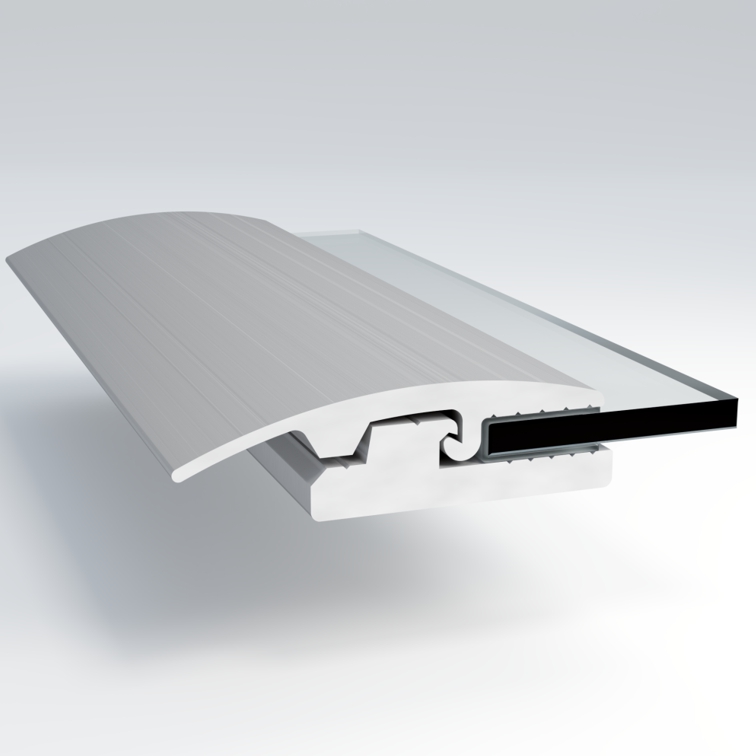
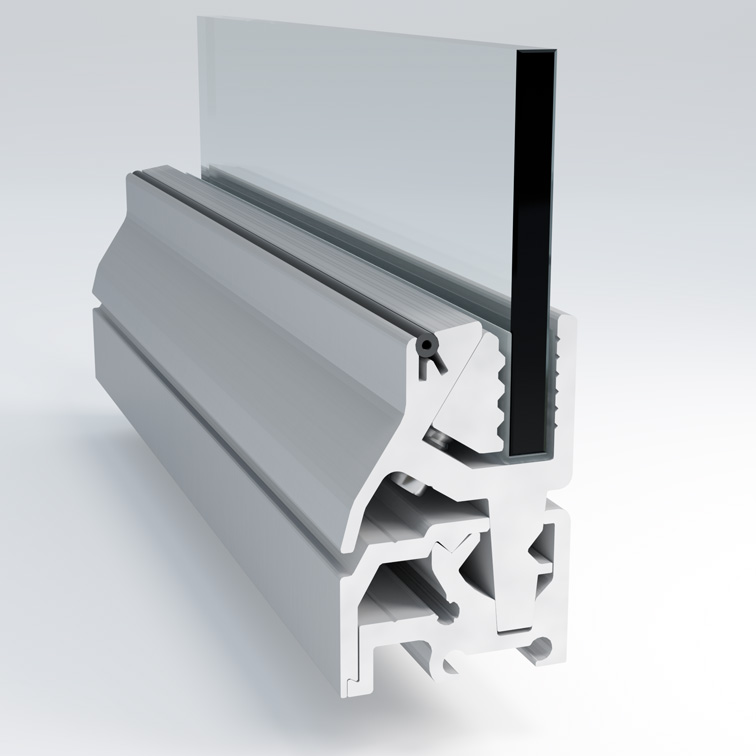
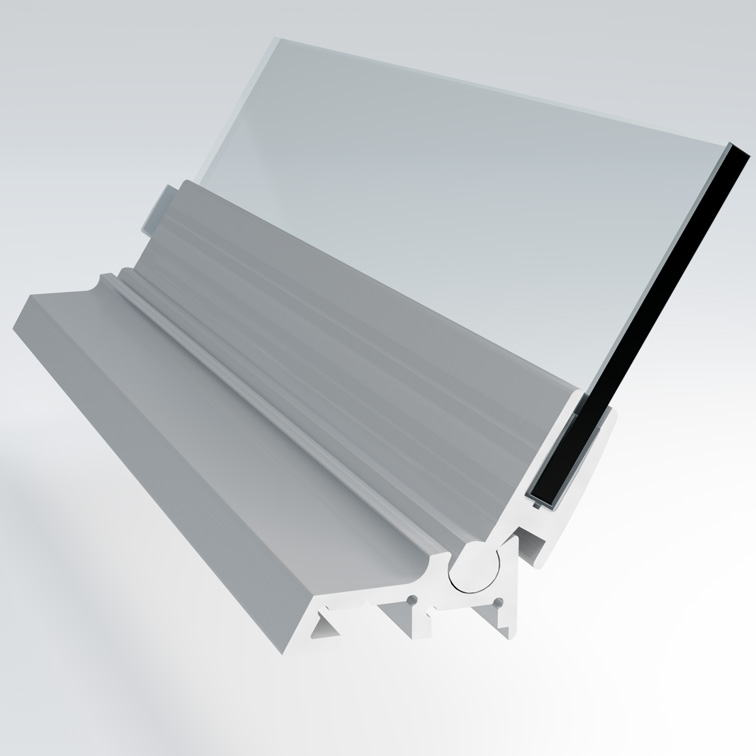
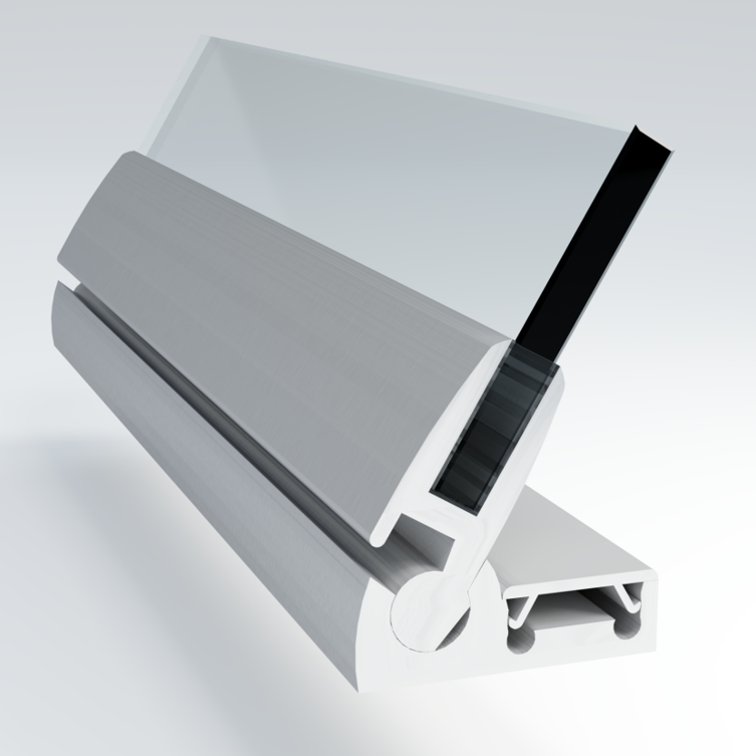
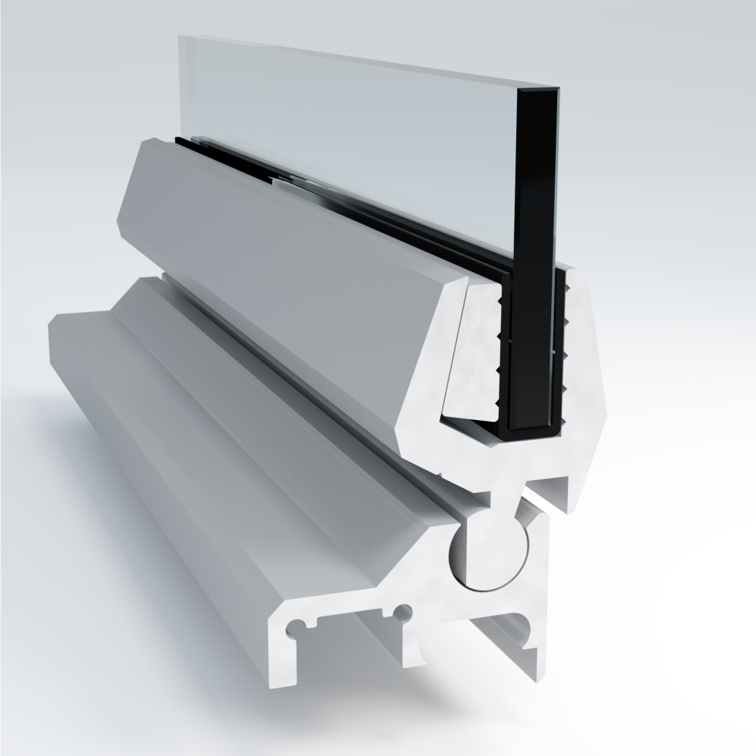
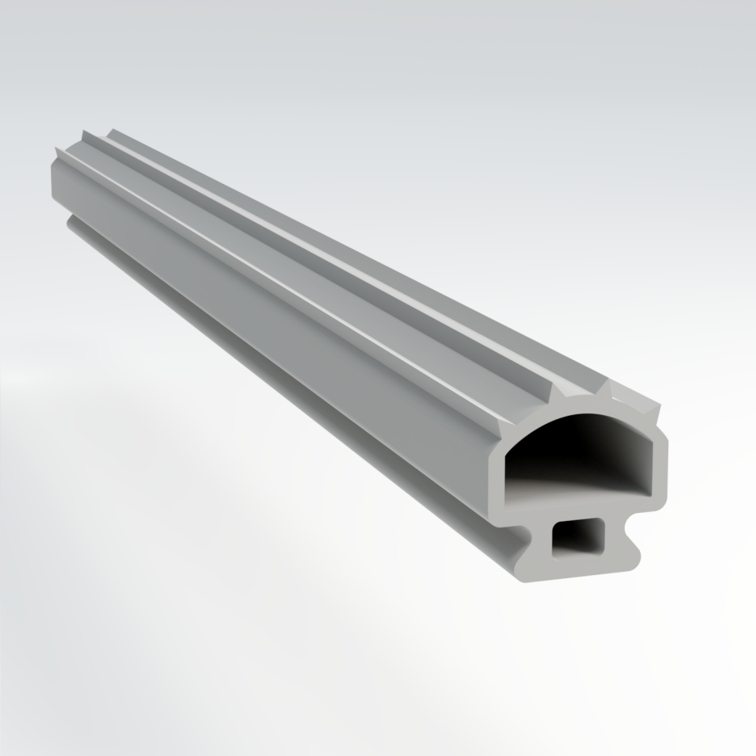
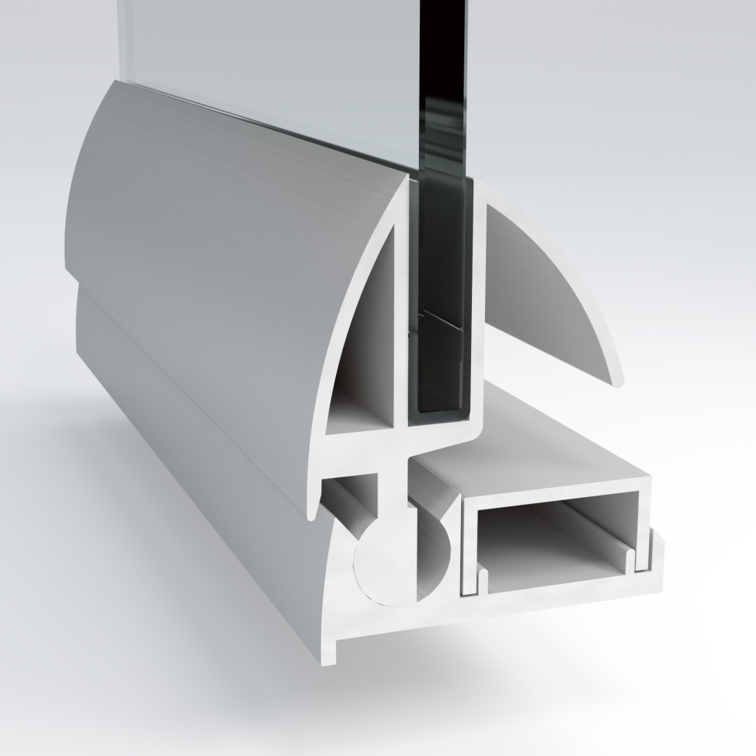
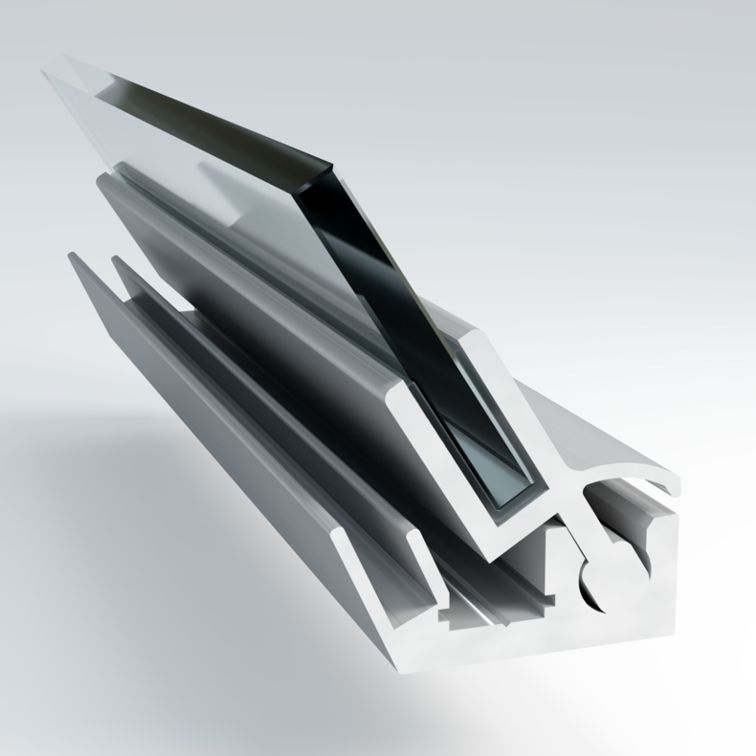
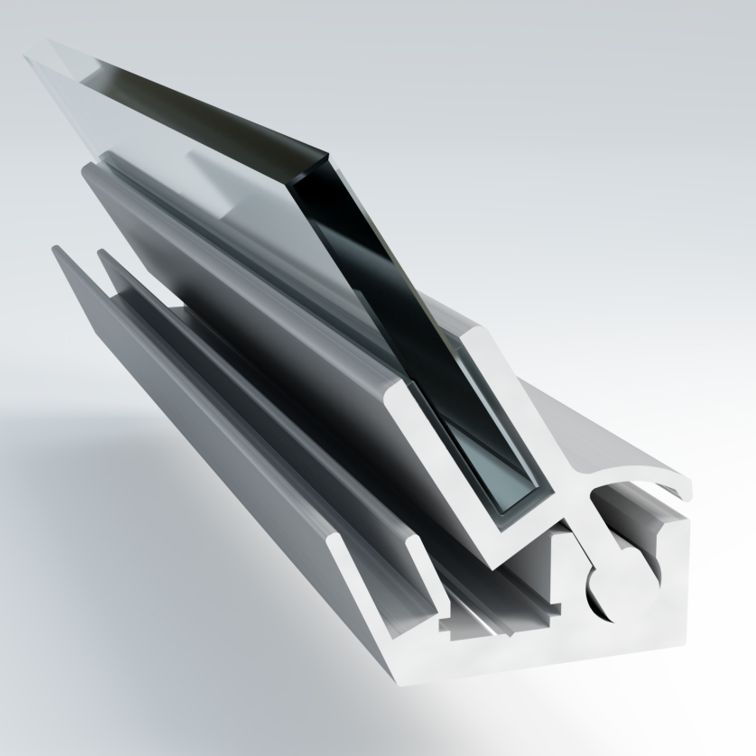
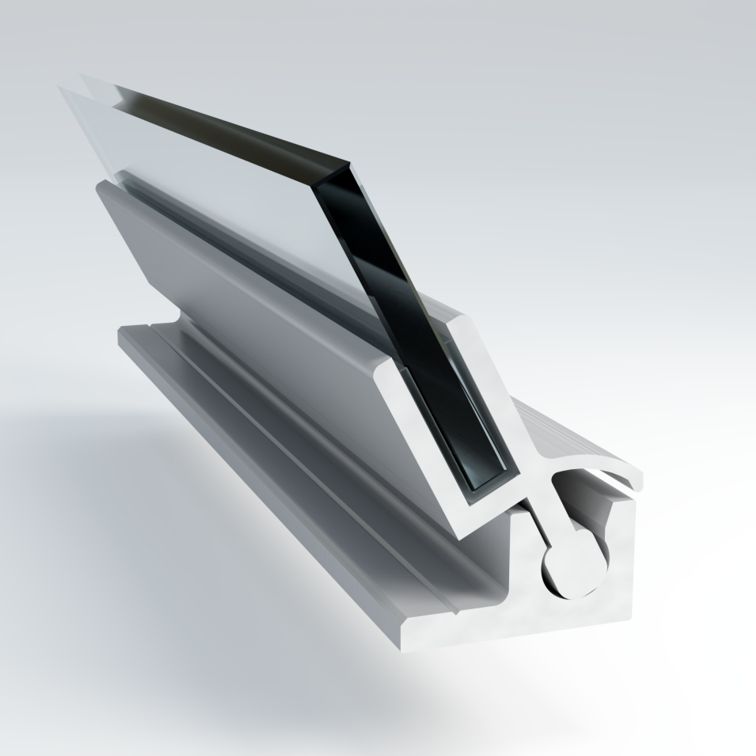
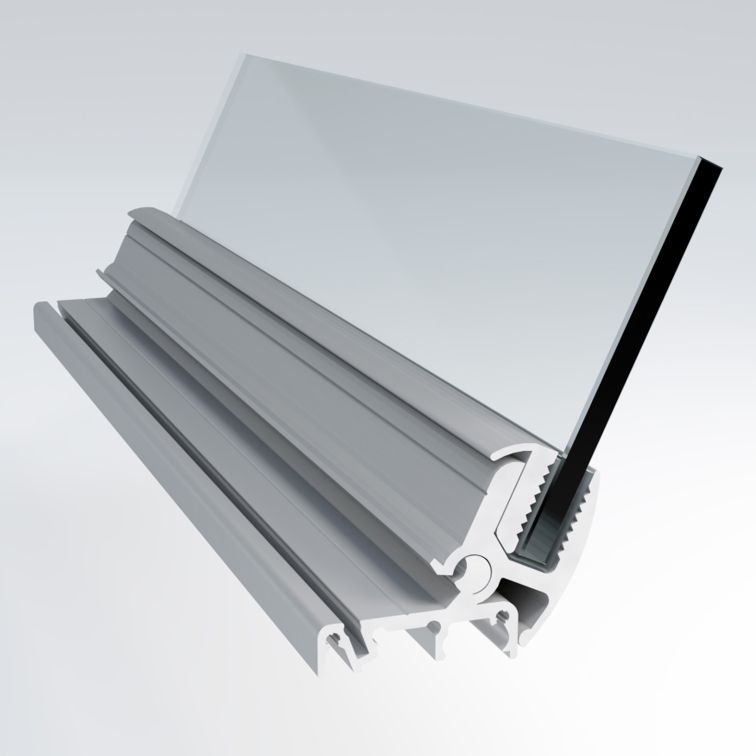
A glazing profile holds the pane in the frame and carries its weight into the hinges or the slides, and a lifting system raises the glass and holds it open. We match the profile to the glass thickness, the type of door and the length it is extruded in; the lifting system to the weight of the pane and the drop lock required. The technical data give the glass thickness, the material and the length of the profile, and the profiles themselves come from our own extrusion.
32 products
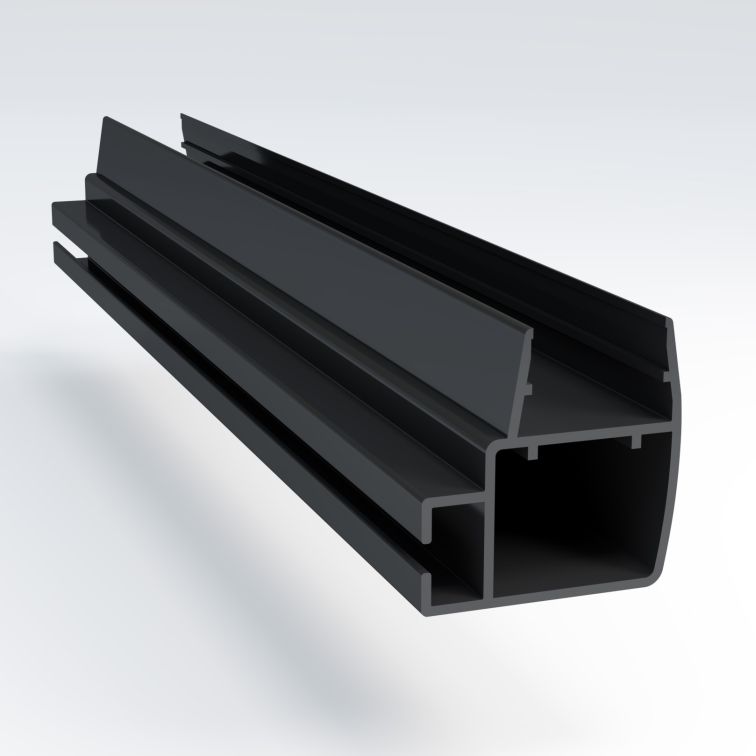
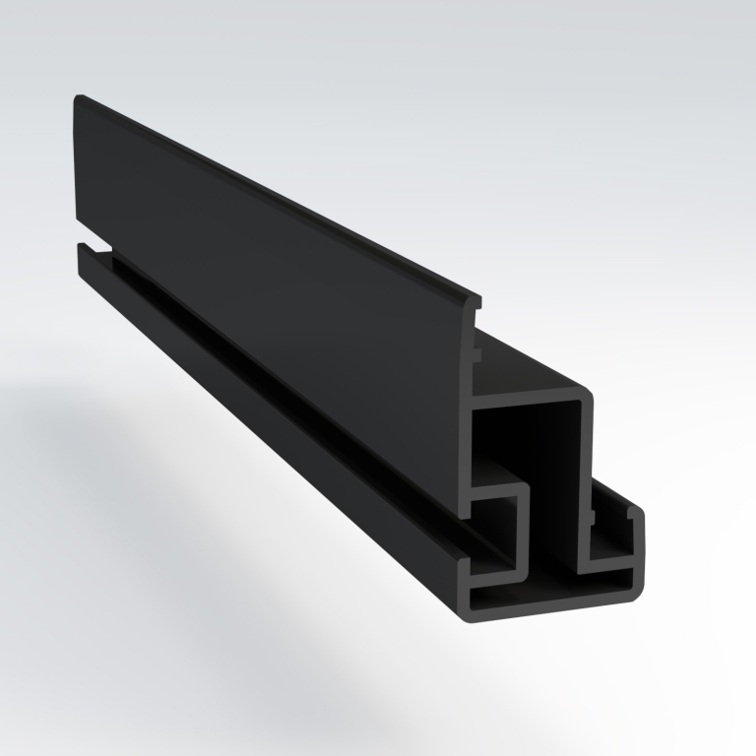
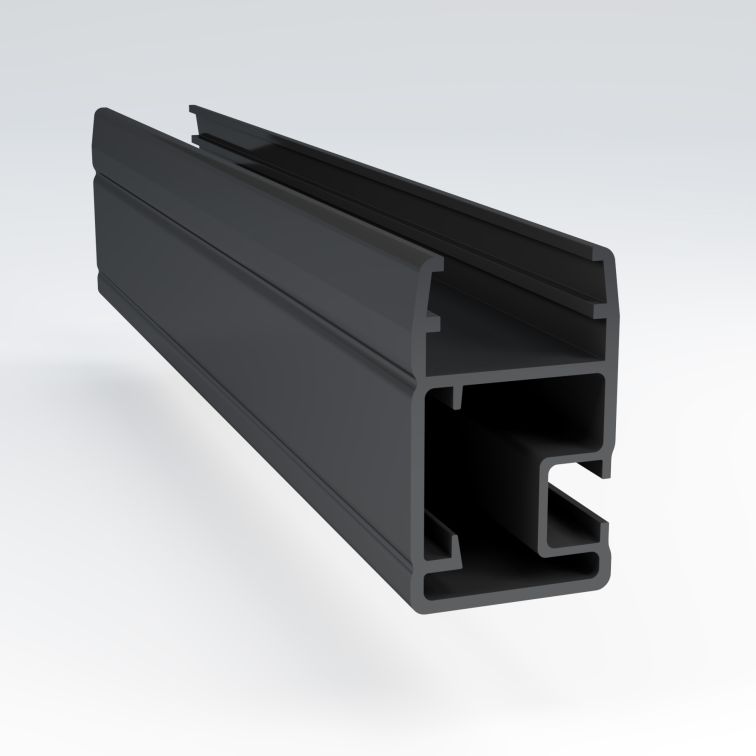
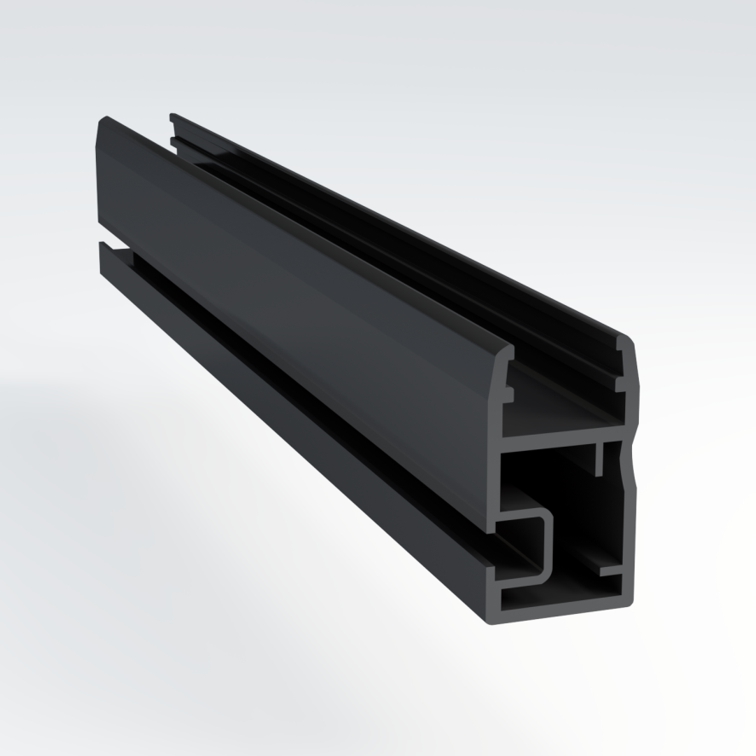
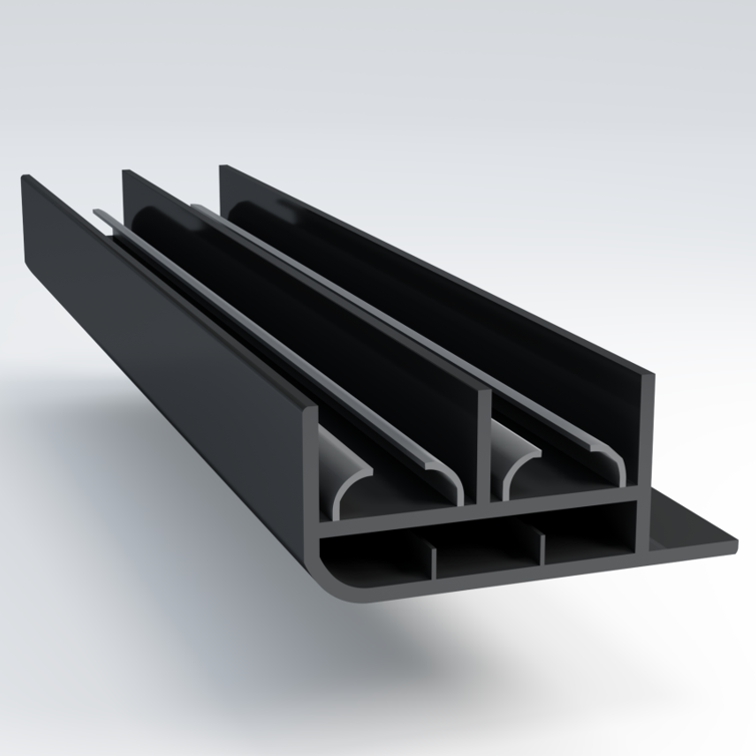
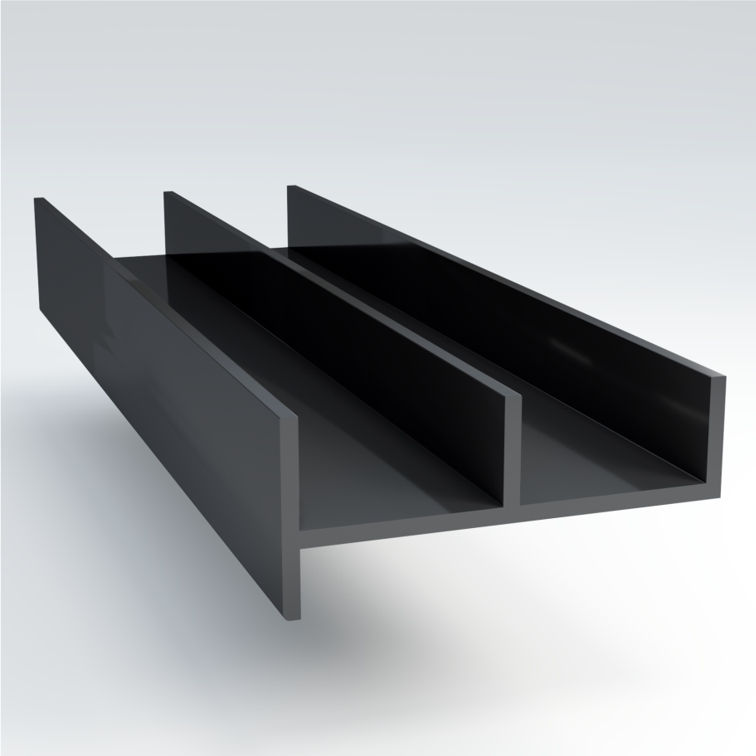
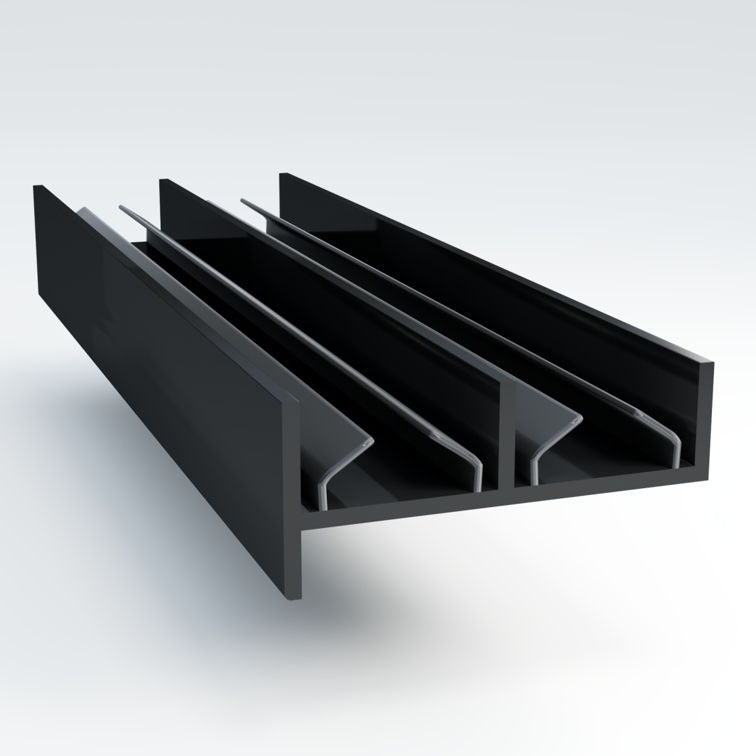
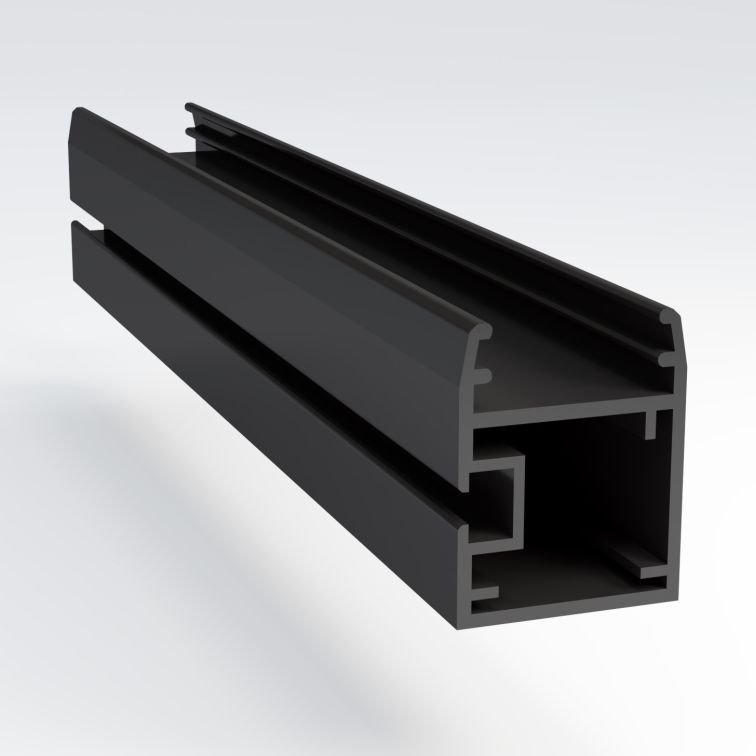
No product matches the selected filters.
How to choose
The profile is chosen for the glass thickness and for the length of the section
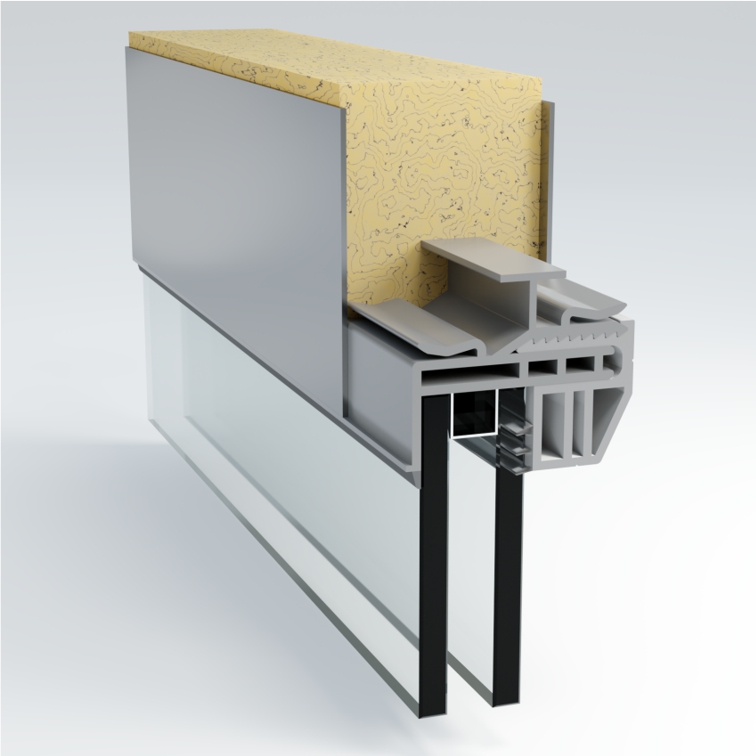
The first thing is the thickness of the glass the profile is shaped for. The groove has a defined opening and the pane has to sit in it without play – otherwise the door rattles and the seal stops working. With insulating glass units the thickness of the whole package counts, not of a single pane.
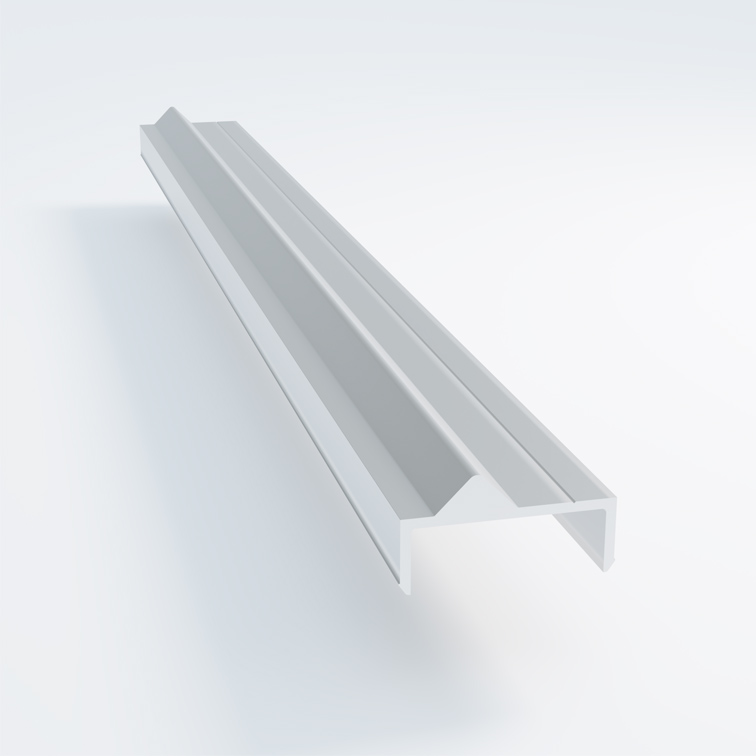
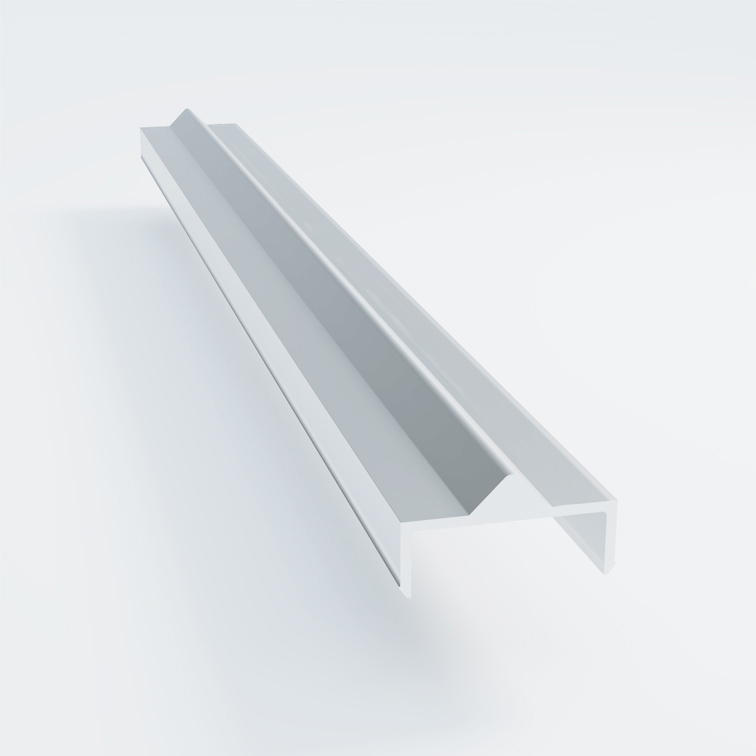
The second thing is the length of the section. We extrude the profiles in fixed lengths – from 2.93 to 6 metres – and it is those that decide how much material is left over from one piece at a given door height. For a production run it is worth calculating the cutting plan in advance, because the difference between 3 and 3.2 metres can decide the amount of waste.
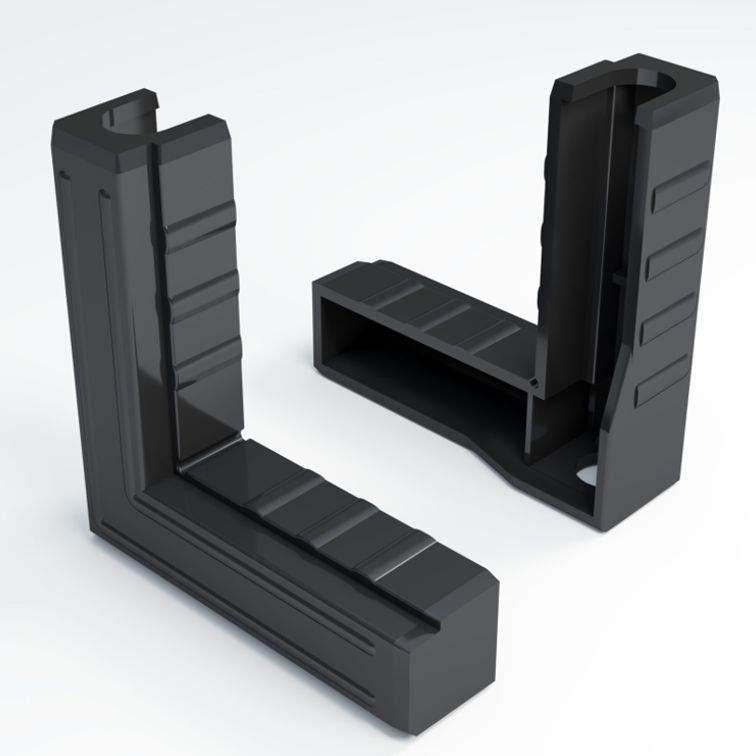
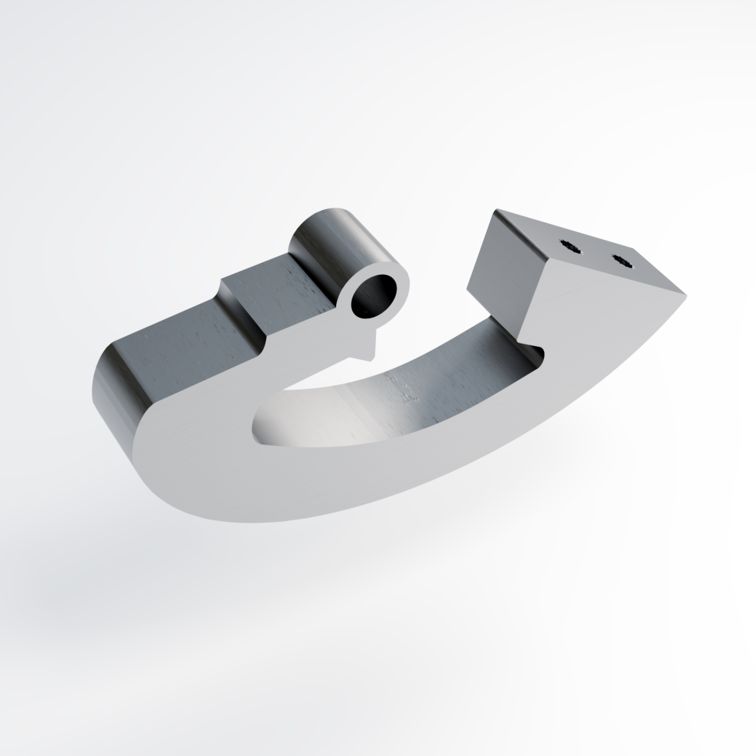
The third group is the complementary parts: hinges for the profiles, corner connectors and glass handles. Without them a profile is a semi-finished product – and it is usually they that decide whether the set can be installed without extra machining.
- The profile groove is made for a given glass thickness – check the package, not the pane
- Profiles come in fixed lengths; calculate the cutting plan before ordering
- Aluminium is stiffer, PVC is cheaper and does not conduct cold
- Hinges and connectors are chosen for the specific profile
- Other colours and lengths are made to order
Prices, availability and ordering
Prices and stock levels are in the B2B shop. Other lengths, colours and profiles to drawing are quoted individually.