
Castors and wheel sets for catering equipment
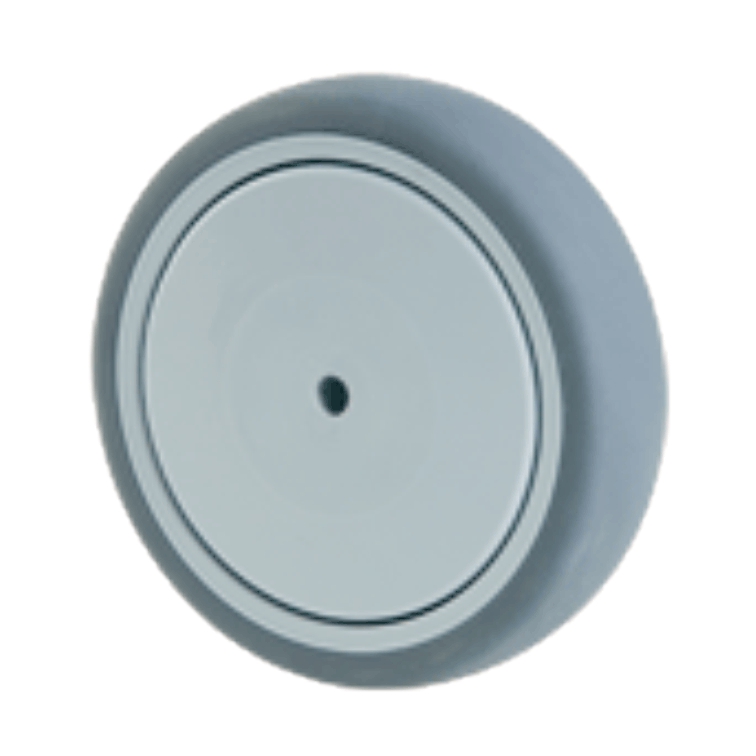
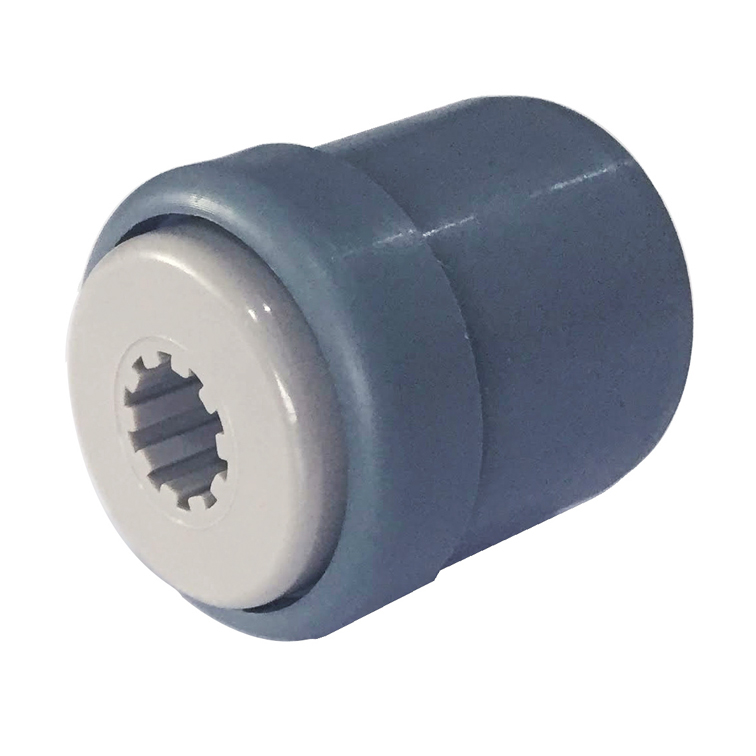
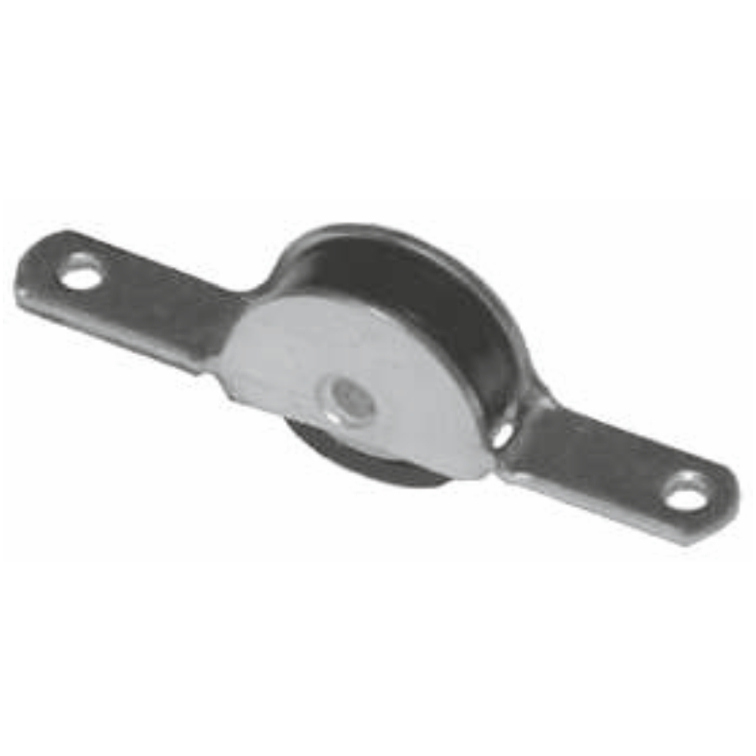
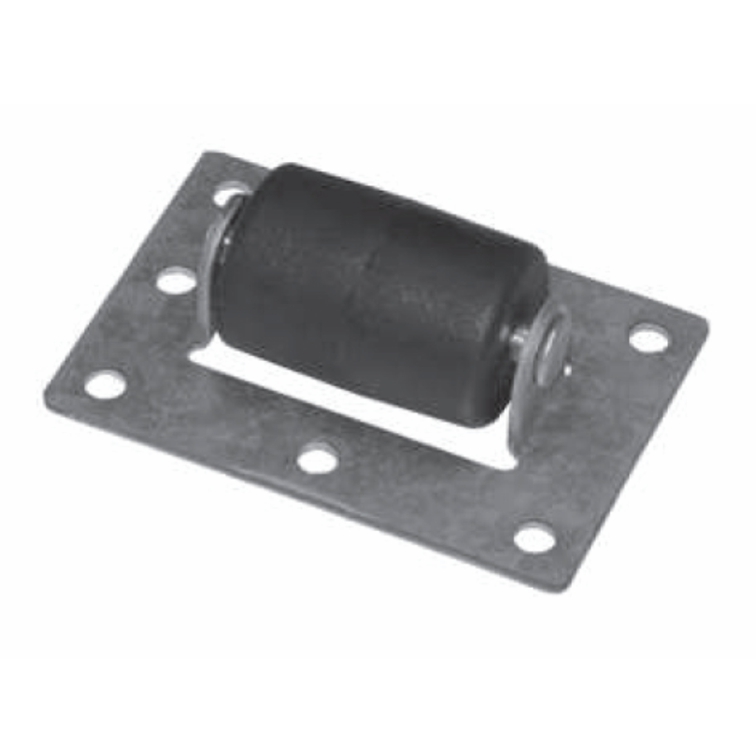
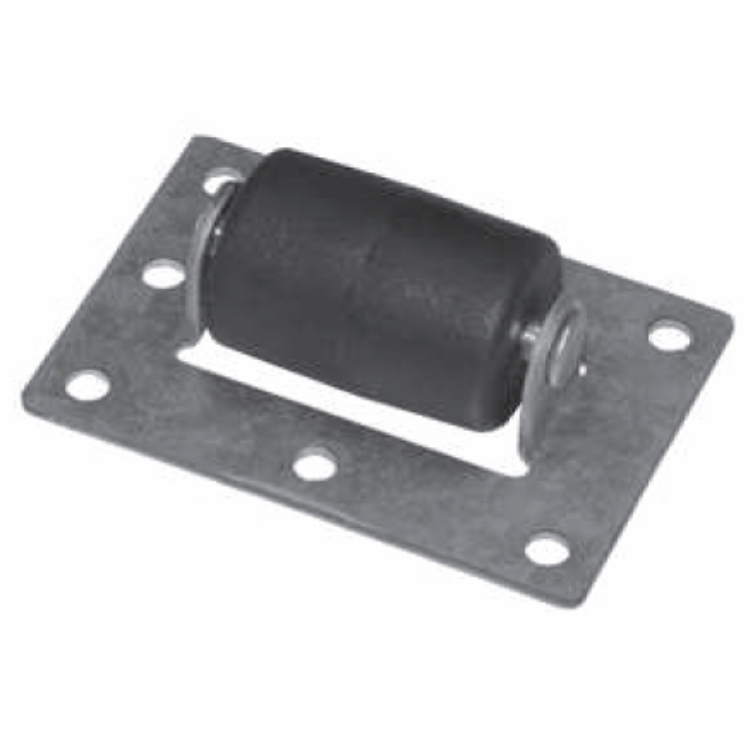
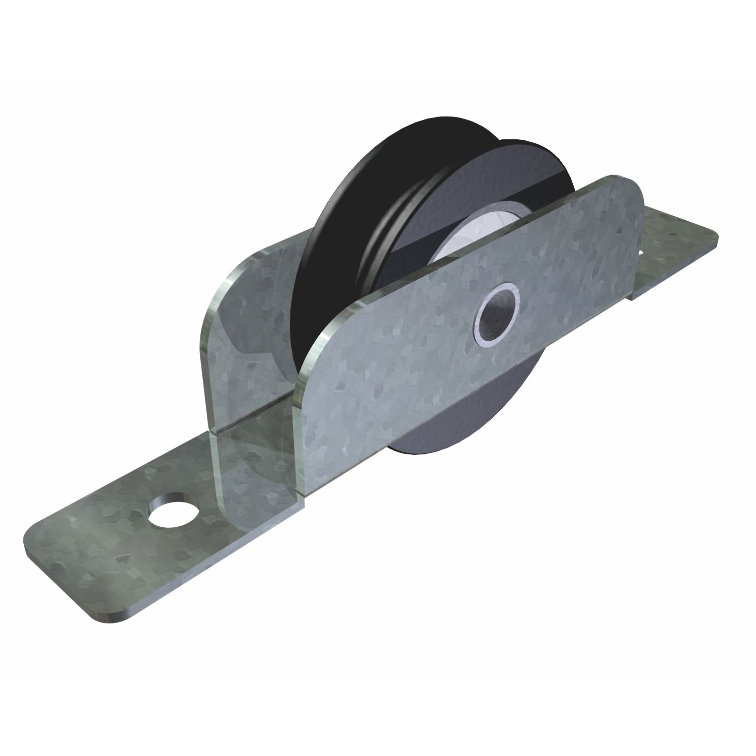
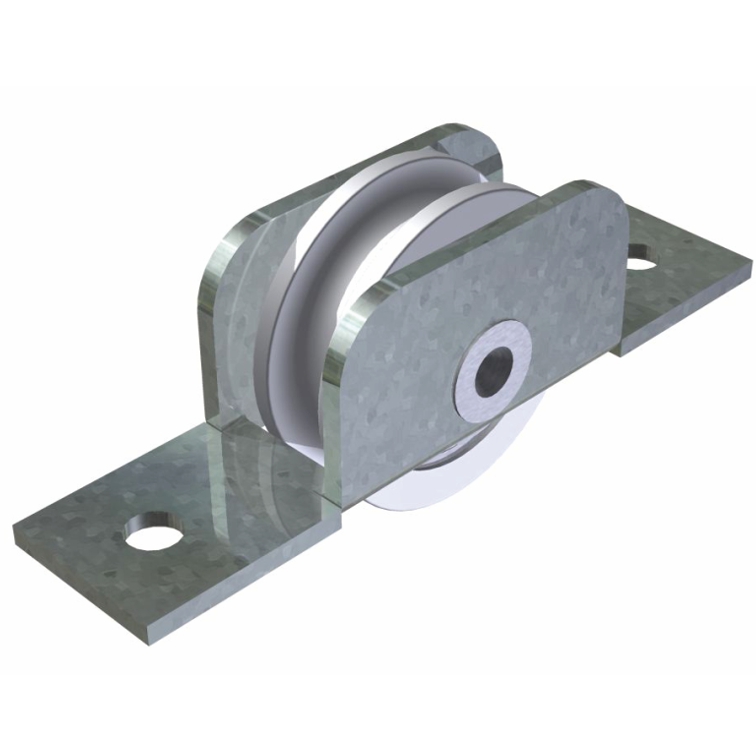
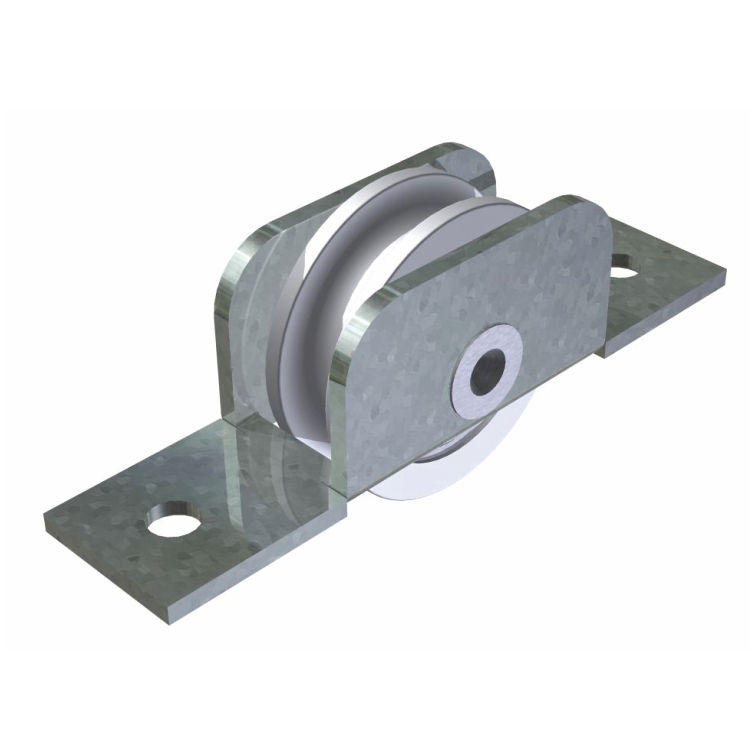
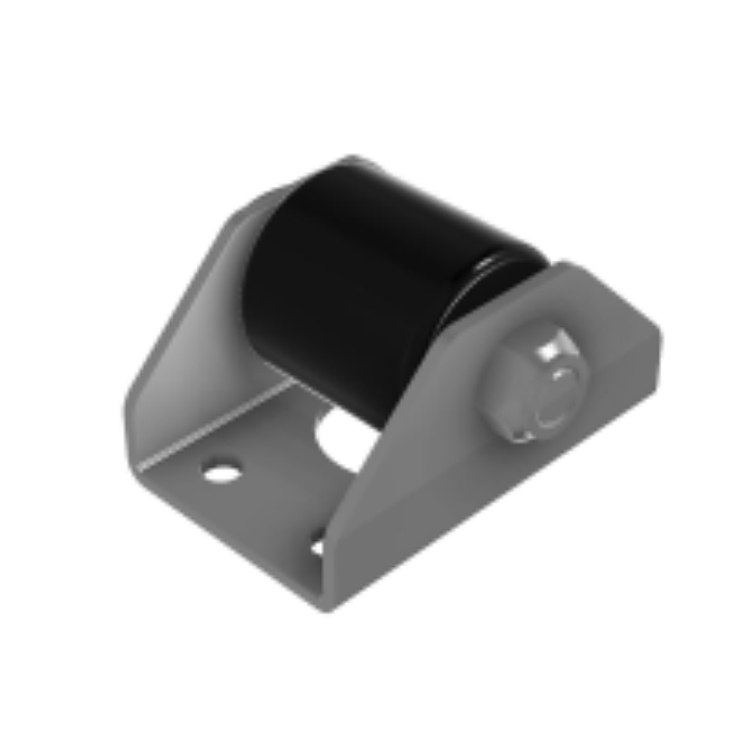
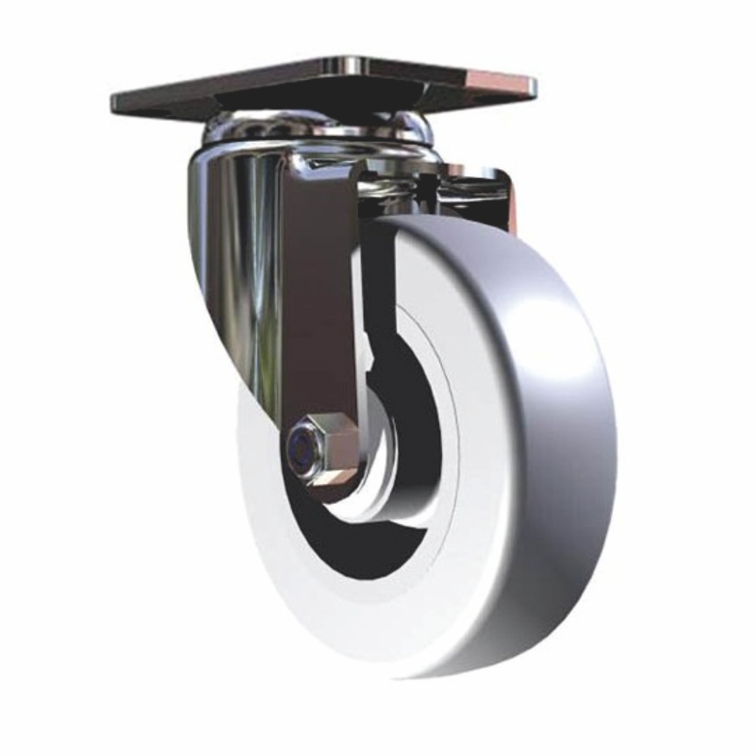
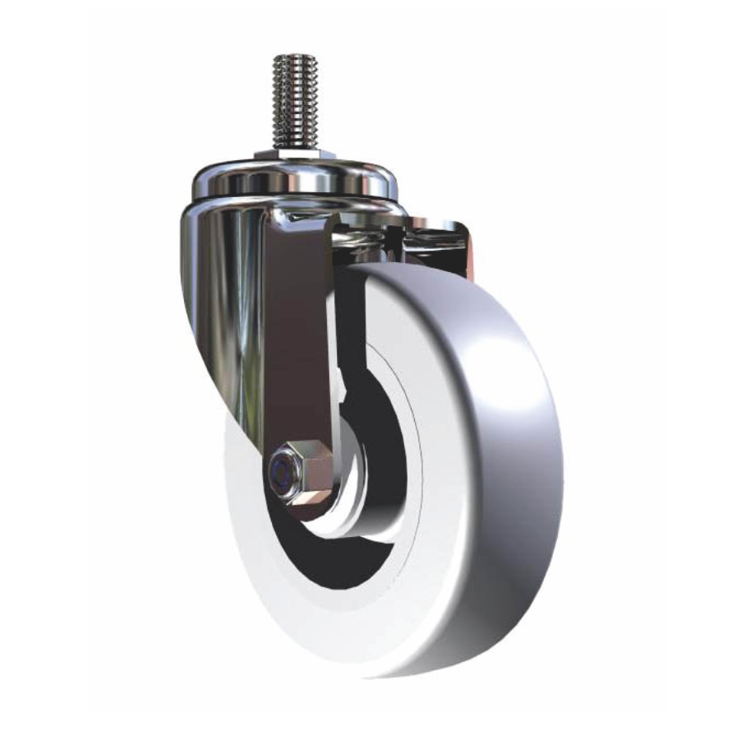
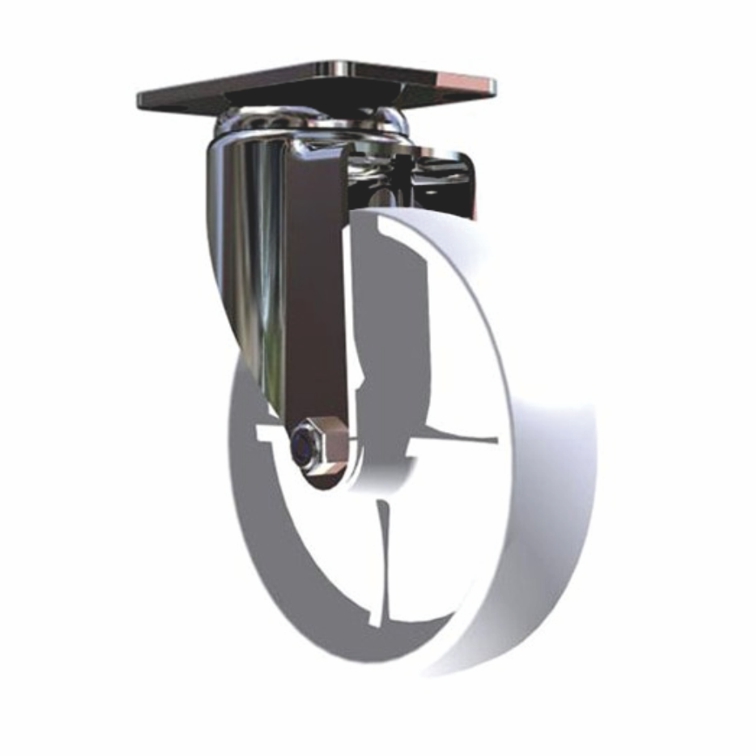
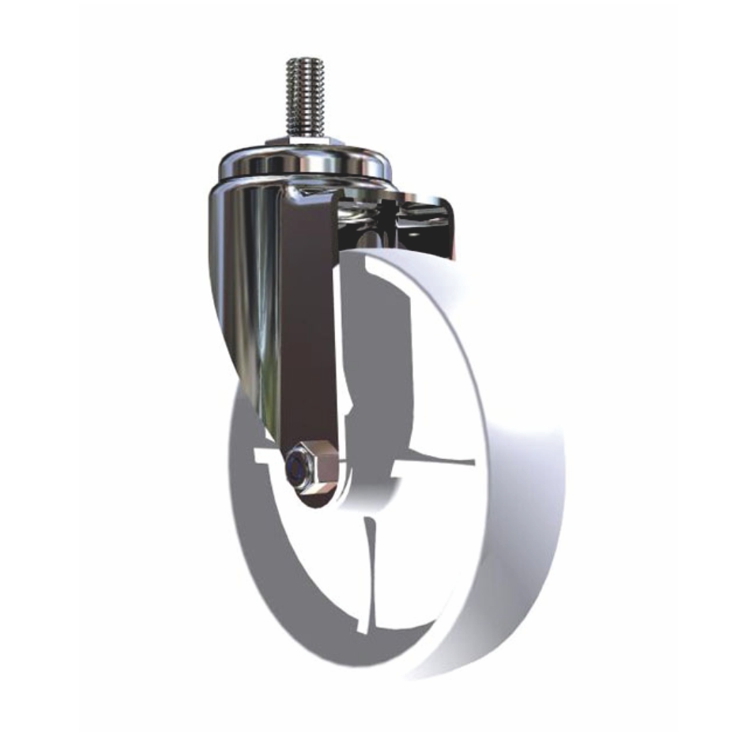
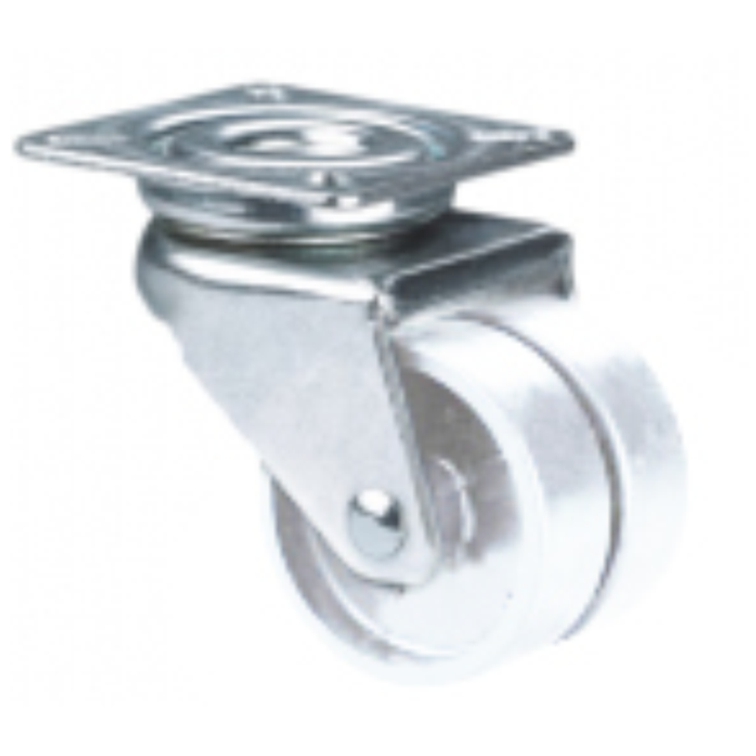
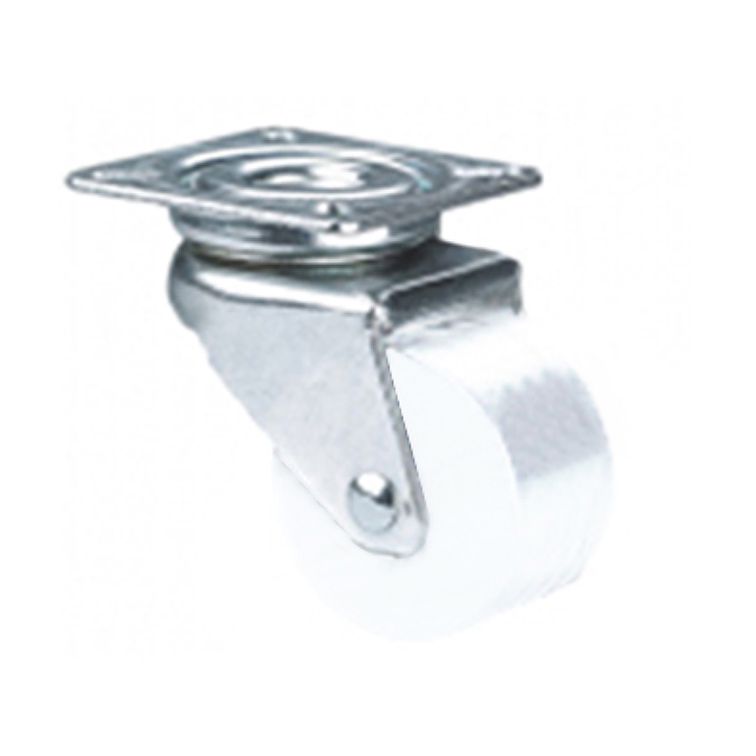
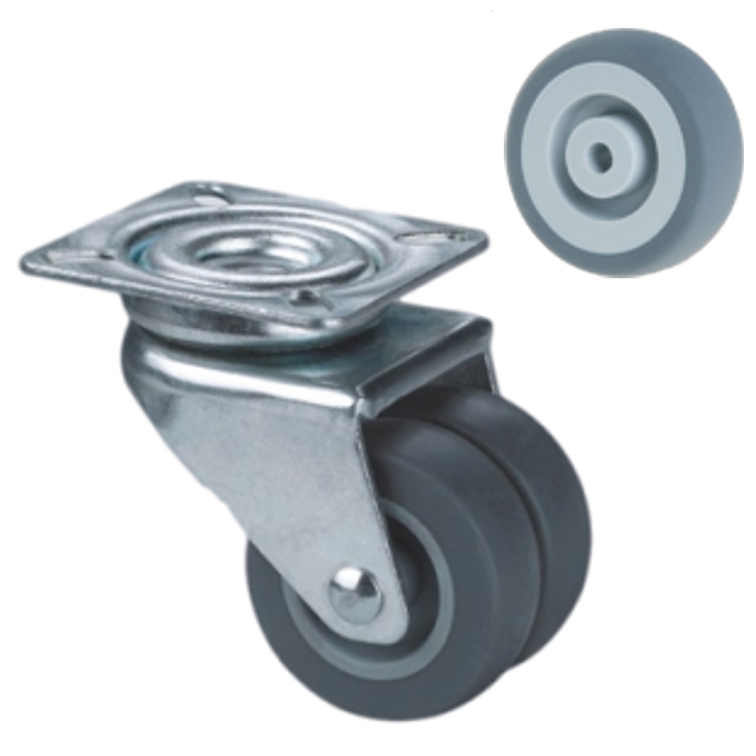
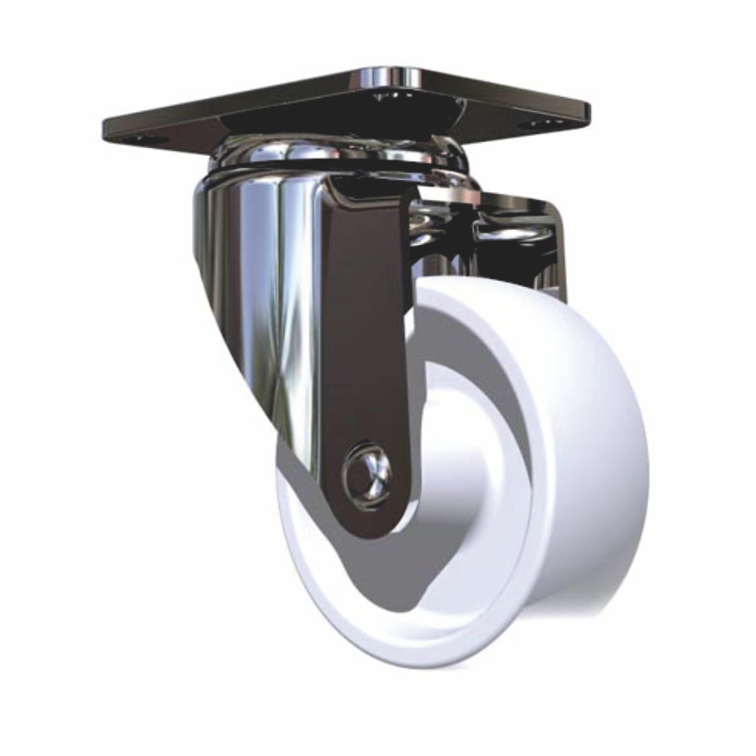
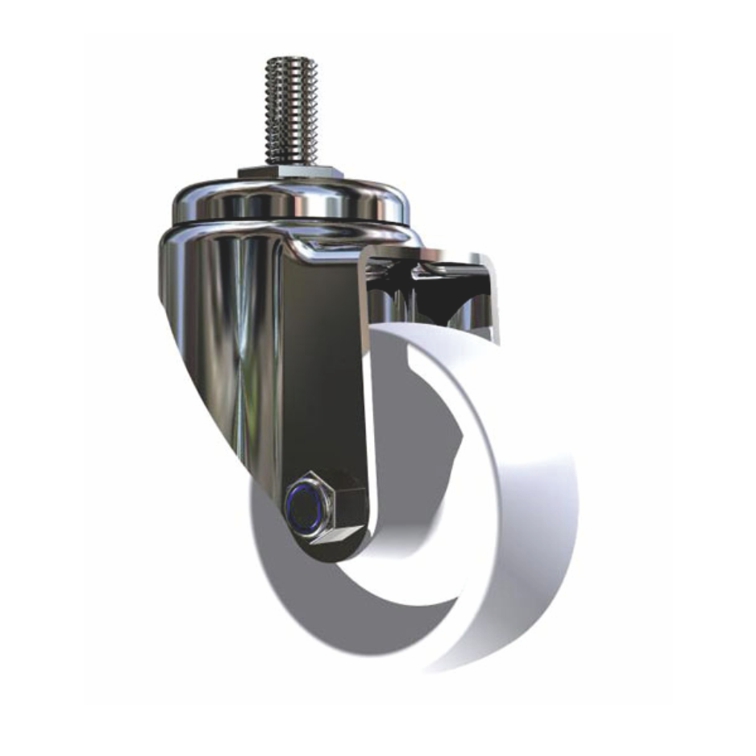
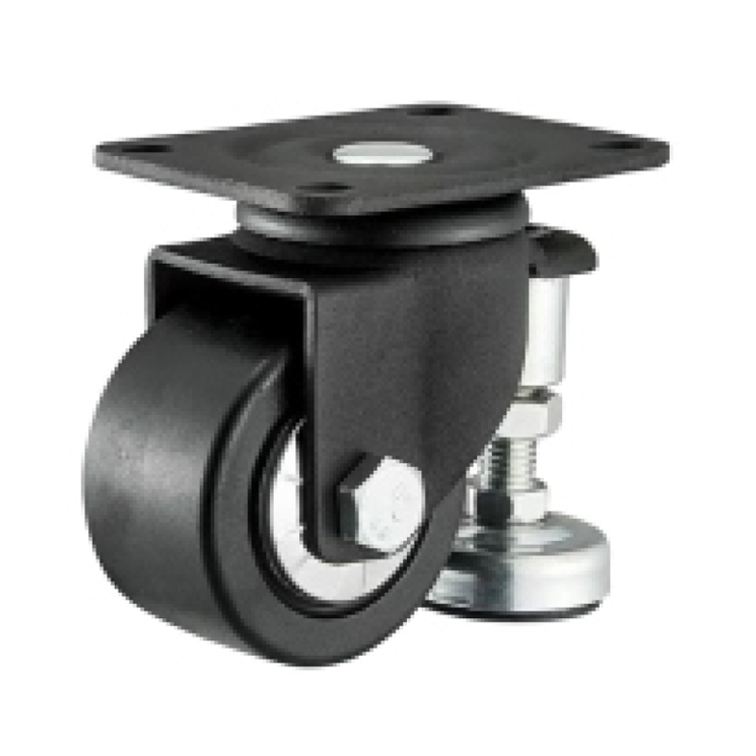
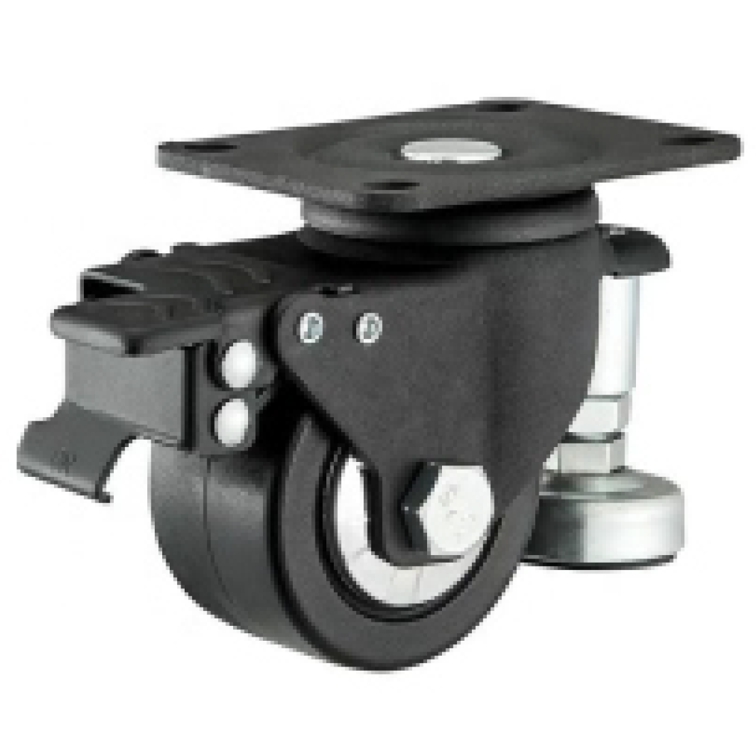
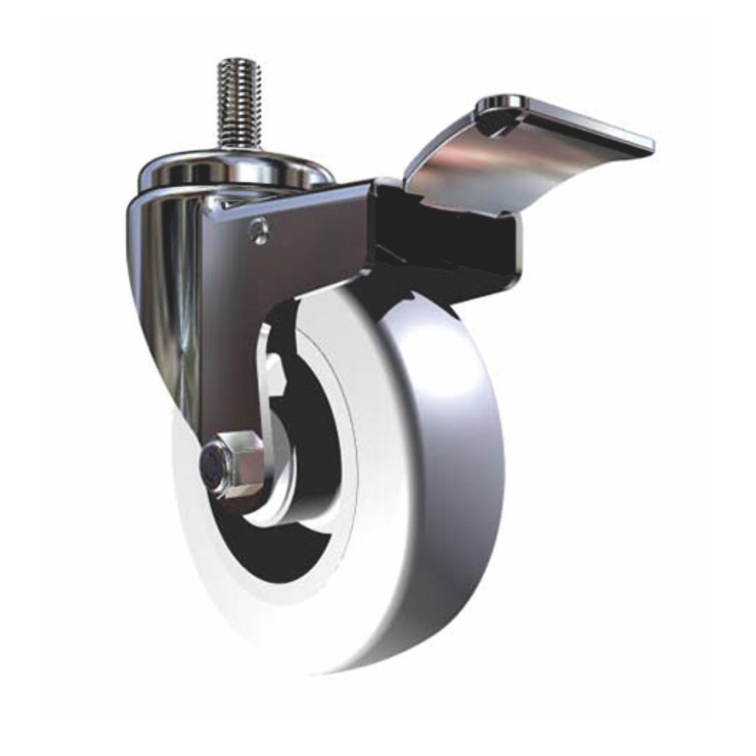
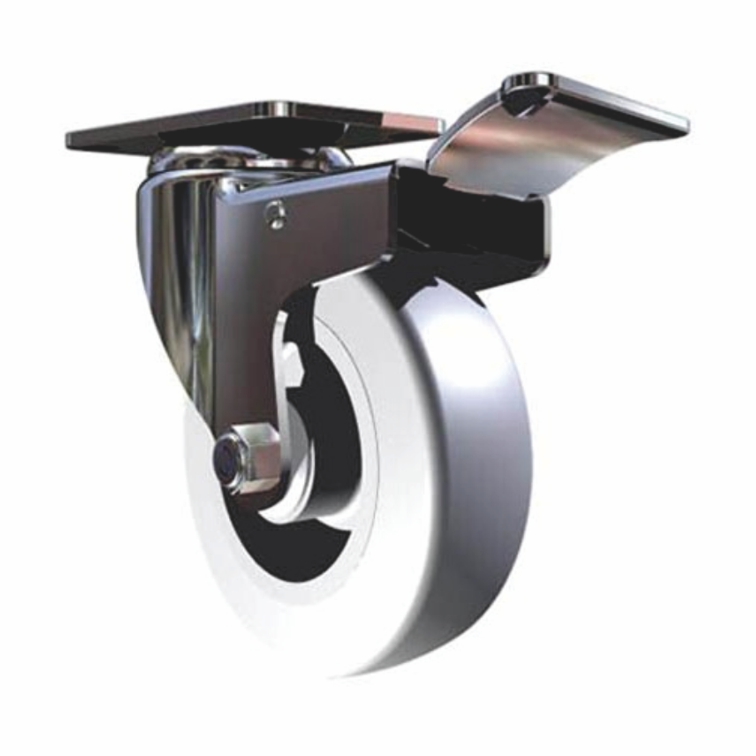
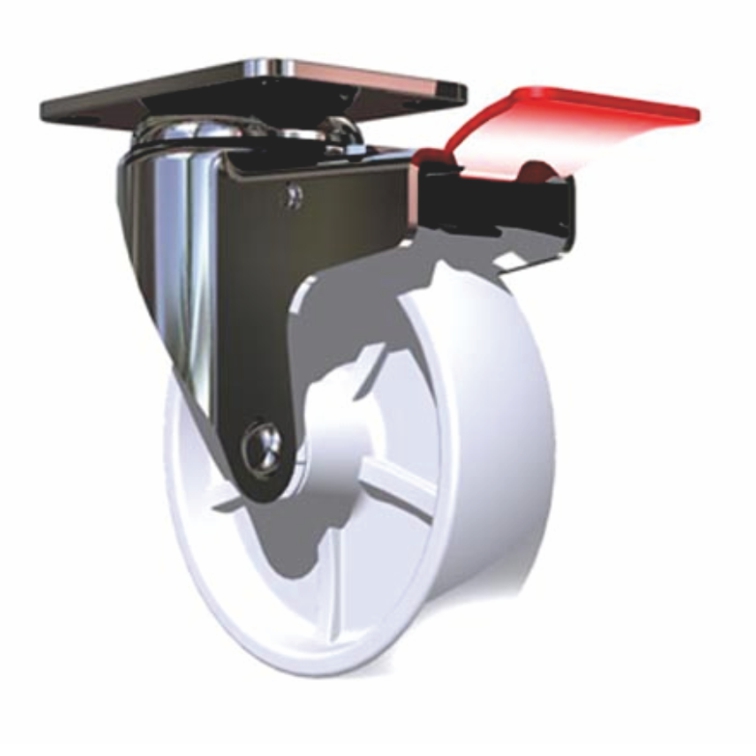
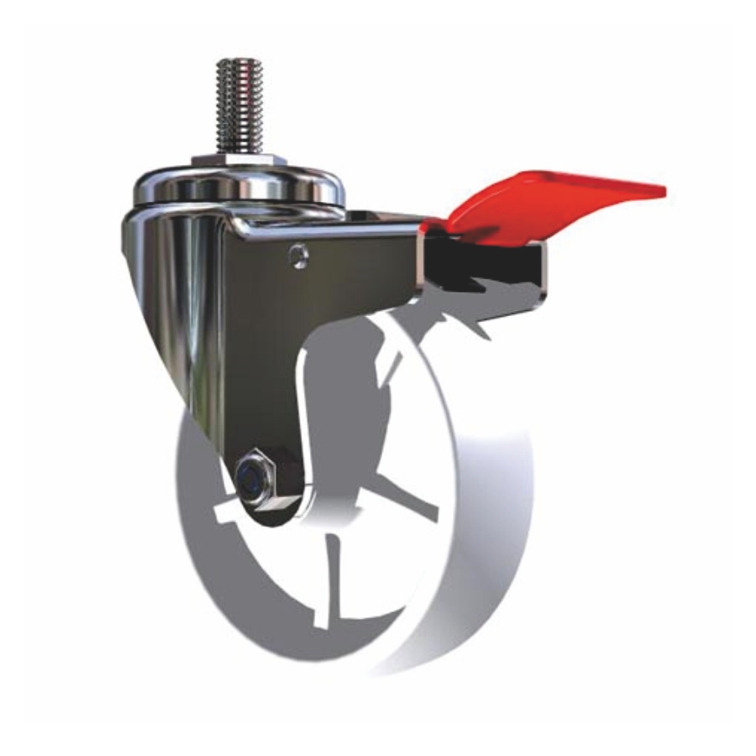
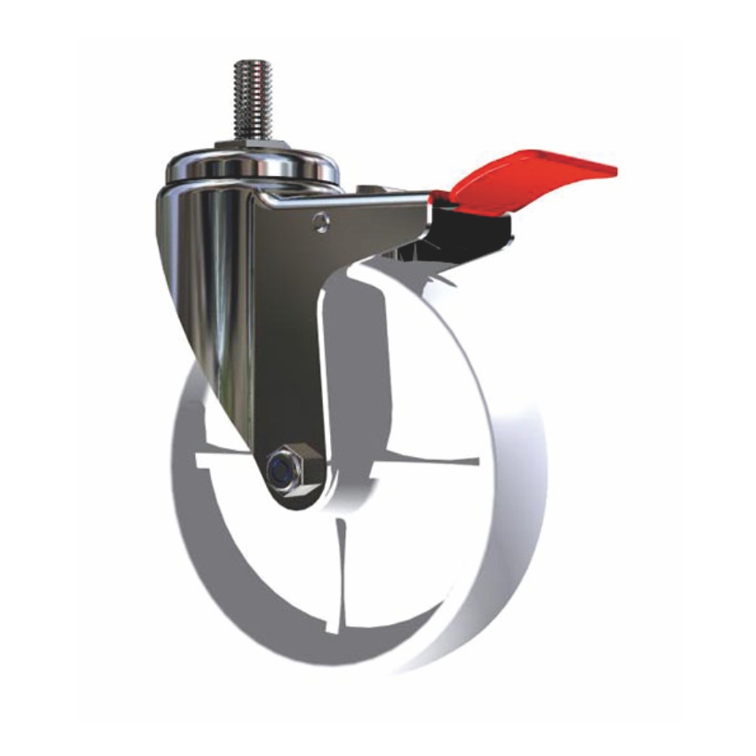
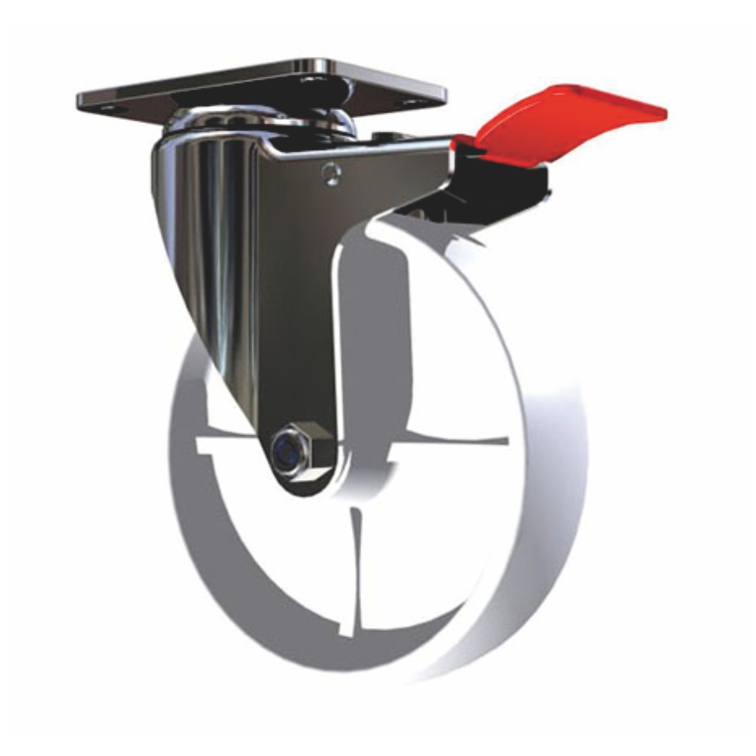
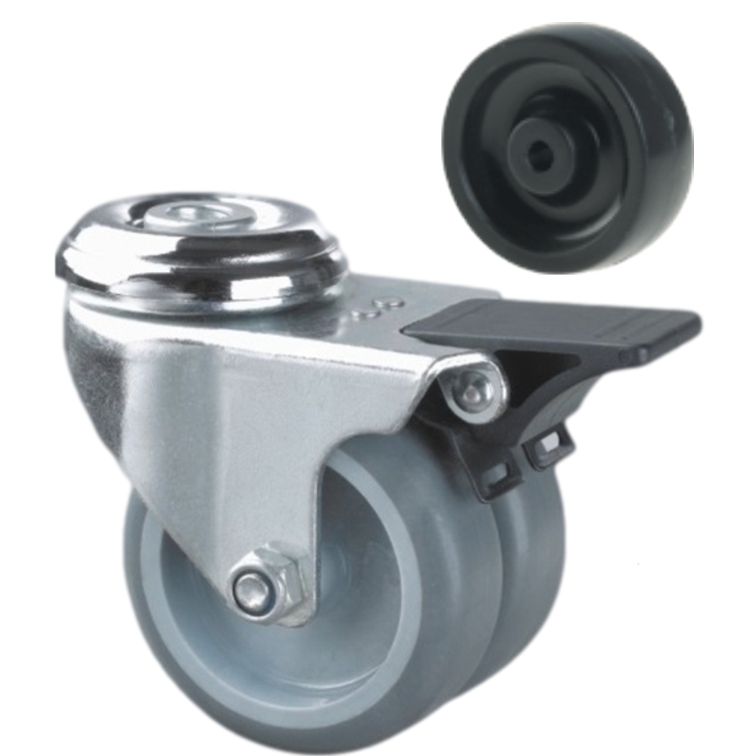
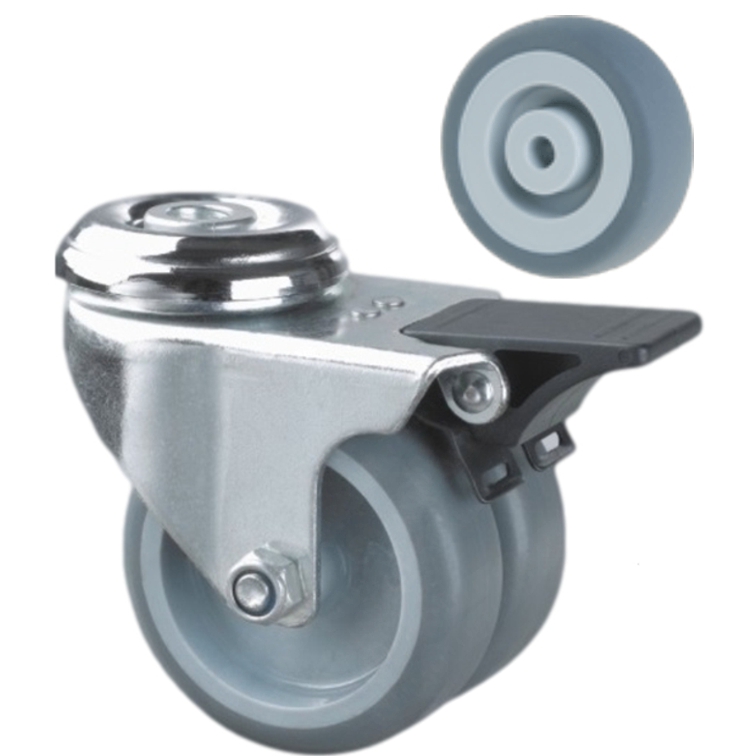
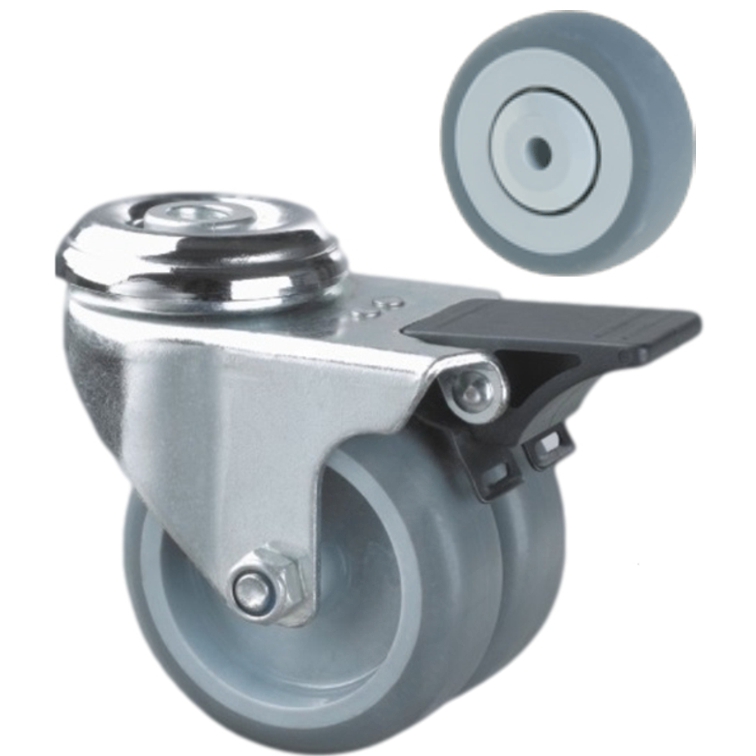
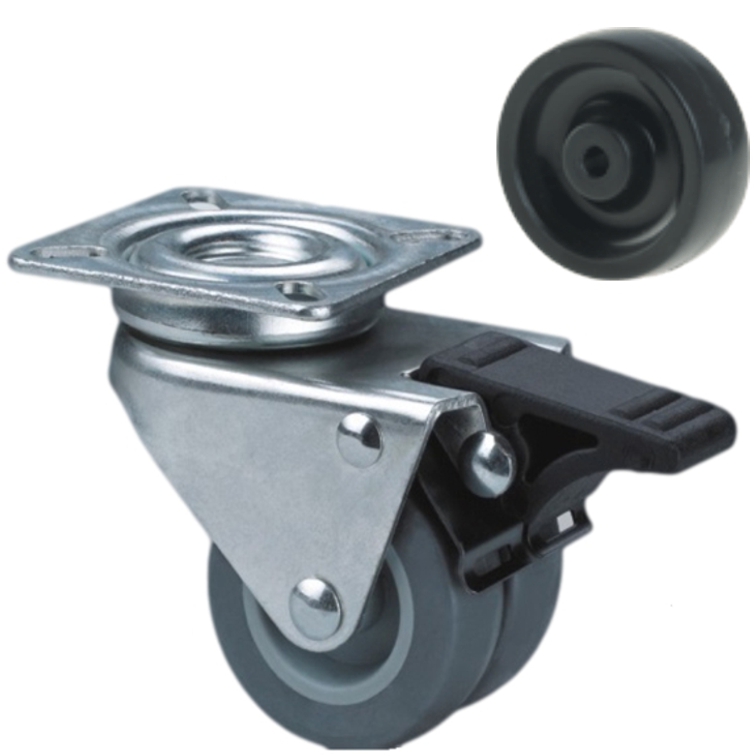
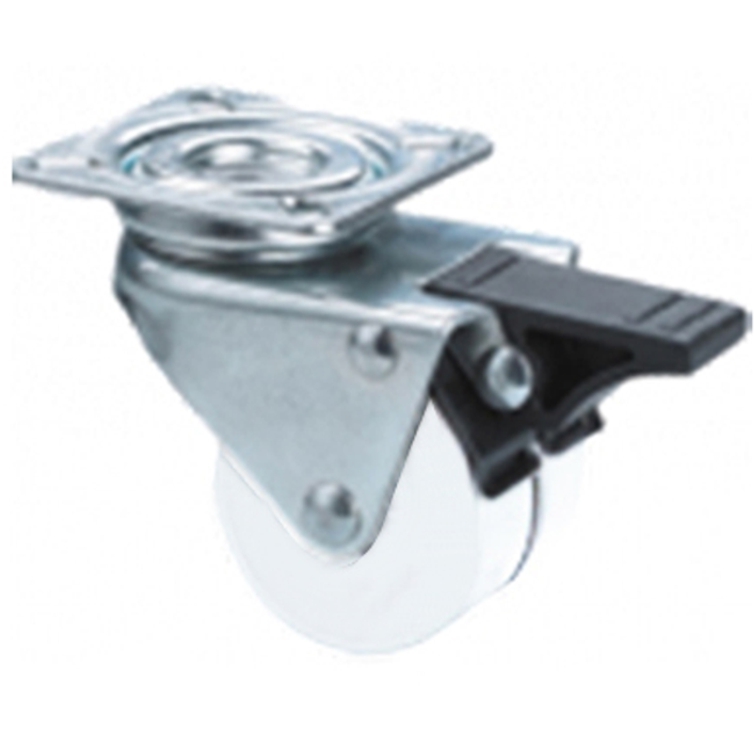
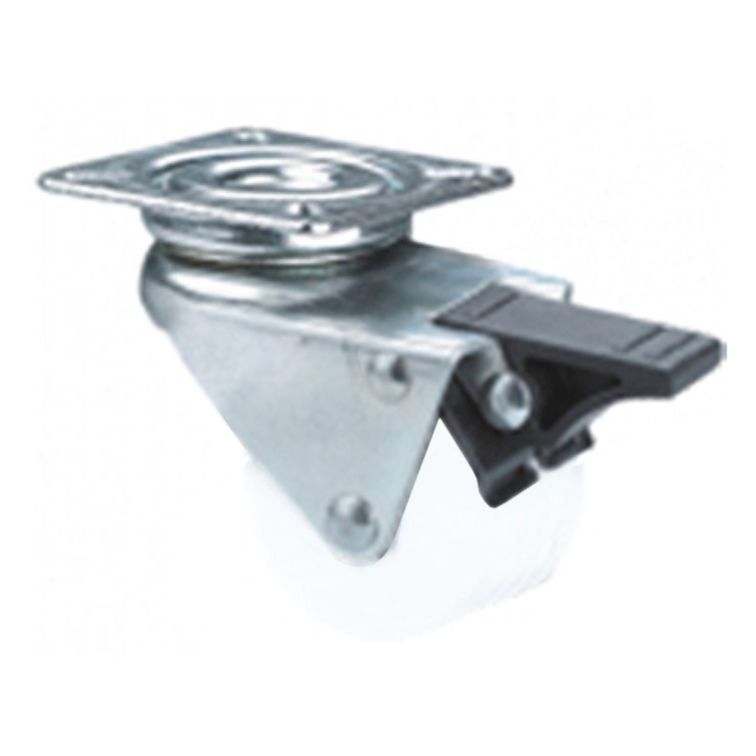
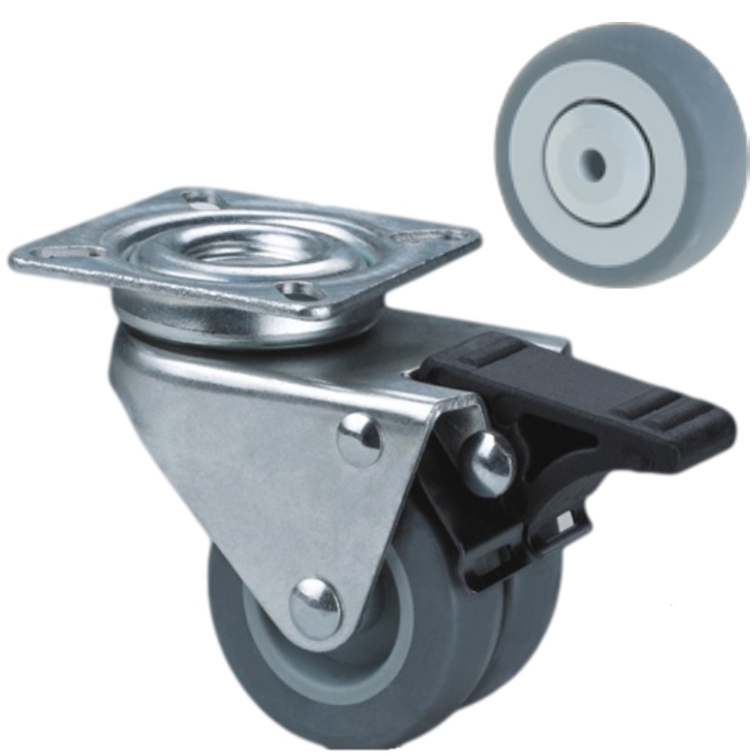
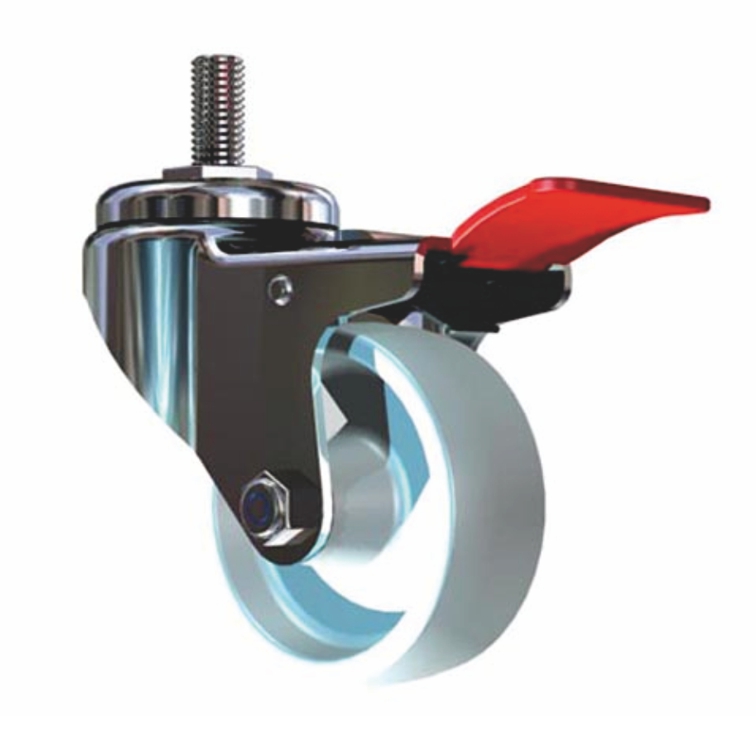
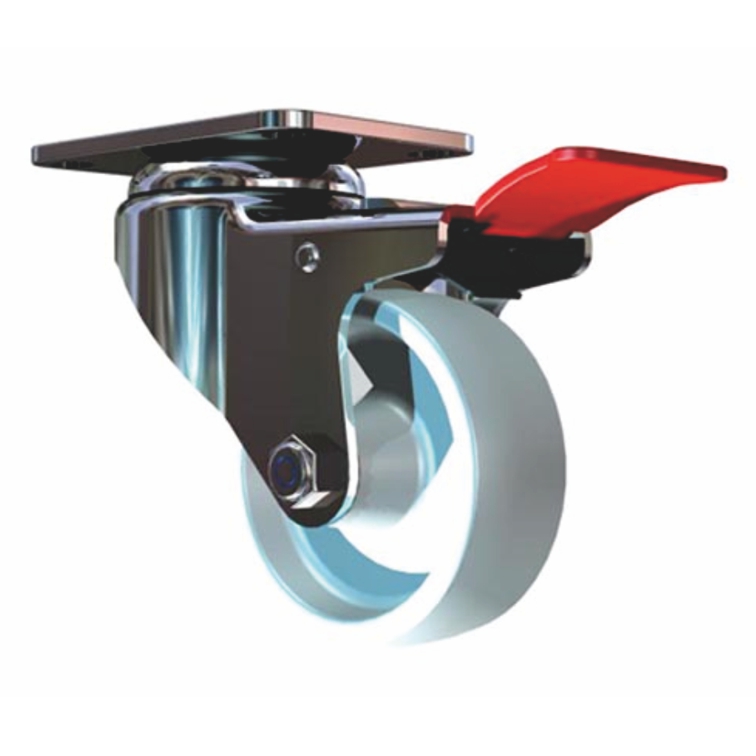
A castor lets the appliance be moved aside to wash the floor and repositioned without lifting, and the brake holds it in place during work. The wrong load rating ends in a cracked housing, the wrong tread material in marks on the floor. Every castor states the maximum load, the diameter and the tread material, and rollers and bearings are listed separately so they can be replaced without dismantling the whole set.
43 products
No product matches the selected filters.
How to choose
The castor is chosen for the load and for the floor it has to run on
We give the load for a set of four, because that is how the manufacturer declares it – and that is how it has to be calculated. Add to the weight of the appliance what will be inside it: water in the pan, product in the chamber, equipment on the shelves. On equipment wheeled over an uneven floor the load rarely spreads evenly over four castors, so a margin is not an excess.
The second parameter is the diameter. A bigger wheel gets over thresholds, drainage strips and gaps in the floor more easily, but it raises the appliance and changes the working height of the worktop. That is a decision taken together with the choice of legs, not after it.
The third thing is the tread material. A hard one rolls more easily and wears less, a soft one is quieter and does not mark the floor. In kitchens with a resin or tiled floor it is worth checking, because castor marks are permanent.
A brake is fitted on some of the sets. As standard two castors with a brake and two without are mounted – that is enough to keep the appliance in place without forcing four brakes to be applied at every stop.
- The load is calculated for a set of four castors
- Add water and product to the weight of the appliance
- A larger diameter gets over thresholds more easily
- A soft tread is quieter, a hard one lasts longer
- Two castors with a brake are usually enough
Prices, availability and ordering
Prices and stock levels are in the B2B shop. Sets for a specific appliance are put together to order.