
Cup and napkin dispensers, dish dispensers
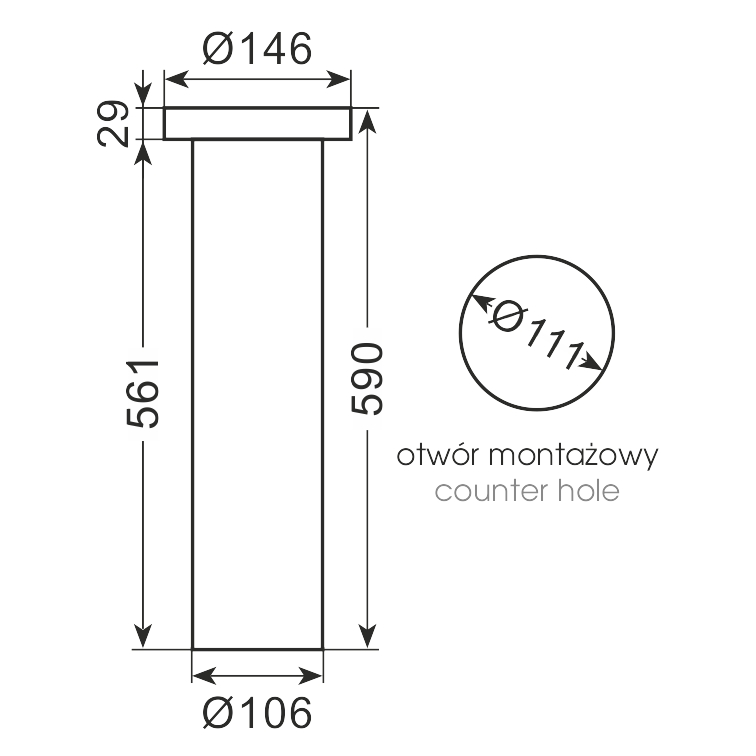
A dispenser brings order to serving where the station runs without staff: in coffee corners at petrol stations, in hotels and self-service restaurants. When the station is designed, space organisation, safety, ergonomics and ease of cleaning and refilling all count at once. The product card gives the vessel diameter, the dimensions and the mounting hole, and we match the material to the traffic: stainless steel where the dispenser gets the hardest use.
77 products
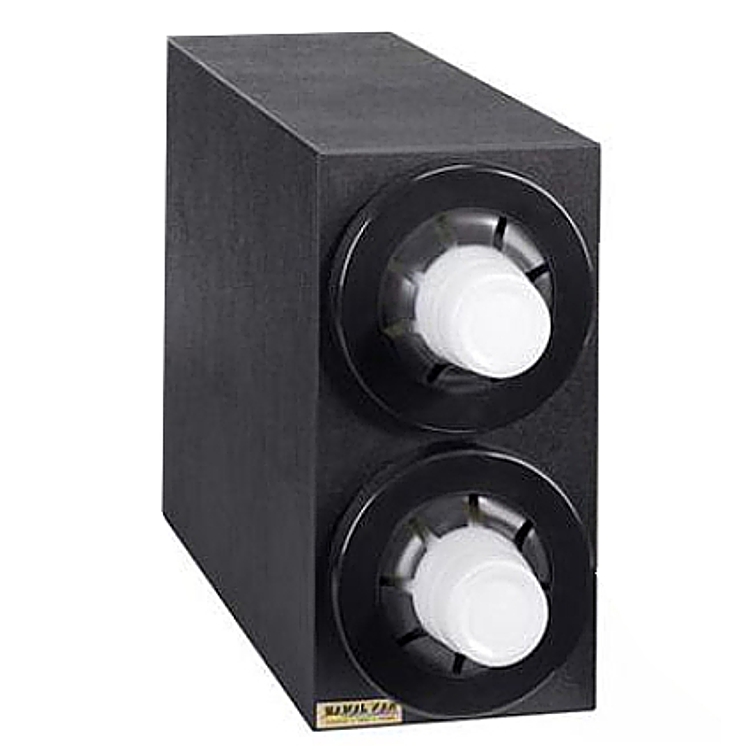
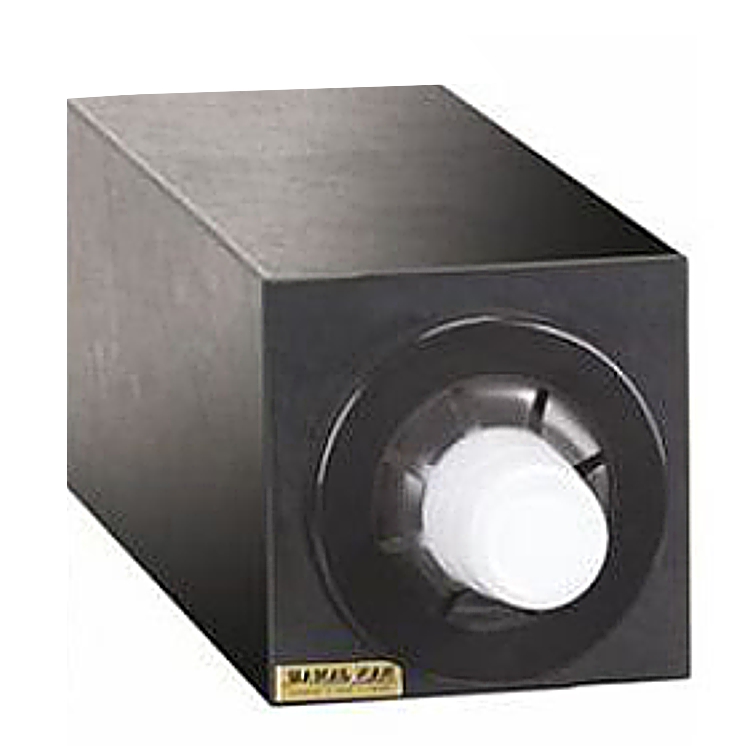
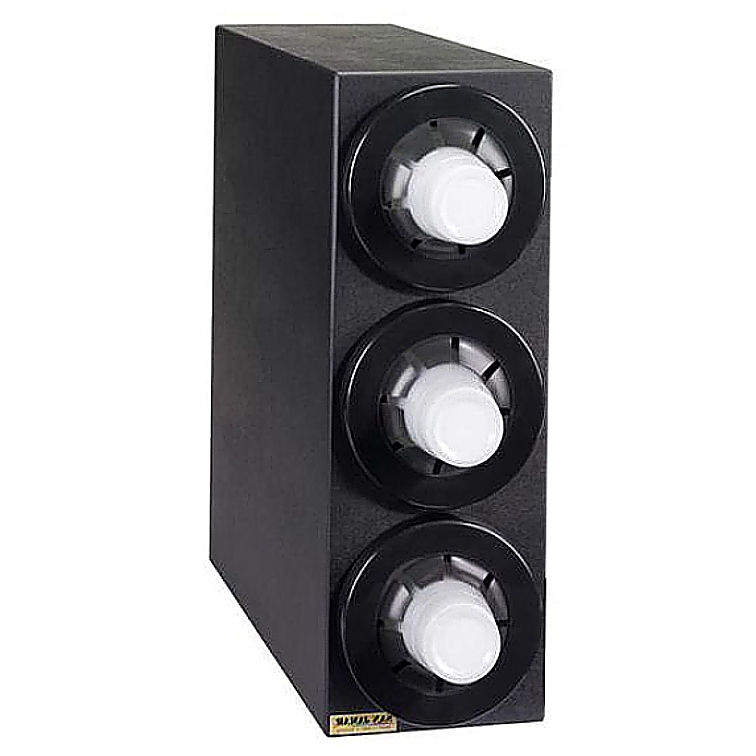
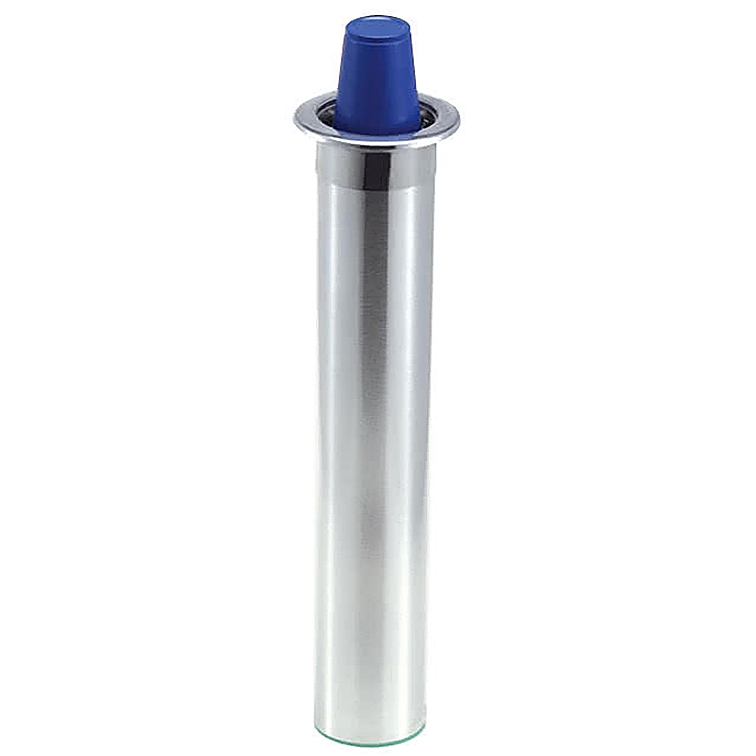
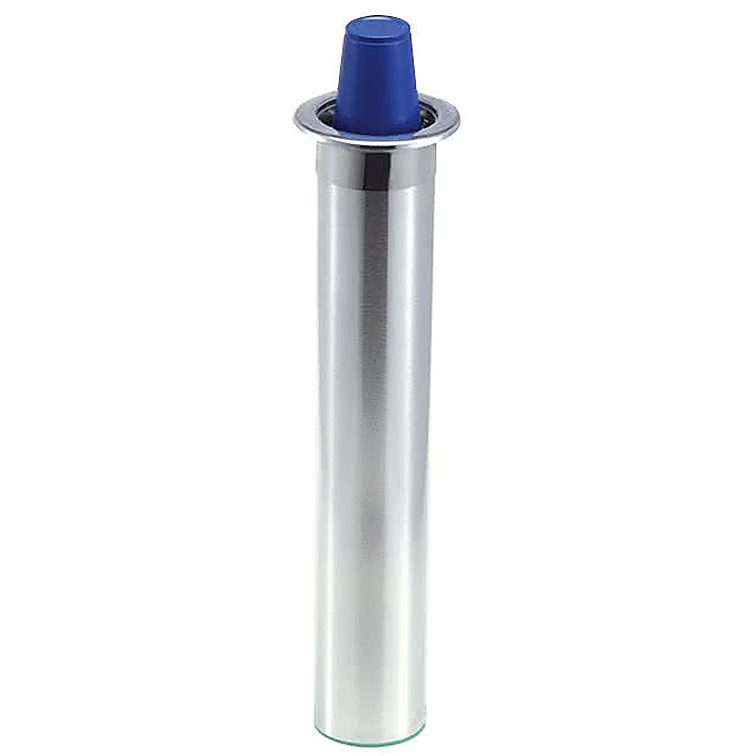
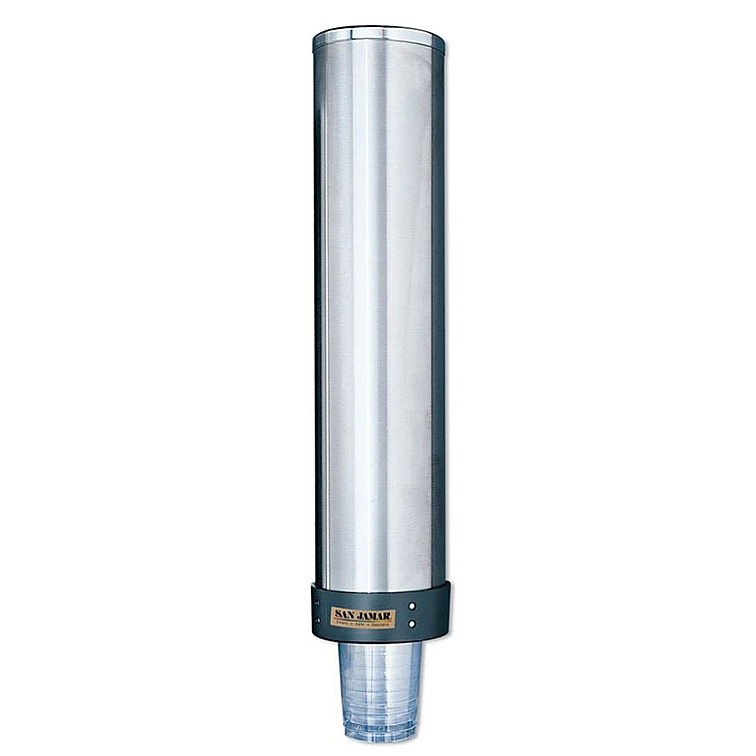
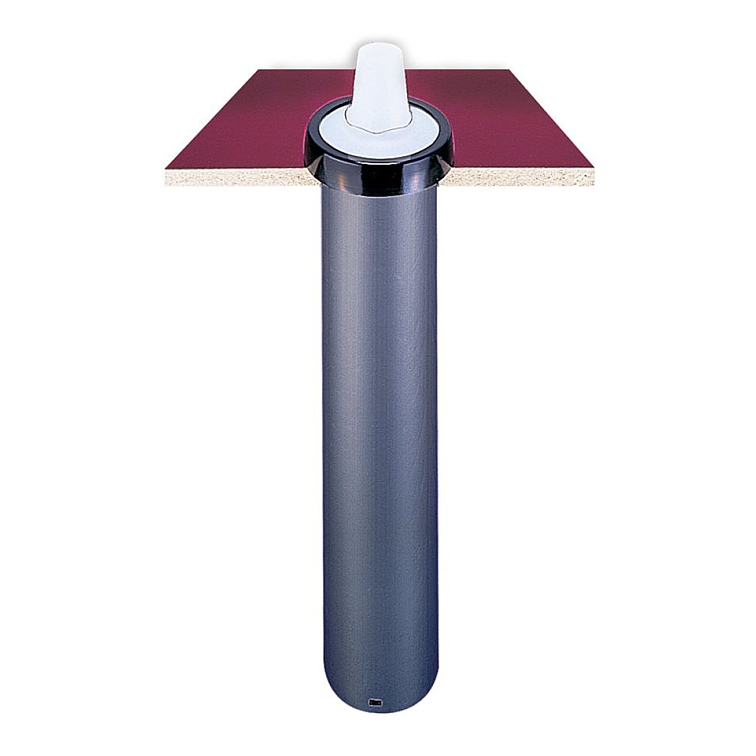
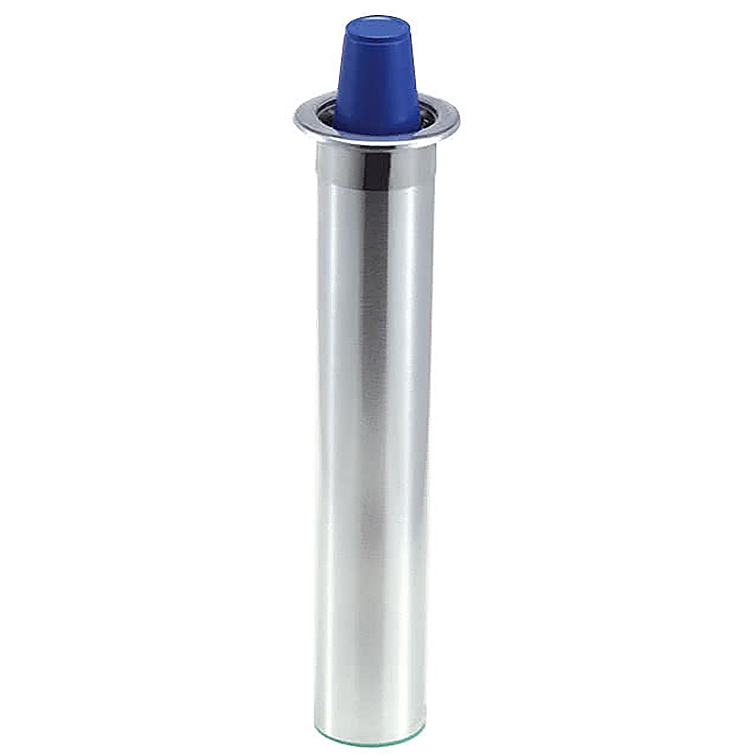
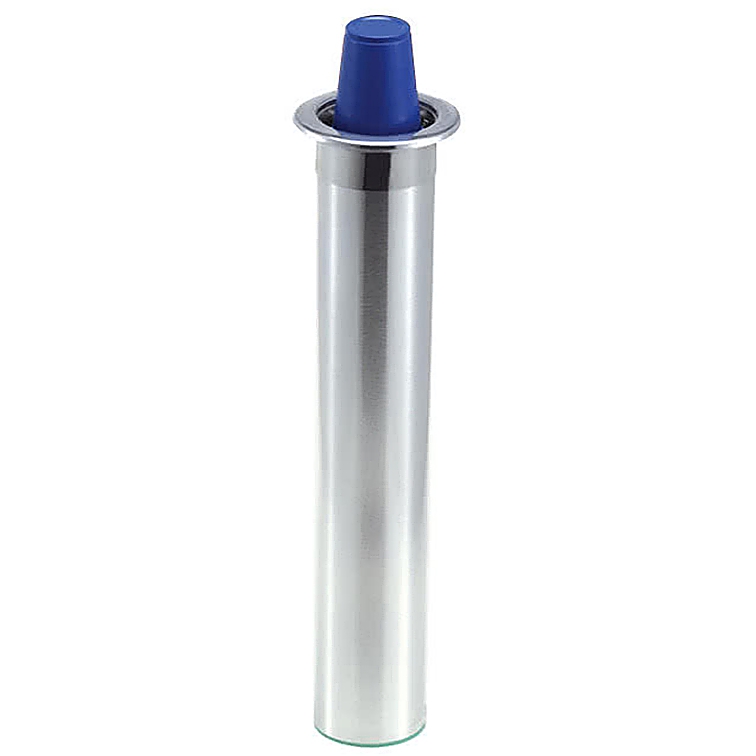
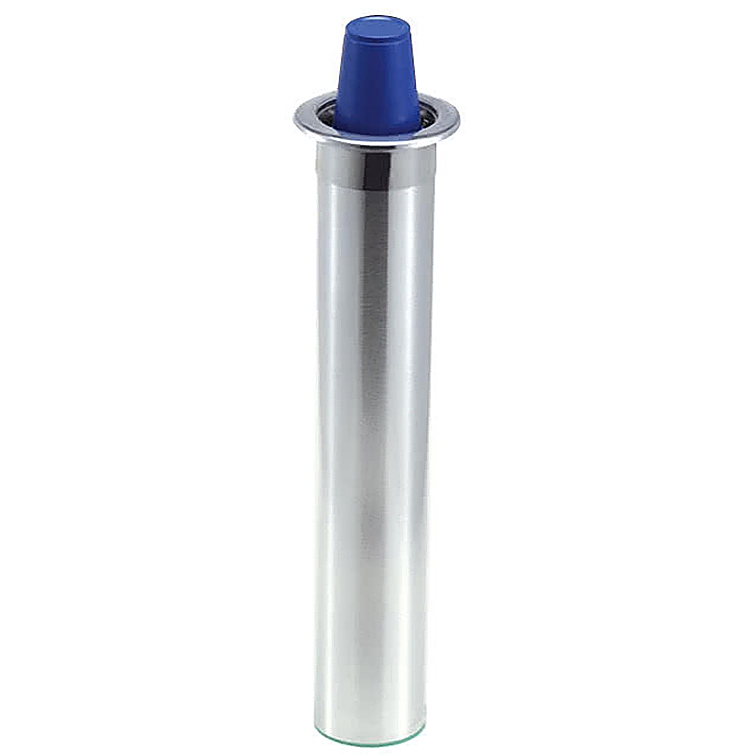
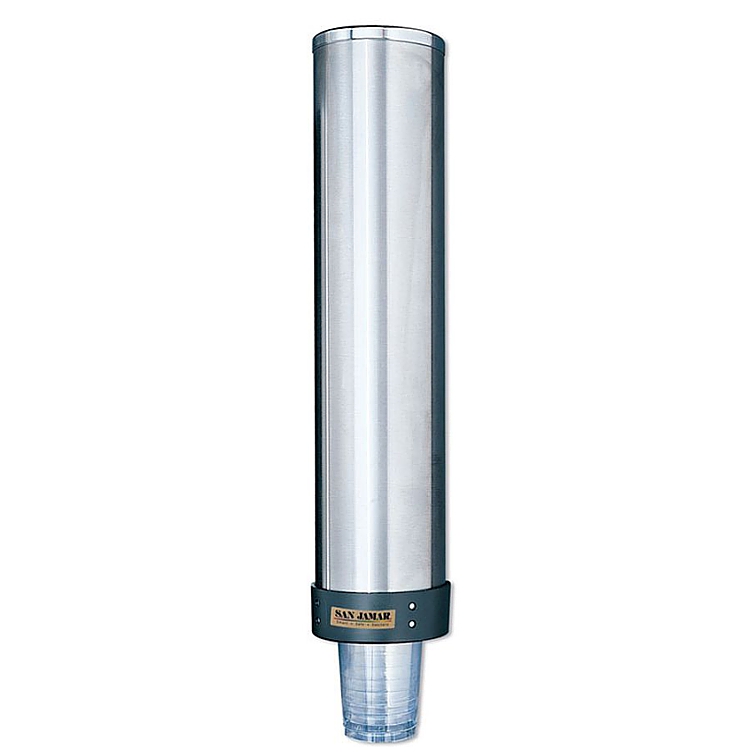
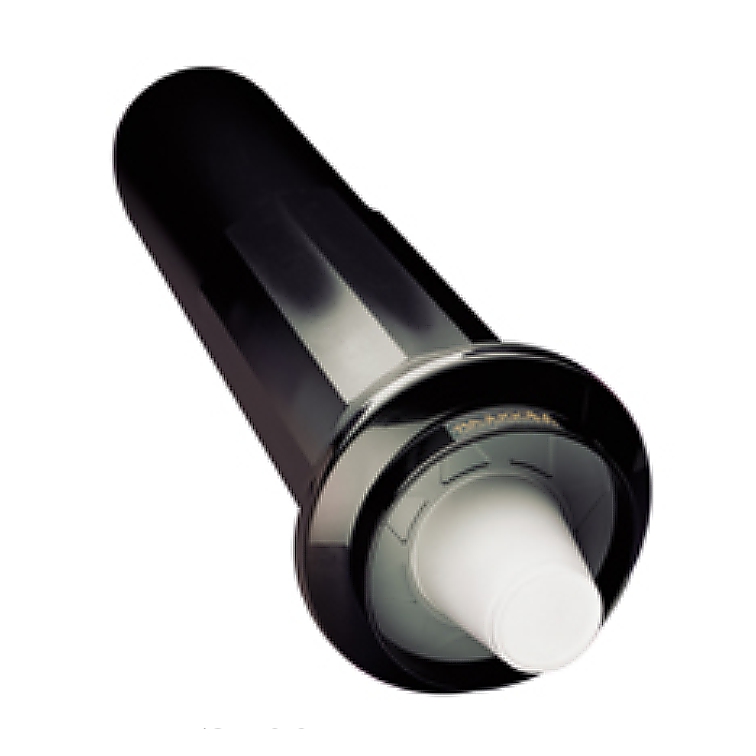
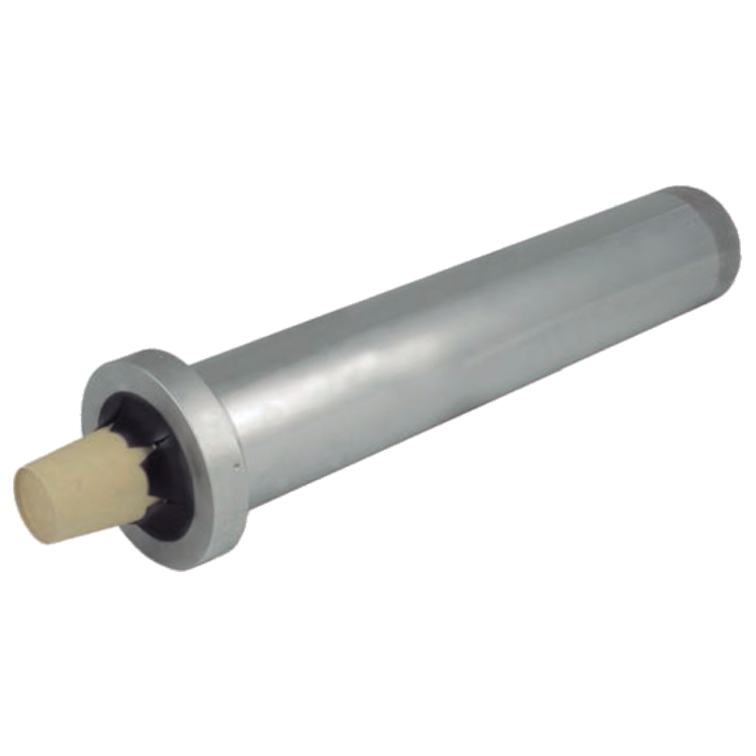
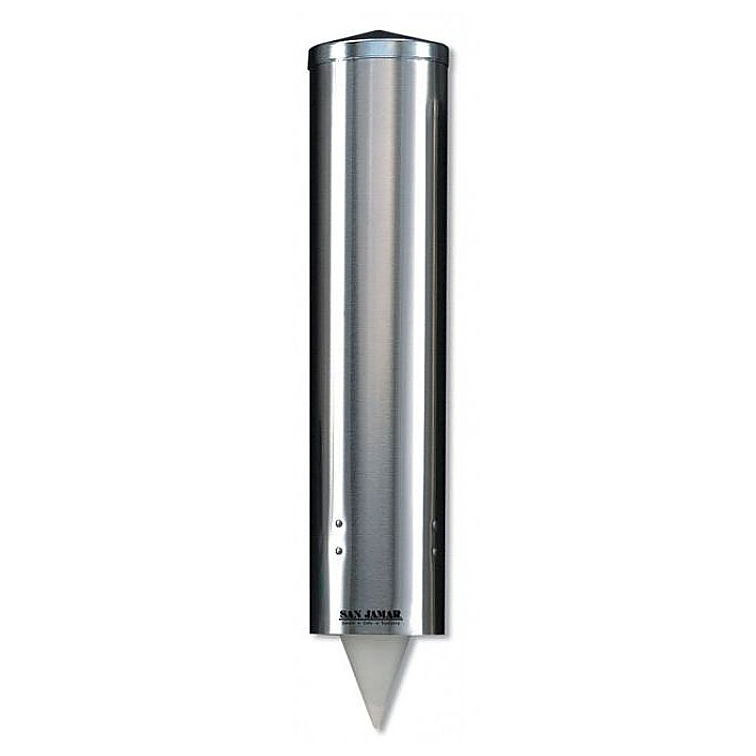
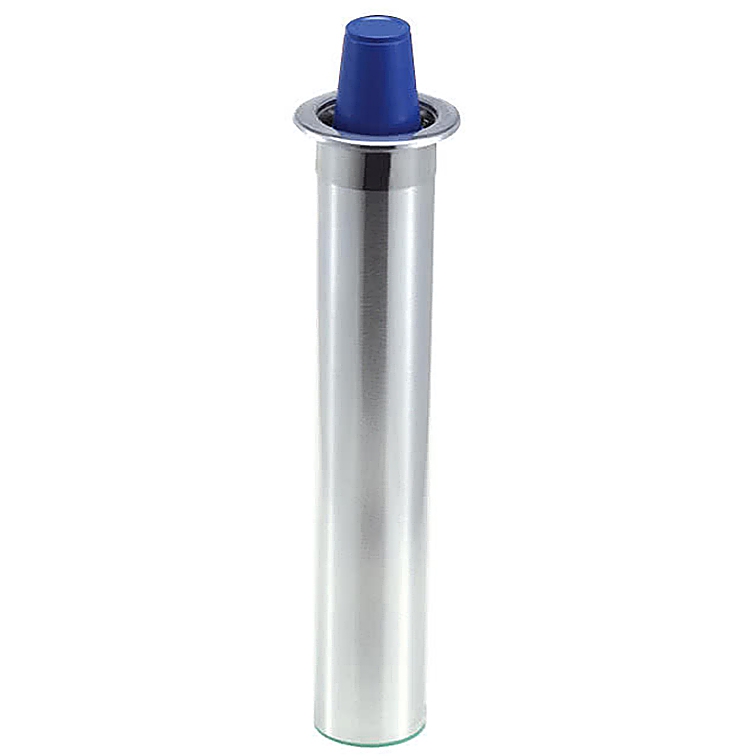
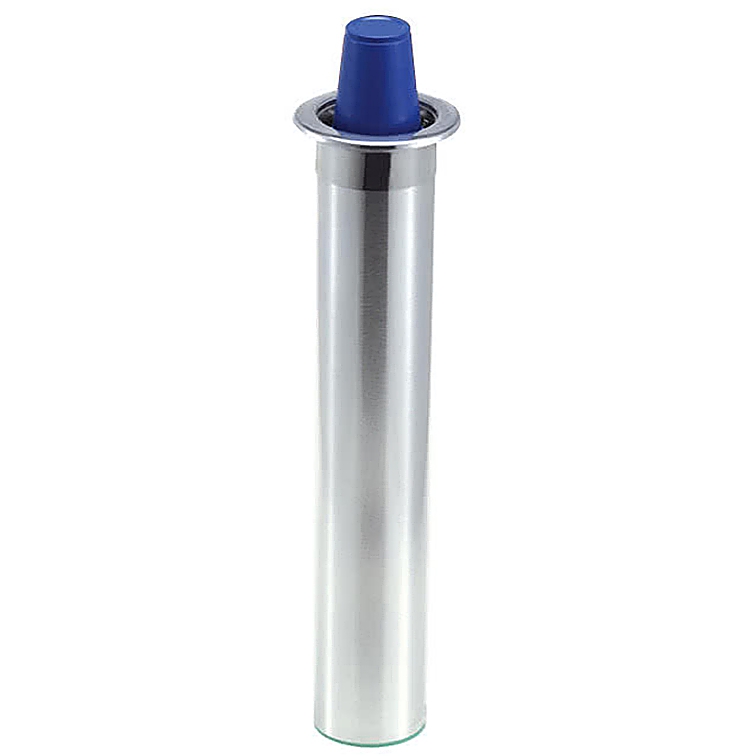
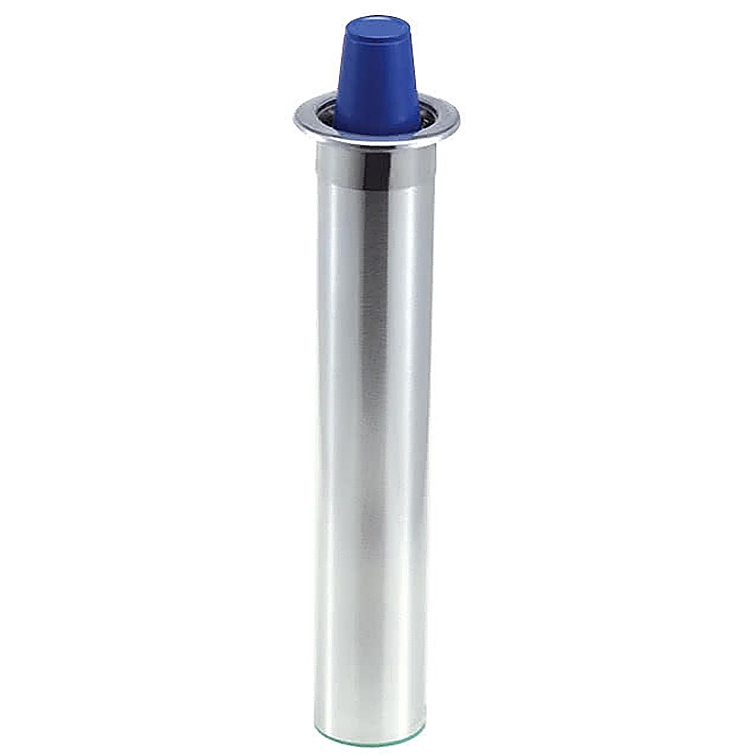
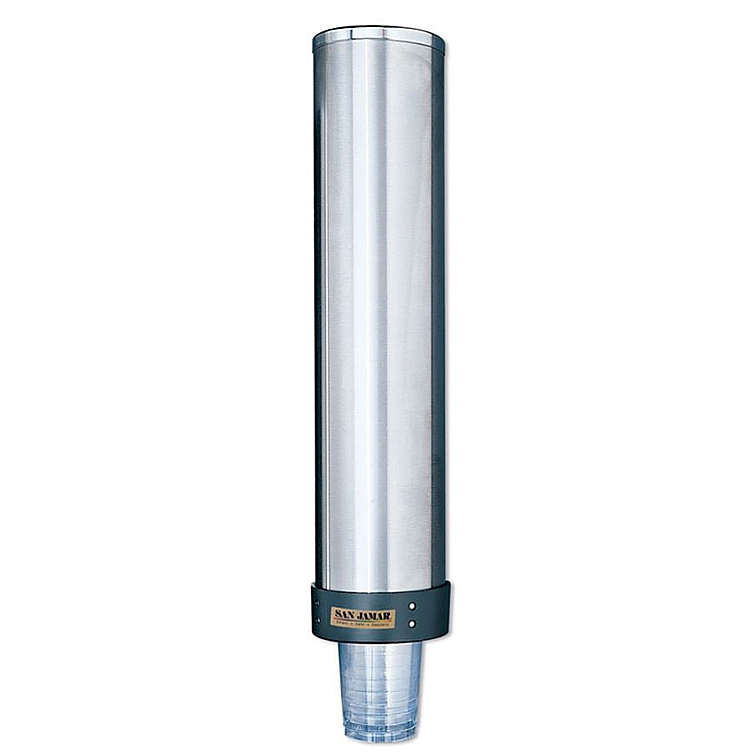
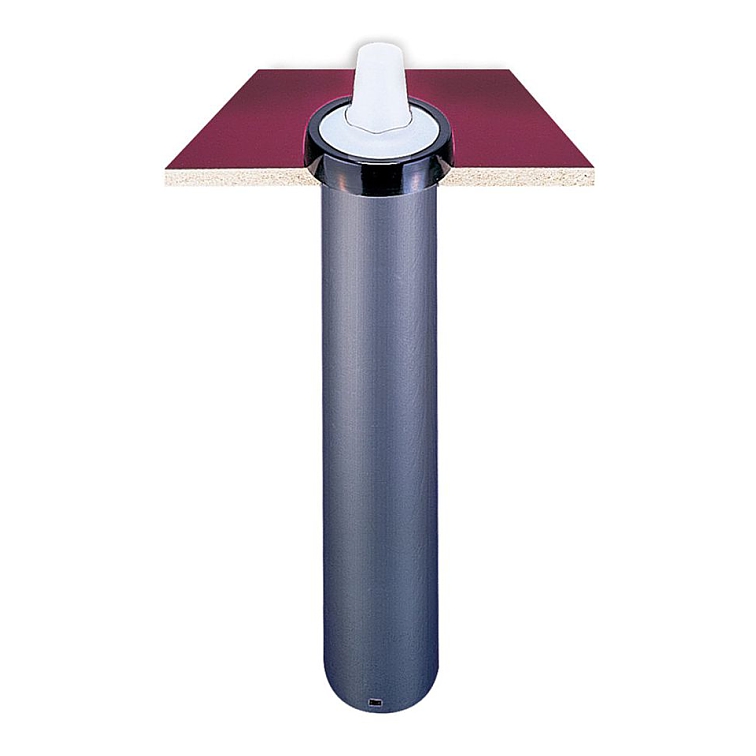
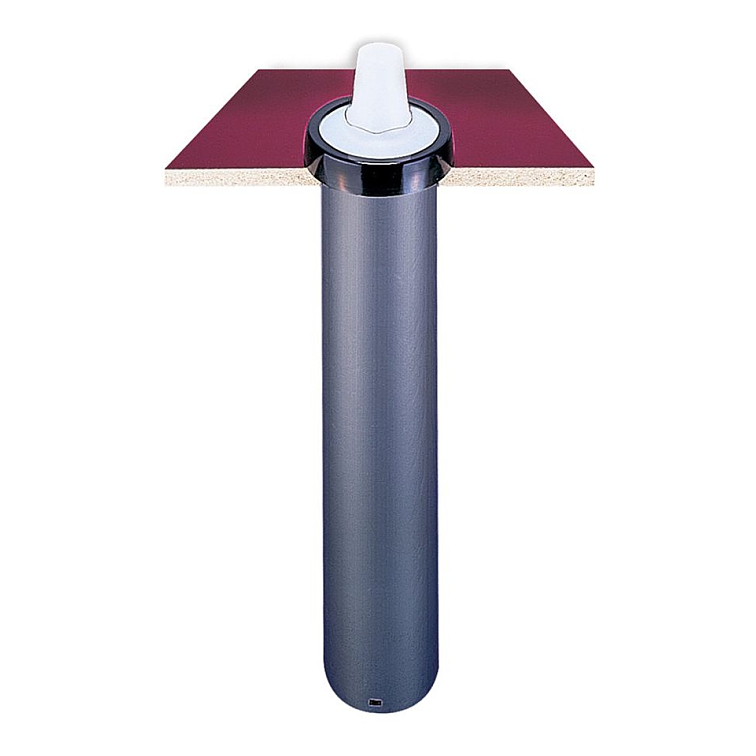
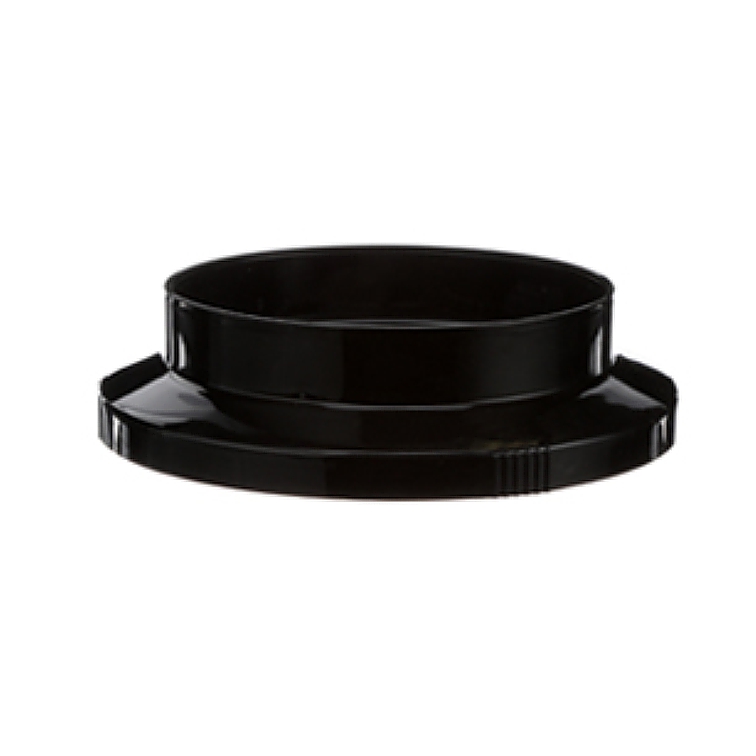
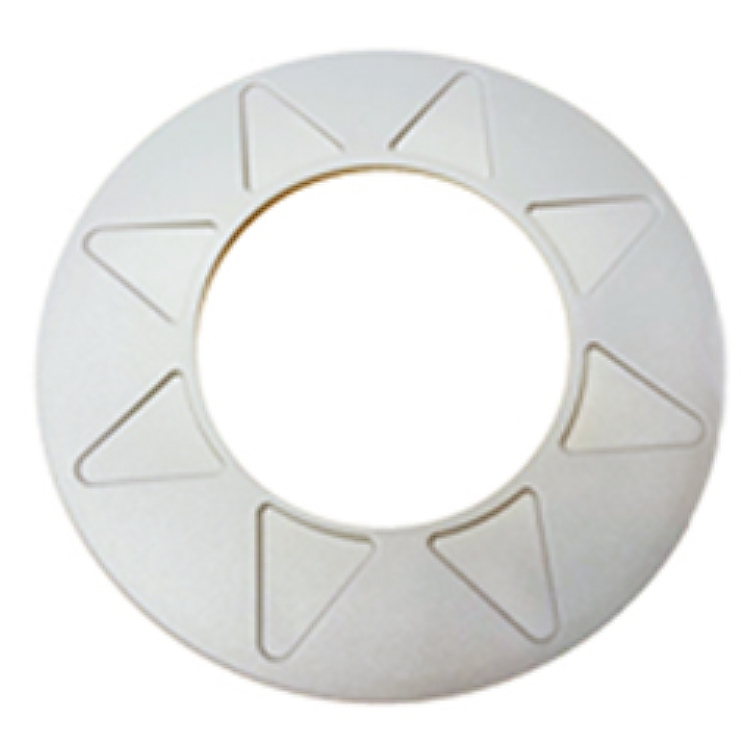
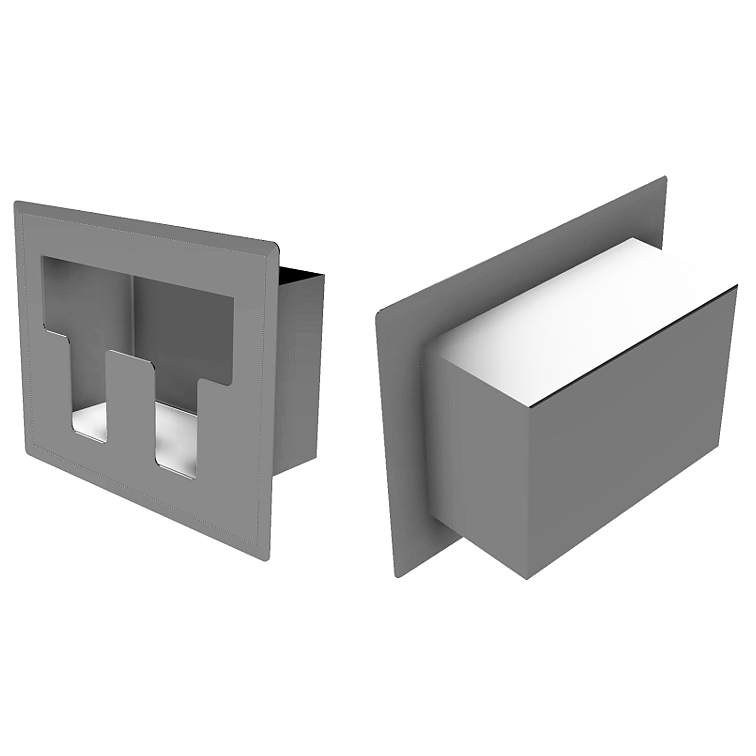
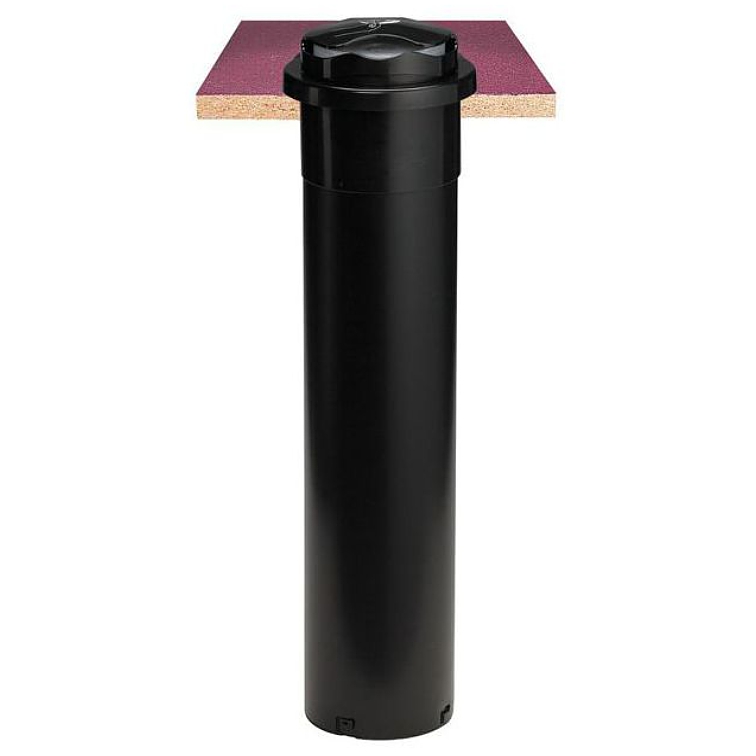
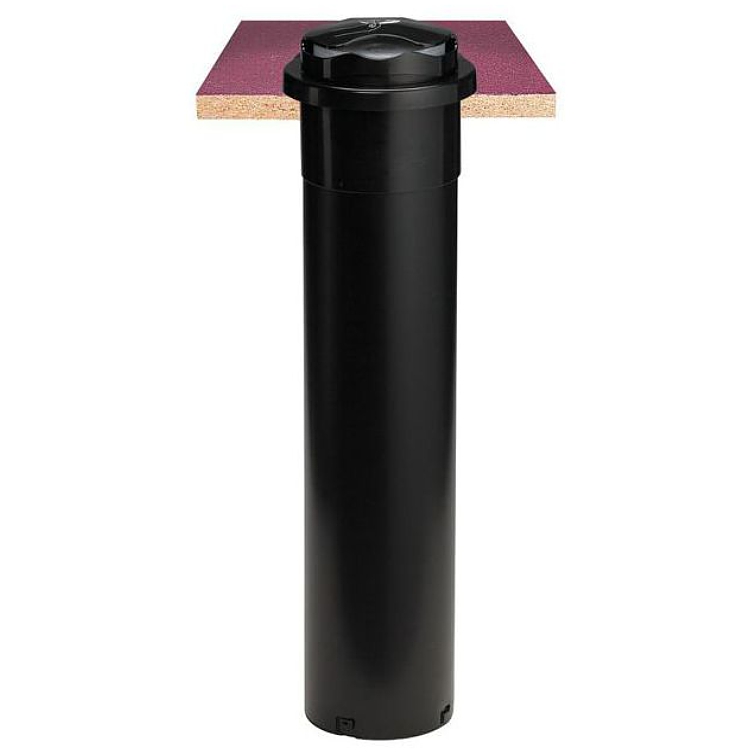
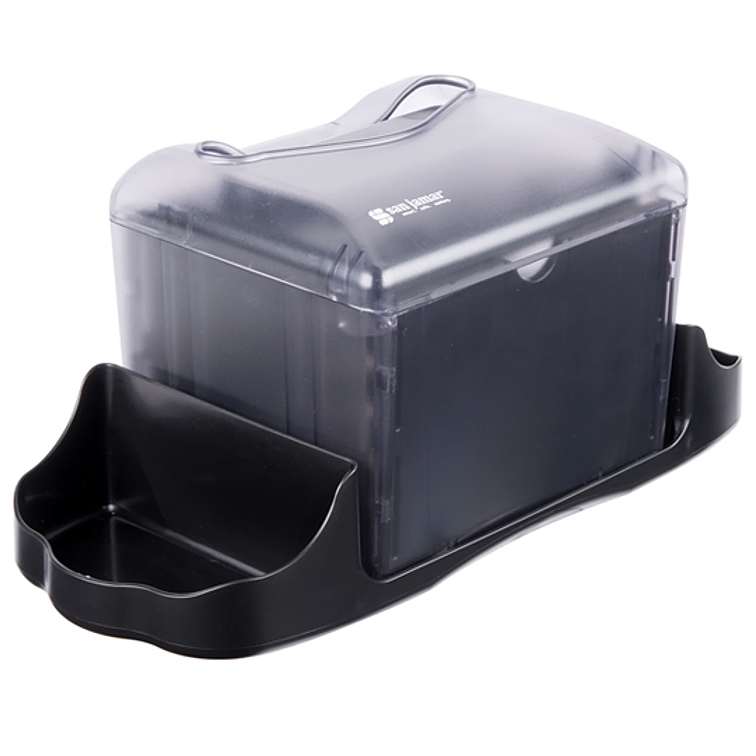
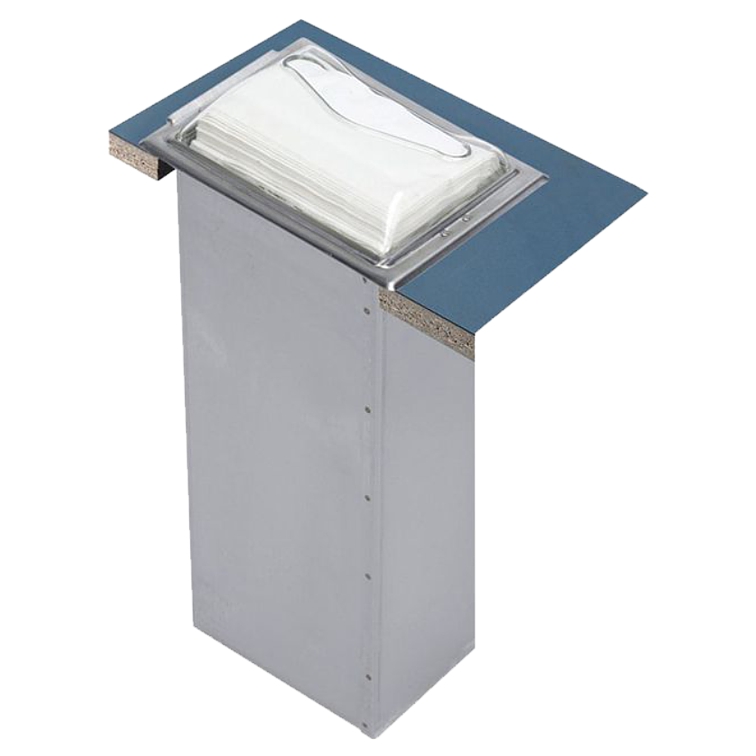
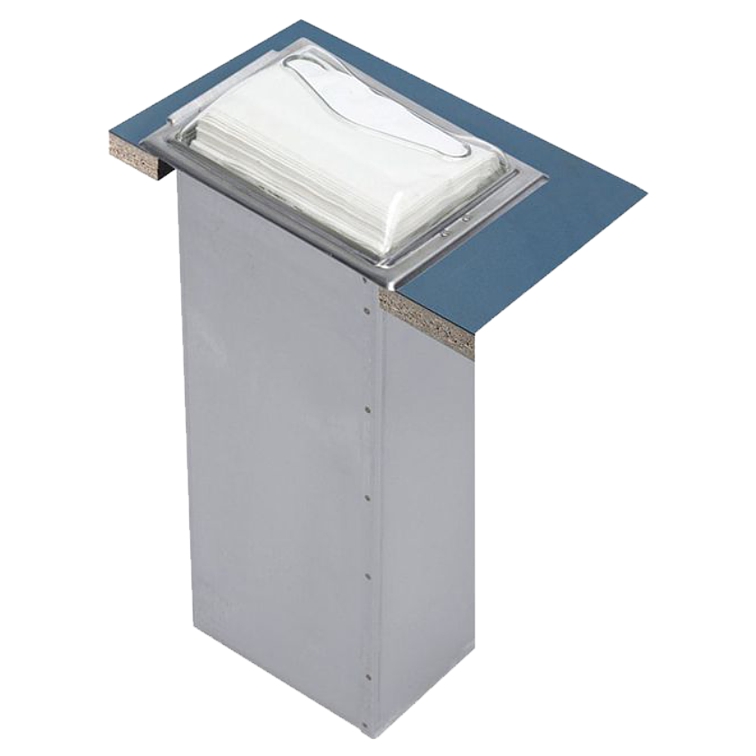
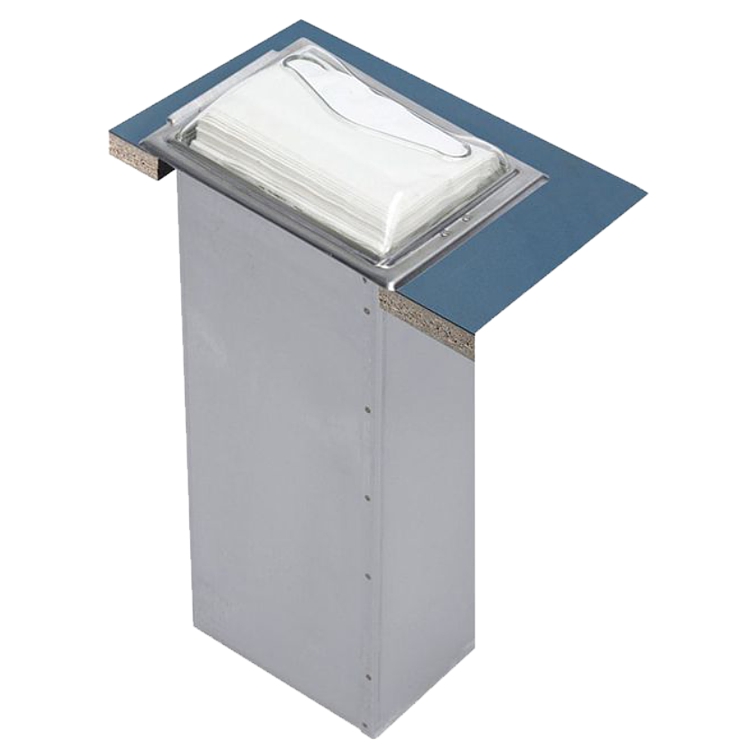
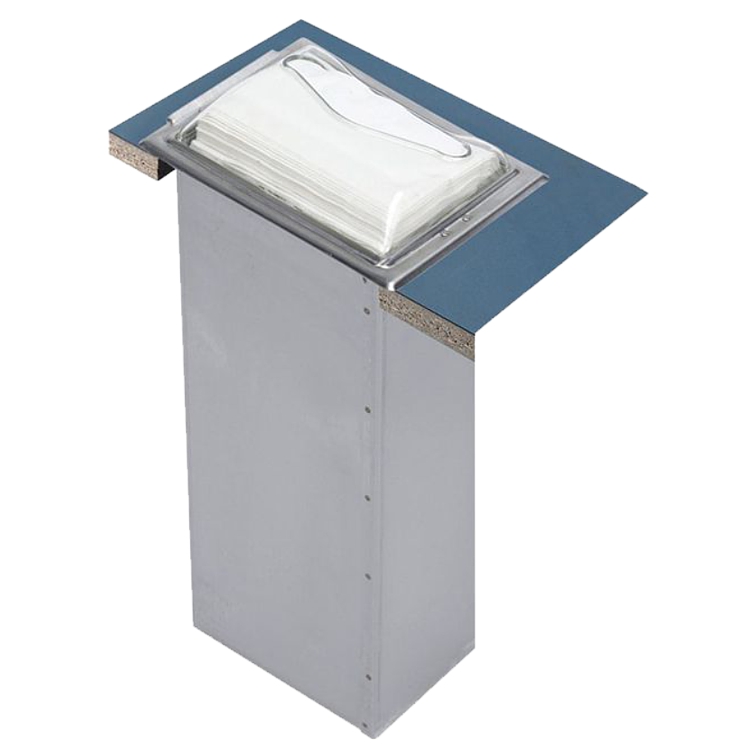
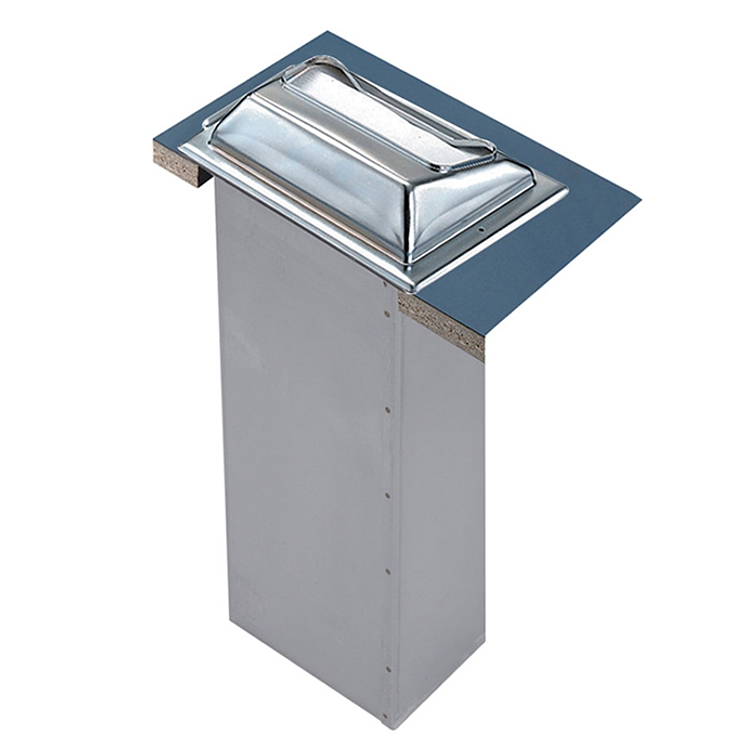
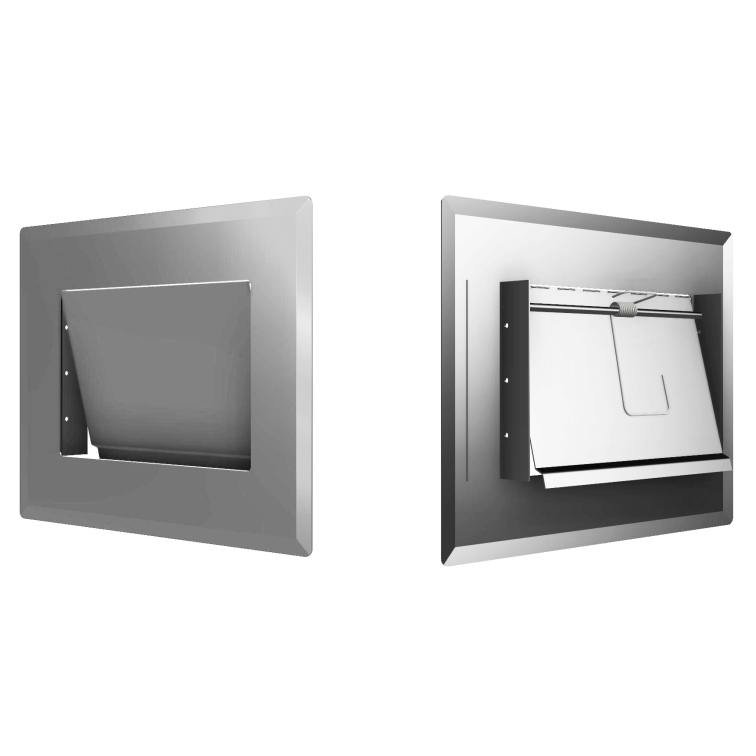
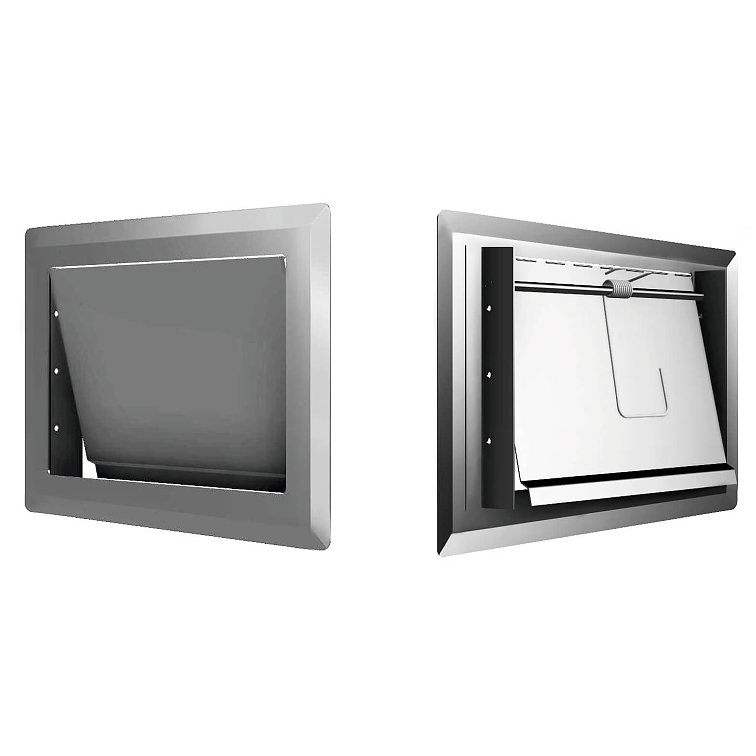
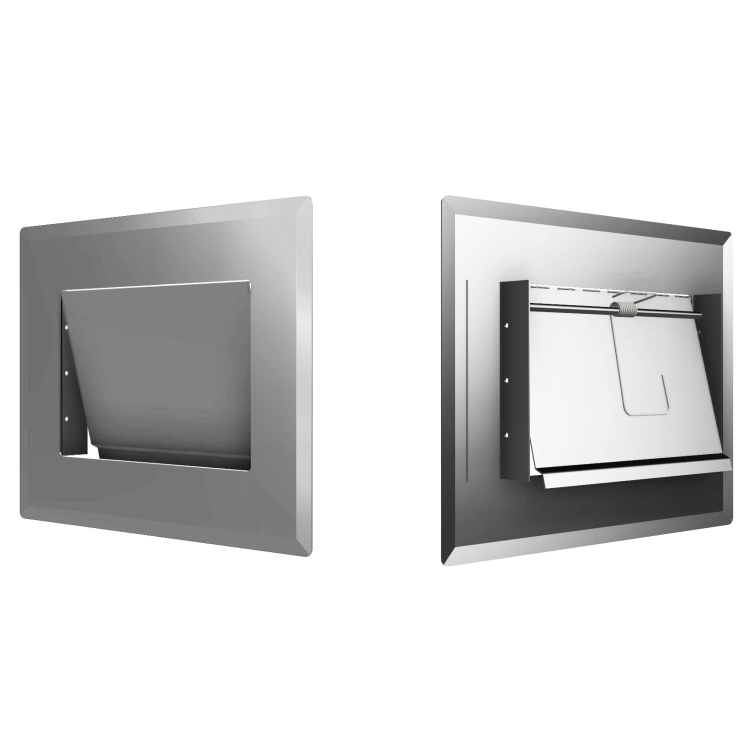
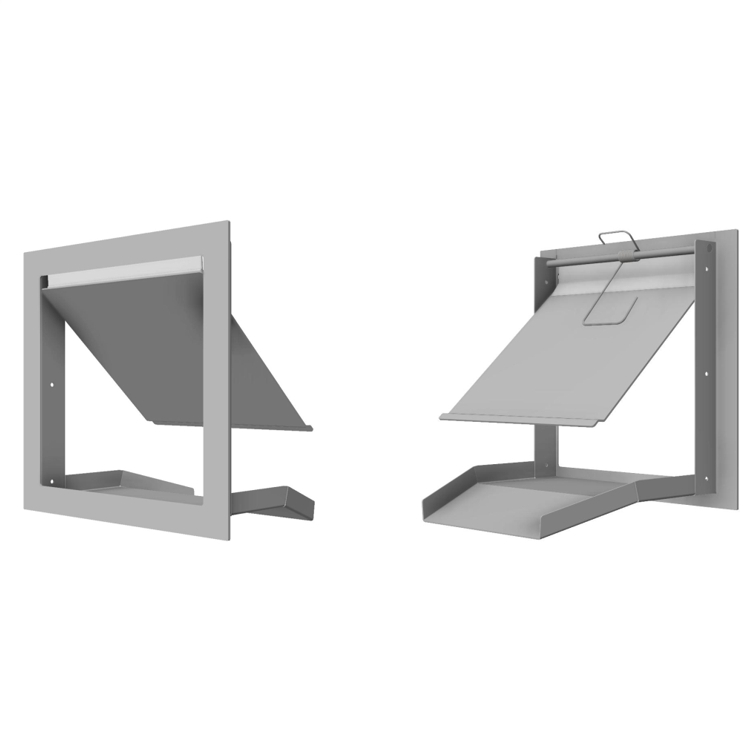
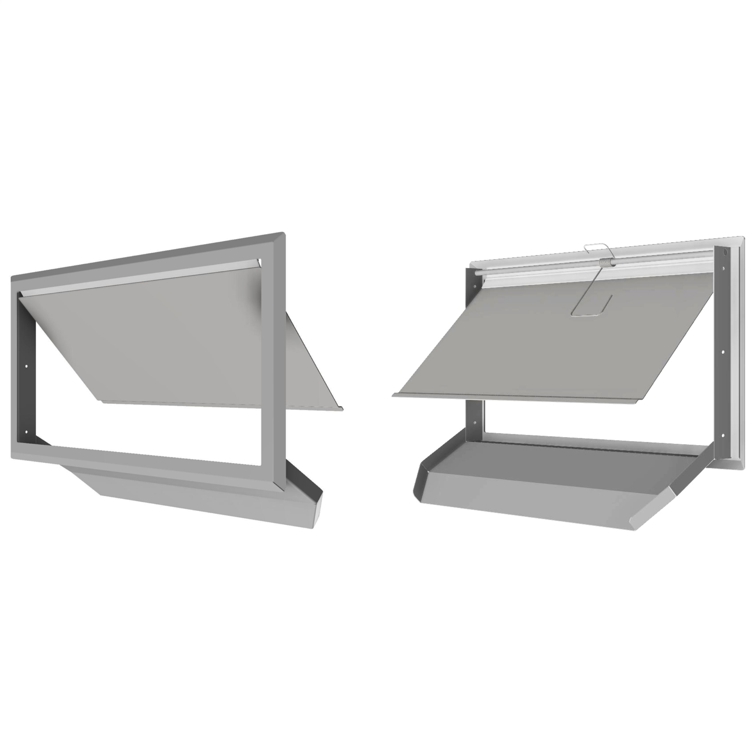
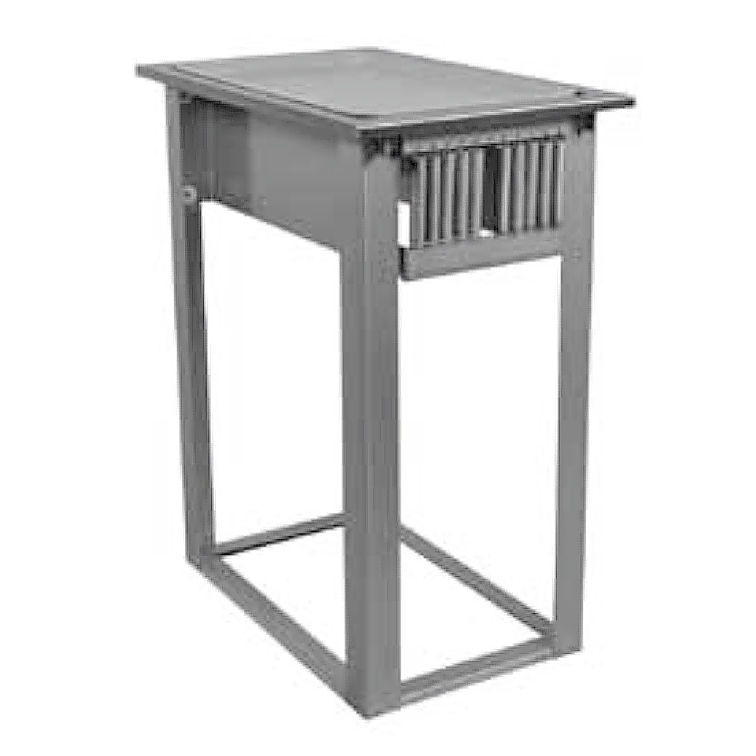
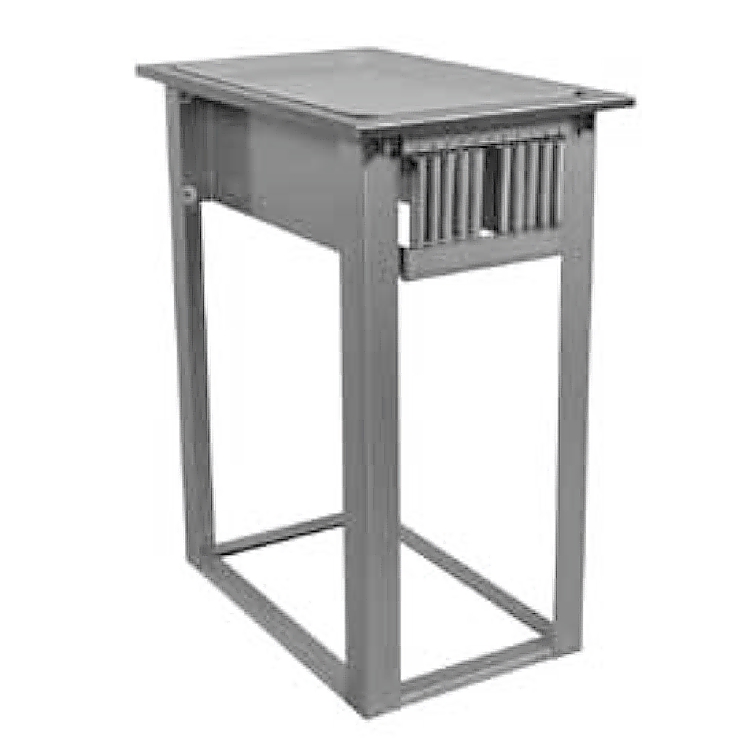
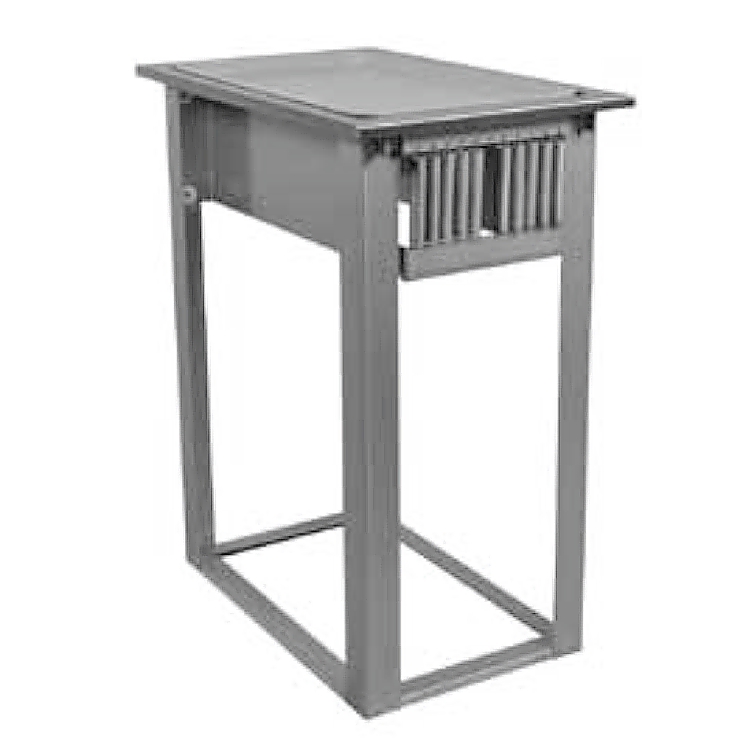
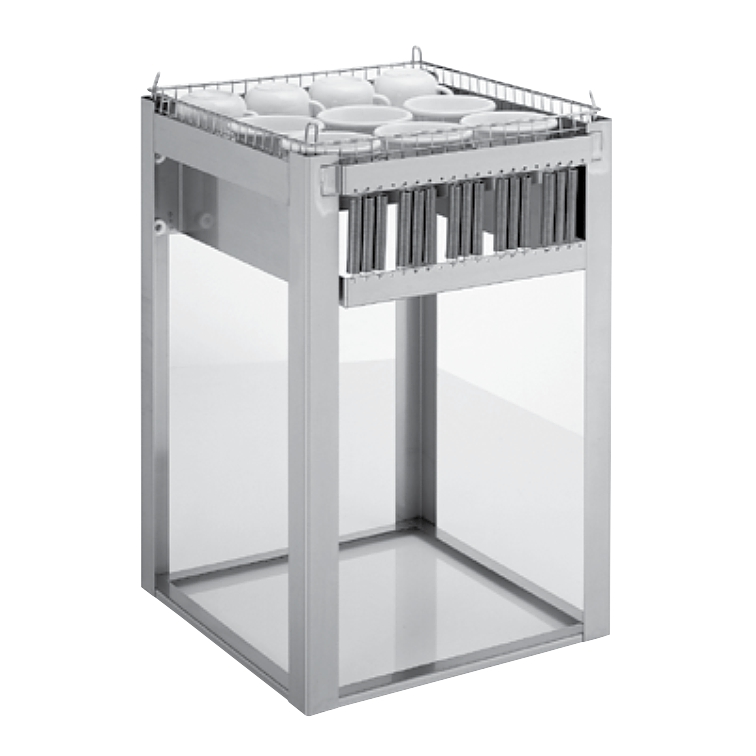
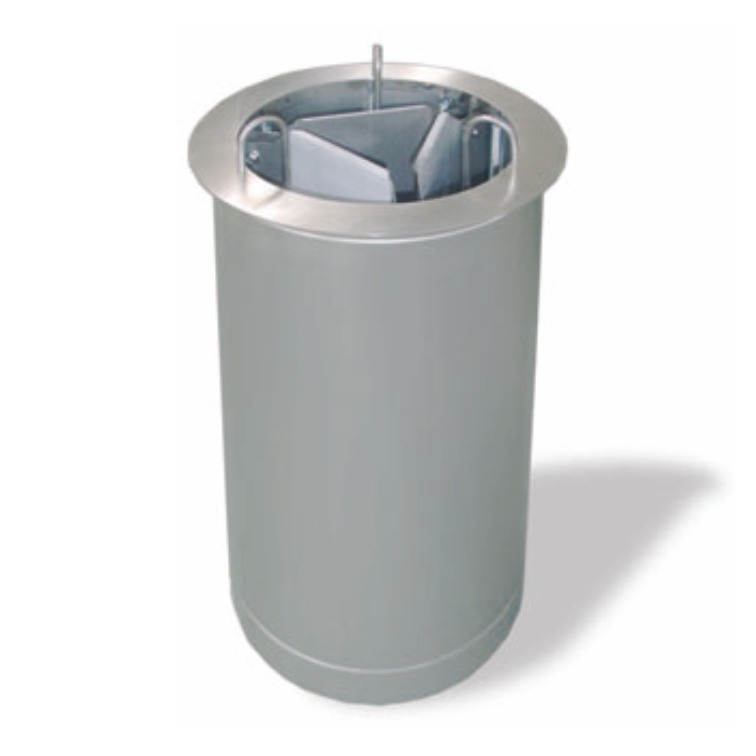
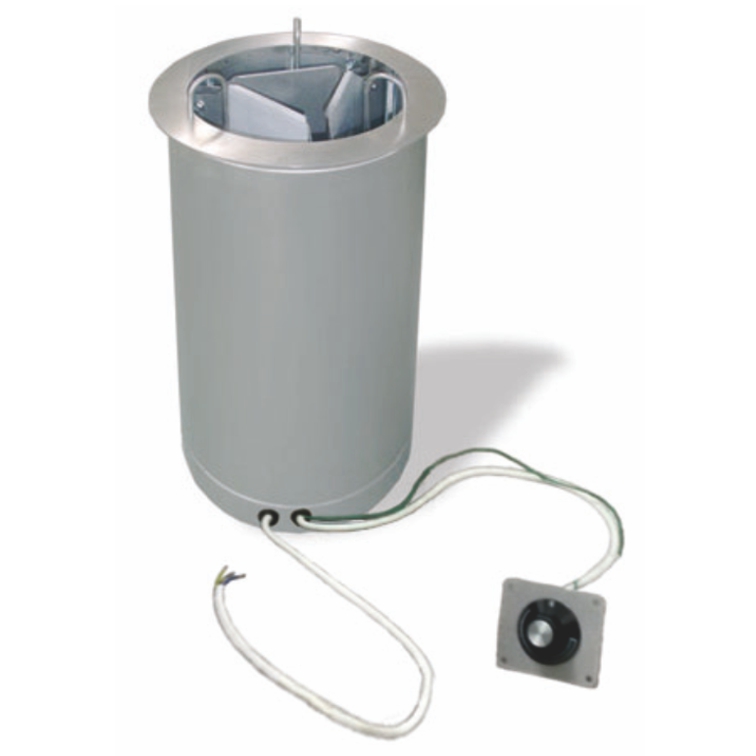
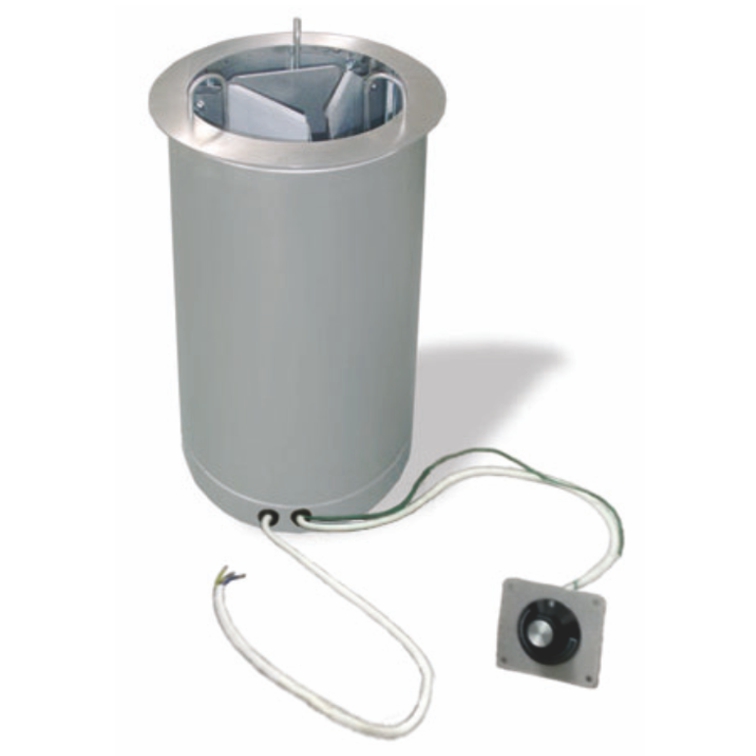
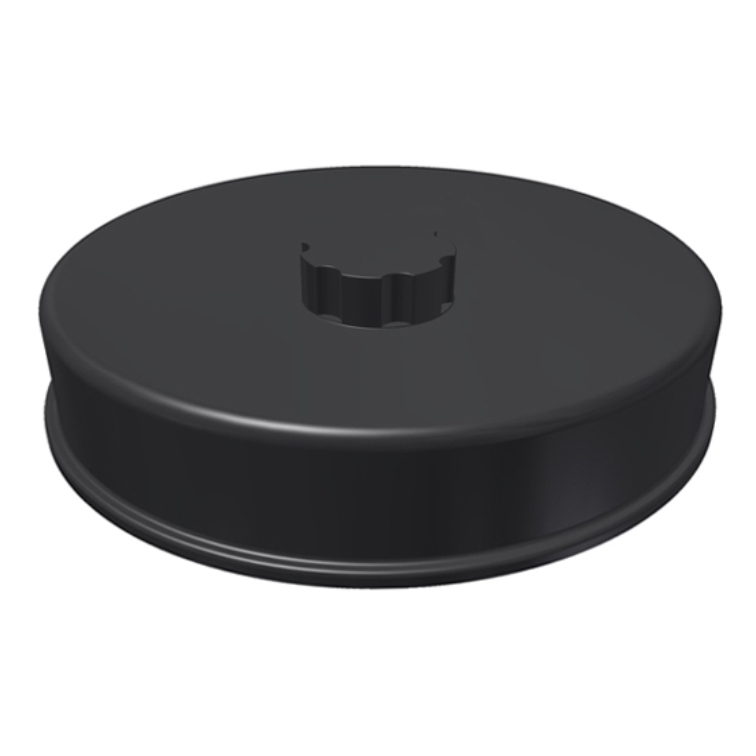
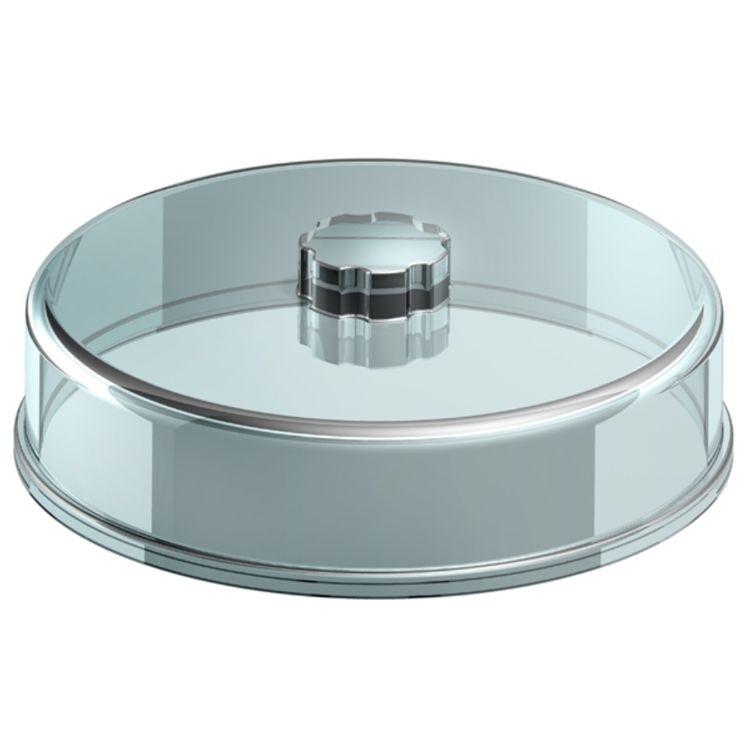 Dispenser unit Plate dispenser cover Ø325 mm (clear) DZ-P1-1826T diameter Ø325 mm colour transparent
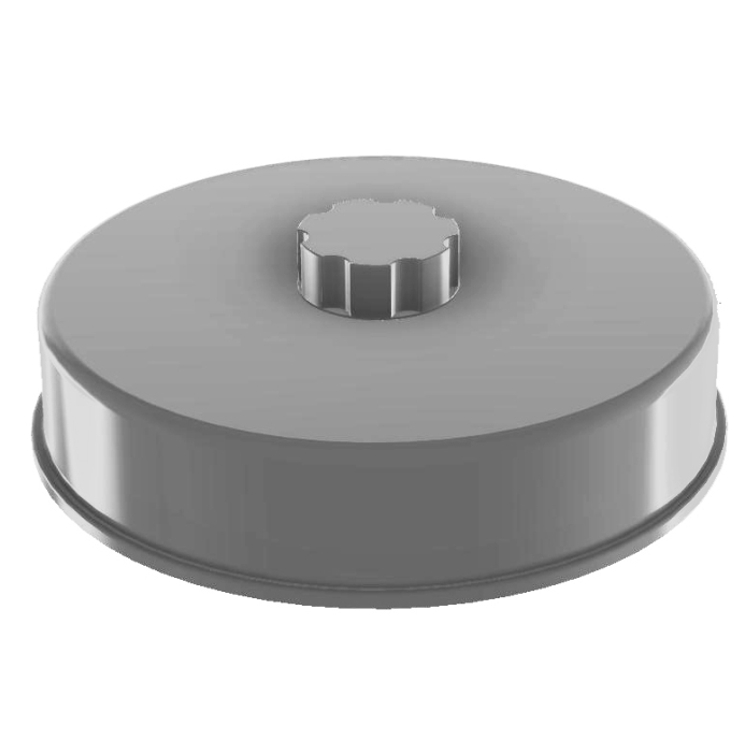
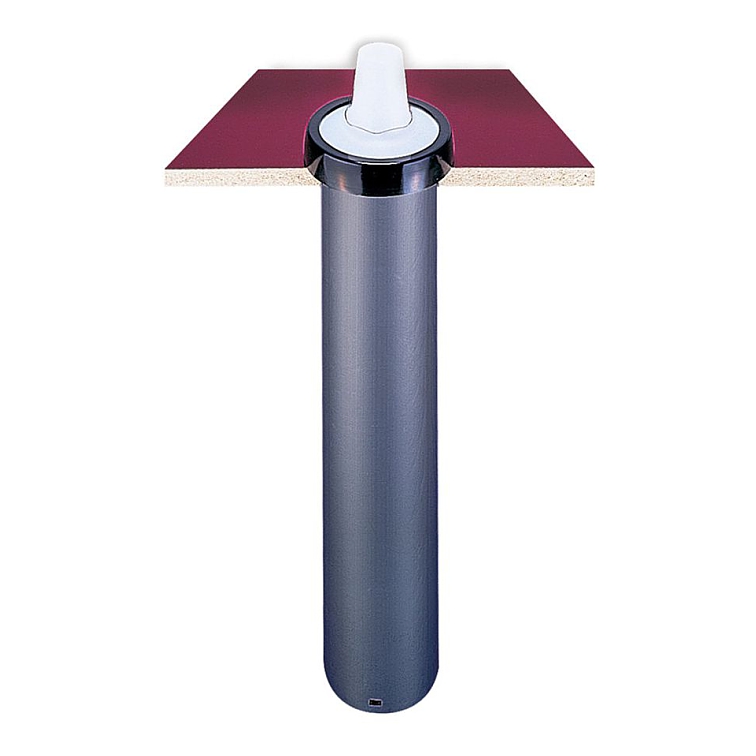
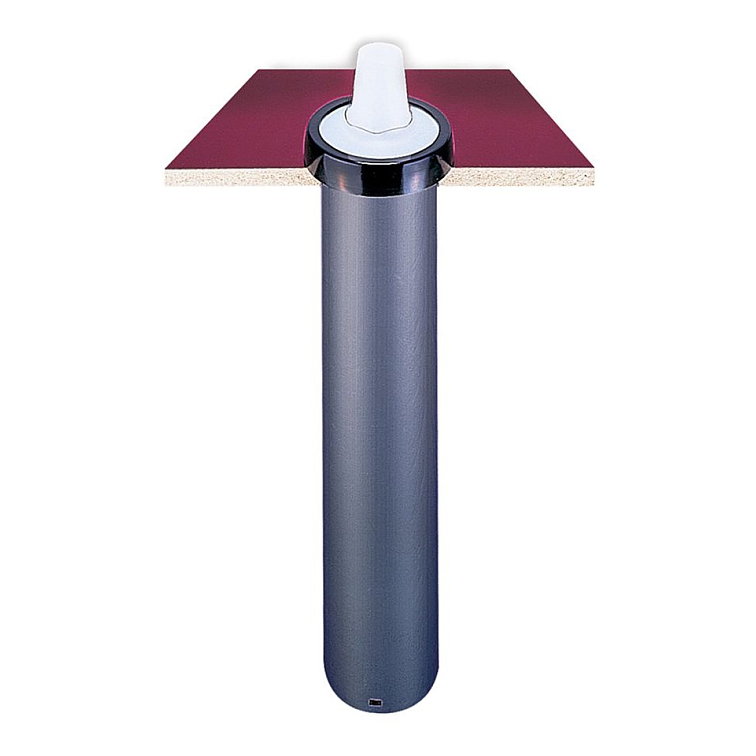
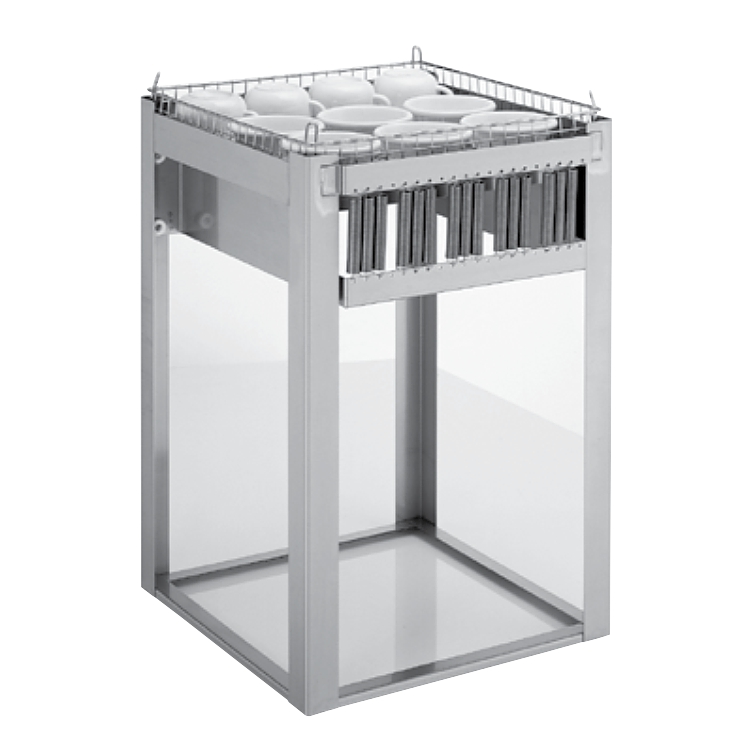
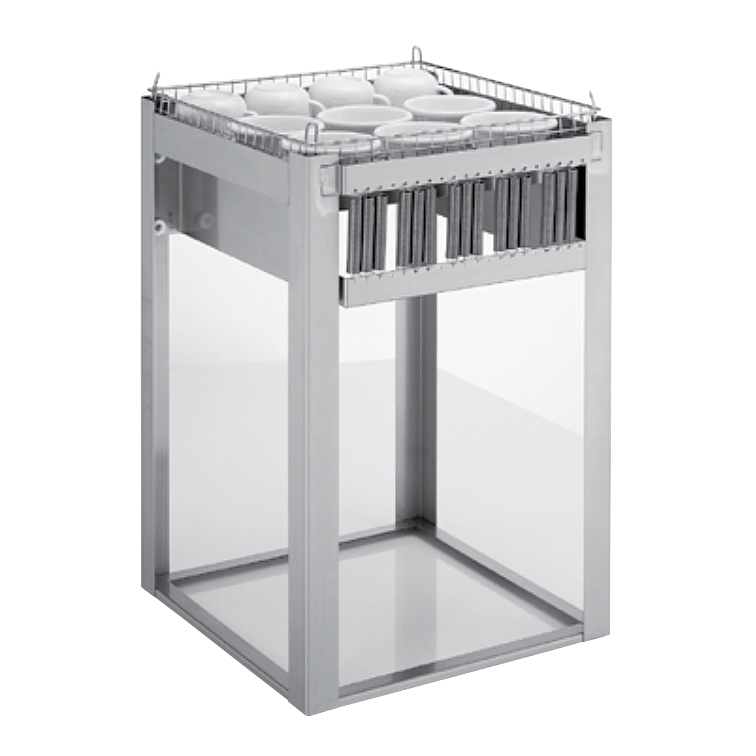
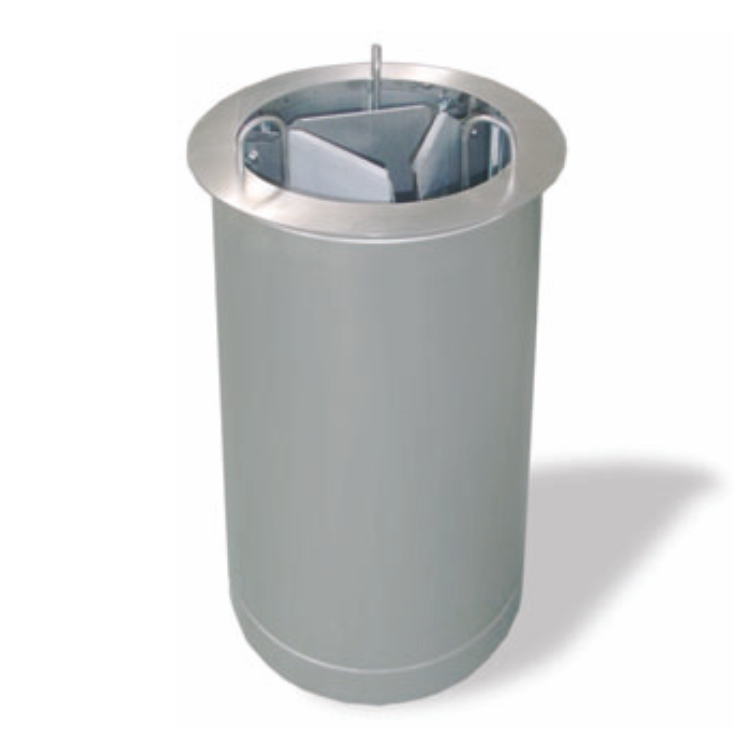
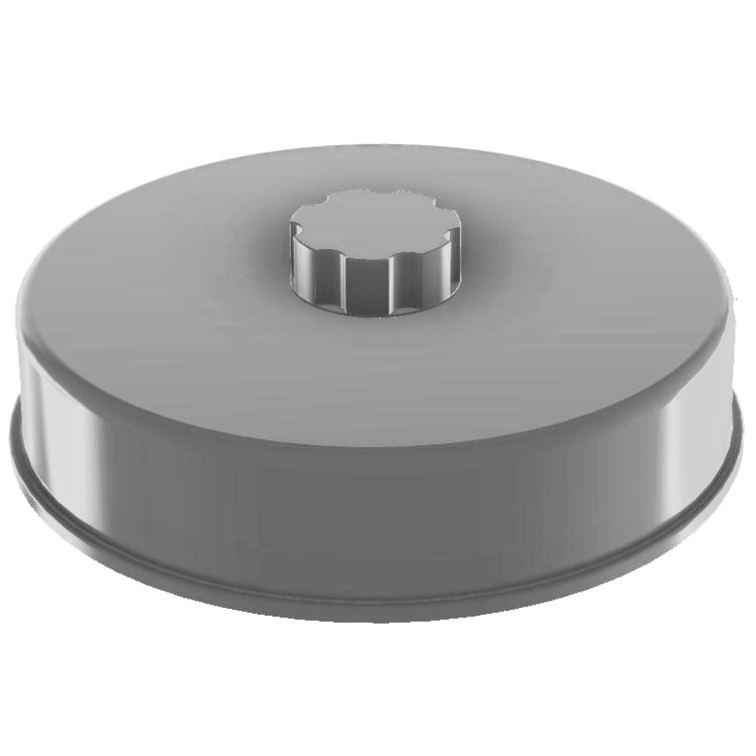
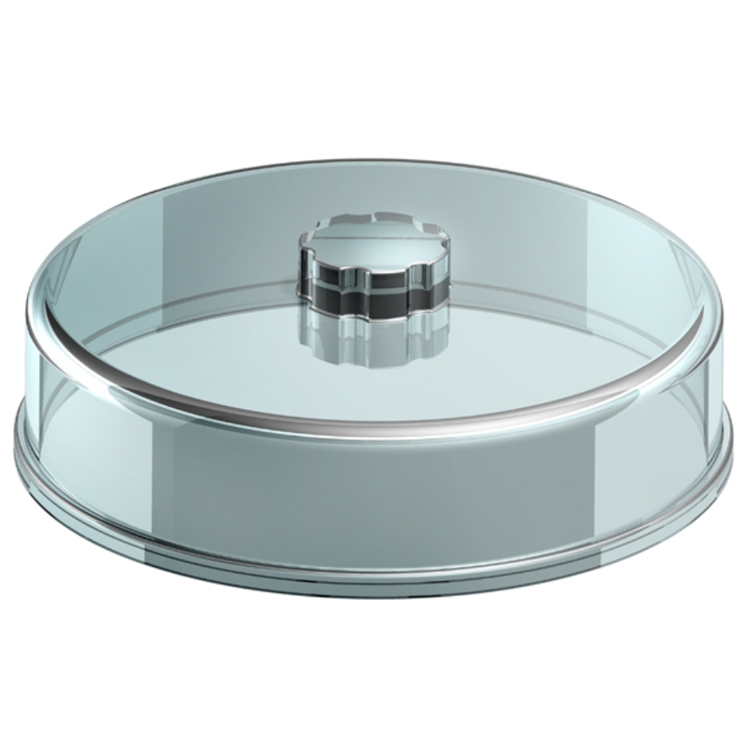 Dispenser unit Plate dispenser cover Ø400 mm (clear) DZ-P1-2432T diameter Ø400 mm colour transparent
No product matches the selected filters.
How to choose
The dispenser is chosen for the vessel, not for the space on the worktop
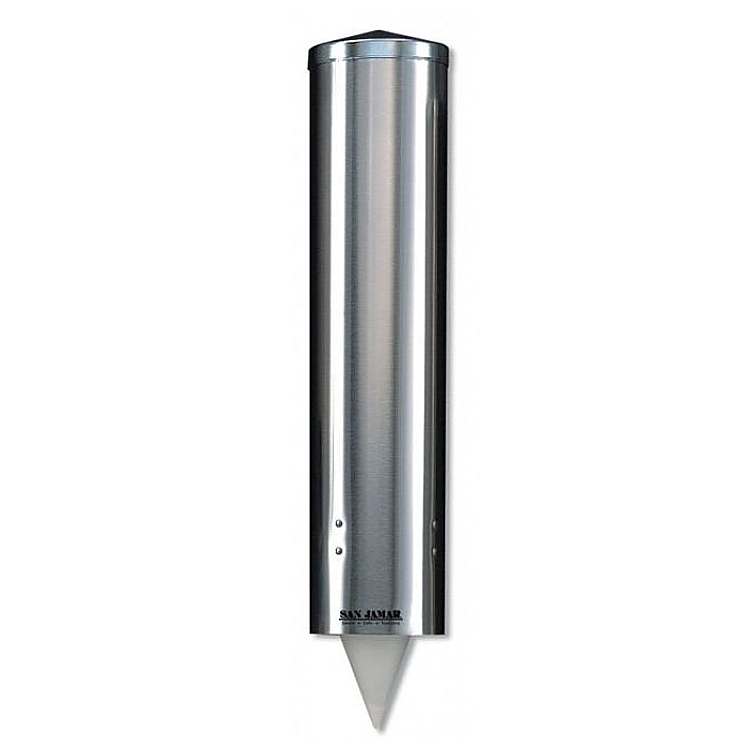
The first parameter is the vessel diameter. Cup dispensers have a stated range – Ø73–98 mm, for example – and outside it the cup will either jam or drop several at a time. The range refers to the rim of the cup, not to the base, so measure at the widest point.
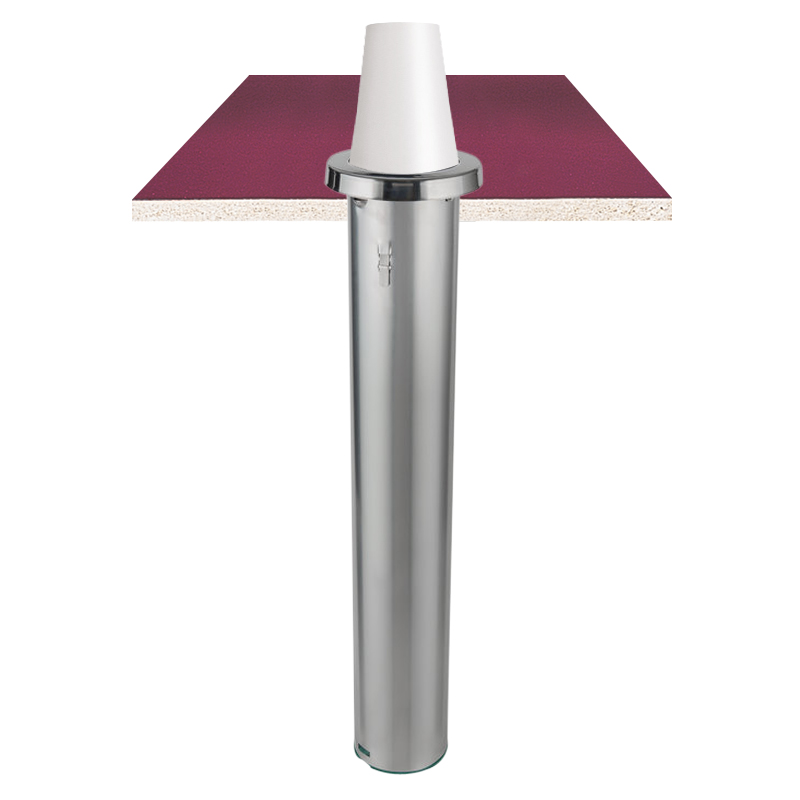
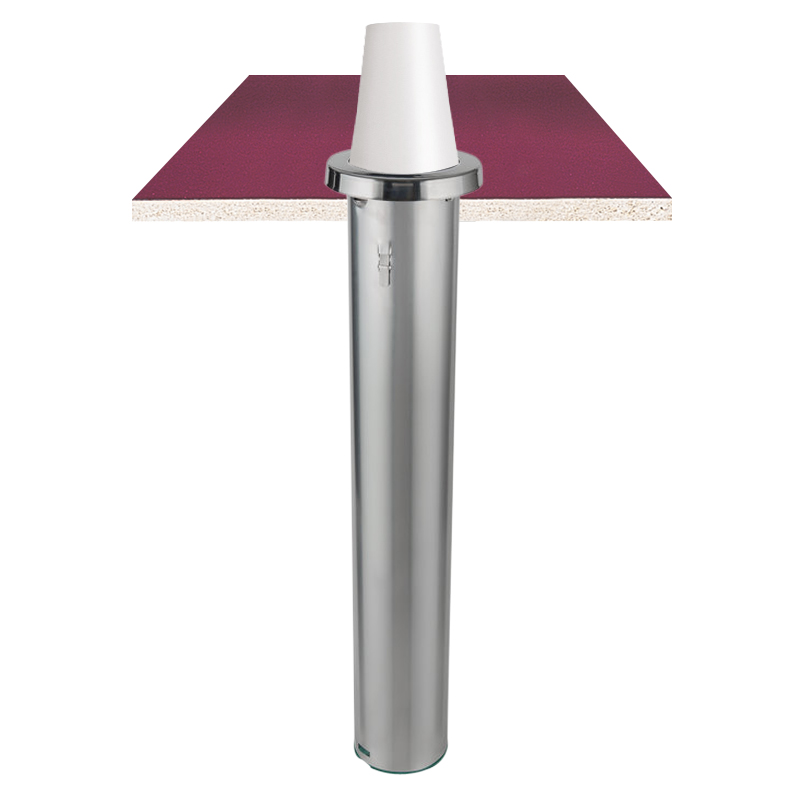
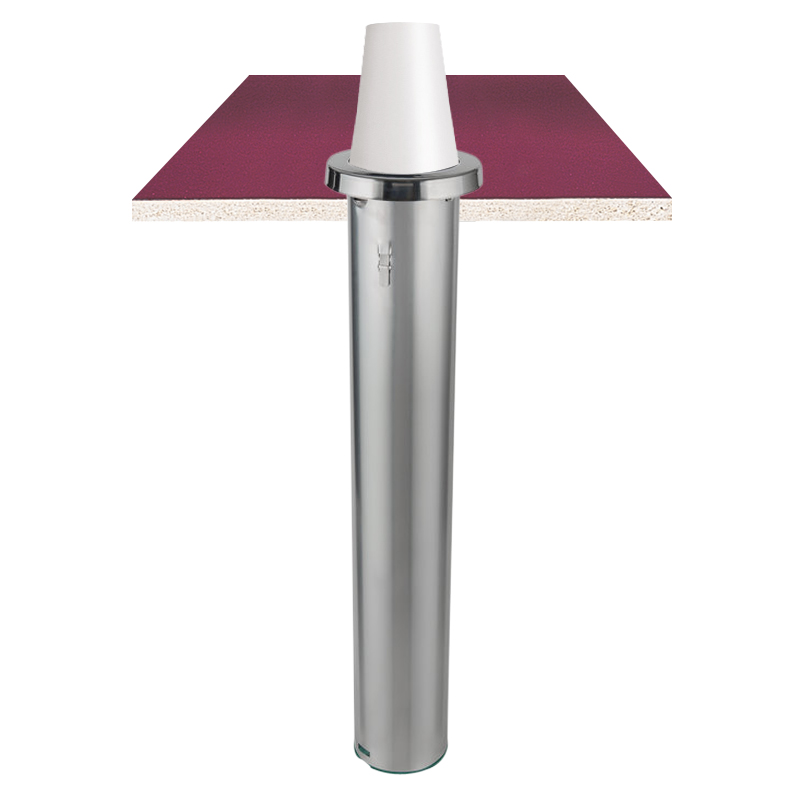
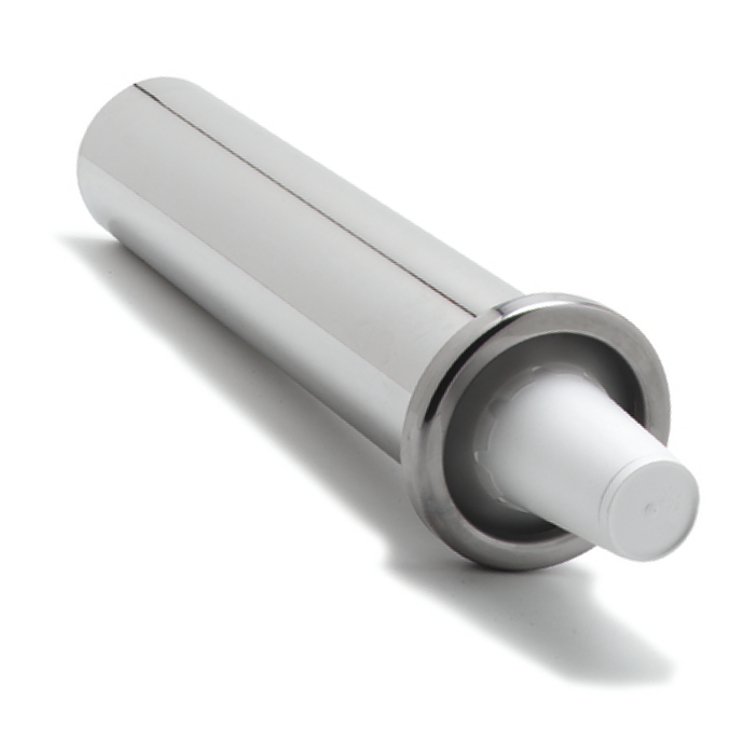
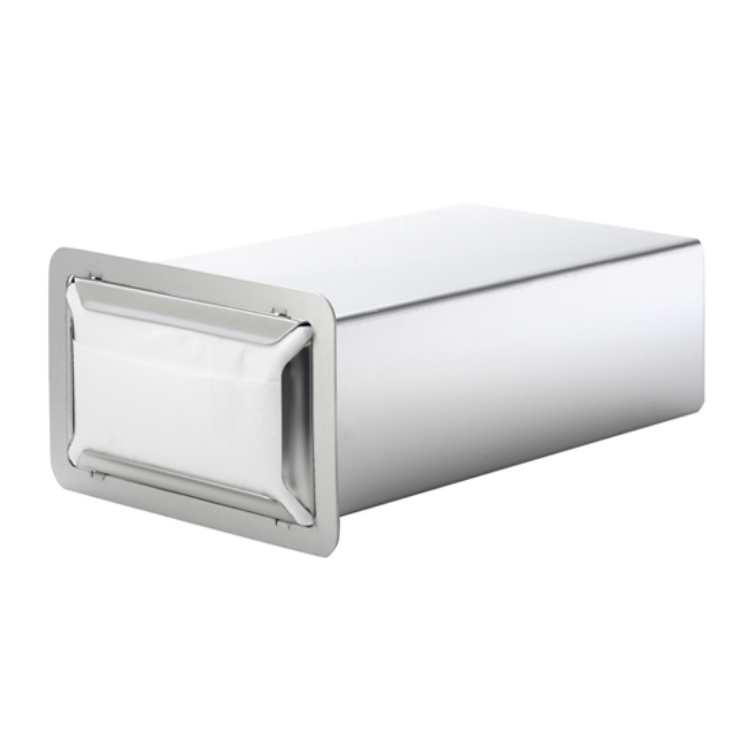
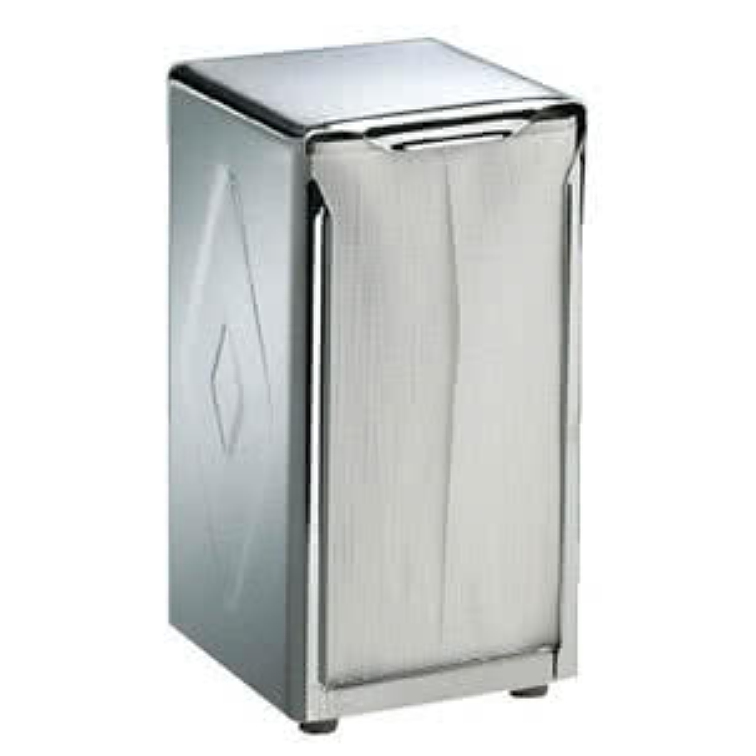
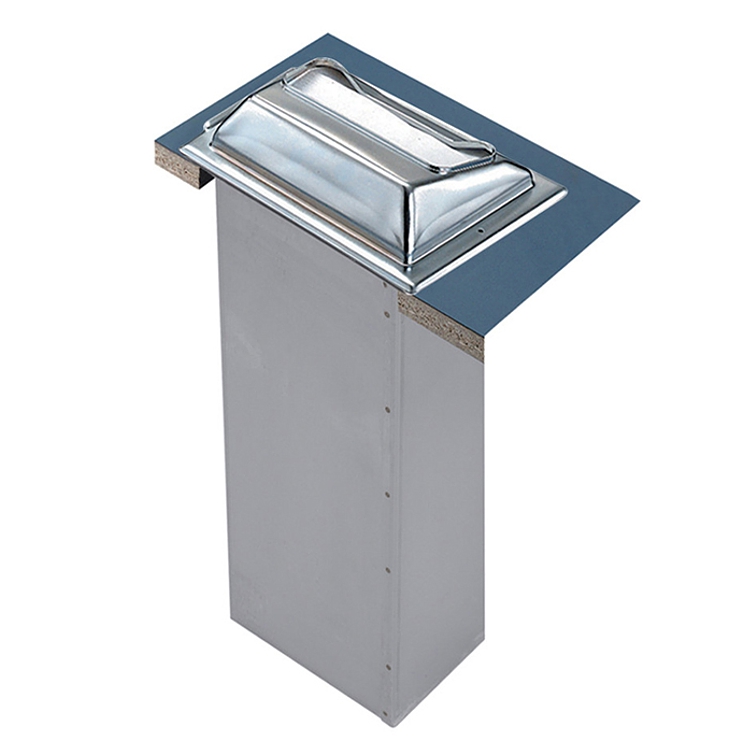
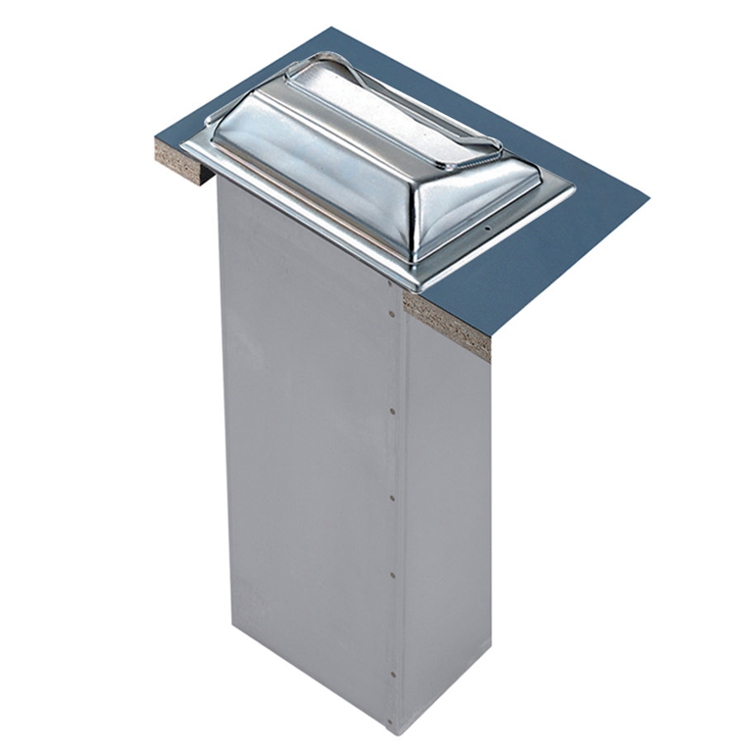
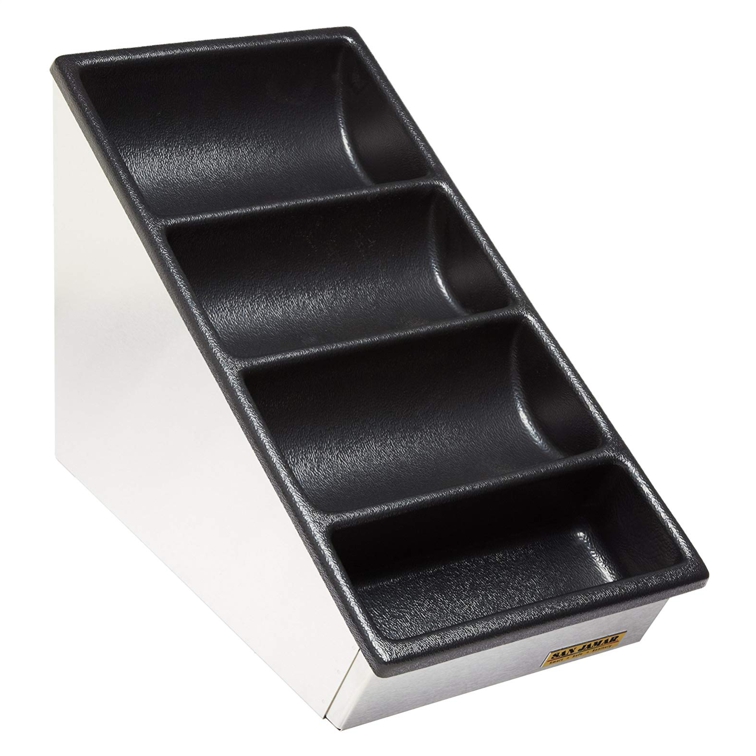
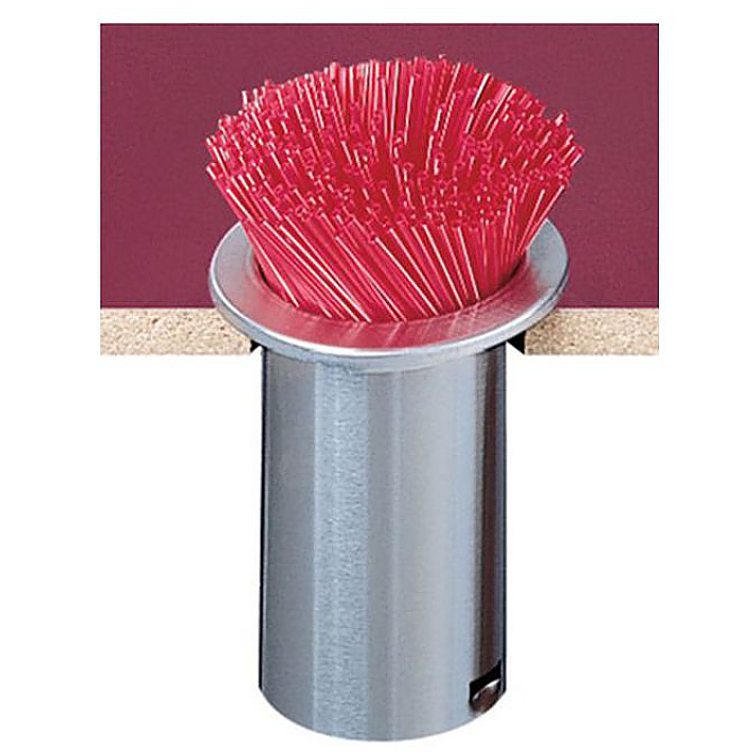
The second question is how it is set in place. The built-in version is let into the worktop and requires a cut-out of the stated size – for items with a rectangular section we give it as height and width. The free-standing version stands on the worktop and can be moved, but it takes up working space.
The third matter is capacity and the pace of refilling. For napkin dispensers we give the number of pieces, for plate dispensers the number of items, for containers the litres. This translates directly into how often staff have to come over and refill – and on a serving line at peak hours that matters more than the price of the unit.
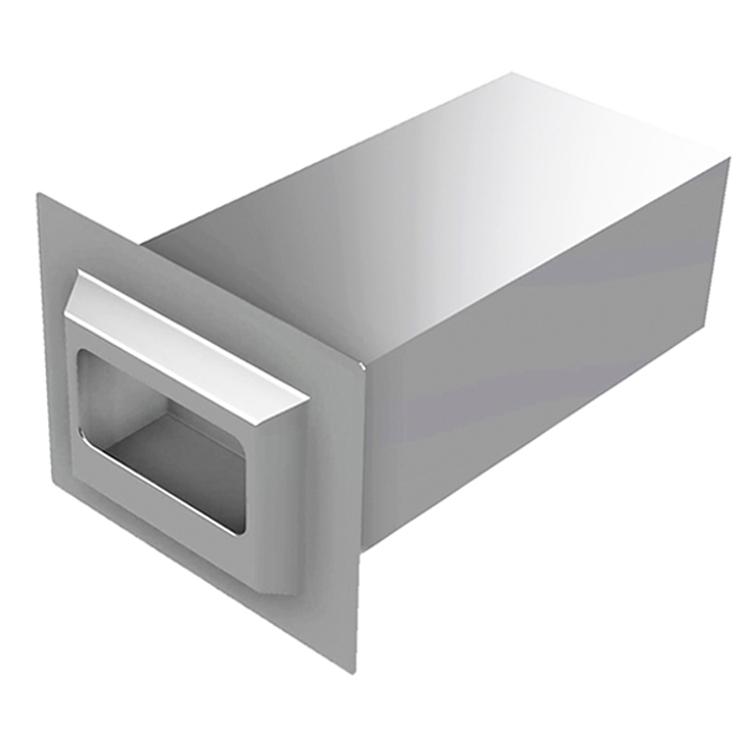
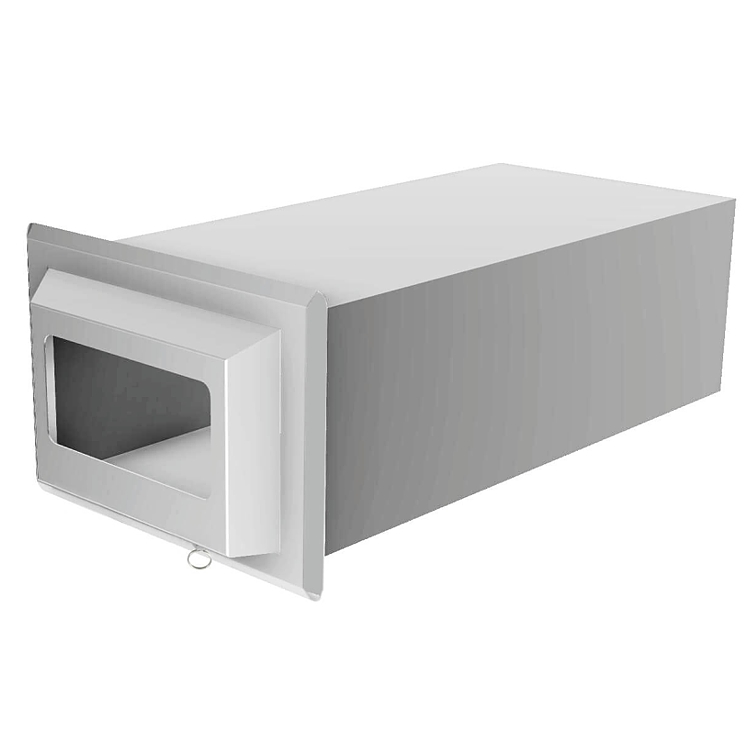
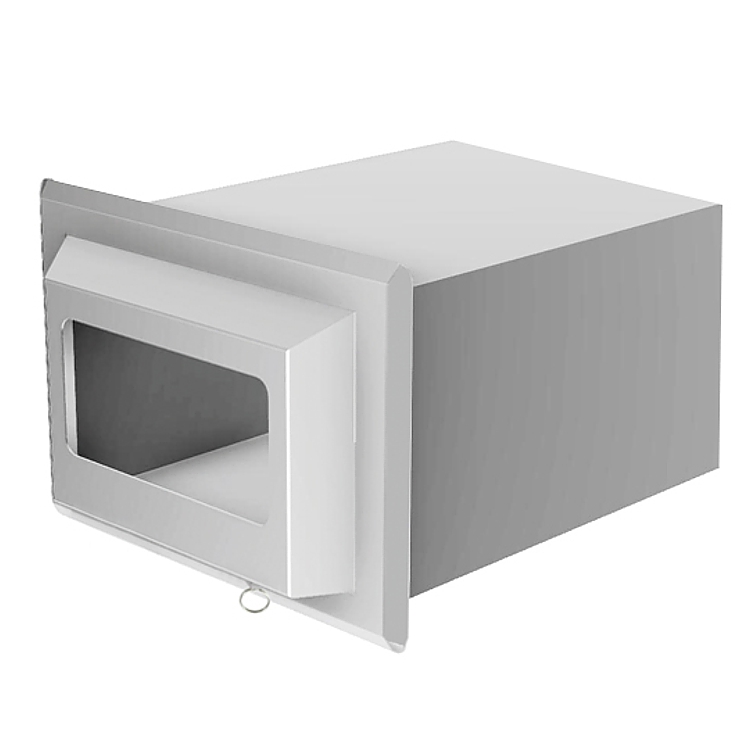
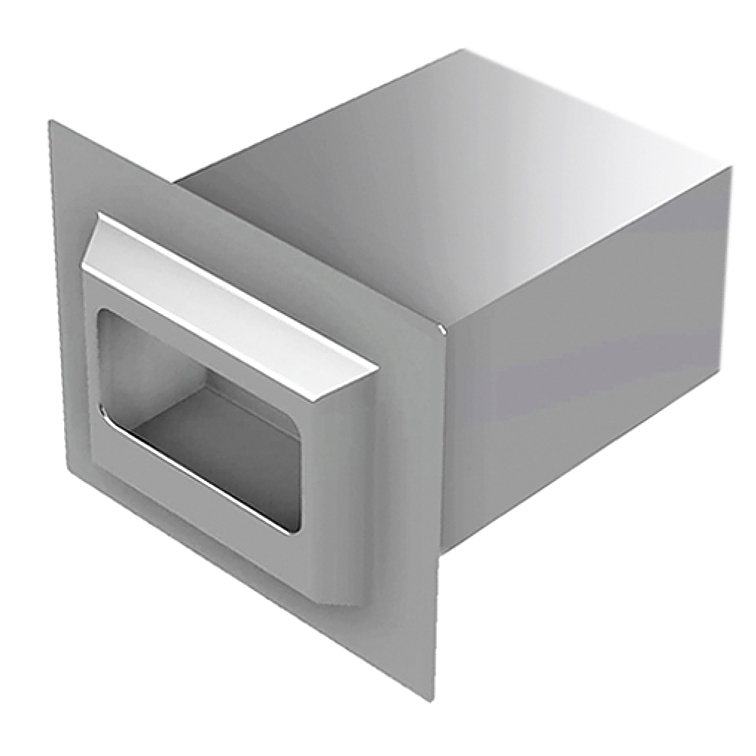
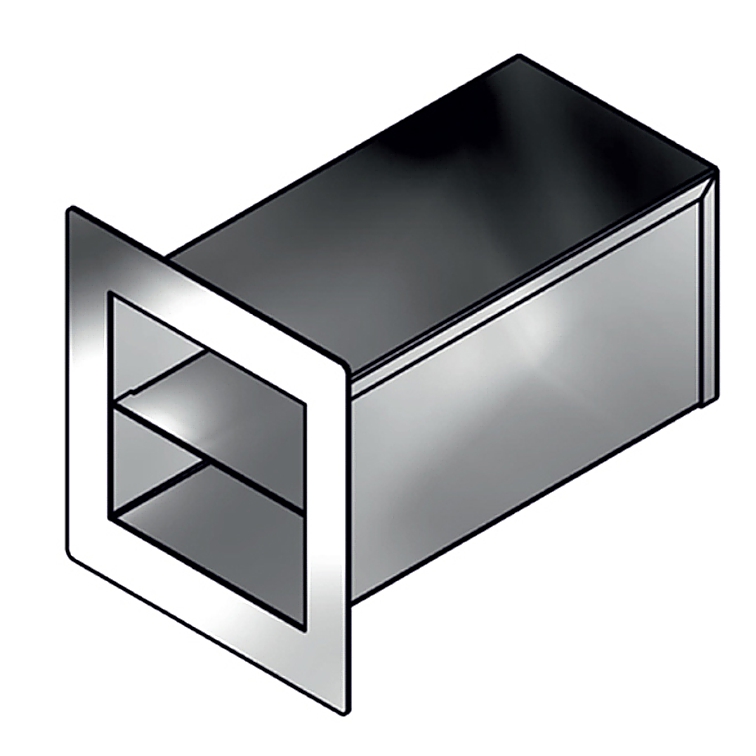
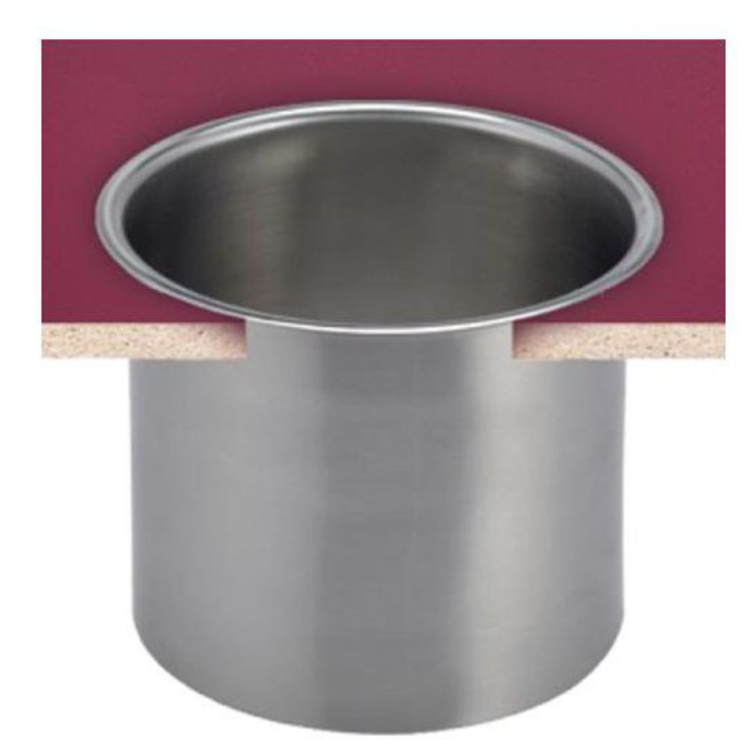
Waste chutes are a separate group: an opening in the worktop with a housing that directs the waste into the bin underneath. They are chosen for the worktop thickness and the size of the cut-out, not for the vessels.
- Measure the cup diameter at the widest point of the rim
- The built-in version requires a cut-out of the stated size
- Capacity translates into how often it is refilled
- A waste chute is chosen for the worktop, not for the vessels
- Non-standard parts are made to order
Prices, availability and ordering
Prices and stock levels are in the B2B shop. Versions for non-standard vessels are quoted individually.