
Radiant heaters, heat lamps and mats for catering
A heating element on a serving station holds the temperature of a finished dish, which is a different job from heating it up: too strong and it dries the food out, too weak and it drops below the safe temperature. A radiant heater is chosen for the mounting height and the width of the display, a mat for the size of the worktop and the power required. We give the power and the supply voltage, and the controls are put together in the same group.
31 products
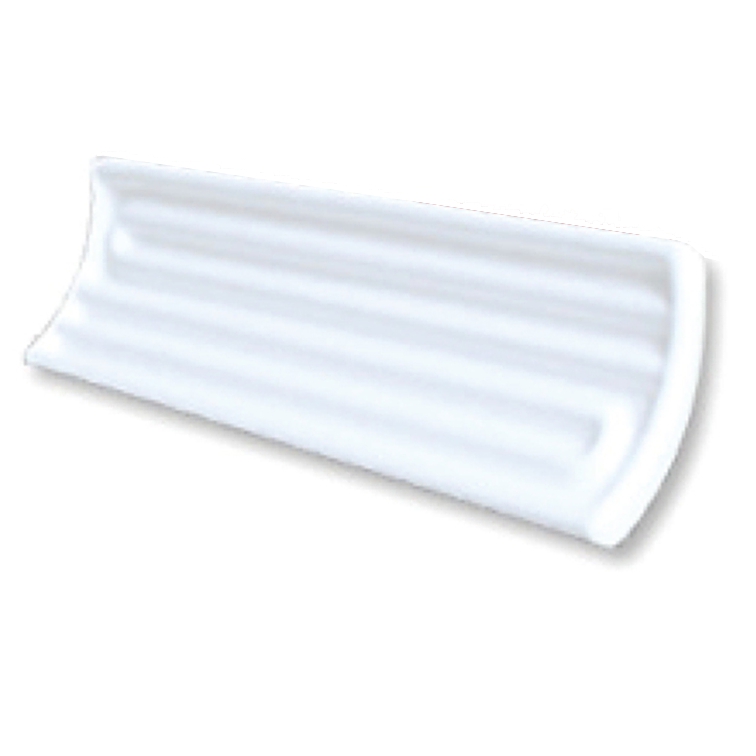
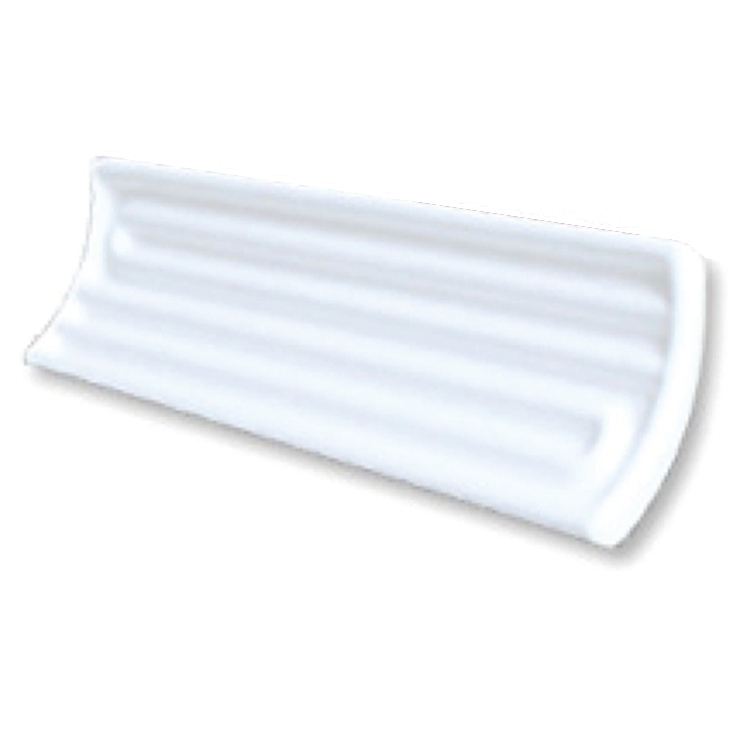
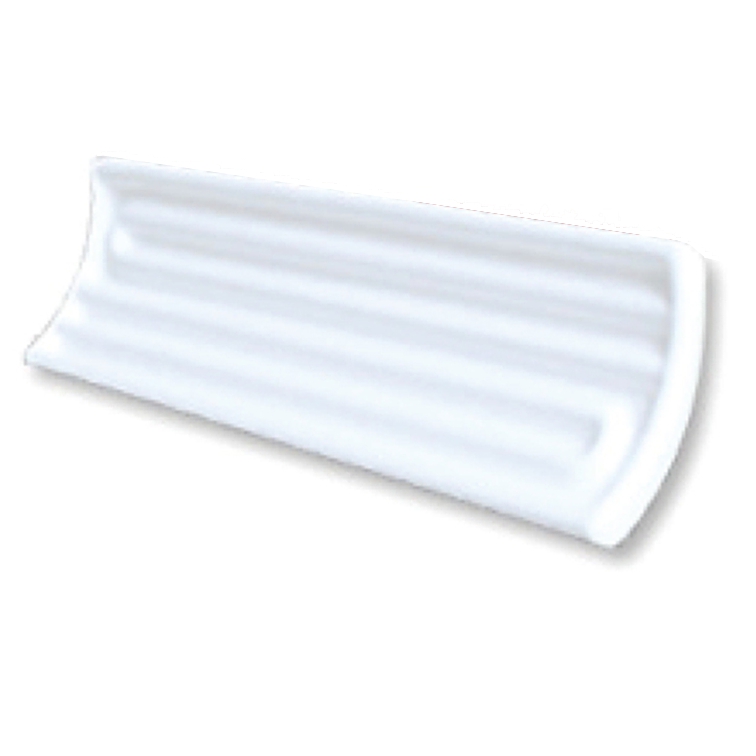
No product matches the selected filters.
How to choose
The power is chosen for the area, the type of emitter for the way food is served
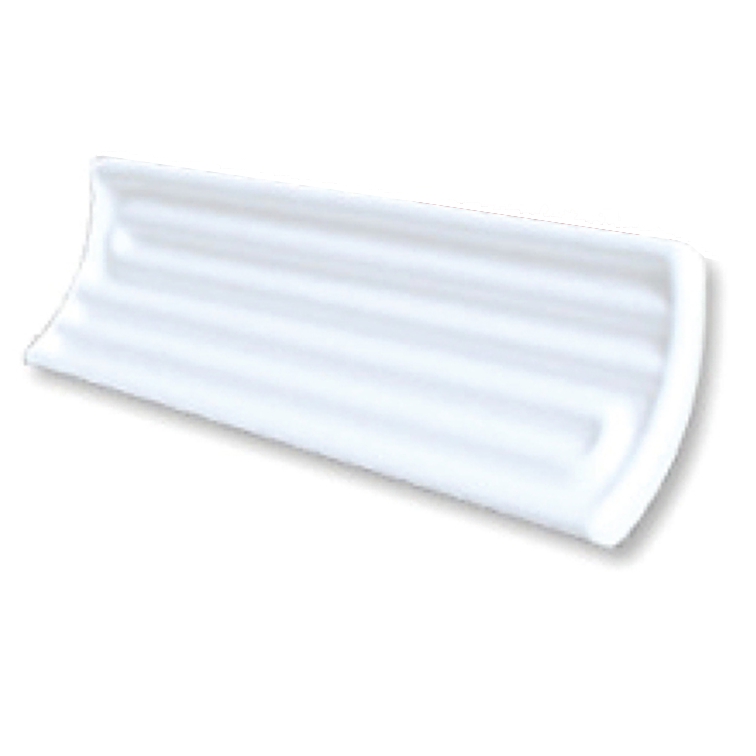
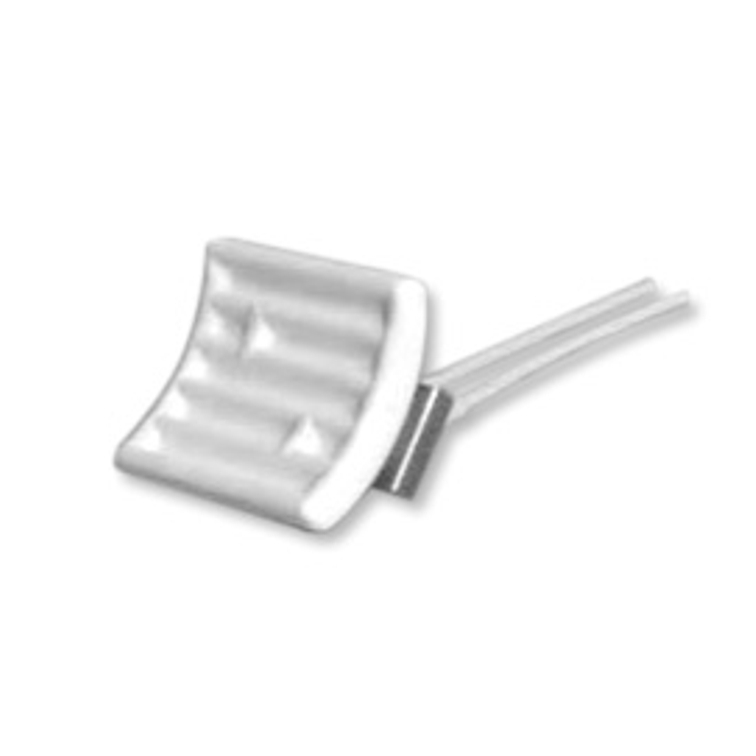
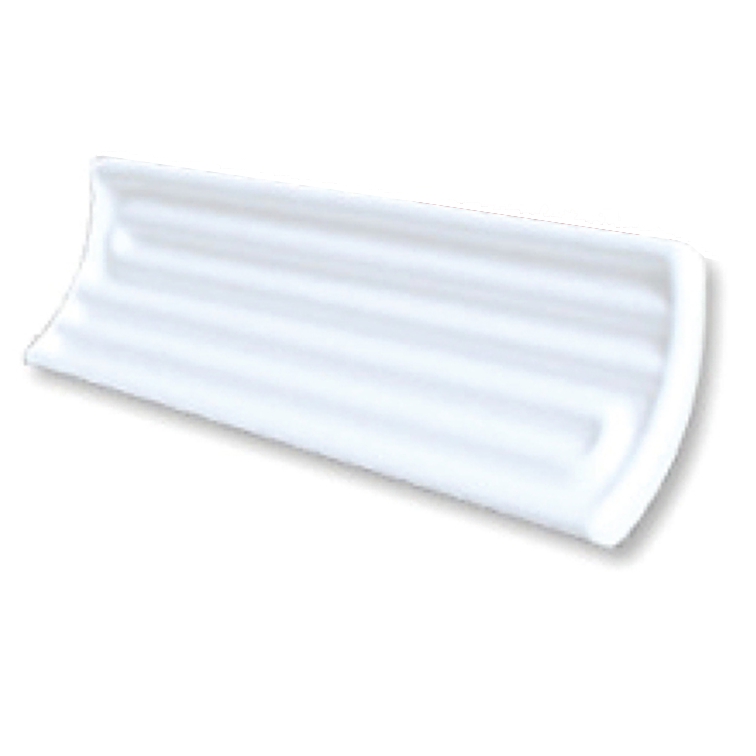
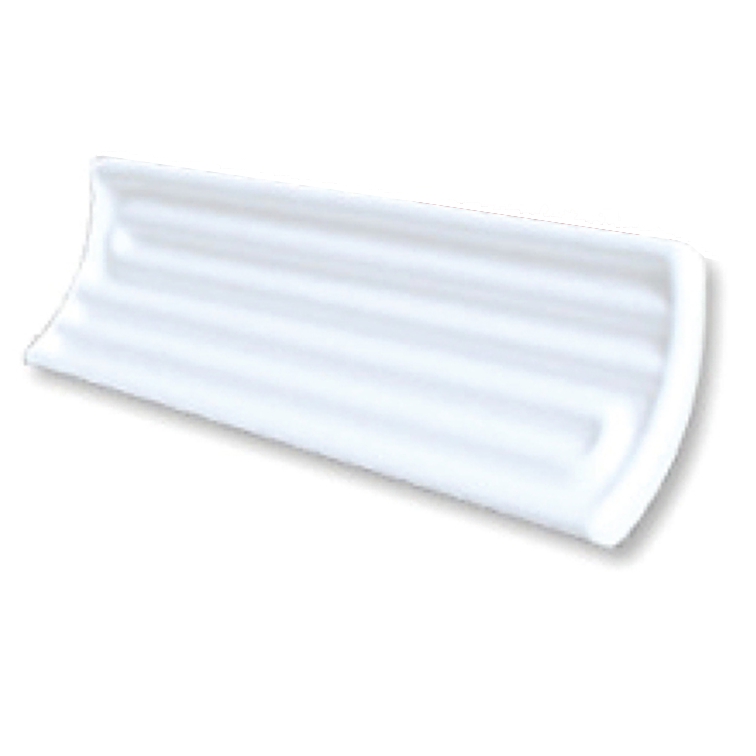
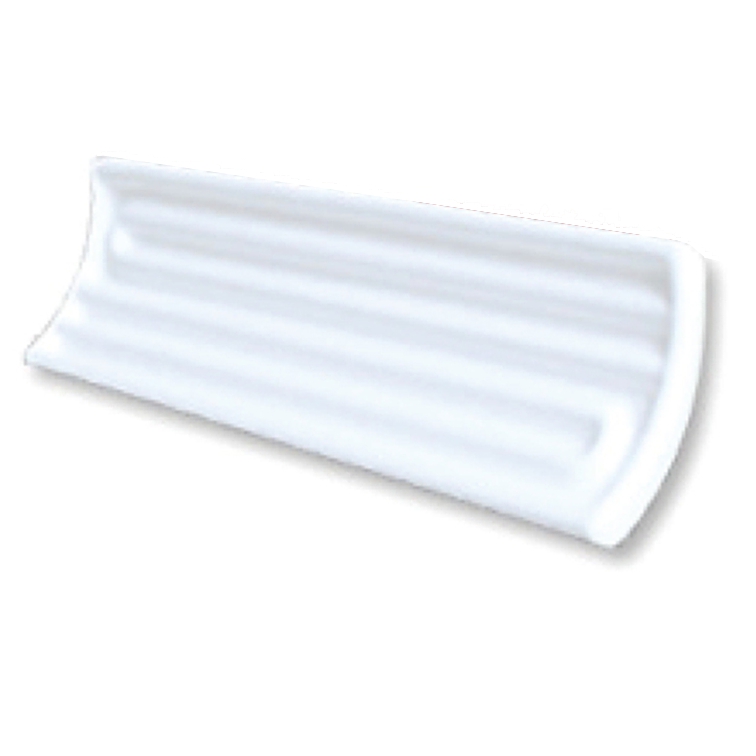
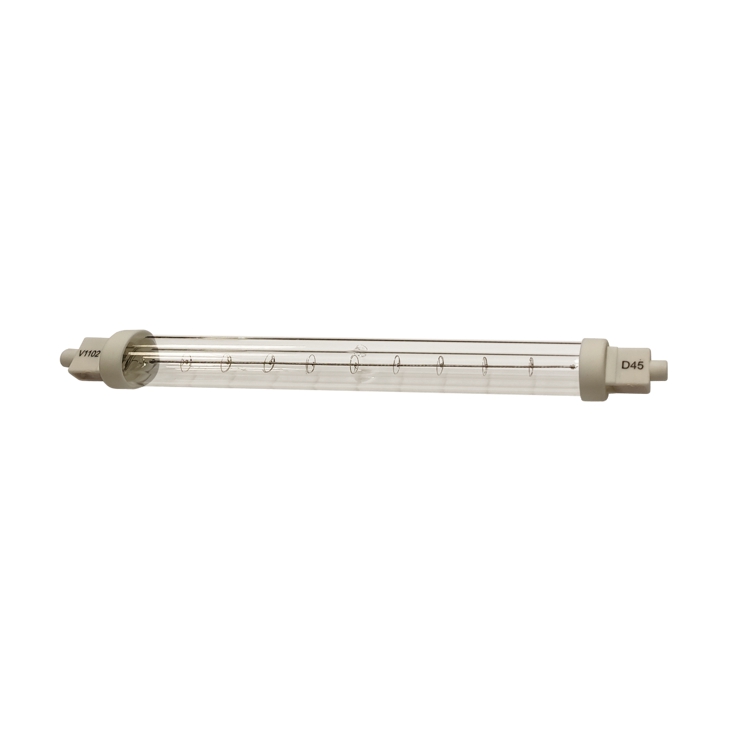
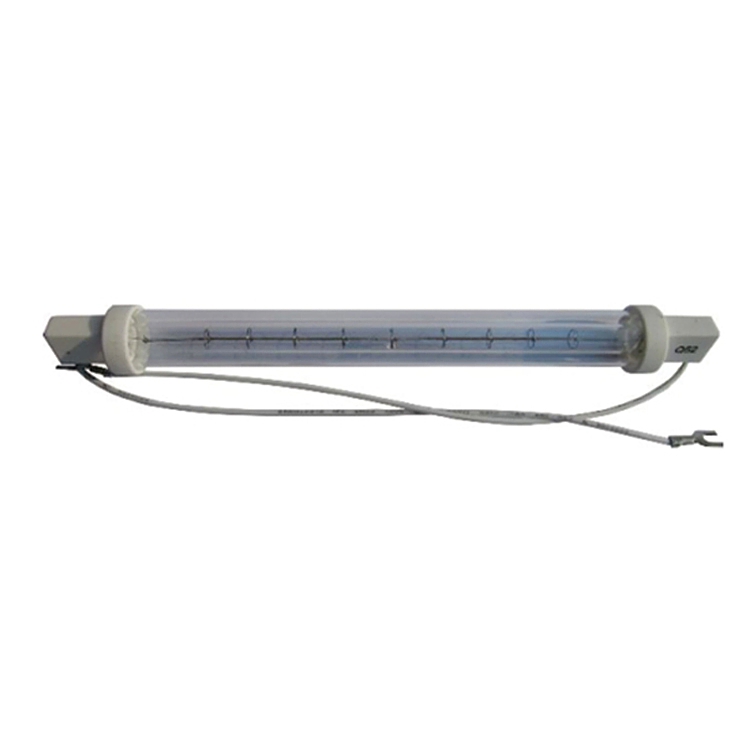
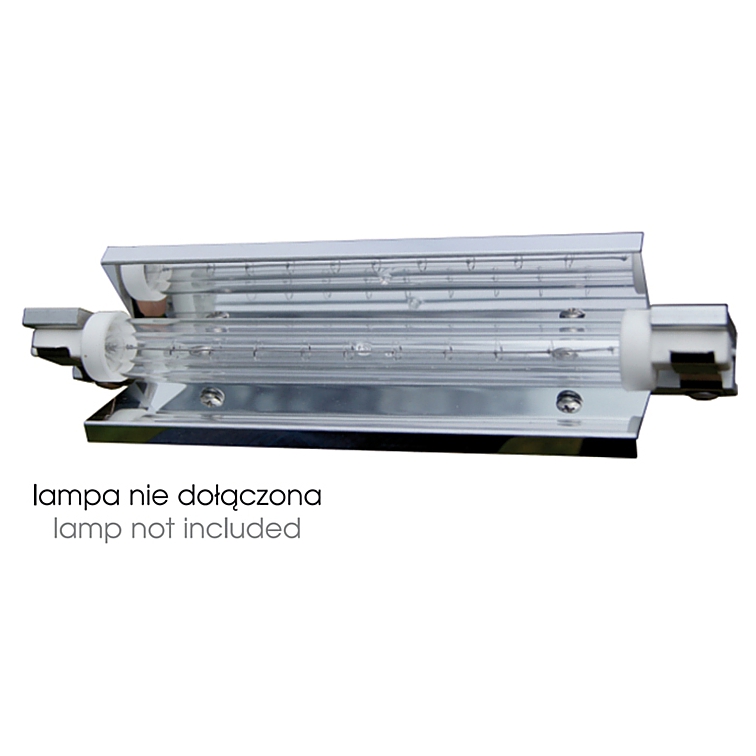
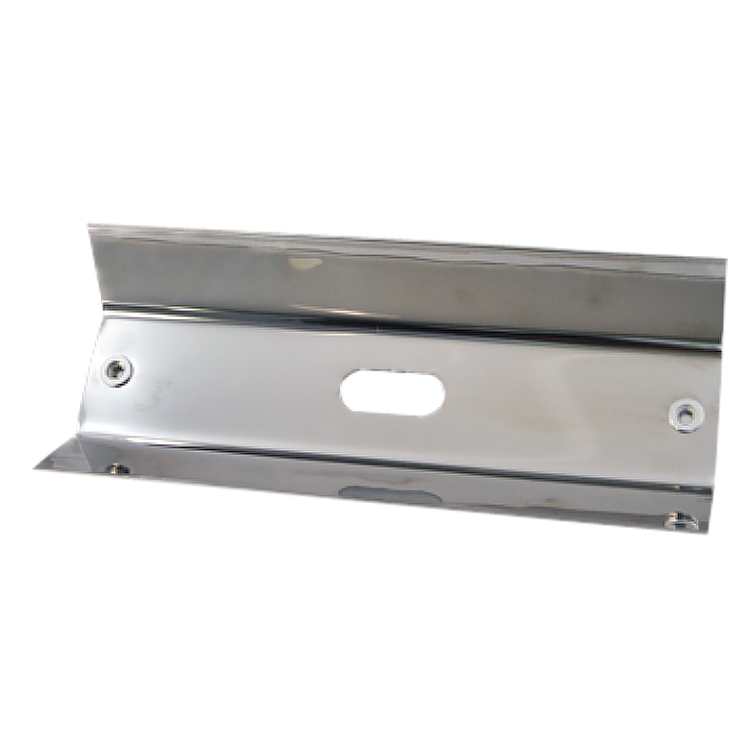
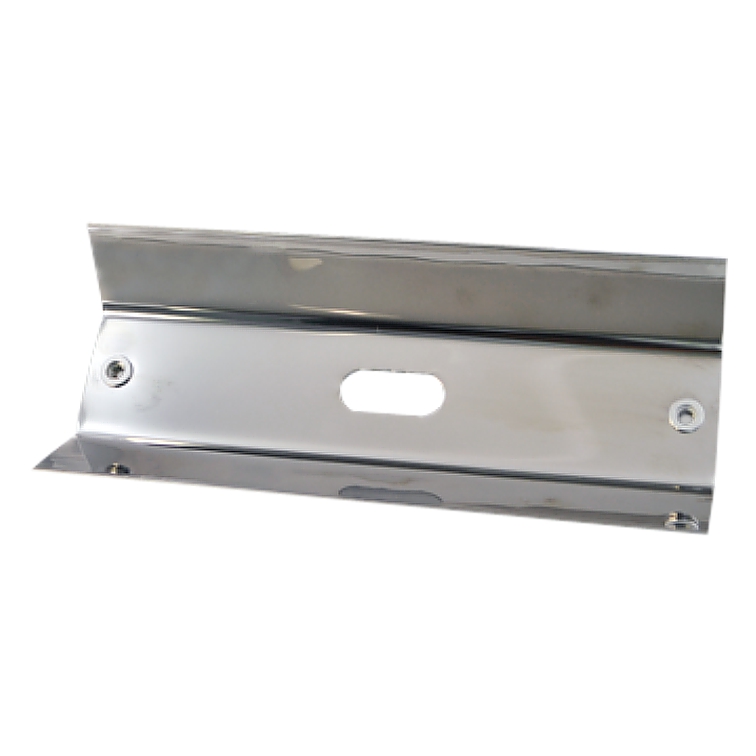
A ceramic emitter heats the surface beneath it and does not shine – it works where a dish is to wait in the warmth rather than be displayed. An infrared lamp gives heat and light at the same time, so it works over a serving line where the look of the food also counts. A reflector changes the heat distribution: it concentrates it on a smaller area or spreads it more evenly.
The power is chosen for the size of the field and the mounting height. In this range it goes from 100 to 1000 W; the higher the emitter hangs, the larger the area it covers and the less heat reaches the dish. At stations in a draught it has to be calculated with a margin.
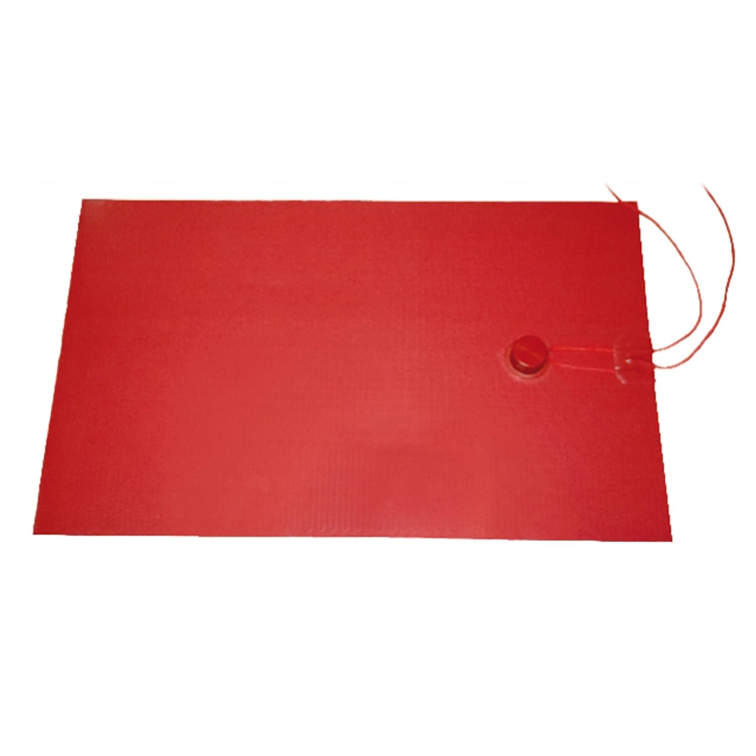
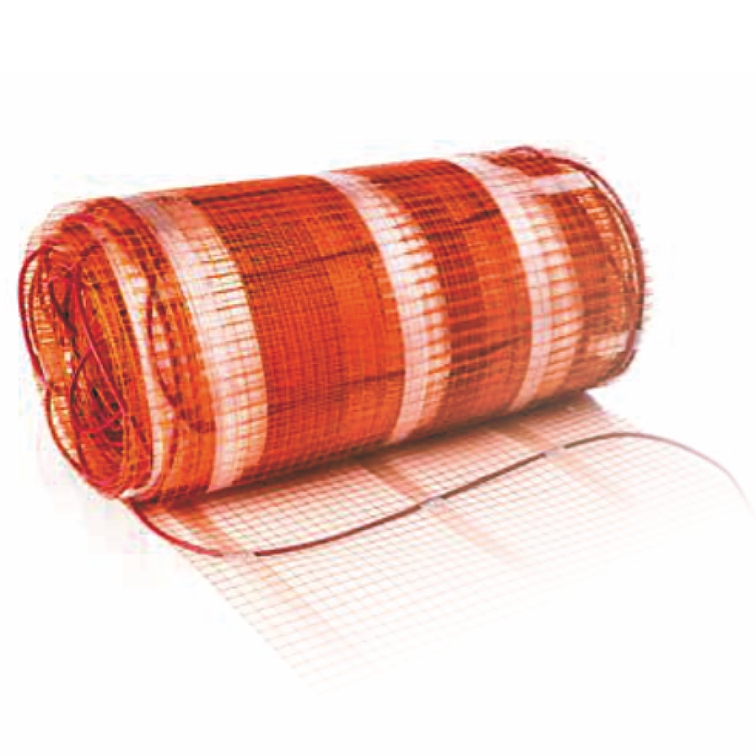
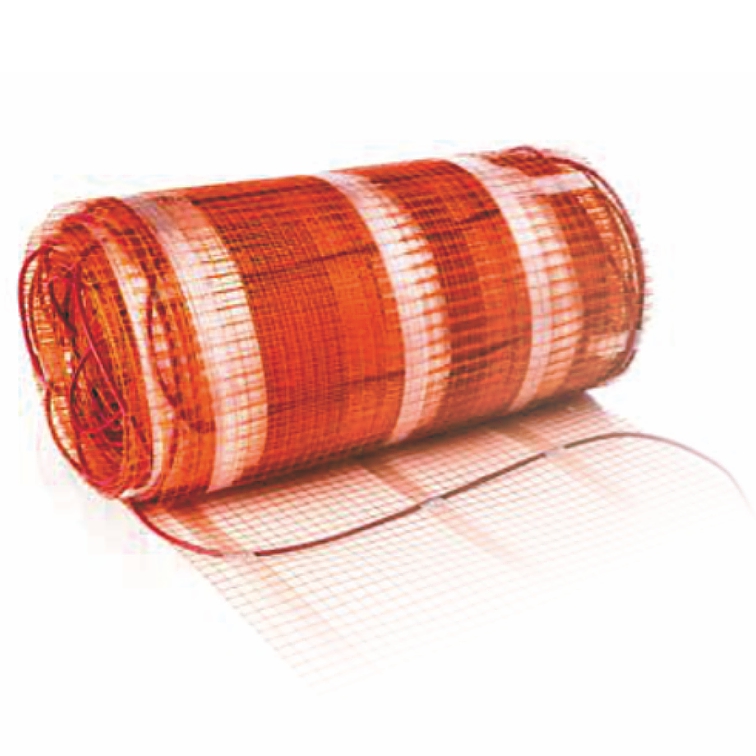
Heating mats work in a completely different way: they heat by contact, from below. A self-adhesive silicone mat goes onto a part of the appliance, a glass-fibre floor mat has its power stated per square metre. These are solutions for holding temperature, not for heating up.
- A ceramic emitter heats, a lamp heats and lights
- The mounting height changes the reach and the intensity
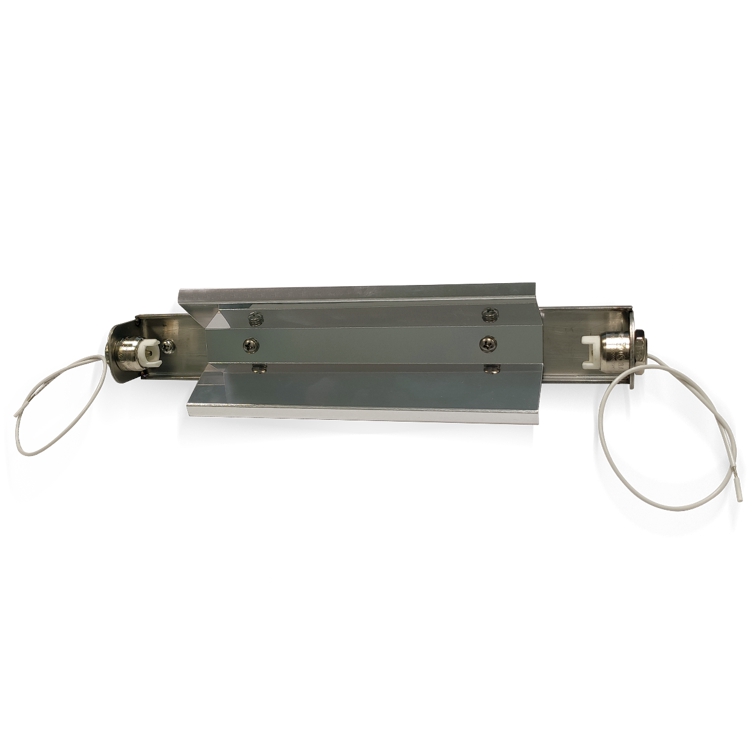
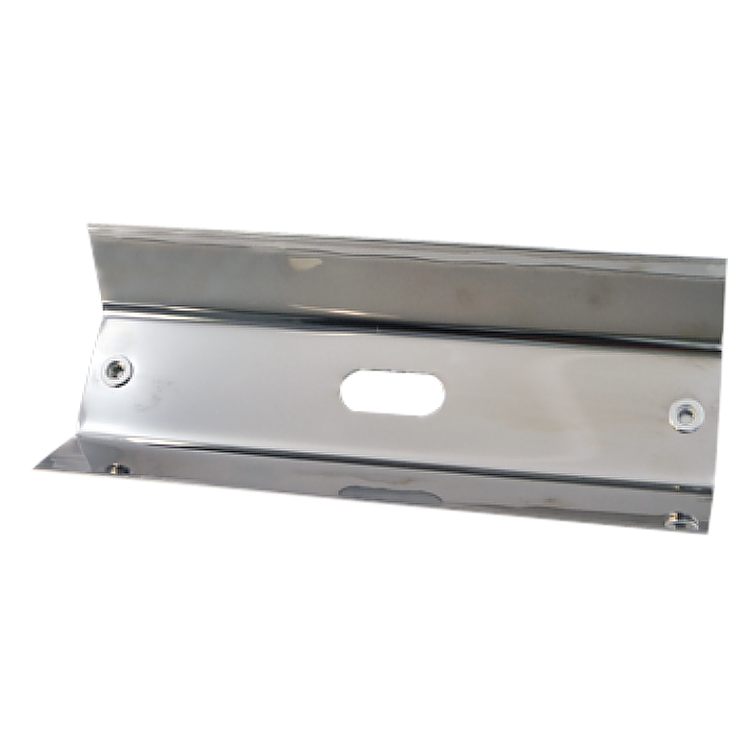
- The reflector decides the heat distribution
- Mats heat by contact, not by radiation
- In a draught choose the power with a margin
Prices, availability and ordering
Prices and stock levels are in the B2B shop. Heating systems are configured for the station.