
Waste bins, bain-maries and pressed steel products
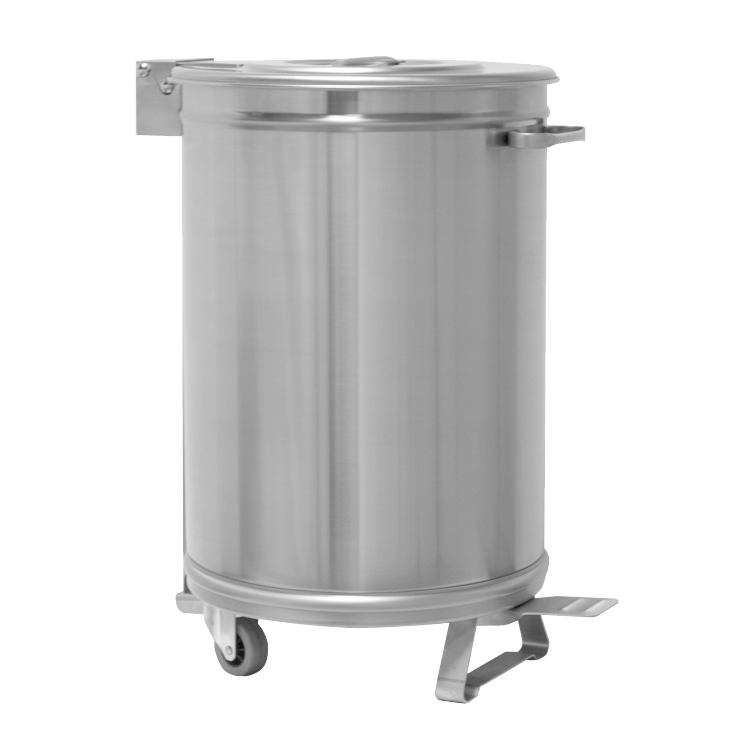
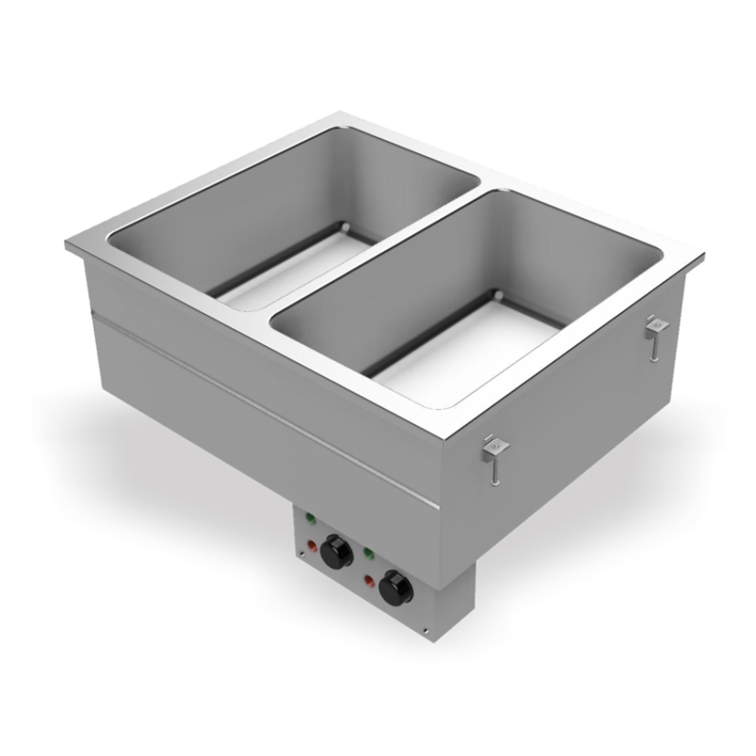
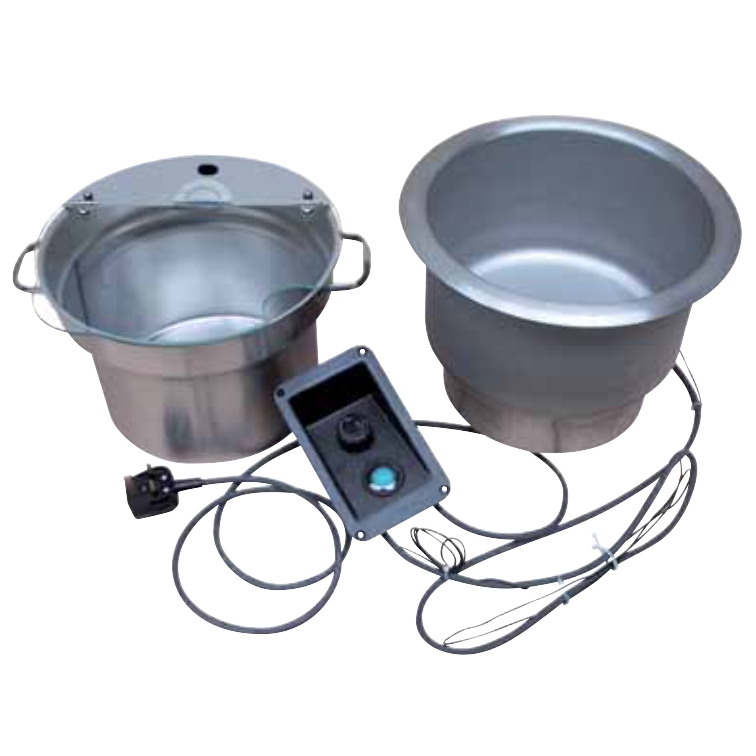
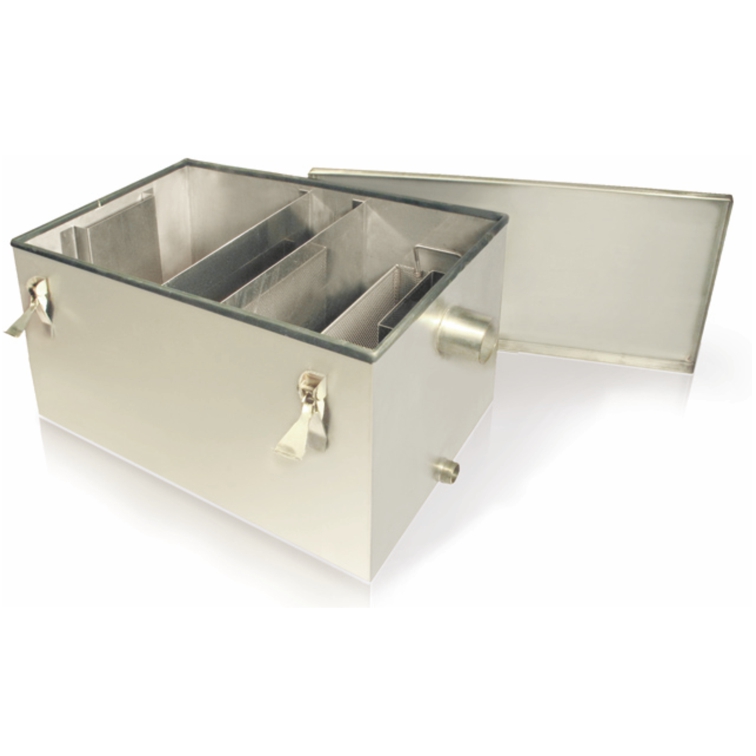
A stainless steel bin, bain-marie and container work in the washing area and along the serving line, where plastic would crack after a season. The bin is chosen for its capacity and the way it opens, pedal-operated where staff have their hands full; the bain-marie for the GN format and the depth of the insert. For every item we give the material, the capacity and the sheet thickness, and pressed parts beyond the standard are made from a drawing or a sample.
18 products
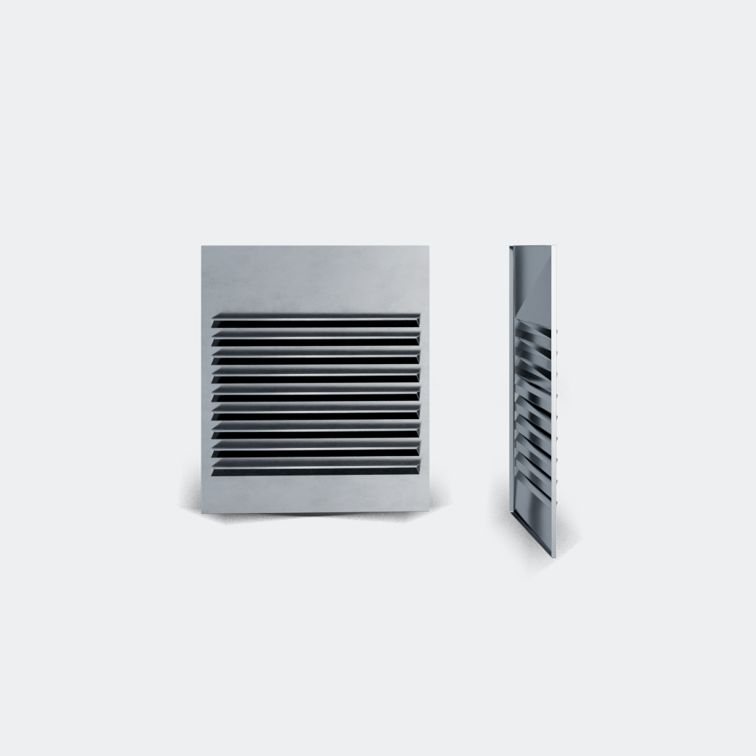
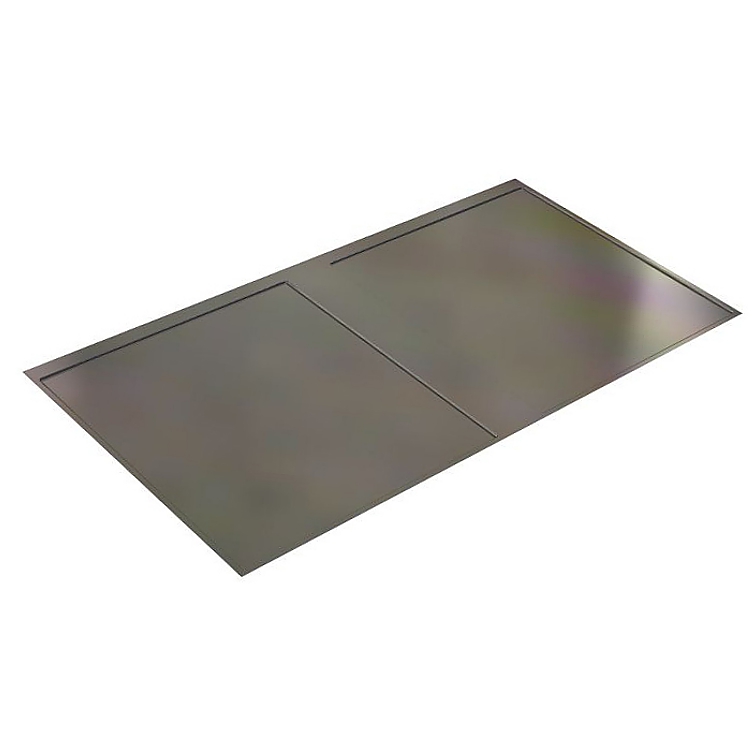
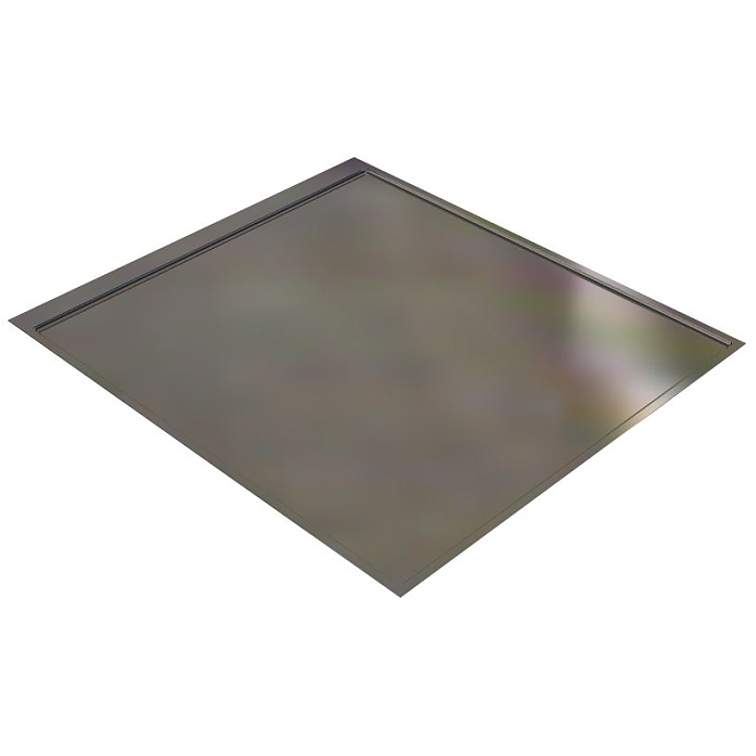
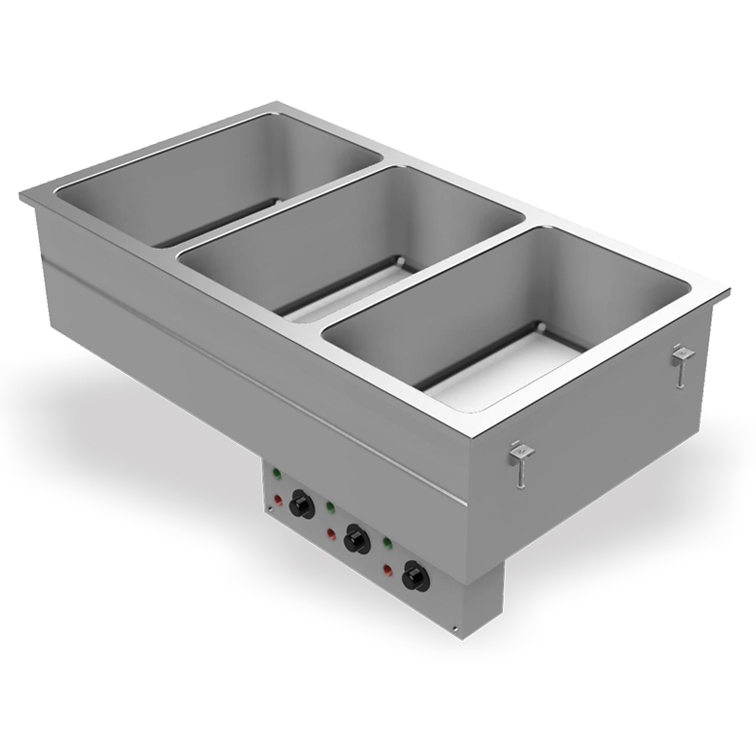
No product matches the selected filters.
How to choose
In the back of house what counts is capacity, hands-free opening and washability
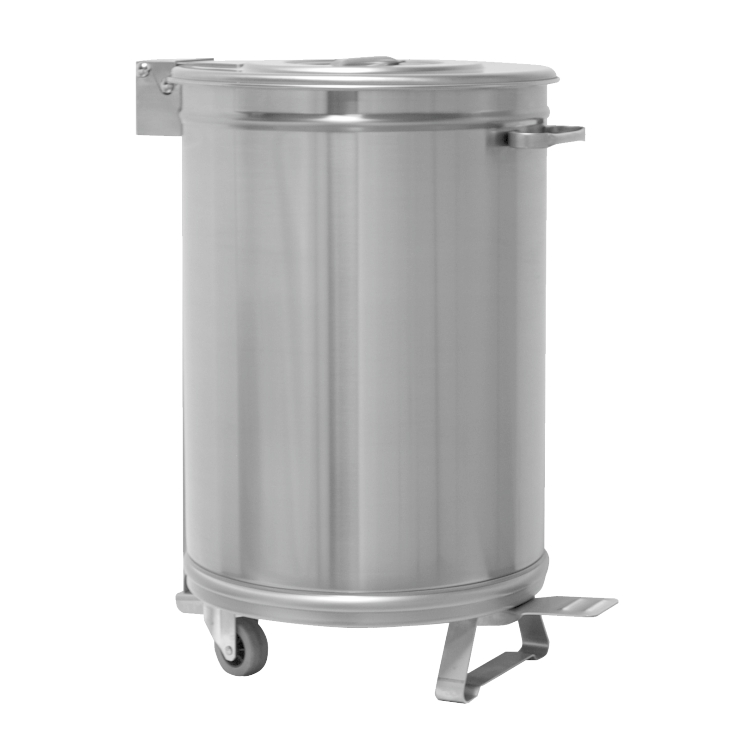
A bin in a kitchen is opened dozens of times a day, often by hands that have just touched raw product. The pedal version solves this without a compromise – the lid lifts with a foot and there is no contact with the hand. Where the bin stands in the back rather than at a station, an ordinary lid is enough.
Capacity is chosen for the turnover, not for the space. A bin that has to be emptied in the middle of service costs more time than a bigger model takes up – and once overfilled it stops closing and loses its sanitary point.
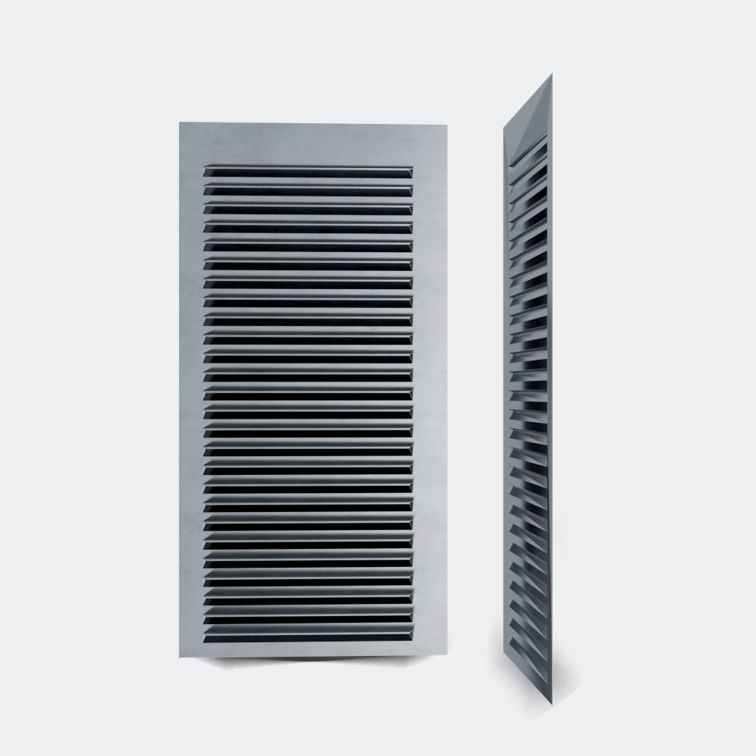
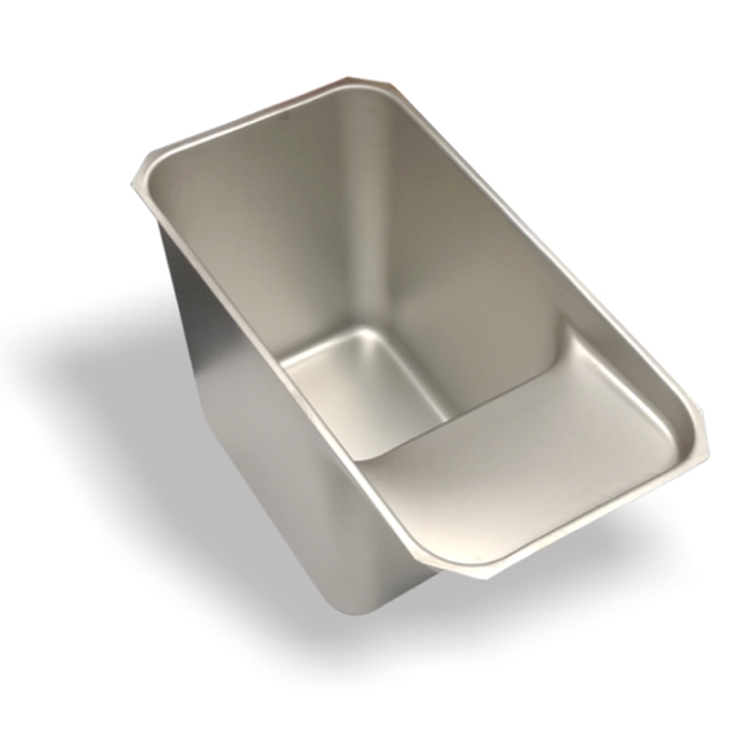
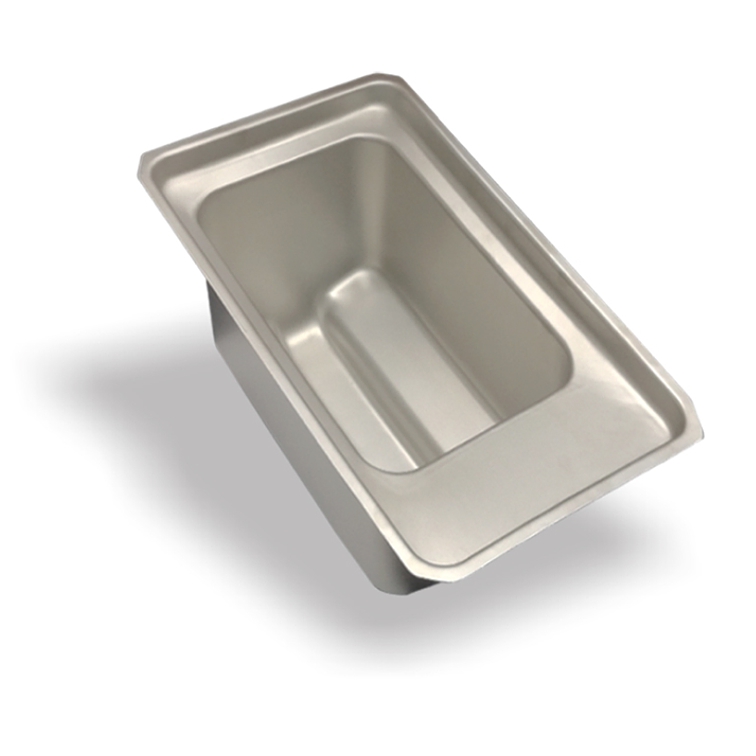
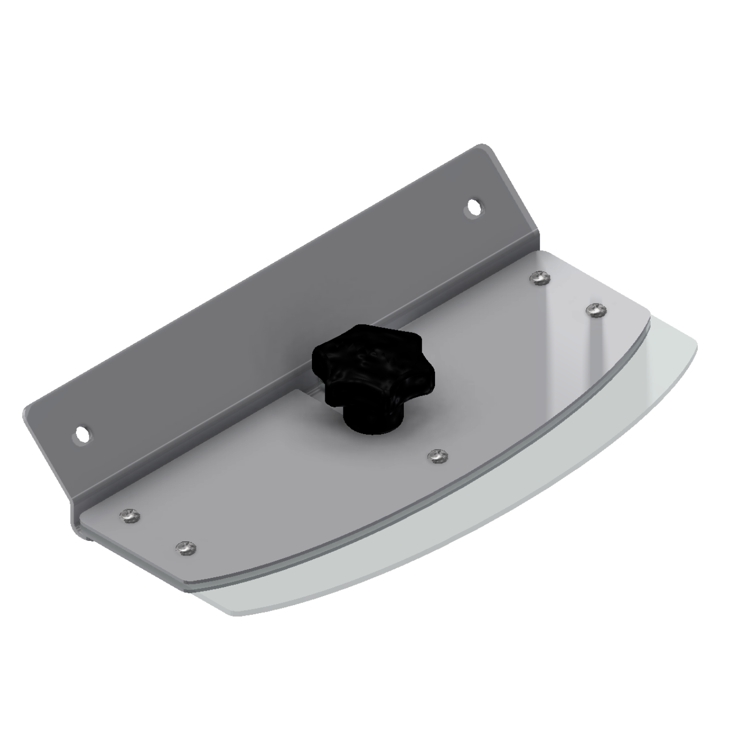
Stainless steel beats plastic here not on looks but on resistance to cleaning chemicals and heat. Pressed parts – sides and bases – are in turn components for building appliances: they are chosen for a specific body, so what counts is the outline and the sheet thickness, not the capacity.
- The pedal version removes contact with the lid
- Choose the capacity for the turnover, not for the free space
- Steel takes cleaning chemicals and high temperature
- Choose pressed parts for the body outline, not by eye
- Non-standard versions are made to order
Prices, availability and ordering
Prices and stock levels are in the B2B shop. Non-standard versions are quoted individually.