
Fans, motors and accessories for refrigeration equipment
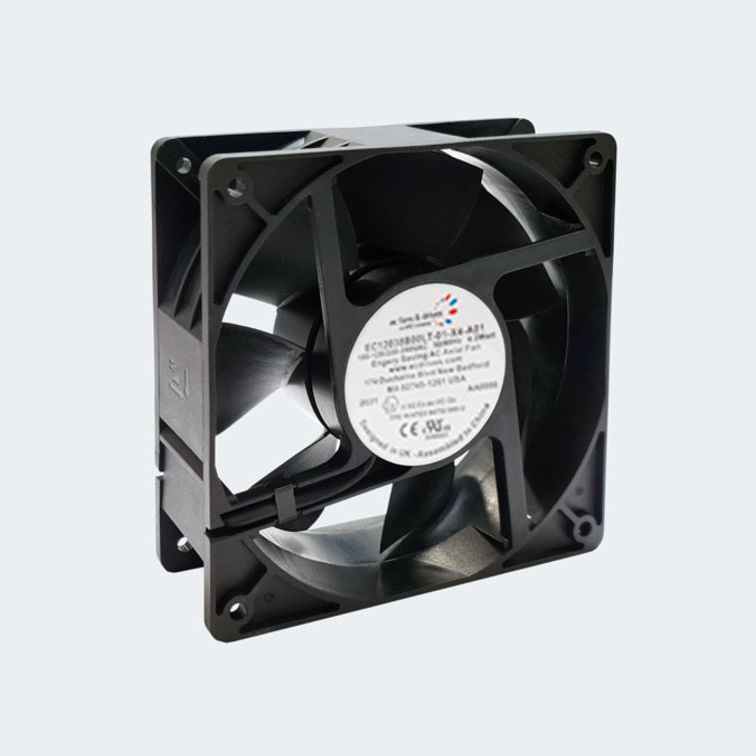
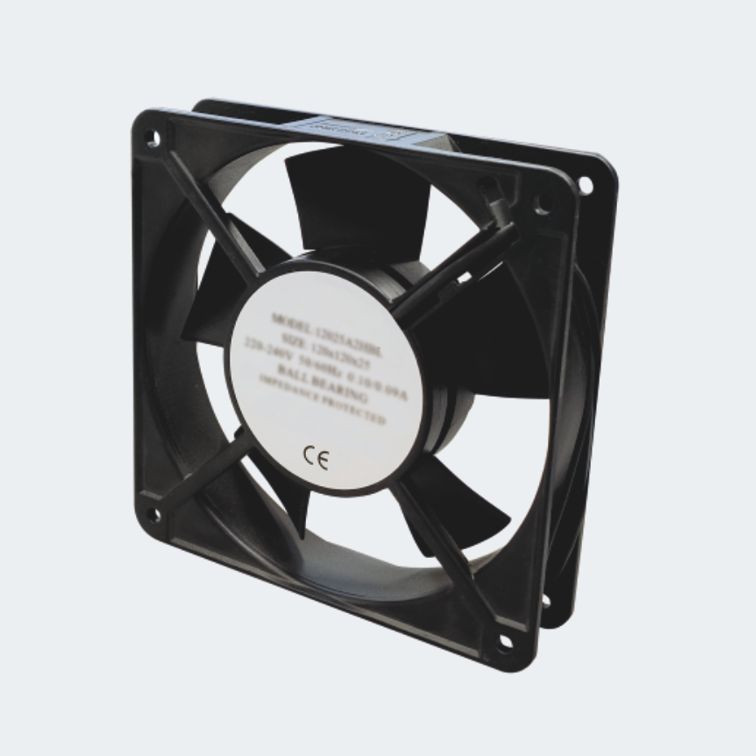
A fan forces air through the heat exchanger, and its selection decides whether the condenser gives off as much heat as the design assumed. What counts is not the diameter and voltage alone but the airflow in m³/h, the pressure and the direction of operation: suction or blowing. When choosing between an AC and an EC motor we advise when speed control will pay for itself on the electricity bill and when a simpler drive is enough.
49 products
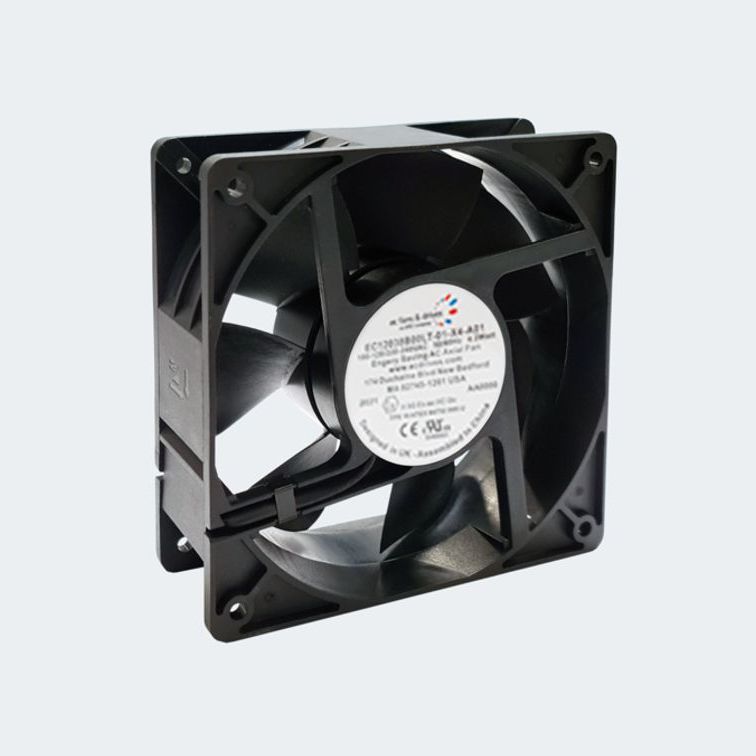
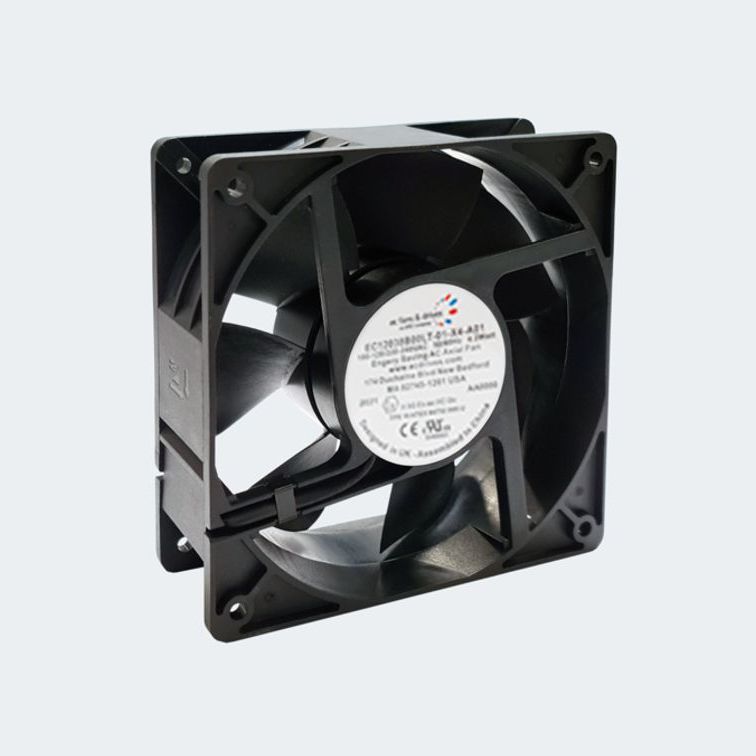
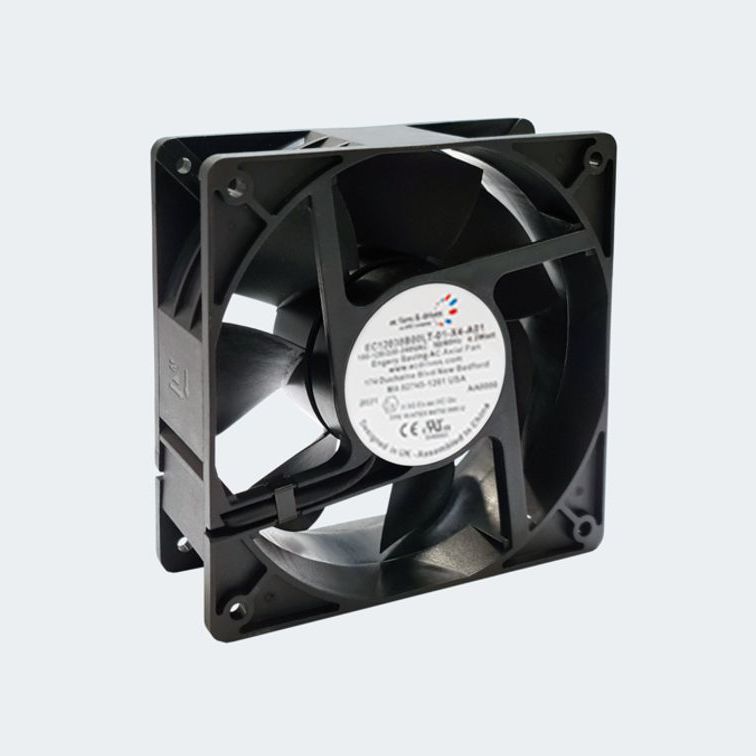
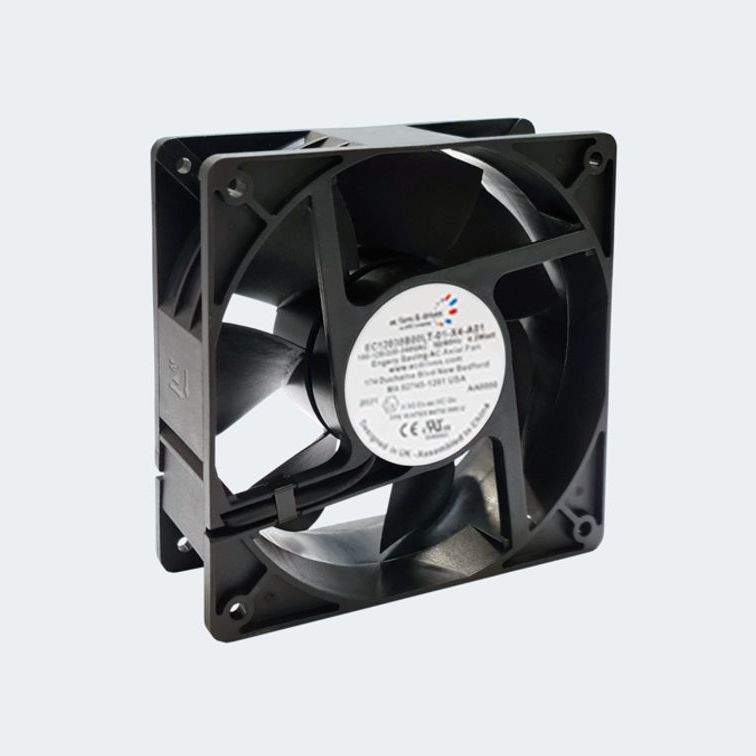
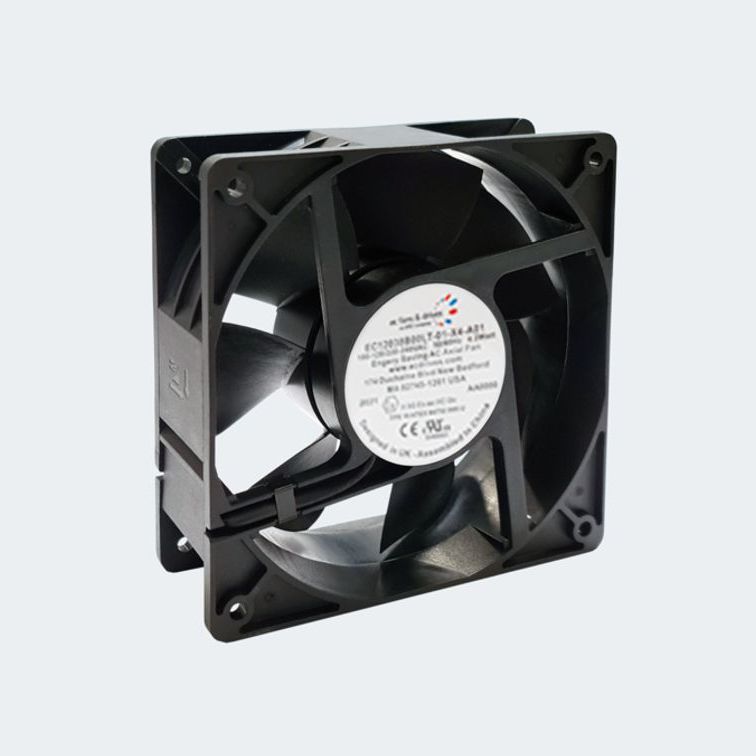
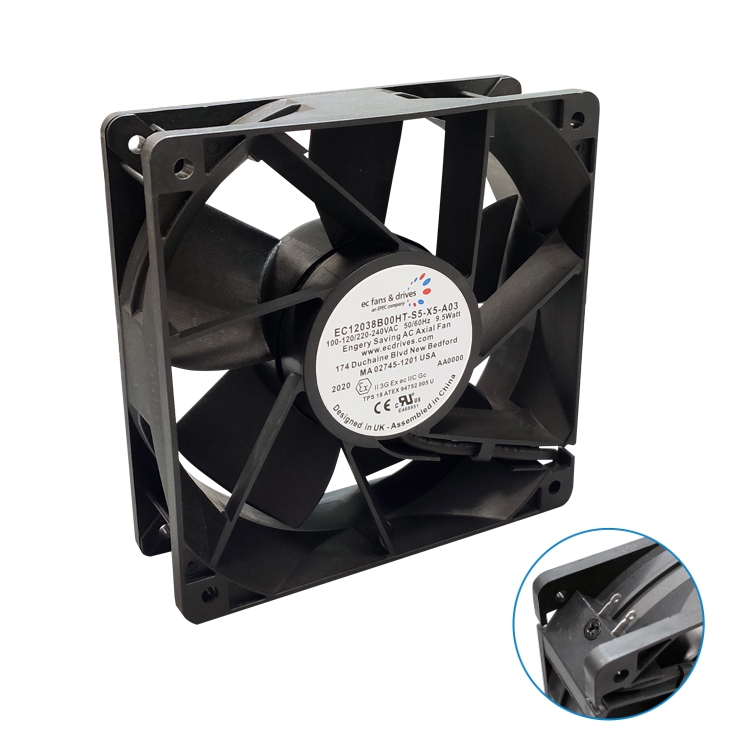
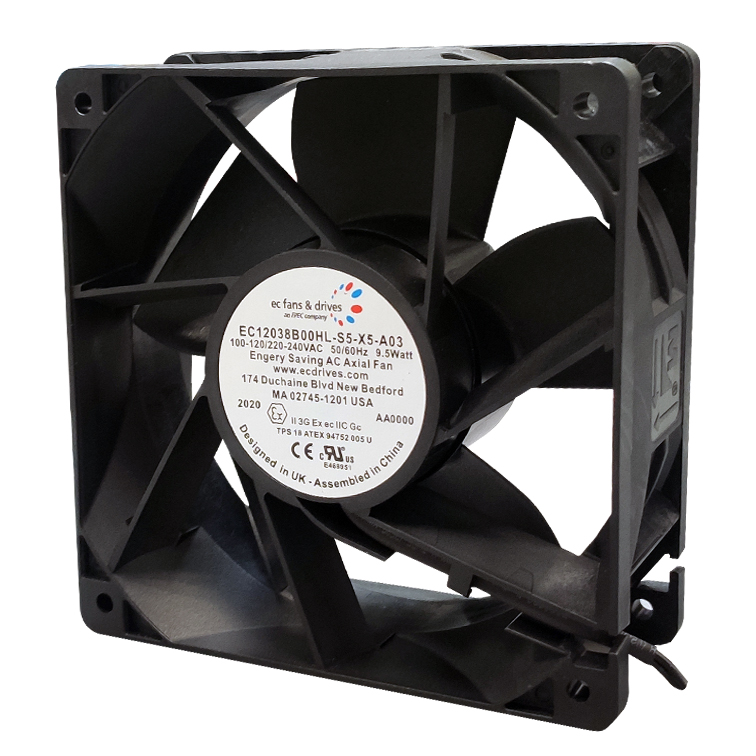
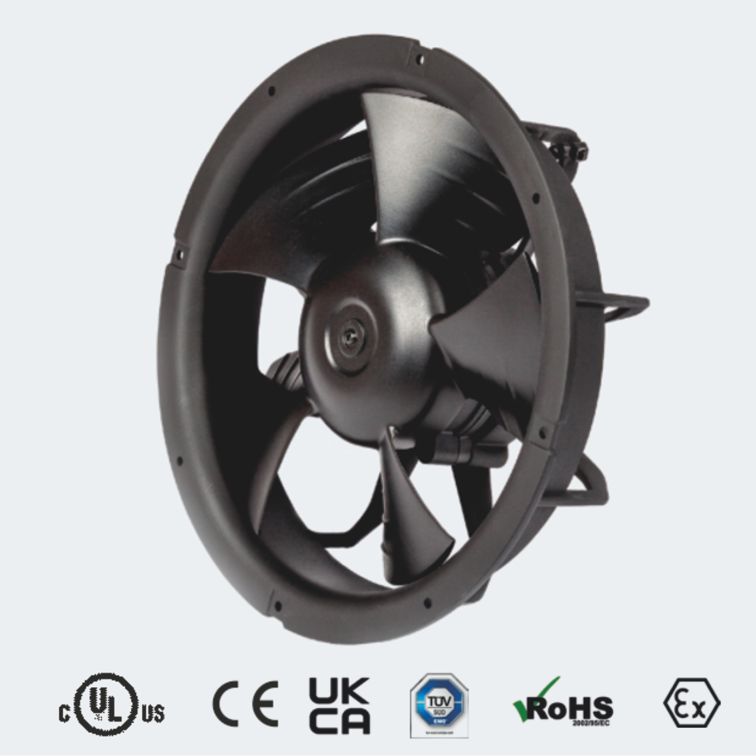
No product matches the selected filters.
How to choose
The fan is chosen for the airflow, the motor for the conditions it works in
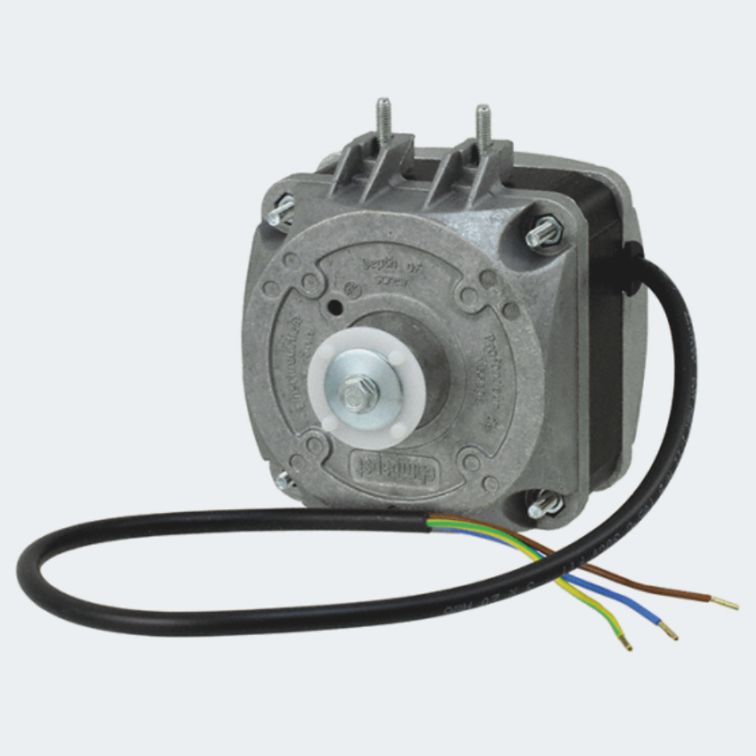
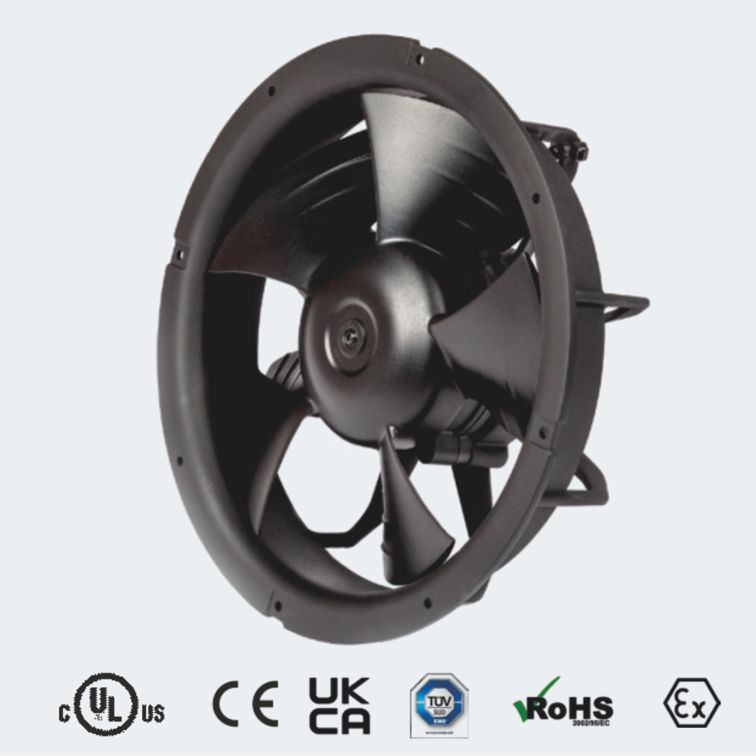
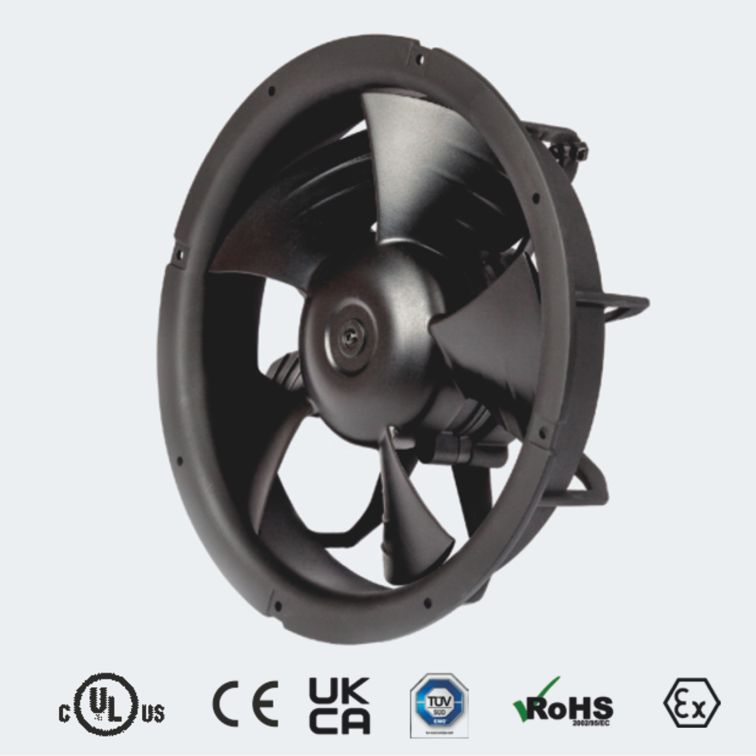
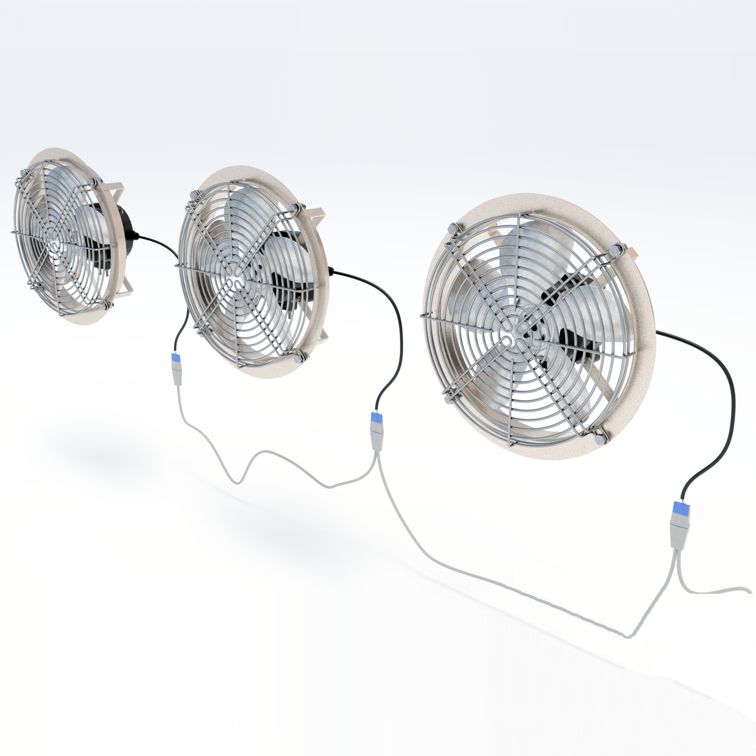
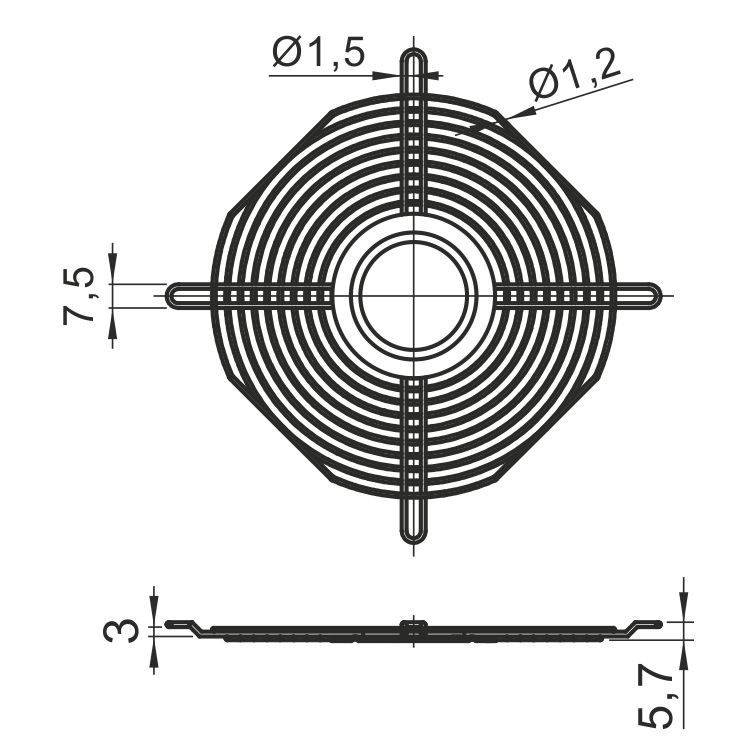
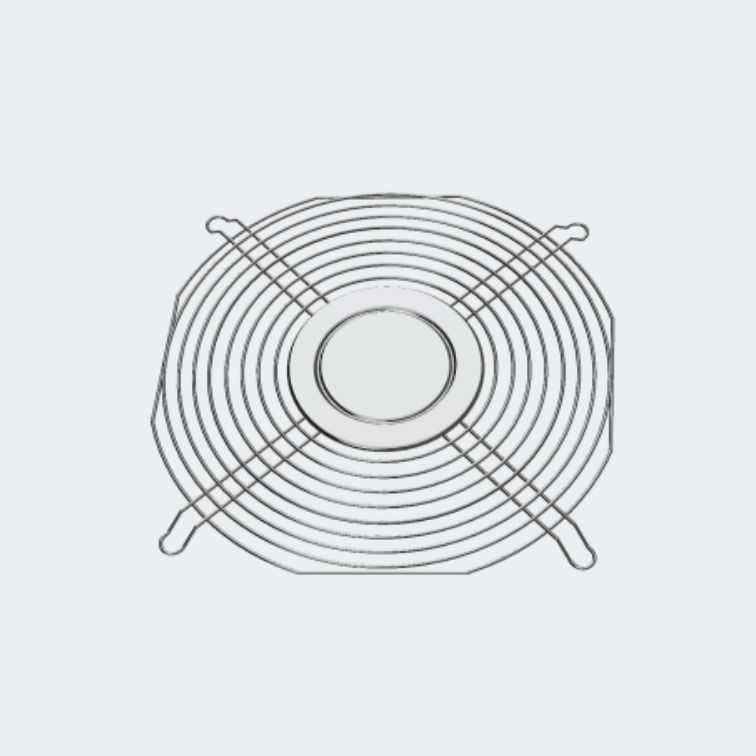
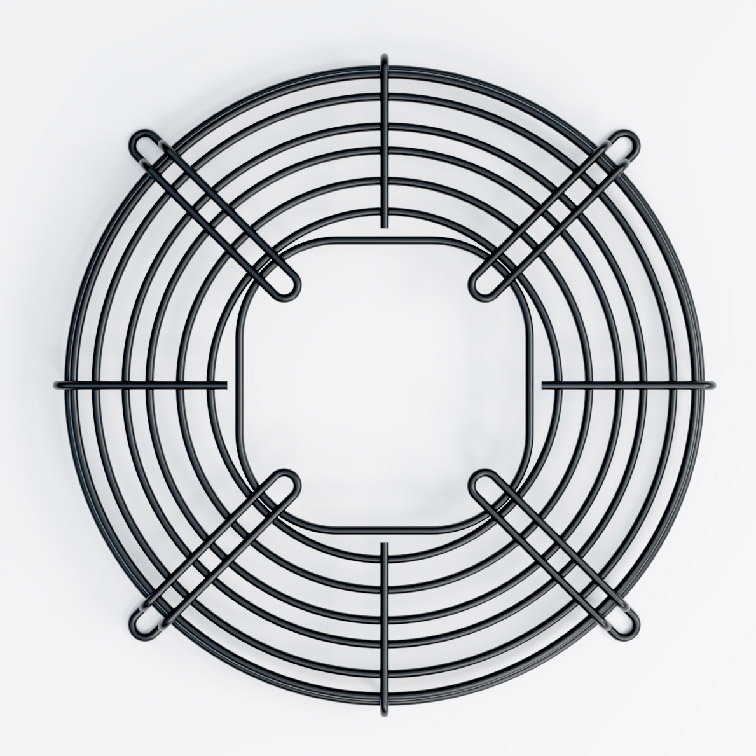
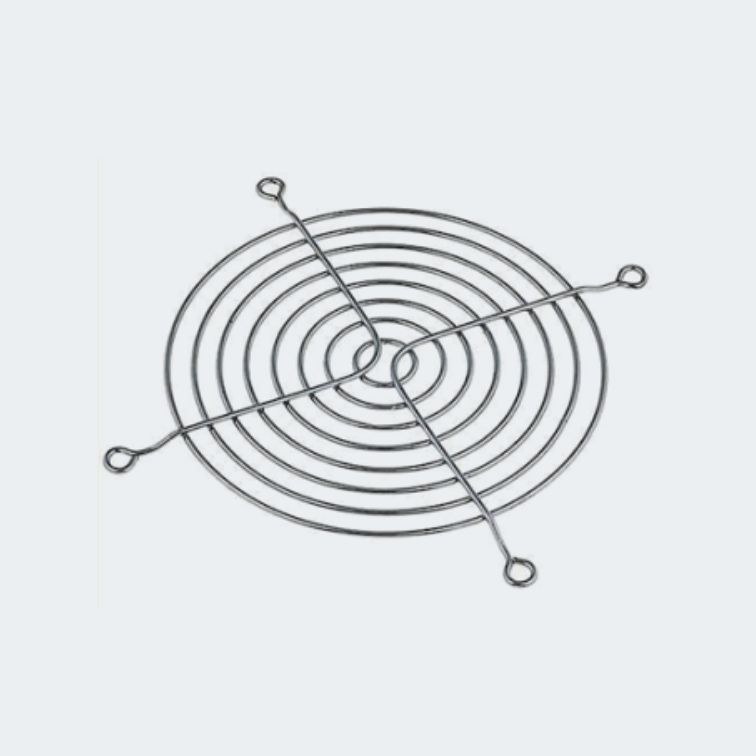
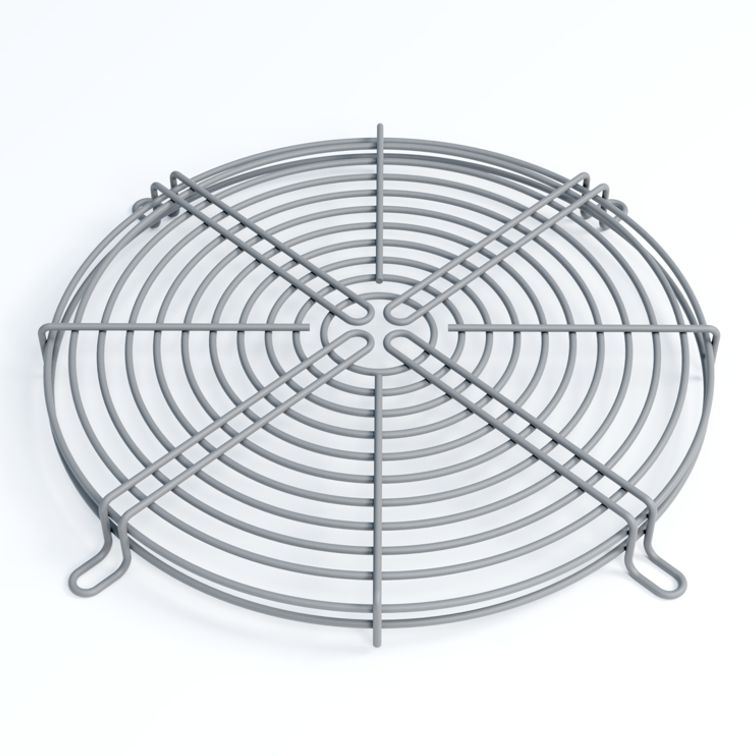
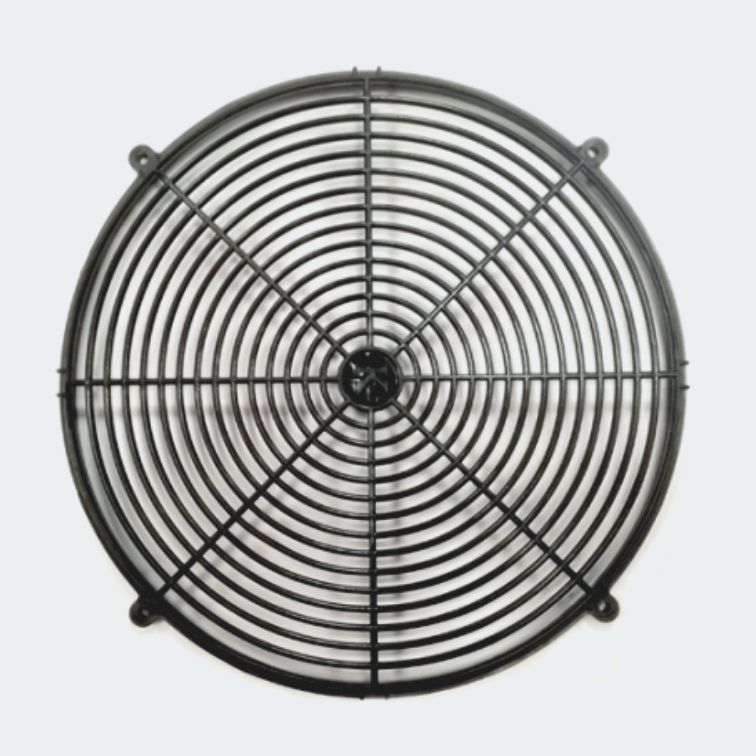
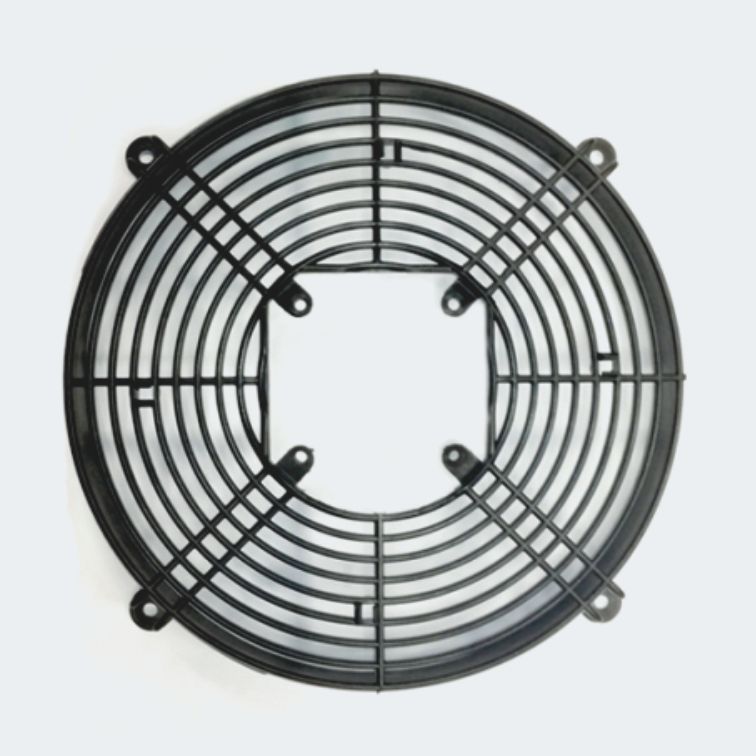
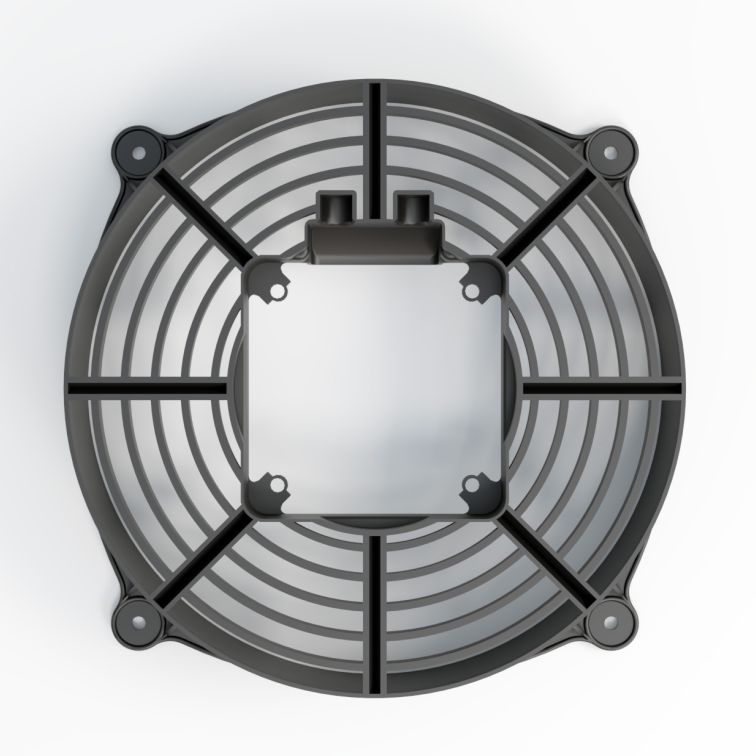
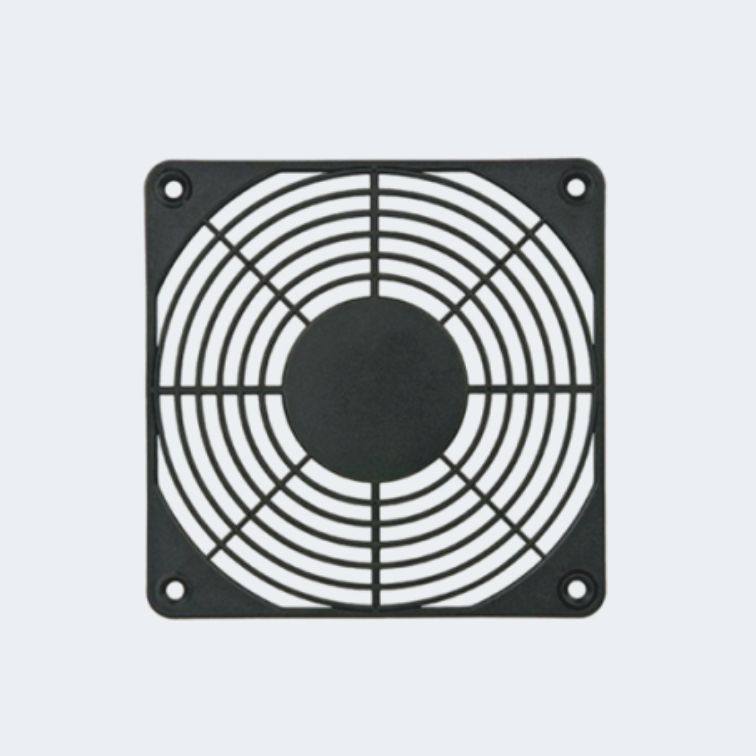
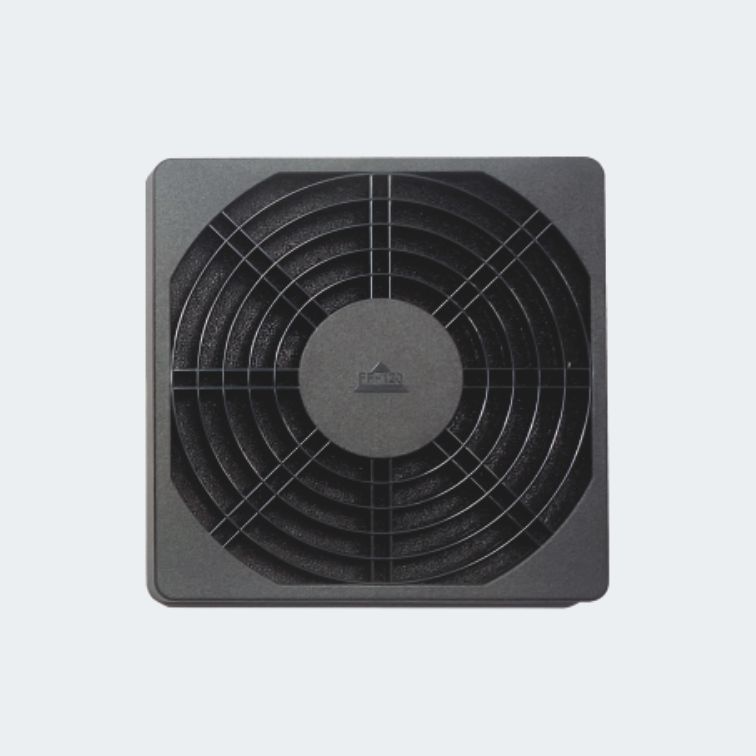
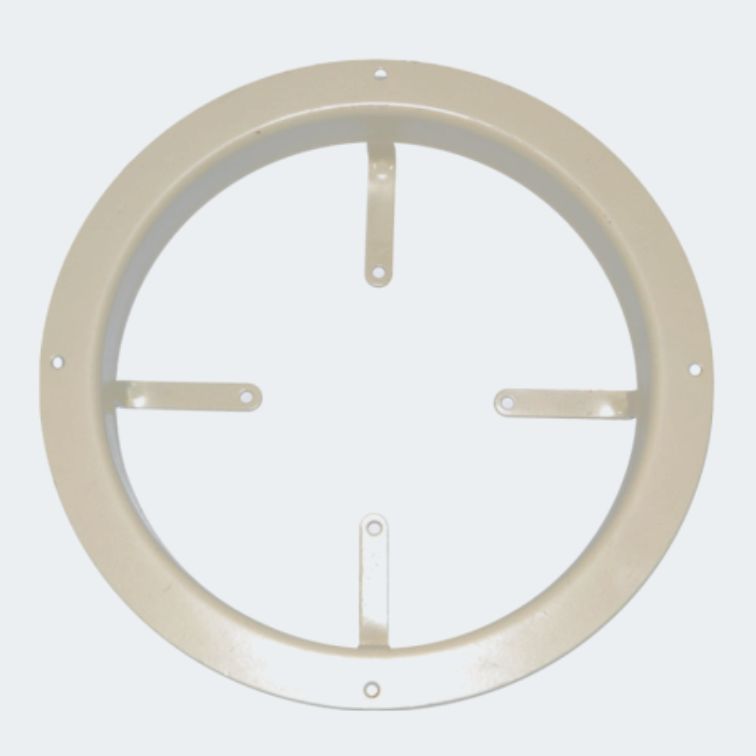
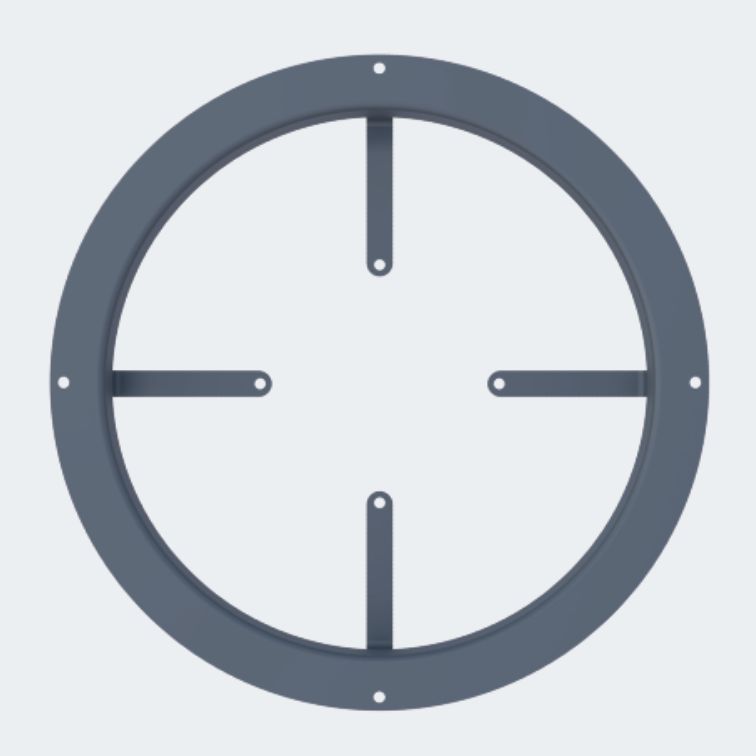
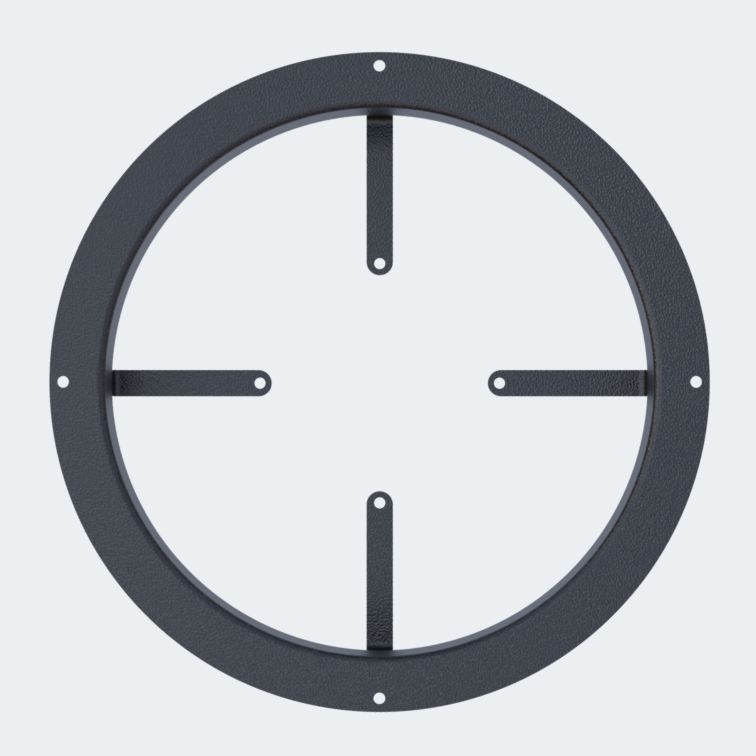
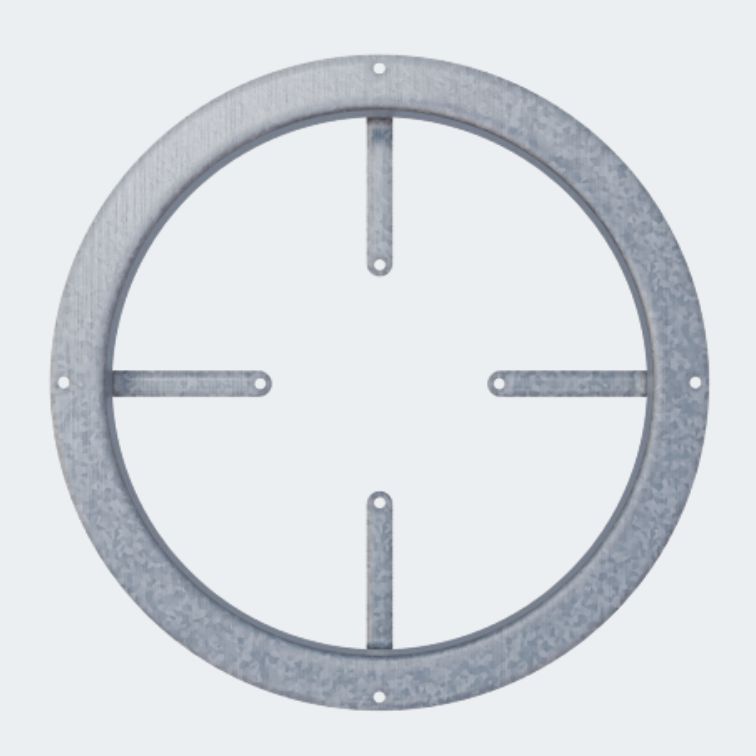
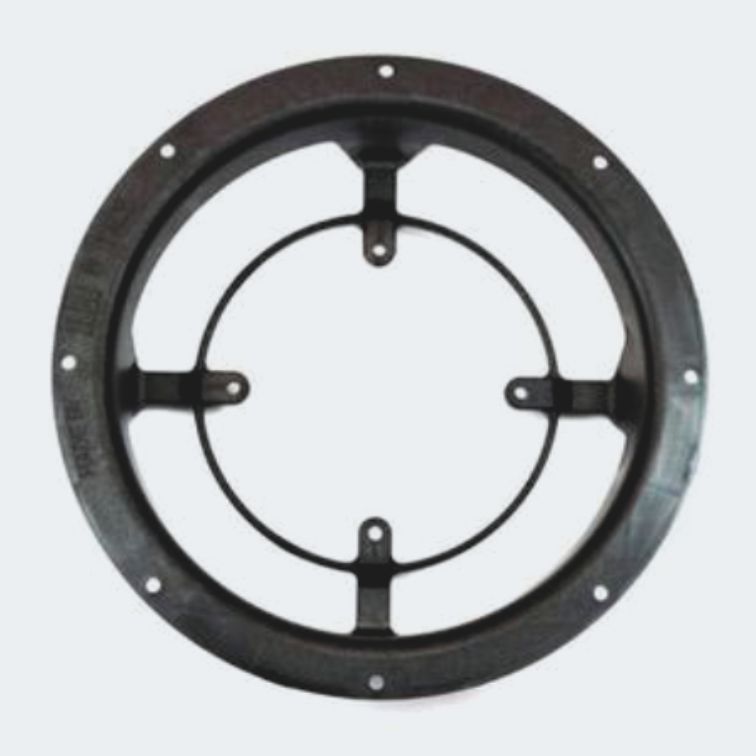
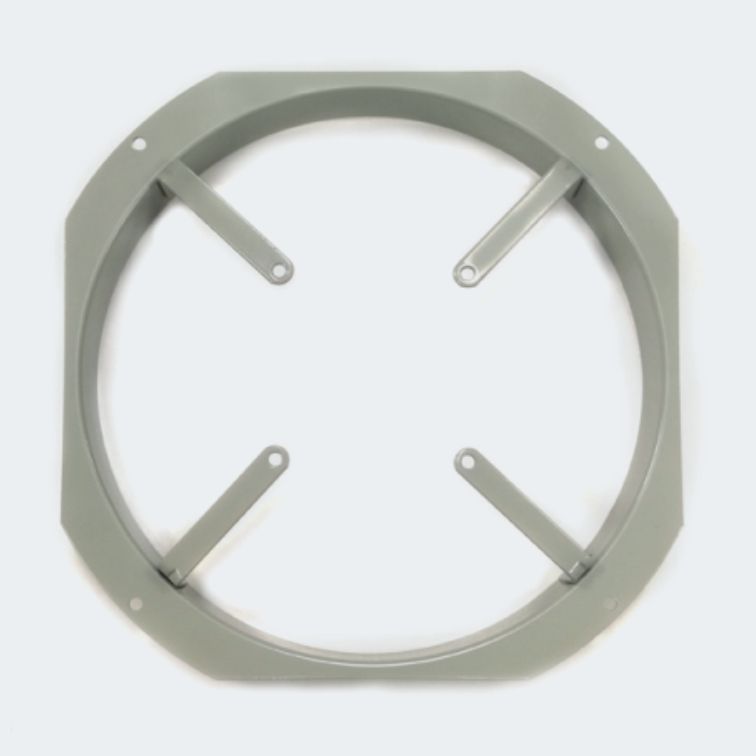
A fan set is usually three parts: the motor, the blade and the guard, and in the installation a ring guiding the stream is added. They can be bought separately or as an assembly with wiring – the second option shortens the installation, because there is no need to match the blade to the shaft and check the direction of rotation.
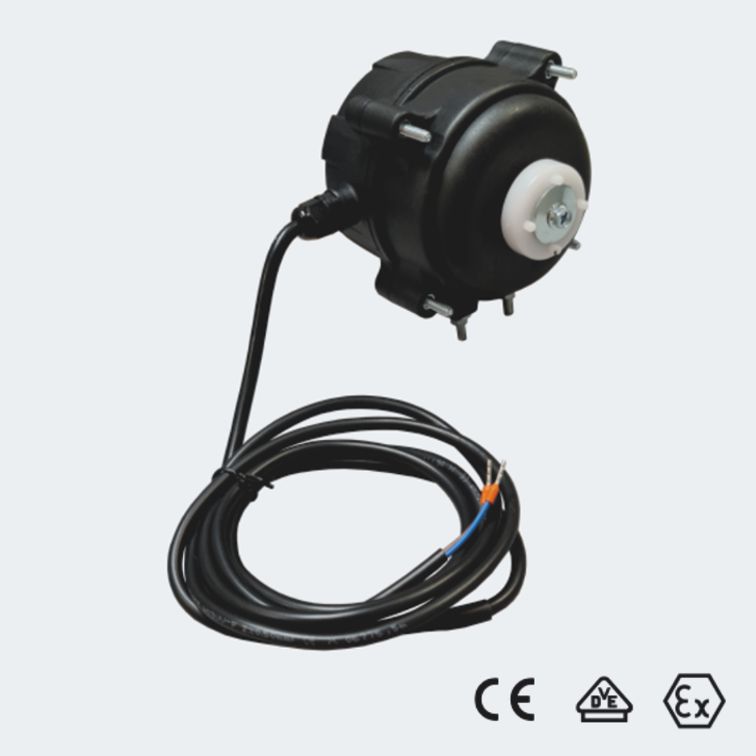
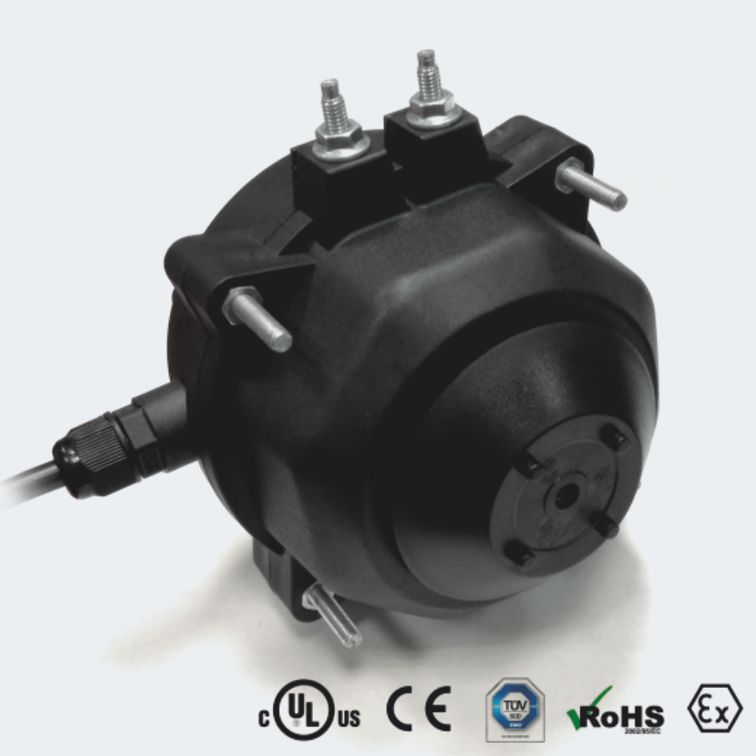
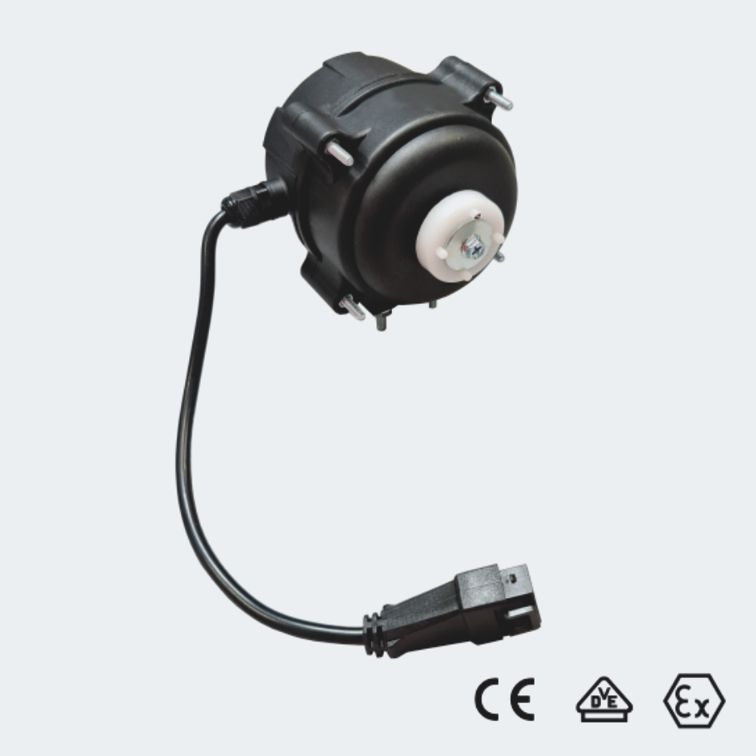
Four things matter in a motor: supply voltage, protection rating, insulation class and operating temperature range. In a freezer room a motor rated IP42 has no place – IP65 is needed, because during defrost water condenses on the housing. Explosion-proof motors are a separate group, marked Ex and covered by an ATEX certificate.
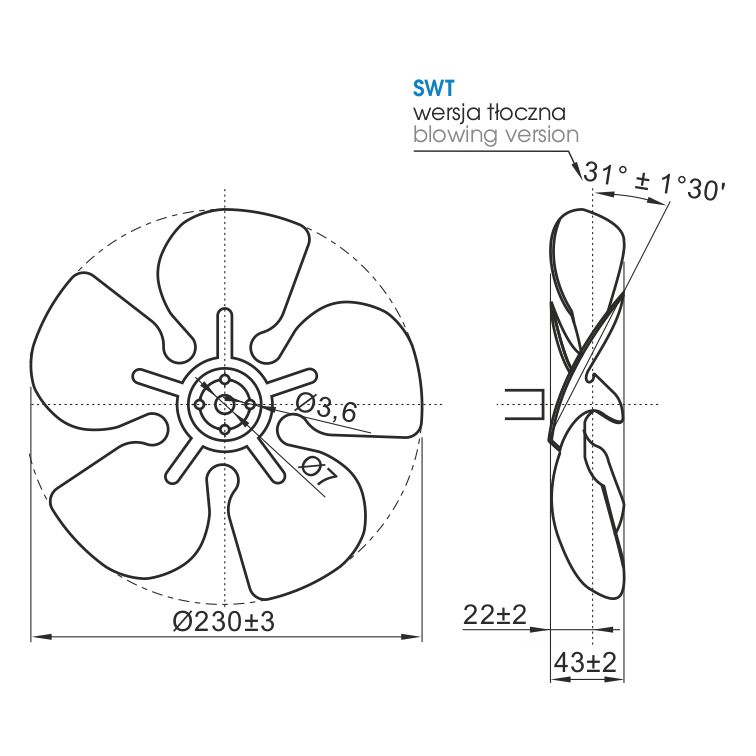
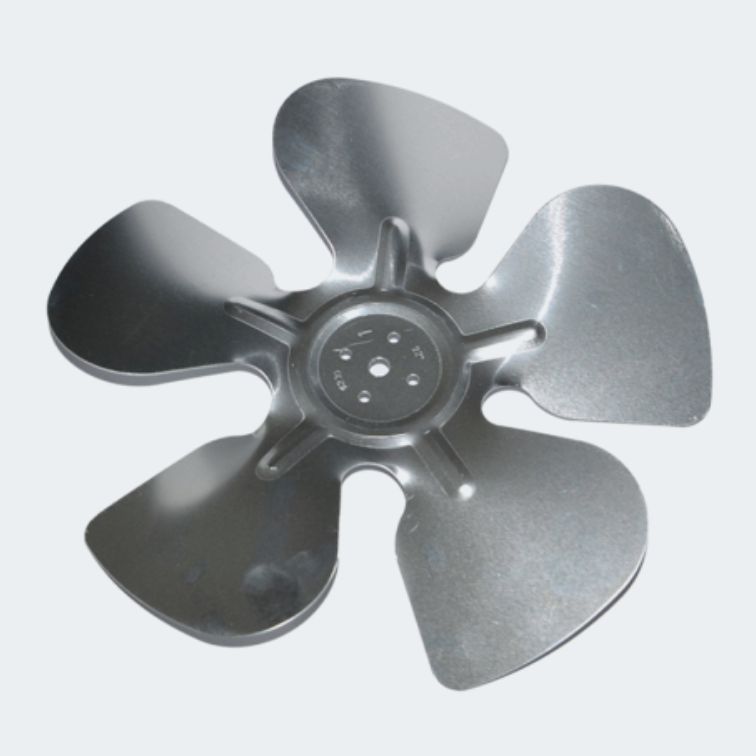
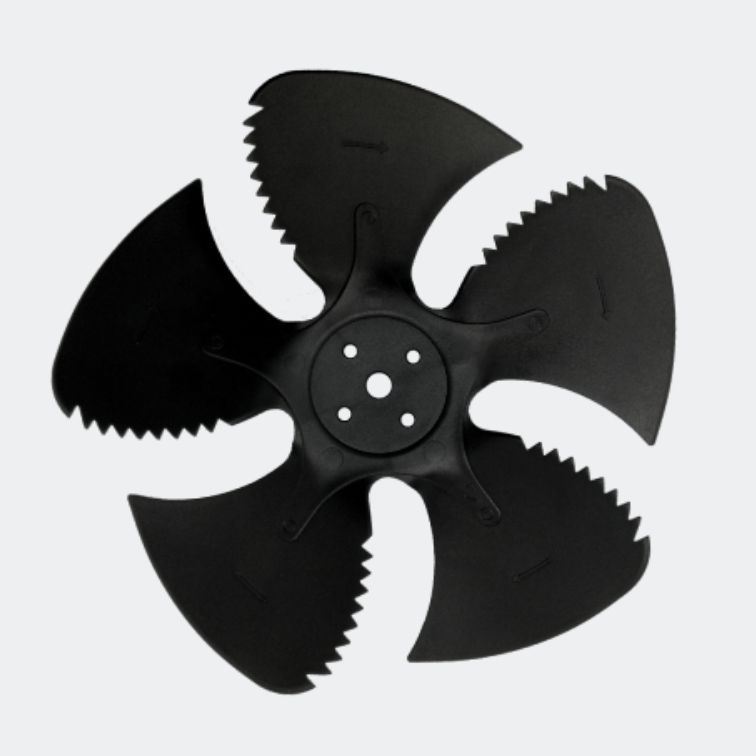
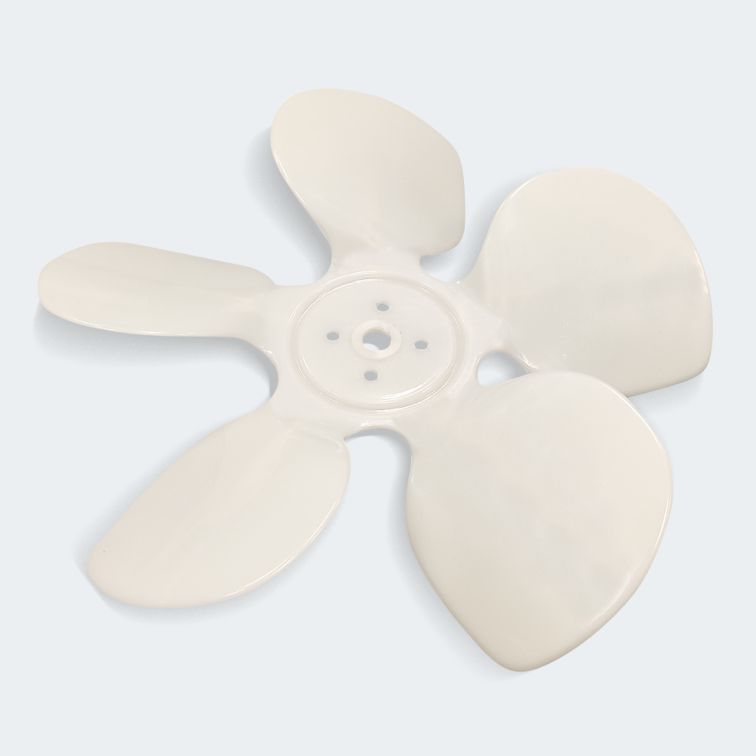
A blade has three parameters: diameter, blade pitch and direction of operation. The suction version draws air towards the motor, the blowing one pushes it away from the motor – getting it wrong reverses the airflow in the whole appliance. The diameter is matched to the ring and to the space available, not only to the motor.
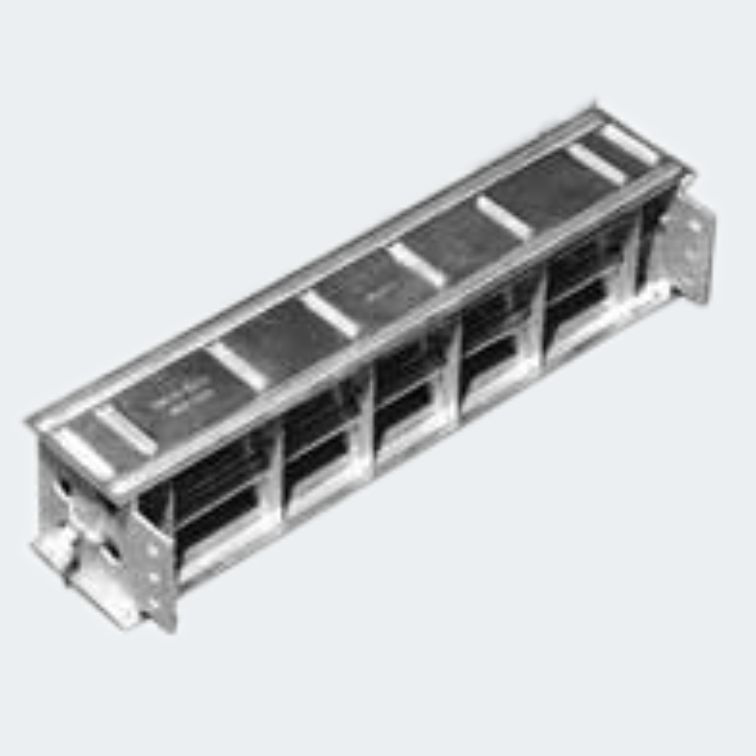
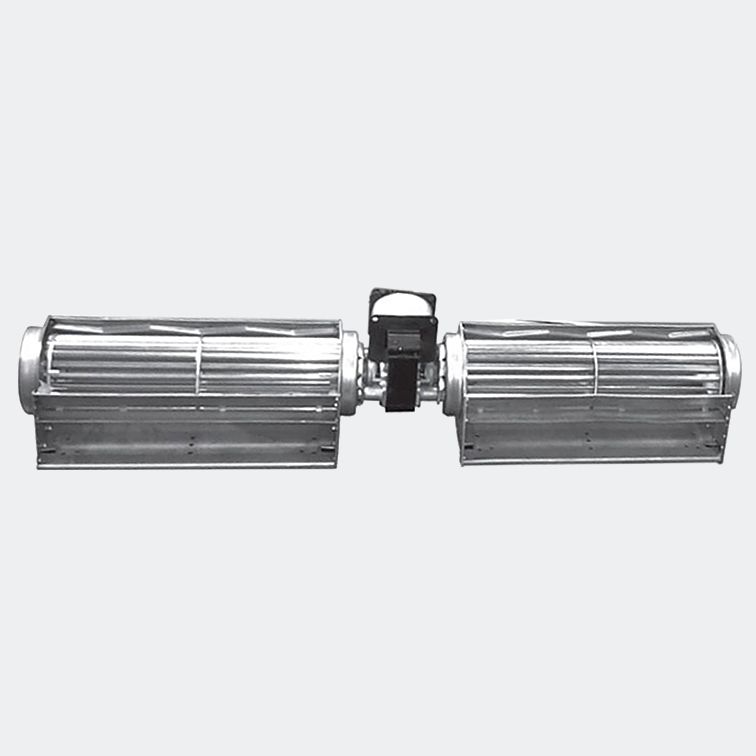
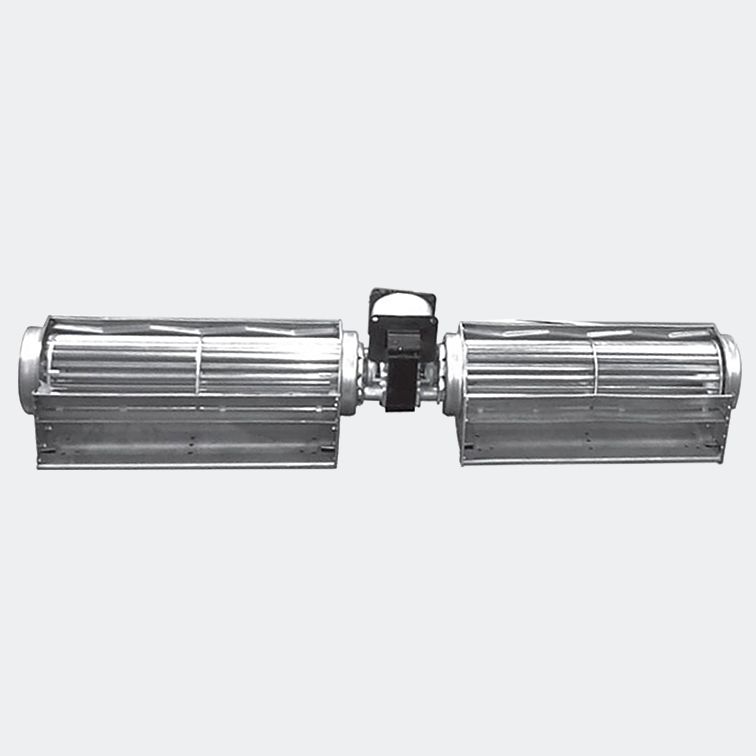
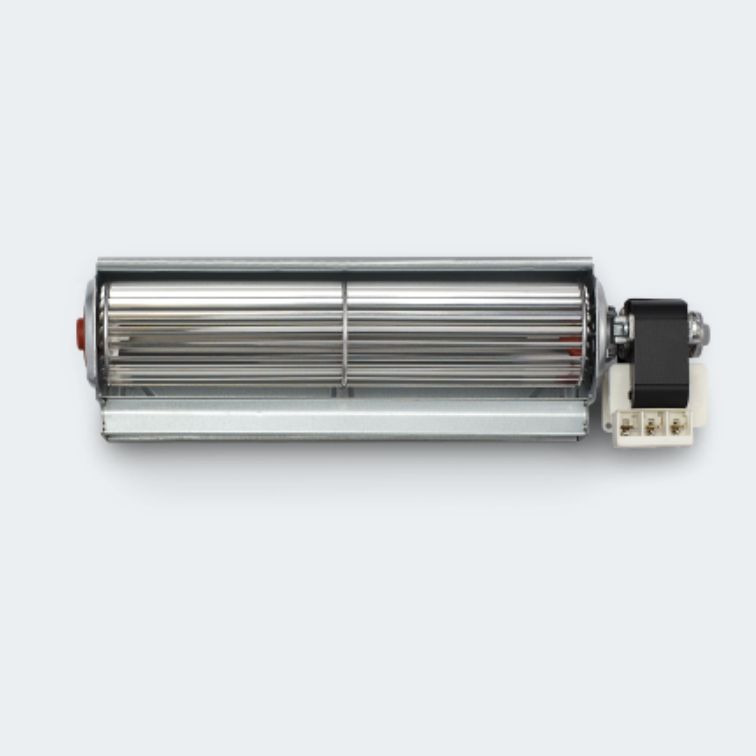
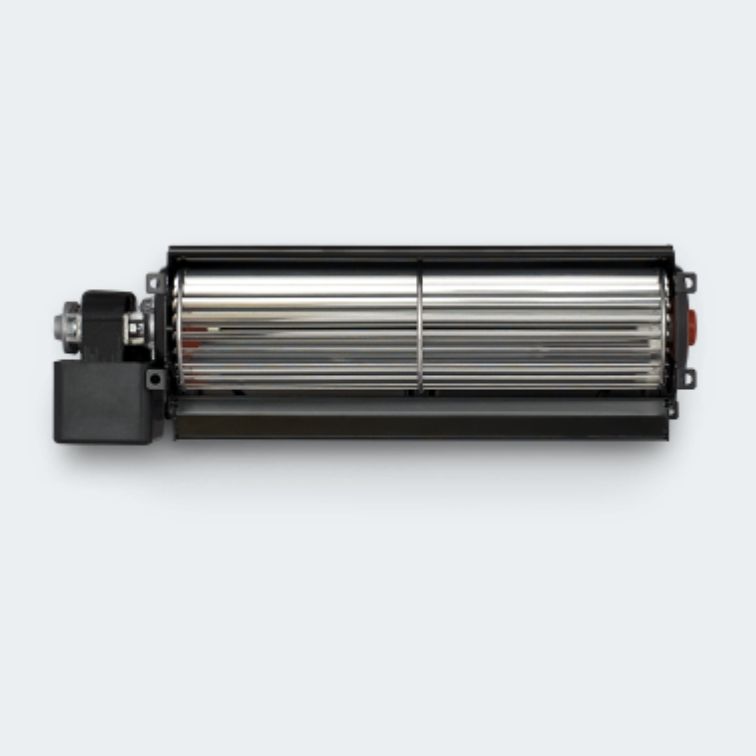
Tangential fans are a different design: they give a wide, flat stream along the whole length of the rotor. They are used where the air is to form a curtain or to wash the display evenly, rather than to be forced through a heat exchanger.
- IP65 where there is defrosting and condensate
- The suction and blowing versions are not the same part
- An assembly with wiring shortens installation and removes blade selection
- Ex motors carry an ATEX certificate – do not substitute ordinary ones
- Some items are families of models, not single versions
Prices, availability and ordering
Prices and stock levels are in the B2B shop. Assemblies with wiring are configured to order.